Purple Wisteria Vine Live Plant – 2.5″ Pot (6-12″ Tall) – Hardy Climber
-30%
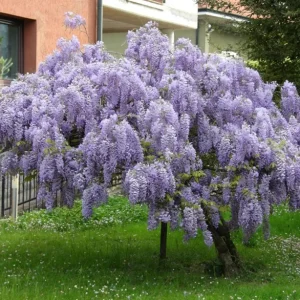
Purple Wisteria Vine Live Plant – 2.5″ Pot (6-12″ Tall) – Hardy Climber
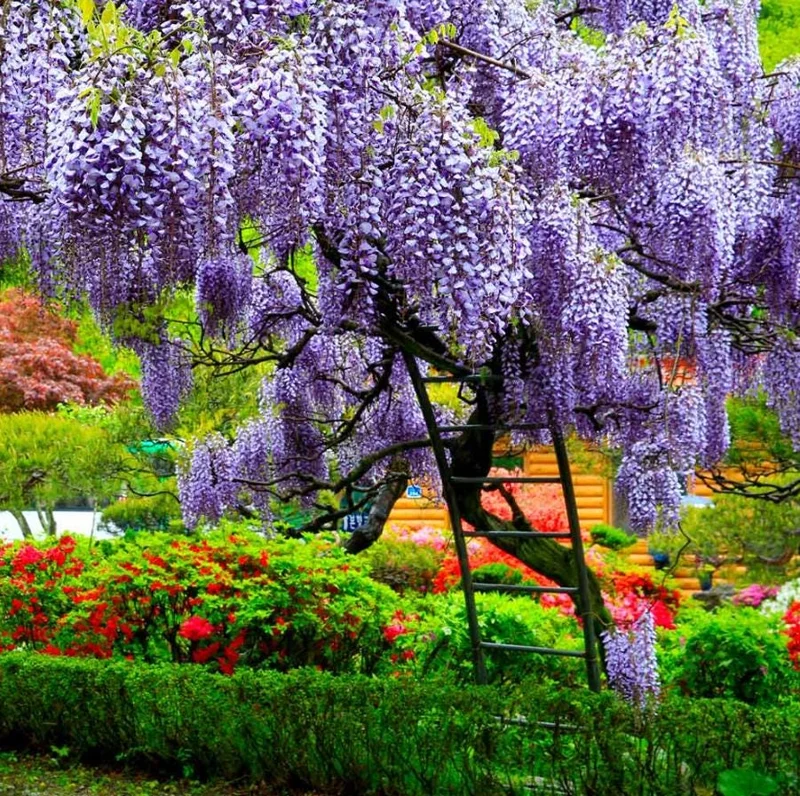
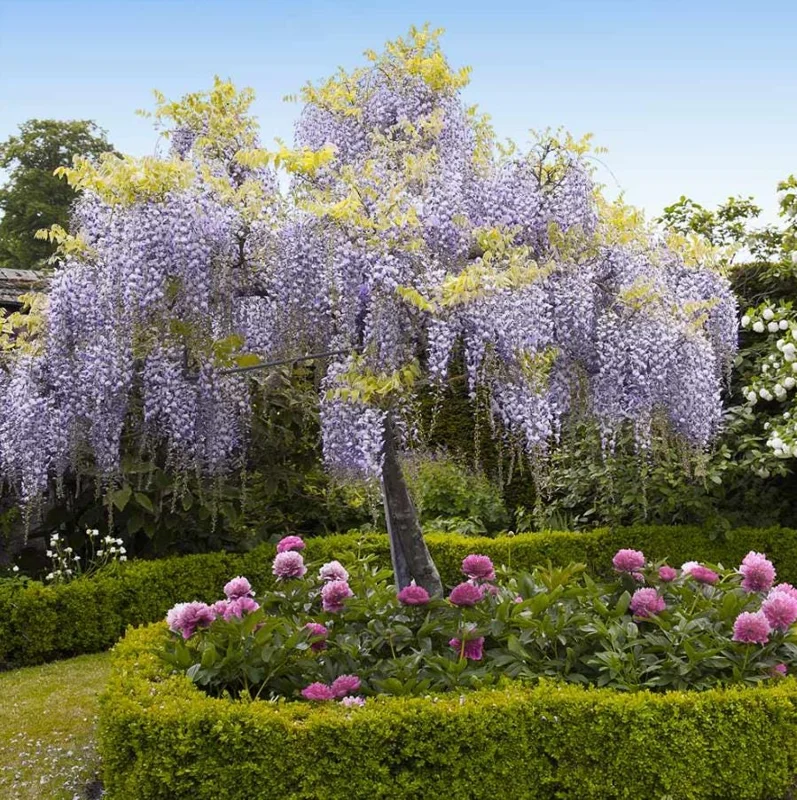
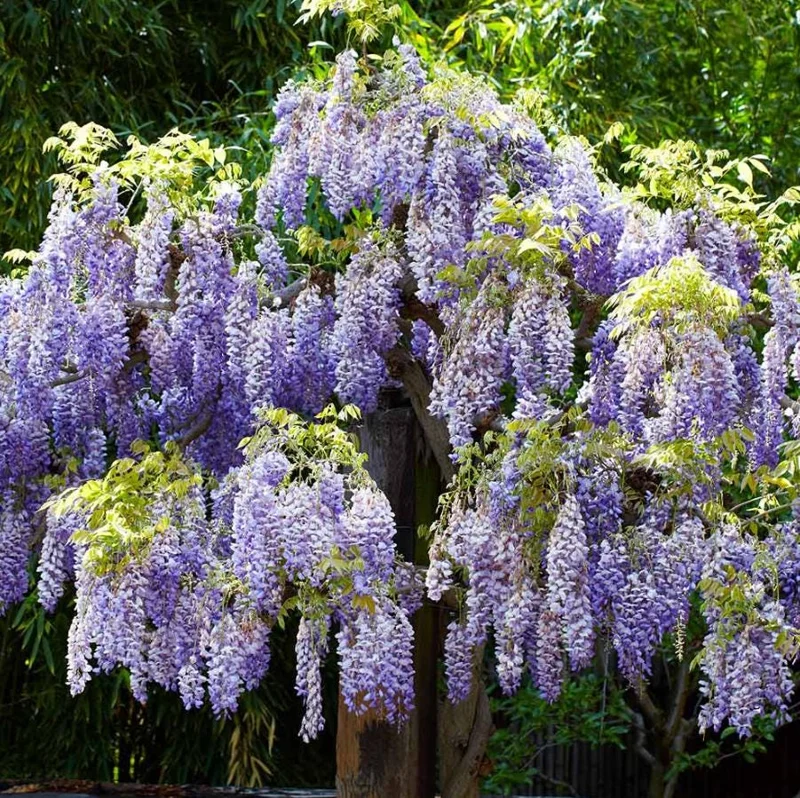
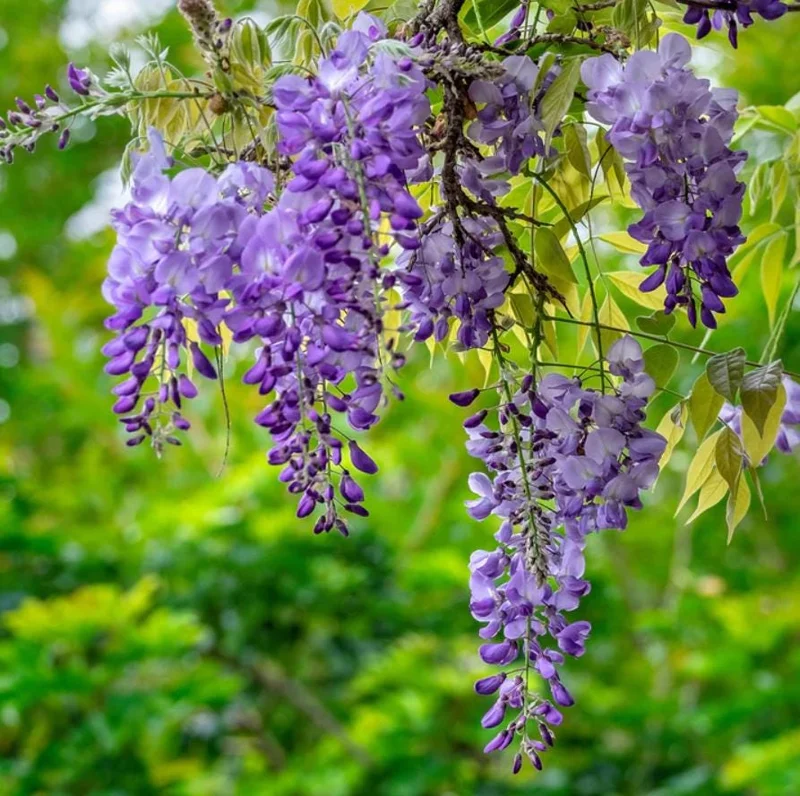
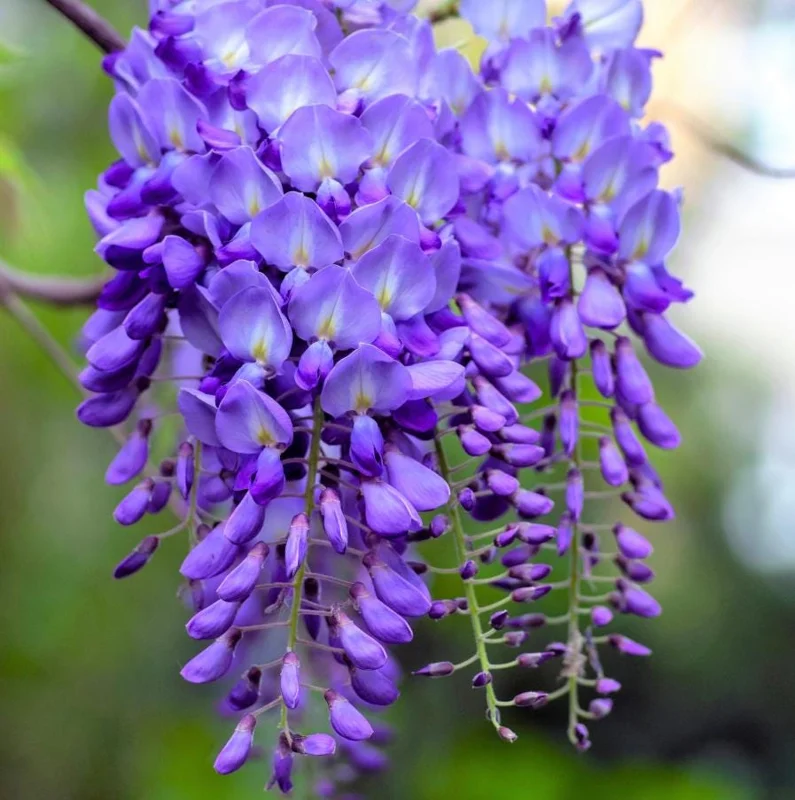
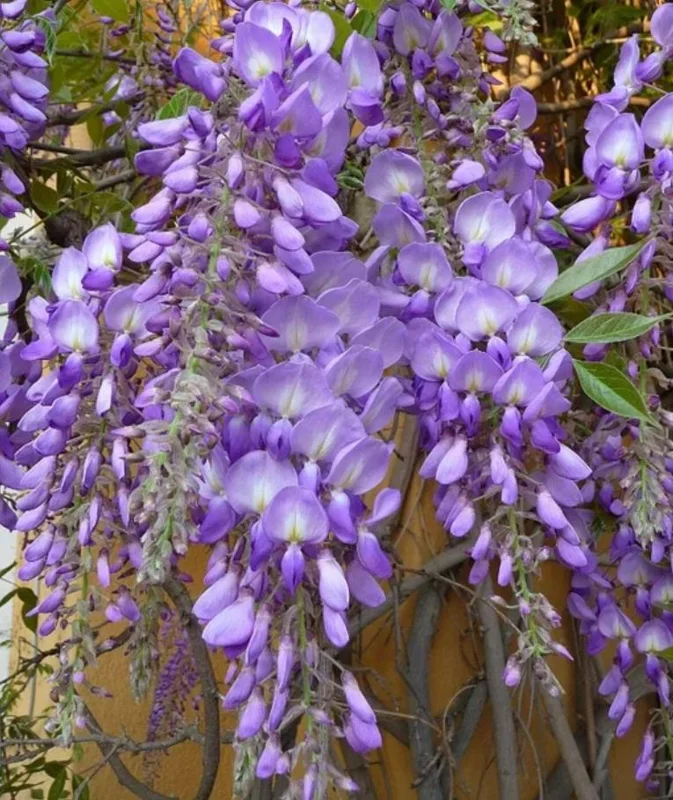
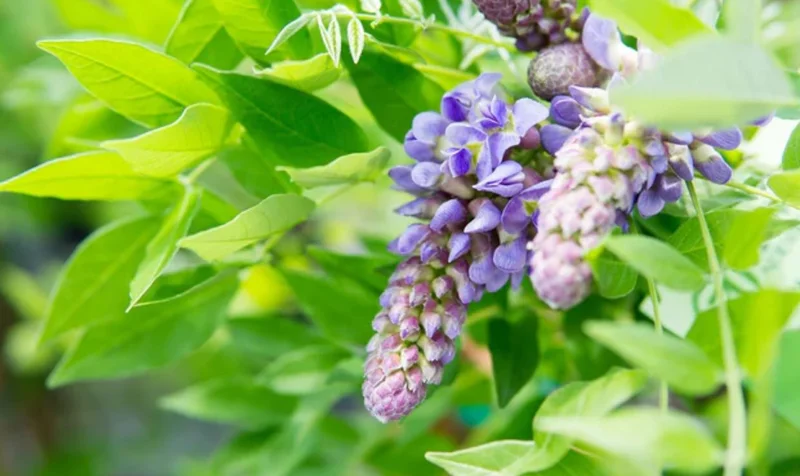
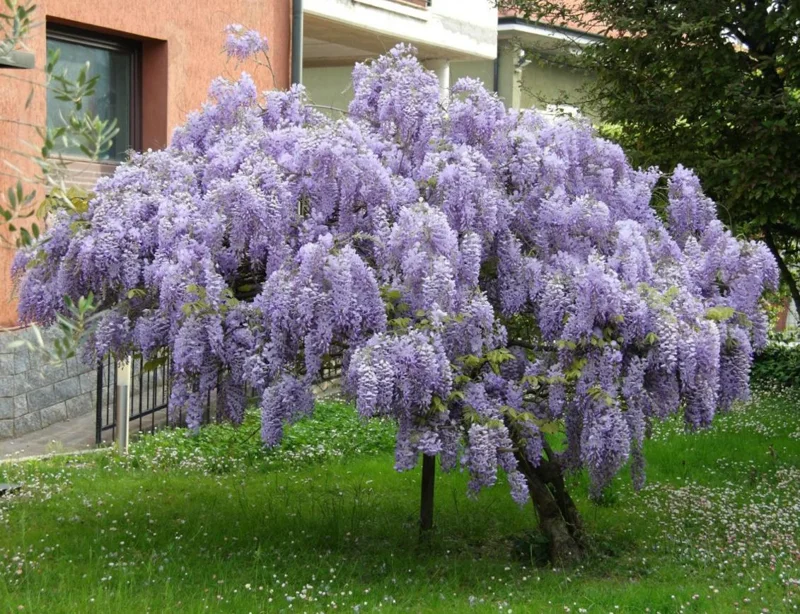
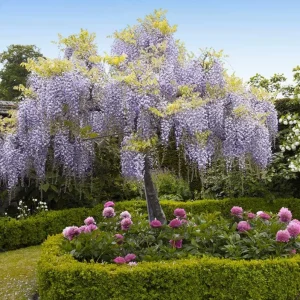
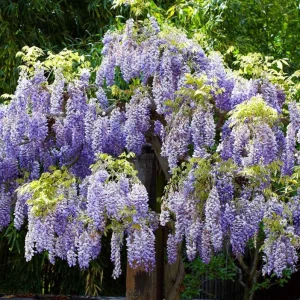
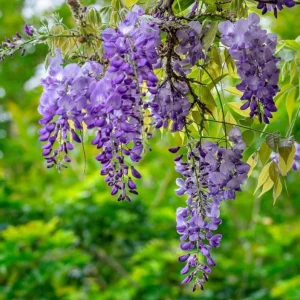
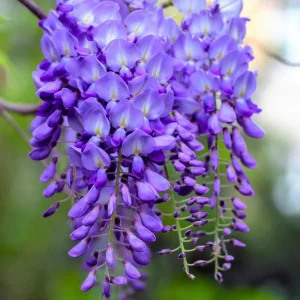
Bring cascading beauty to your garden with this purple wisteria vine. This fragrant wisteria live plant arrives in a 2.5″ pot, ready to grow into a spectacular climber for trellises, arbors, or pergolas. Known for its stunning purple blooms, it adds dramatic color and scent to any landscape.
Original price was: $33.98.$23.78Current price is: $23.78.

With our Alive & Thrive Guarantee, we’ve got your back for the first 30 days! If you have any concerns about your plants, just reach out to us. Our team is here to help answer your questions and guide you in selecting the best plants for your garden, climate, and unique preferences. We're excited to help you create the garden of your dreams!
Estimated arrival
Apr 01
Apr 06 - Apr 08
Apr 11 - Apr 15



Product Details
-
USDA Hardiness Zone
USDA Zones 4–9 -
Soil type
Moist, well-drained soil -
Sunlight Exposure
Full sun to partial shade -
Expected Planting Period
Spring to early summer
Overview
Introduce breathtaking beauty and captivating fragrance to your outdoor space with the magnificent purple wisteria vine. This fast-growing, deciduous live plant is renowned for its spectacular cascading clusters of fragrant purple flowers that adorn gardens from late spring to early summer. With its lush green foliage providing vibrant seasonal interest, this Wisteria variety is a true showstopper. Perfect for creating dramatic vertical displays, it quickly establishes itself as a focal point, transforming ordinary structures like trellises, pergolas, and fences into living works of art. Our purple wisteria vine is shipped as a healthy young plant in a 2.5-inch pot, typically measuring 6-12 inches tall, ready to thrive and bring years of enjoyment to your landscape.
Wisteria is a classic choice for gardeners seeking a plant with both visual appeal and a delightful aroma. This particular vine is not only beautiful but also a hardy wisteria, adaptable to a variety of conditions once established. Its vigorous growth habit means you won’t have to wait long to see its impressive floral display. Whether you’re an experienced gardener or just starting, growing a purple wisteria vine is a rewarding experience that adds a touch of elegance and romance to any setting.
Key Benefits
The purple wisteria vine offers a multitude of benefits that make it an exceptional addition to any garden or landscape project. Its unique attributes contribute to its popularity and enduring appeal:
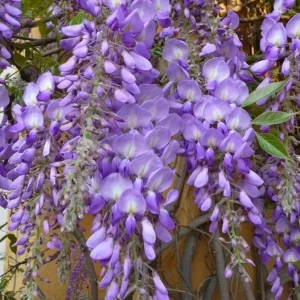
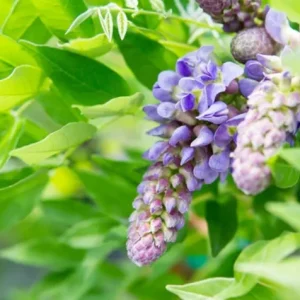
- Stunning Purple Blooms: Enjoy the breathtaking sight of long, cascading clusters of vibrant purple flowers. These blooms are not only visually striking but also emit a sweet, pervasive fragrance that can perfume an entire garden, making it a truly immersive sensory experience.
- Fast-Growing & Vigorous: This vine is known for its rapid growth, quickly filling in spaces and providing extensive coverage. It’s an excellent choice for gardeners looking to establish a mature vertical display in a relatively short period, ideal for creating privacy or shade.
- Adaptable & Hardy: The hardy wisteria thrives in a wide range of climates, specifically USDA Zones 4–9, and tolerates various soil conditions once established. This resilience makes it a reliable performer in many different garden settings across the US.
- Lush Seasonal Foliage: Beyond its flowers, the purple wisteria vine boasts attractive green leaves throughout the growing season, providing a beautiful backdrop. In the fall, the foliage often turns to appealing shades of yellow, adding another layer of seasonal interest to your garden.
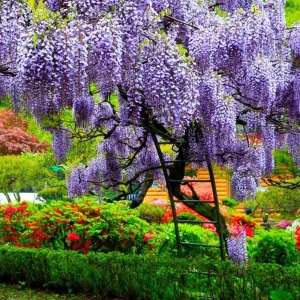
- Versatile Vertical Accent: Perfect for training on trellises, arbors, pergolas, fences, or even as a standalone specimen with proper support. It’s an ideal plant for creating dramatic vertical elements, adding height, texture, and color to your outdoor design. Its ability to climb makes it an excellent choice for screening or accenting architectural features.
- Attracts Pollinators: The fragrant flowers are a magnet for bees, butterflies, and other beneficial pollinators, contributing to the biodiversity and health of your garden ecosystem.
- Low Maintenance (Once Established): While some initial training and pruning are beneficial, once established, wisteria plant care is relatively straightforward, requiring routine watering and occasional pruning to maintain desired shape and size.
Plant Care & Growing Tips
Proper wisteria plant care ensures a healthy and floriferous vine. The purple wisteria vine is a robust plant, but understanding its specific needs will help it flourish. For optimal blooms and vigorous growth, select a site that receives full sun to partial shade. Full sun (at least 6 hours of direct sunlight daily) is generally preferred for the most abundant flowering. While it tolerates partial shade, too much shade can result in fewer flowers. Ensure the chosen location has well-drained soil, as wisteria does not like consistently wet feet. A slightly acidic to neutral soil pH (6.0–7.5) is ideal, but the plant is adaptable to a range of soil types once established.
Water young purple wisteria vine plants regularly to keep the soil consistently moist, especially during dry spells and in their first growing season. Once established, wisteria becomes more drought-tolerant, but deep watering during extended dry periods will benefit flowering. Fertilize sparingly; wisteria can be prone to producing more foliage than flowers if over-fertilized with high-nitrogen fertilizers. Use a balanced slow-release fertilizer in early spring, or one with a higher phosphorus content to encourage blooms. Pruning is crucial for controlling the size and shape of your wisteria for trellis or other structures, and it also encourages more prolific flowering. Prune twice a year: once in late winter/early spring to shape the plant and remove dead or crossing branches, and again in summer after flowering to trim back new growth and encourage spur formation for the next year’s blooms. Provide a strong support structure from the start, as wisteria can become very heavy and robust.
This hardy wisteria is resilient in USDA Zones 4–9. In colder zones, protect the base of the plant with mulch during winter. In warmer zones, ensure adequate water during hot, dry periods. Common problems include powdery mildew, which can be mitigated with good air circulation, and aphids, which can be treated with insecticidal soap. With consistent care, your fragrant wisteria will become a magnificent specimen in your garden.
Size & Details
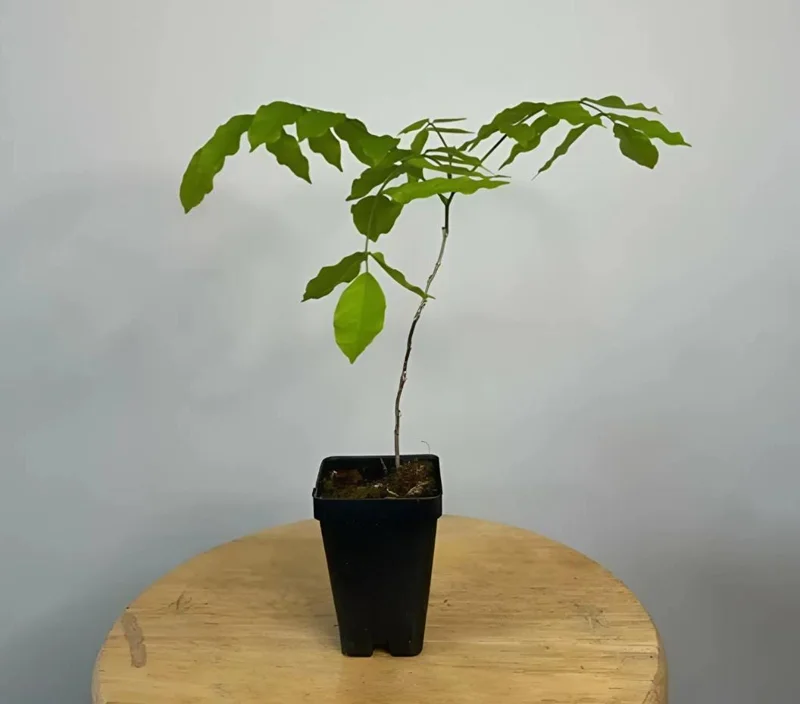
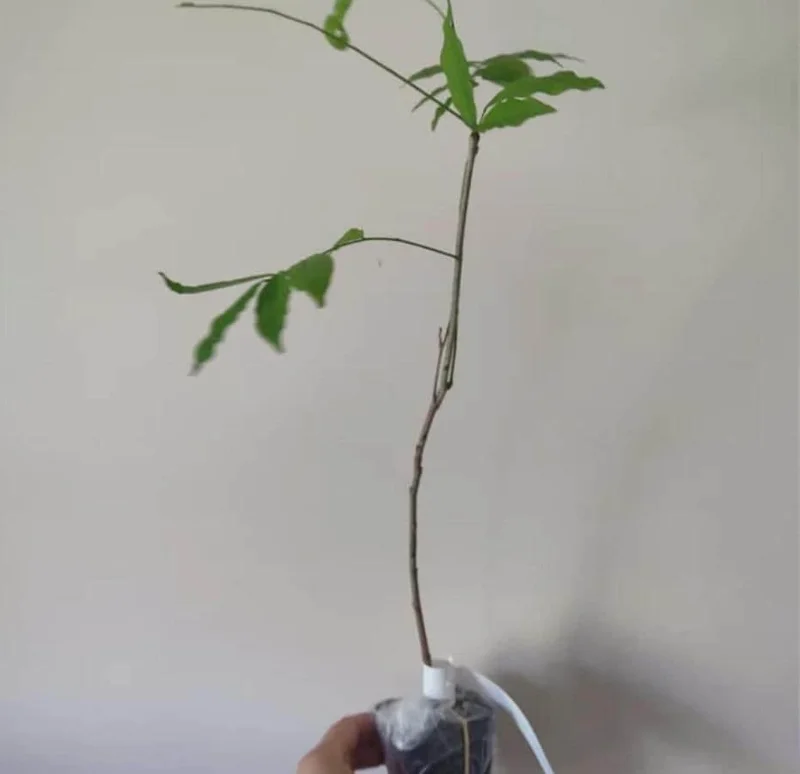
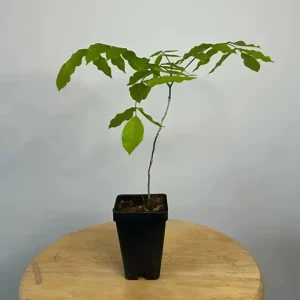
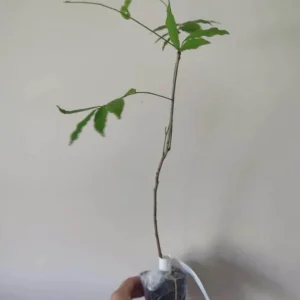
This purple wisteria vine is shipped as a live plant in a 2.5-inch nursery pot. At the time of shipping, the plant typically measures approximately 6–12 inches tall, providing a healthy young specimen ready for planting. Wisteria is a deciduous vine, meaning it will lose its leaves in the fall and winter, and plants shipped during these seasons may arrive dormant and leafless, which is completely normal. Its mature use is incredibly versatile, perfect for adorning trellises, pergolas, fences, or arbors, and it can even be grown in large containers with proper support and root management. The plant exhibits a fast growth rate, quickly developing into a substantial climber.
The mature spread of a purple wisteria vine can be quite extensive, often reaching 20-30 feet or more in length with a similar spread if allowed to grow unchecked. The beautiful purple flowers are fragrant and bloom from late spring to early summer, creating a stunning visual and aromatic display. This hardy wisteria thrives in moist, well-drained soil with a pH of 6.0–7.5 and prefers full sun to partial shade. With proper care and support, your wisteria will become a long-lived and cherished feature in your garden, providing spectacular blooms year after year.
Frequently Asked Questions
- Q: How big does this purple wisteria vine get? A: This wisteria is a vigorous climber that can reach lengths of 20-30 feet or more. Its mature spread can also be quite extensive, depending on how it is supported and pruned.
- Q: What size pot does it come in? A: The purple wisteria vine is shipped as a live plant in a 2.5-inch nursery pot, with the plant itself typically measuring 6-12 inches tall at the time of shipping.
- Q: Is this an indoor or outdoor plant? A: This hardy wisteria is primarily an outdoor plant, ideal for gardens, trellises, pergolas, and other outdoor structures. It requires significant space and sunlight to thrive.
- Q: How much sunlight does it need? A: For the best flowering, the purple wisteria vine prefers full sun, meaning at least 6 hours of direct sunlight per day. It can tolerate partial shade but may produce fewer blooms.
- Q: Is this plant easy to care for? A: While wisteria is vigorous, wisteria plant care involves regular pruning to manage its size, shape, and encourage flowering. Once established, it is relatively low-maintenance but benefits from consistent attention to pruning and watering during dry spells.
- Q: What condition will it arrive in? A: Your purple wisteria vine will arrive as a healthy, live plant in a 2.5-inch pot. If purchased in winter, it may arrive dormant and leafless, which is normal for deciduous plants and not a cause for concern as it will leaf out in spring.
- Q: How long until it blooms? A: Wisteria can take a few years to establish and start blooming profusely, typically 3-5 years from planting. Proper pruning can help encourage earlier and more abundant flowering.
- Q: What’s the best way to support a wisteria for trellis? A: Wisteria requires a very strong and sturdy support structure, as its woody stems can become quite heavy. Ensure your trellis, arbor, or pergola is robust enough to handle the mature weight of the vine.
- Q: Will it survive winter in my zone? A: This hardy wisteria is suitable for USDA Zones 4–9. If you are within these zones, it should survive winter outdoors. In colder parts of its range, mulching around the base can provide extra protection.
- Q: Does this wisteria have a good fragrance? A: Yes, this fragrant wisteria is highly prized for its sweet, intoxicating scent, which is most noticeable when the flowers are in full bloom during late spring and early summer.
Related products
-60%
Original price was: $28.47.$11.49Current price is: $11.49.
-30%
Original price was: $39.99.$27.99Current price is: $27.99.
-67%
Original price was: $59.97.$19.99Current price is: $19.99.
-67%
Original price was: $50.97.$16.99Current price is: $16.99.
-67%
Original price was: $50.97.$16.99Current price is: $16.99.
-10%
Original price was: $19.99.$17.99Current price is: $17.99.
-67%
Original price was: $28.47.$9.49Current price is: $9.49.
PLANTING & CARE

Growing Glencoe Raspberry: A Complete Guide for Gardeners
If you’re looking to add something unique to your garden, look no further than the
31
Mar
Mar

The Comprehensive Guide to Growing Bay Leaf Plants for a Flavorful Garden
Imagine stepping into your garden, greeted by the earthy aroma of fresh bay leaves, their
09
Feb
Feb

How to Make Comfrey Tea: The Ultimate Organic Plant Food
Growing an organic garden can be surprisingly expensive, especially when most store-bought fertilizers come in
02
Feb
Feb

True Comfrey: 7 Essential Tips Before You Plant This Herb
A staple in permaculture practices across the US, True Comfrey easily earns its reputation as
27
Jan
Jan

7 Heart-Shaped Plants for a Lasting Valentine’s Gift
If you’ve ever bought a bouquet of roses for Valentine’s Day, you know they are
26
Jan
Jan

Best Types of Ivy Plant for Houses: How to Choose the Perfect Ones for Your Home
Are you a garden lover looking to introduce some greenery into your home? Maybe you’ve
14
Nov
Nov

When to Harvest Garlic (Especially Fall-Planted Garlic)
TIMING IS EVERYTHING, they say – and for garlic, that truth hits with surprising accuracy.
13
Nov
Nov

11 of the Best Sweet Potato Varieties to Grow for Your Garden
If you’ve ever tried growing sweet potatoes, you know that picking the right variety can
12
Nov
Nov