Blackhaw Viburnum Live Plant – 6-12″ Tall Seedling – 4″ Pot – Outdoor Shrub
-30%
Blackhaw Viburnum Live Plant – 6-12″ Tall Seedling – 4″ Pot – Outdoor Shrub
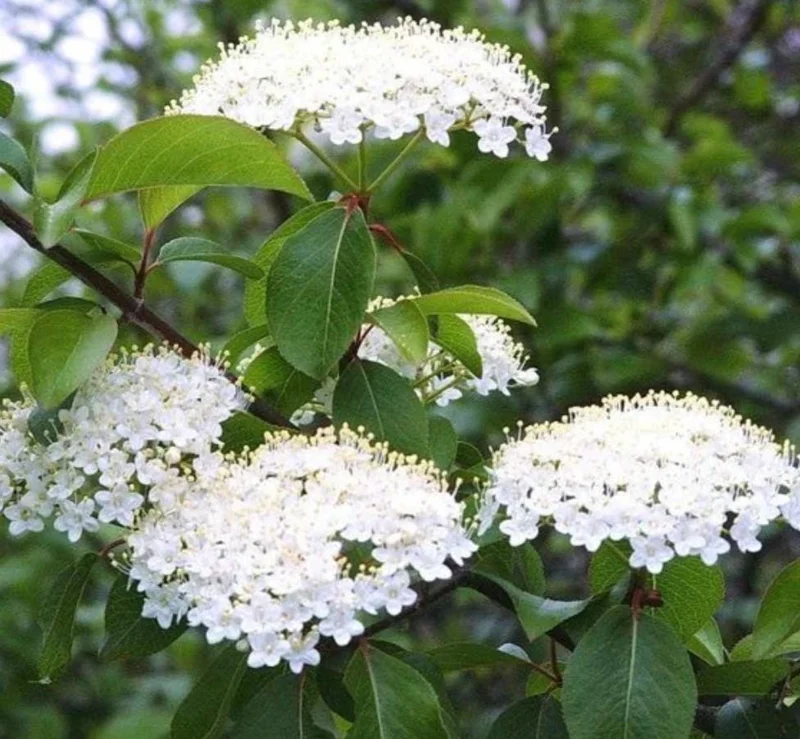
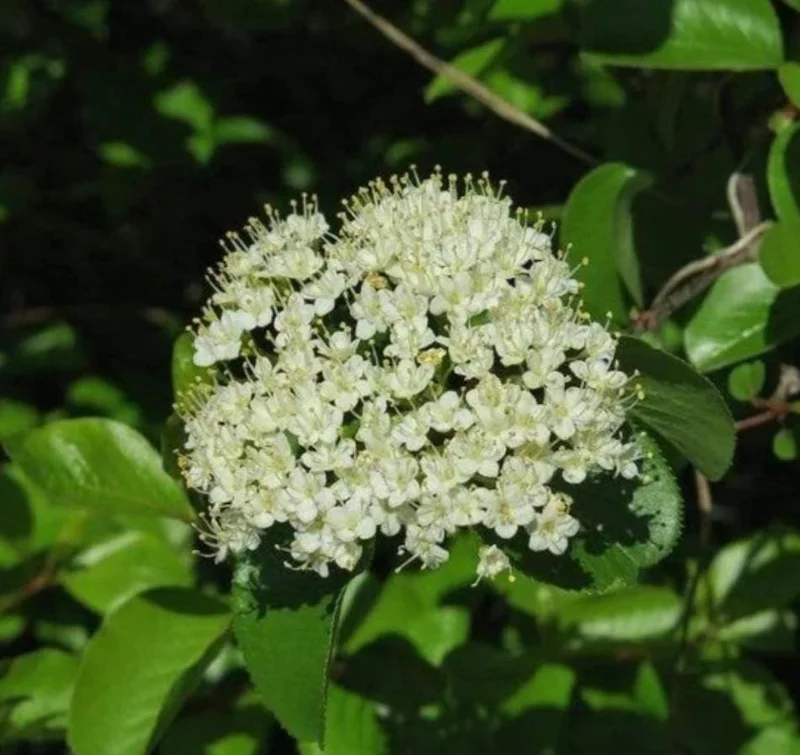
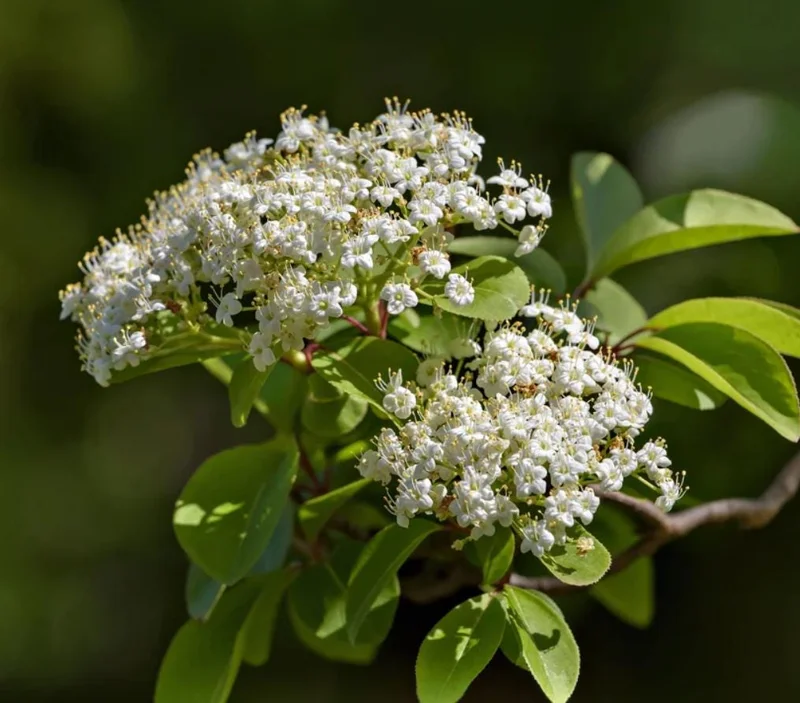
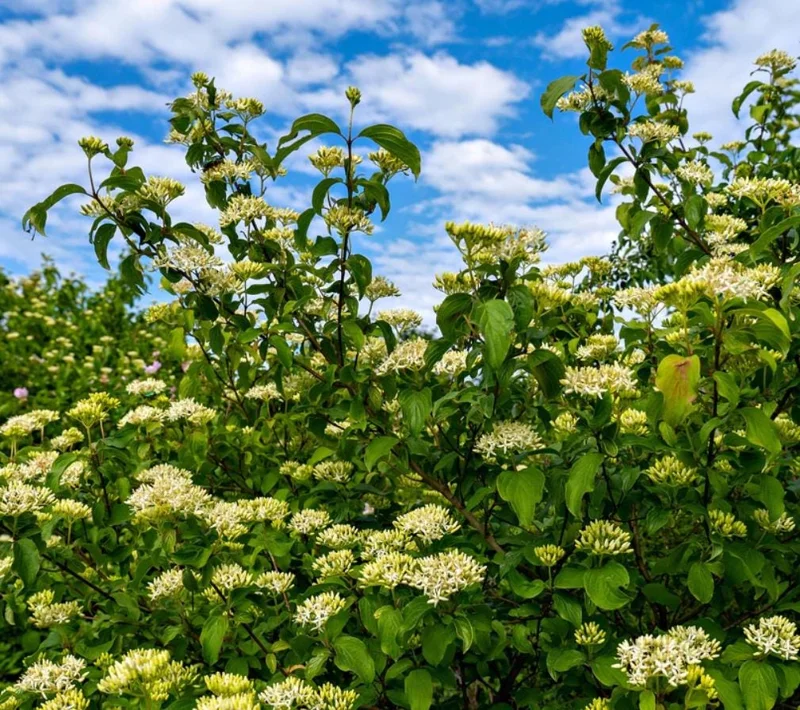
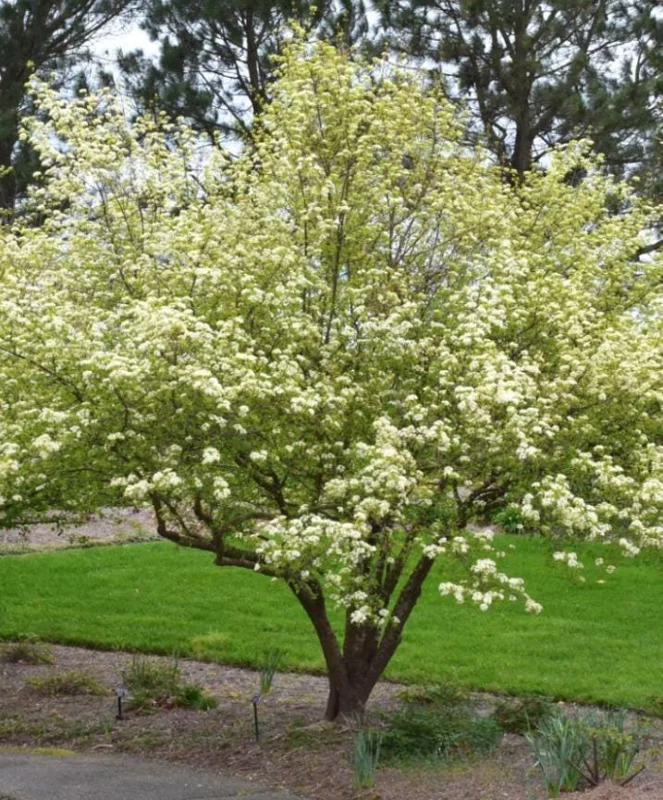
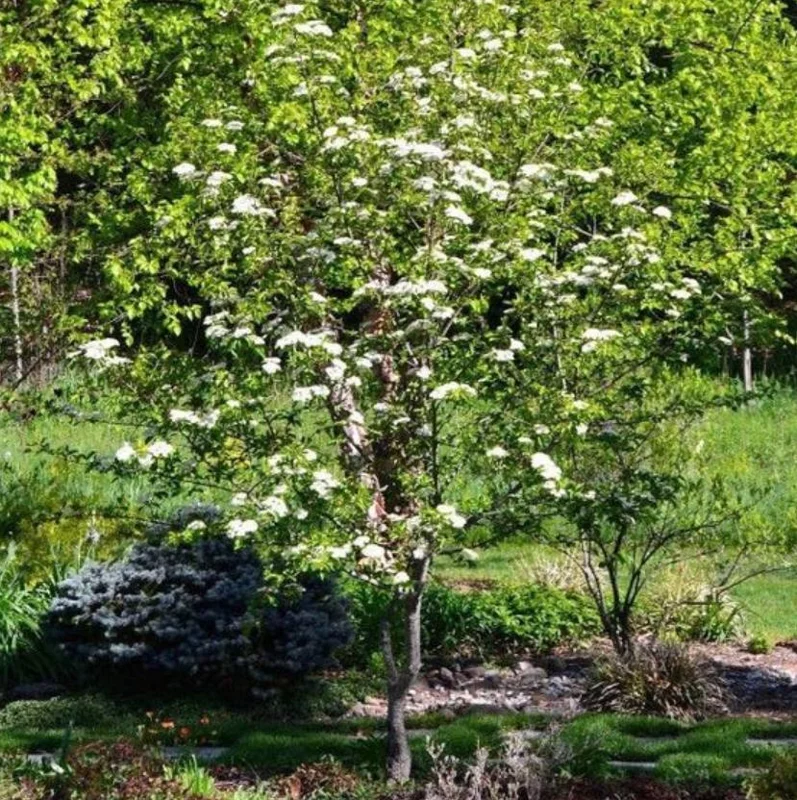
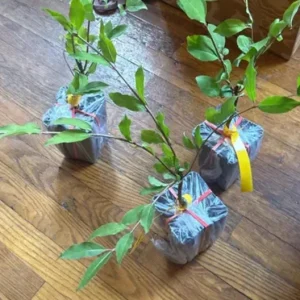
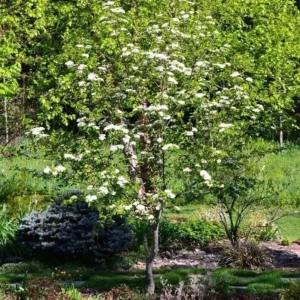
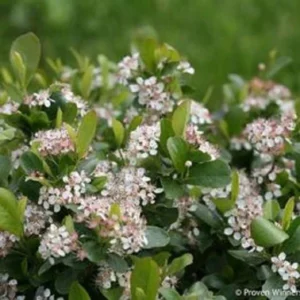
Cultivate a beautiful, bird-friendly landscape with the Blackhaw Viburnum live plant. This Viburnum prunifolium shrub is a 6-12″ tall seedling in a 4″ pot, perfect for hedges or as a specimen plant. Enjoy white spring flowers, yellow to blue-black berries, and stunning red/purple fall foliage.
Original price was: $33.98.$23.78Current price is: $23.78.

With our Alive & Thrive Guarantee, we’ve got your back for the first 30 days! If you have any concerns about your plants, just reach out to us. Our team is here to help answer your questions and guide you in selecting the best plants for your garden, climate, and unique preferences. We're excited to help you create the garden of your dreams!
Estimated arrival
Mar 31
Apr 05 - Apr 07
Apr 10 - Apr 14
Product Details
-
USDA Hardiness Zone
3–9 -
Soil type
Well-drained soil, adaptable to average soil conditions -
Sunlight Exposure
Full sun to partial shade -
Expected Planting Period
Spring to early summer
Overview
Introduce the timeless elegance of the Blackhaw Viburnum live plant to your garden. This beautiful deciduous shrub, scientifically known as Viburnum prunifolium shrub, arrives as a healthy 6-12″ tall seedling in a 4″ pot, ready to thrive in your outdoor space. Known for its rounded, upright growth habit, the Blackhaw Viburnum is an exceptional choice for creating natural privacy screens, tall hedges, or as a striking specimen plant. Its seasonal transformation offers year-round interest, from delicate white flowers in spring to vibrant foliage and attractive berries in fall and winter. This resilient plant is a fantastic addition for gardeners seeking both aesthetic appeal and ecological benefits.
The Blackhaw Viburnum live plant is highly valued for its adaptability and hardiness across a wide range of climates. It provides a reliable source of food for local wildlife, particularly birds, which are drawn to its ripening berries. This low-maintenance shrub is an ideal solution for enhancing biodiversity in your backyard while providing a stunning visual display. Whether you’re a seasoned gardener or just starting, the Blackhaw Viburnum offers a rewarding planting experience with enduring beauty.
Key Benefits
The Blackhaw Viburnum live plant brings a multitude of advantages to any garden, making it a highly desirable choice for various landscaping needs:
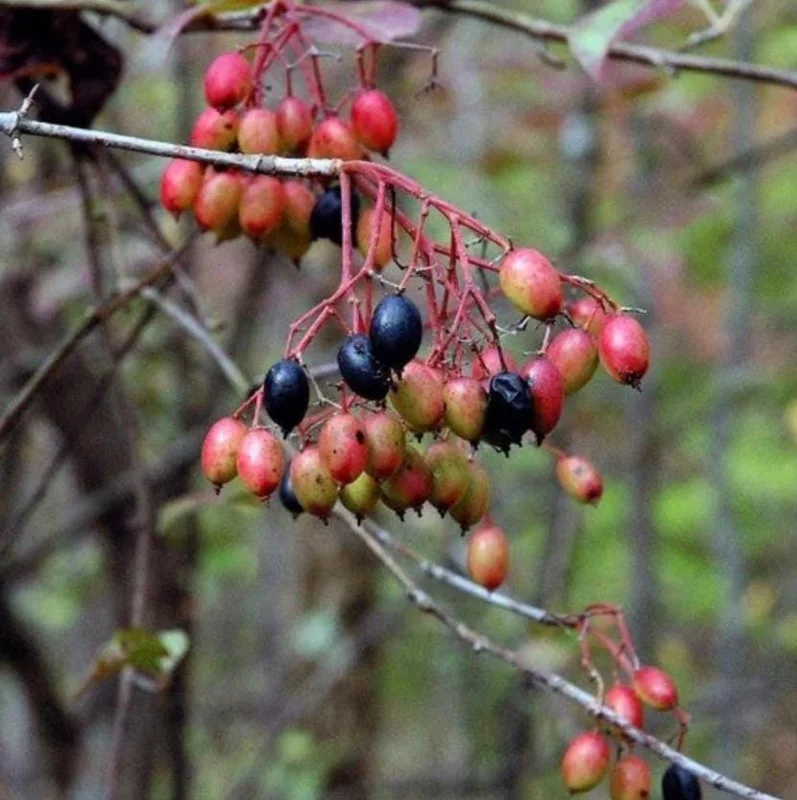
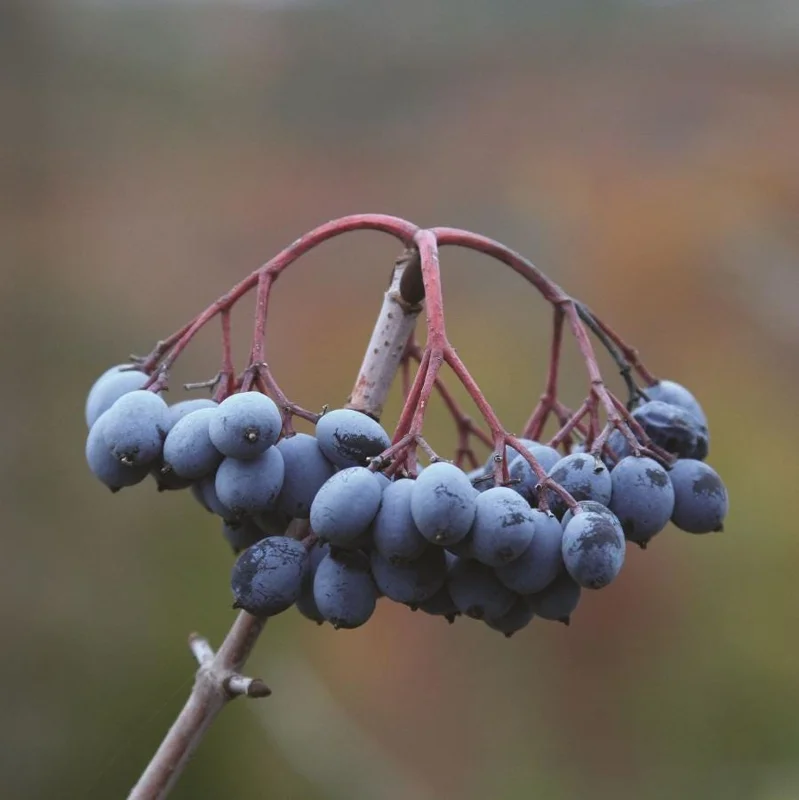
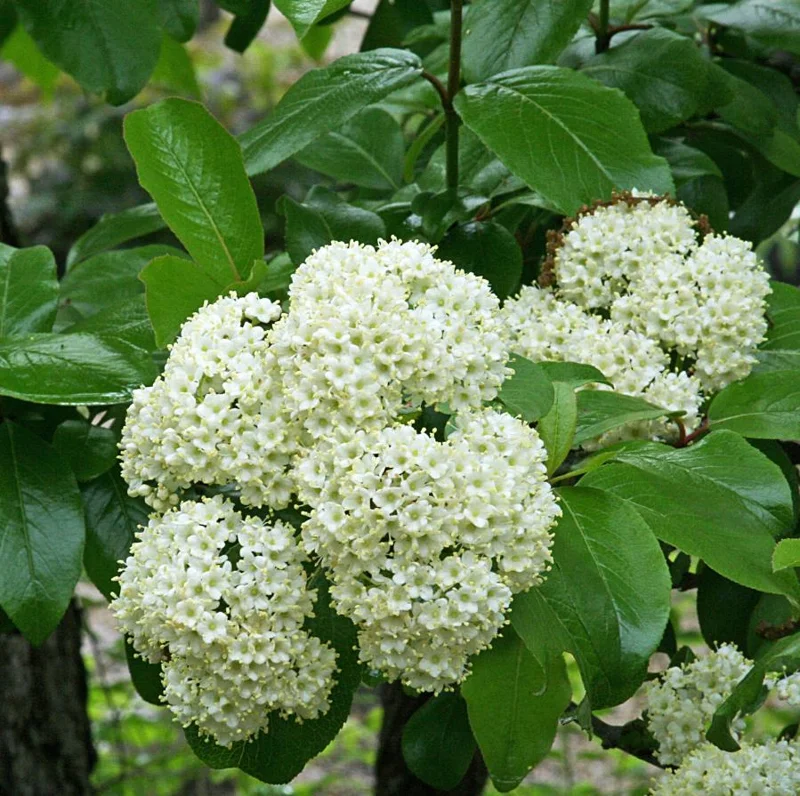
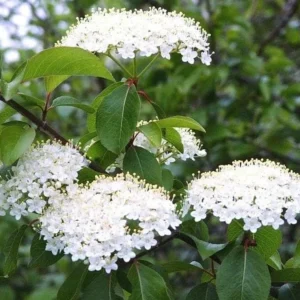
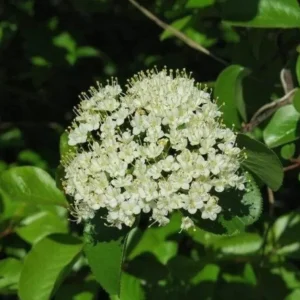
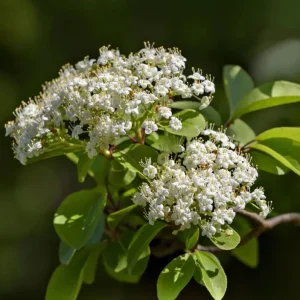
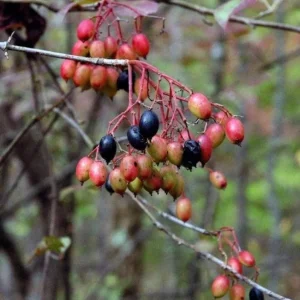
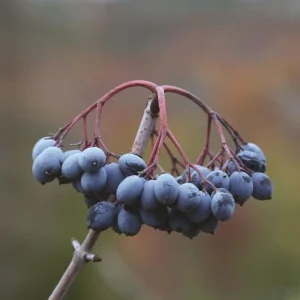
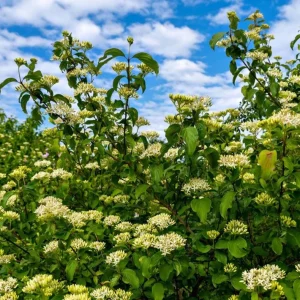
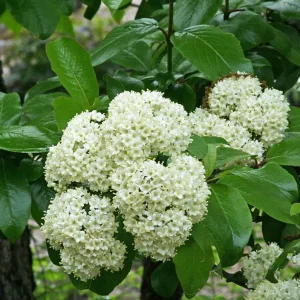
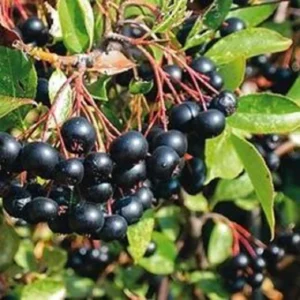
- Attractive Seasonal Interest: Enjoy showy flat clusters of white flowers in spring, followed by vibrant berries that transition from yellow to a dark blue-black, and finally, rich red to purple fall foliage. This ensures your garden remains captivating throughout the seasons.
- Wildlife Attraction: The berries produced by the Viburnum prunifolium shrub are a favorite food source for many bird species, helping to support local wildlife and bring activity to your garden.
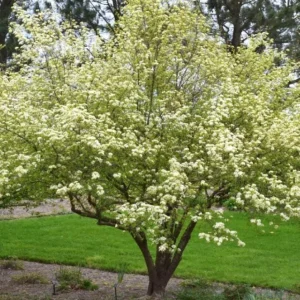
- Versatile Landscaping Use: With its rounded, upright growth habit, it’s perfect for creating dense privacy screens, effective windbreaks, or as a beautiful standalone specimen plant. It can grow up to 12-15 feet tall with a spread of about 5 feet.
- Hardy and Adaptable: This resilient shrub thrives across USDA Hardiness Zones 3–9, tolerating a range of soil conditions and sunlight exposures from full sun to partial shade, making Blackhaw Viburnum care relatively straightforward.
- Self-Fertile Flowers: The white flower clusters contain both male and female parts, meaning a single plant can produce berries. For optimal fruit production, planting two or three shrubs together is recommended, enhancing the yield of these bird-attracting berries.
- Low Maintenance: Once established, the Blackhaw Viburnum requires minimal care, making it an excellent choice for gardeners looking for a beautiful yet easy-to-manage plant.
- Drought Tolerance: While it prefers moderate moisture, it can tolerate short periods of drought once established, adding to its hardiness.
Plant Care & Growing Tips
Caring for your Blackhaw Viburnum live plant is relatively simple, ensuring a healthy and vibrant addition to your landscape. This deciduous shrub thrives best when planted in a location that receives full sun to partial shade. Full sun encourages the most abundant flowering and fruit production, while partial shade is also well-tolerated, particularly in hotter climates. Ensure the planting site has well-drained soil; while adaptable to average soil conditions, it does not do well in consistently waterlogged environments. Incorporating organic matter into the soil during planting can help improve drainage and fertility.
Moderate watering is key for the Viburnum prunifolium shrub, especially during its establishment period and dry spells. Aim to keep the soil consistently moist but not soggy. Once established, it becomes more tolerant of varying moisture levels. Applying a layer of mulch around the base of the plant will help retain soil moisture, regulate soil temperature, and suppress weeds. Fertilization is generally not heavily required; a balanced, slow-release fertilizer in early spring can support vigorous growth. Pruning should be done lightly after flowering, primarily to shape the plant or remove any dead or diseased branches. Avoid heavy pruning, which can reduce the following season’s bloom and berry production. The Blackhaw Viburnum care routine is designed for ease and sustained beauty.
This deciduous shrub for birds is quite hardy and generally pest and disease resistant. Monitor for common issues like aphids or powdery mildew, though they are rarely severe. Ensure good air circulation to prevent fungal diseases. The plant is hardy in USDA Zones 3–9, meaning it can withstand a wide range of winter temperatures. Plants may arrive dormant during winter without leaves, which is a normal and healthy state, and they will leaf out beautifully with the return of warmer weather.
Size & Details
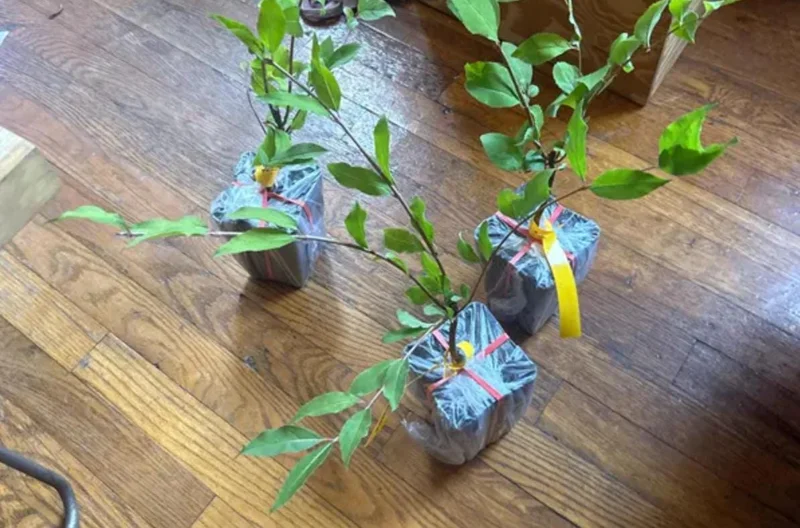
This offering includes one healthy Blackhaw Viburnum live plant, which is a seedling measuring 6–12 inches tall. It comes pre-potted in a 4-inch nursery pot, providing a strong root system for successful transplanting into your garden. The Blackhaw Viburnum (Viburnum prunifolium shrub) is known for its moderate growth rate, typically reaching a mature height of 12–15 feet with a spread of approximately 5 feet. Its multi-stemmed growth habit contributes to its dense, rounded form, making it an excellent choice for creating natural screens and hedges. The plant will establish quickly and begin to show its full ornamental value within a few seasons.
The plant will ship as a live seedling, ready for planting. While it is self-fertile, planting multiple specimens can significantly enhance fruit production, providing more attractive berries for birds. Expect the first white flower clusters to appear in spring, followed by berries that ripen from yellow to blue-black throughout the summer and fall. The dark green, finely toothed foliage provides a lush backdrop, transforming into striking shades of red and purple in autumn, adding a beautiful display of fall color before the leaves drop for winter.
Frequently Asked Questions
- Q: How big does this plant get? A: The Blackhaw Viburnum live plant typically grows to a mature height of 12–15 feet with a spread of about 5 feet. Its upright, rounded form makes it substantial enough for privacy.
- Q: What size pot does it come in? A: This Blackhaw Viburnum is shipped as a seedling in a 4-inch nursery pot, perfectly sized for transplanting into your garden or a larger container.
- Q: Is this an indoor or outdoor plant? A: The Viburnum prunifolium shrub is an outdoor plant, ideal for landscaping, hedges, and specimen planting in garden settings.
- Q: How much sunlight does it need? A: It thrives in full sun to partial shade. For the best flowering and berry production, full sun is recommended, but it tolerates some afternoon shade, especially in warmer climates.
- Q: Is this plant easy to care for? A: Yes, Blackhaw Viburnum care is considered easy. It’s a hardy and adaptable shrub that requires moderate watering and well-drained soil, making it suitable for gardeners of various experience levels.
- Q: What condition will it arrive in? A: Your deciduous shrub for birds will arrive as a live, healthy seedling in its nursery pot, carefully packaged. During winter months, it may arrive dormant without leaves, which is normal and indicates a healthy plant.
- Q: How long until it blooms and produces berries? A: Depending on planting time and growing conditions, you can expect white flowers in spring and berries in late summer to fall, usually within the first few seasons after planting.
- Q: Will it survive winter in my zone? A: The Blackhaw Viburnum is hardy in USDA Zones 3–9, meaning it is well-suited to survive cold winters in a broad range of regions across the US.
- Q: Is it good for attracting birds? A: Absolutely! The blue-black berries of the Blackhaw Viburnum are highly attractive to various bird species, making it an excellent choice for a wildlife-friendly garden.
- Q: Do I need to plant more than one for berries? A: While the flowers are self-fertile, planting two or three privacy hedge plant shrubs together is recommended for the best possible fruit production.
Related products
-50%
Original price was: $59.98.$29.99Current price is: $29.99.
-10%
Original price was: $23.99.$21.59Current price is: $21.59.
-50%
Original price was: $55.98.$27.99Current price is: $27.99.
-43%
Original price was: $89.99.$50.99Current price is: $50.99.
-10%
Original price was: $23.99.$21.59Current price is: $21.59.
-20%
Original price was: $76.00.$60.80Current price is: $60.80.
PLANTING & CARE

Growing Glencoe Raspberry: A Complete Guide for Gardeners
If you’re looking to add something unique to your garden, look no further than the
31
Mar
Mar

The Comprehensive Guide to Growing Bay Leaf Plants for a Flavorful Garden
Imagine stepping into your garden, greeted by the earthy aroma of fresh bay leaves, their
09
Feb
Feb

How to Make Comfrey Tea: The Ultimate Organic Plant Food
Growing an organic garden can be surprisingly expensive, especially when most store-bought fertilizers come in
02
Feb
Feb

True Comfrey: 7 Essential Tips Before You Plant This Herb
A staple in permaculture practices across the US, True Comfrey easily earns its reputation as
27
Jan
Jan

7 Heart-Shaped Plants for a Lasting Valentine’s Gift
If you’ve ever bought a bouquet of roses for Valentine’s Day, you know they are
26
Jan
Jan

Best Types of Ivy Plant for Houses: How to Choose the Perfect Ones for Your Home
Are you a garden lover looking to introduce some greenery into your home? Maybe you’ve
14
Nov
Nov

When to Harvest Garlic (Especially Fall-Planted Garlic)
TIMING IS EVERYTHING, they say – and for garlic, that truth hits with surprising accuracy.
13
Nov
Nov

11 of the Best Sweet Potato Varieties to Grow for Your Garden
If you’ve ever tried growing sweet potatoes, you know that picking the right variety can
12
Nov
Nov