Blue Flowering Wisteria Live Plant – 2.5-inch Pot – Fragrant Climbing Vine for Garden & Patio
-30%
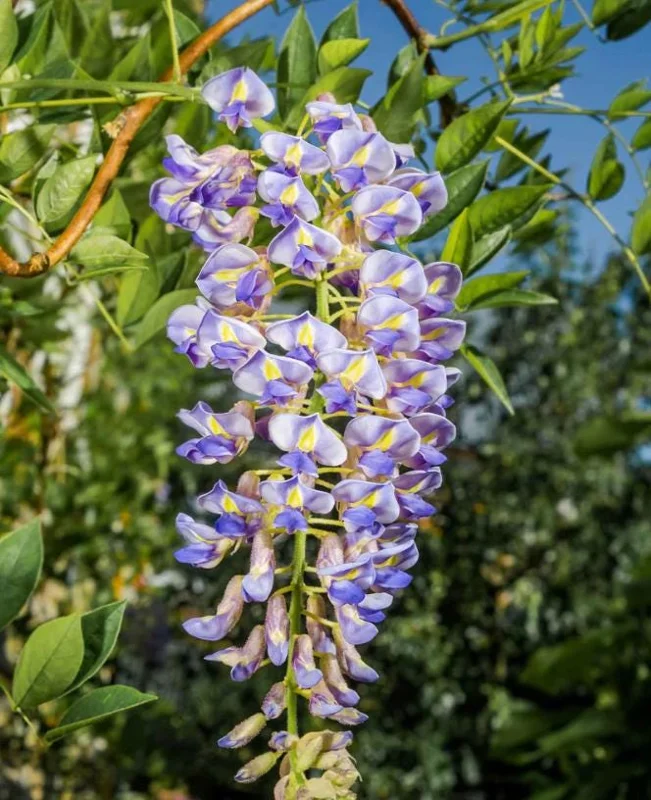
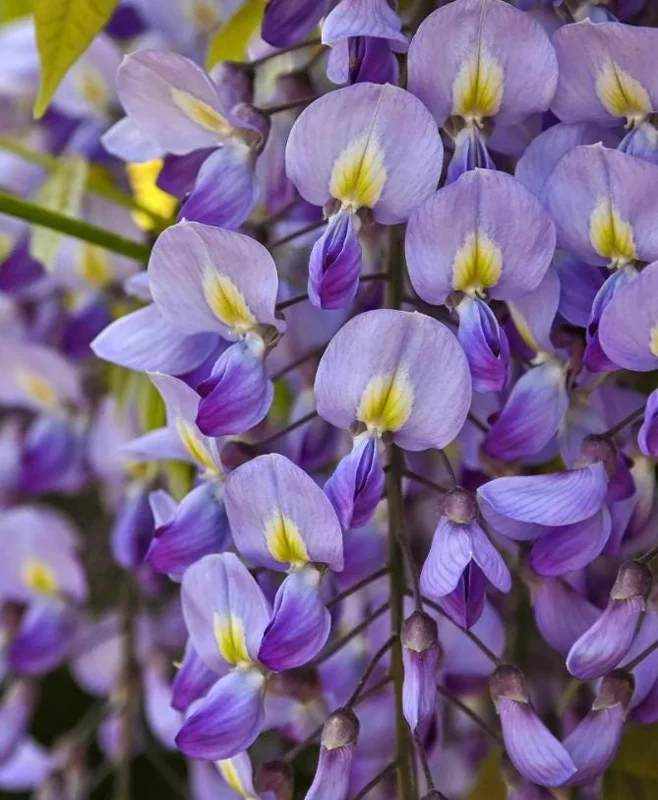
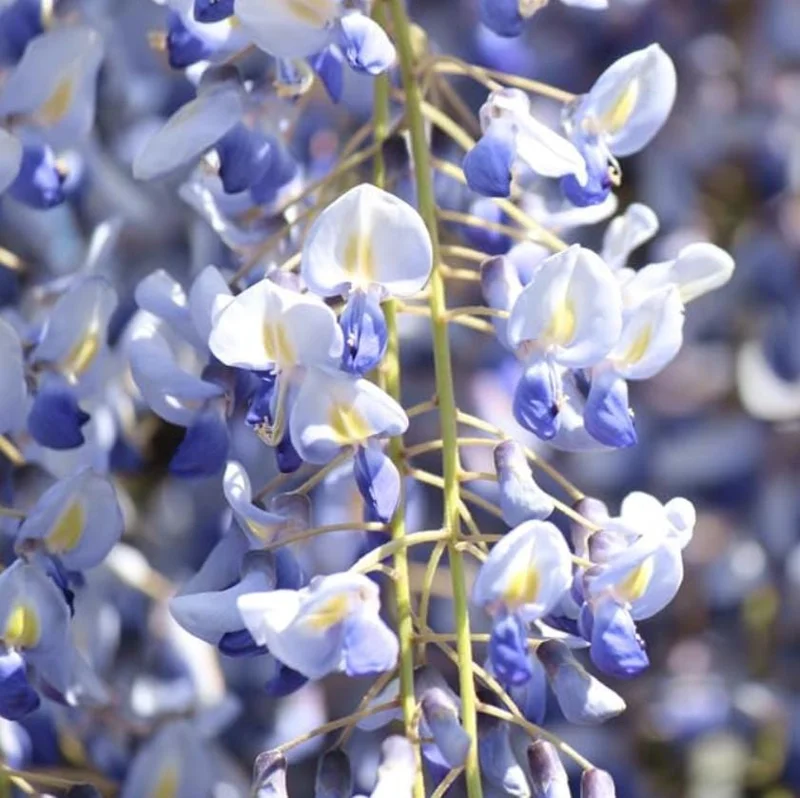
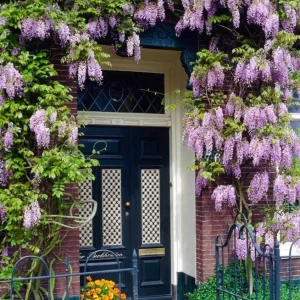
Blue Flowering Wisteria Live Plant – 2.5-inch Pot – Fragrant Climbing Vine for Garden & Patio
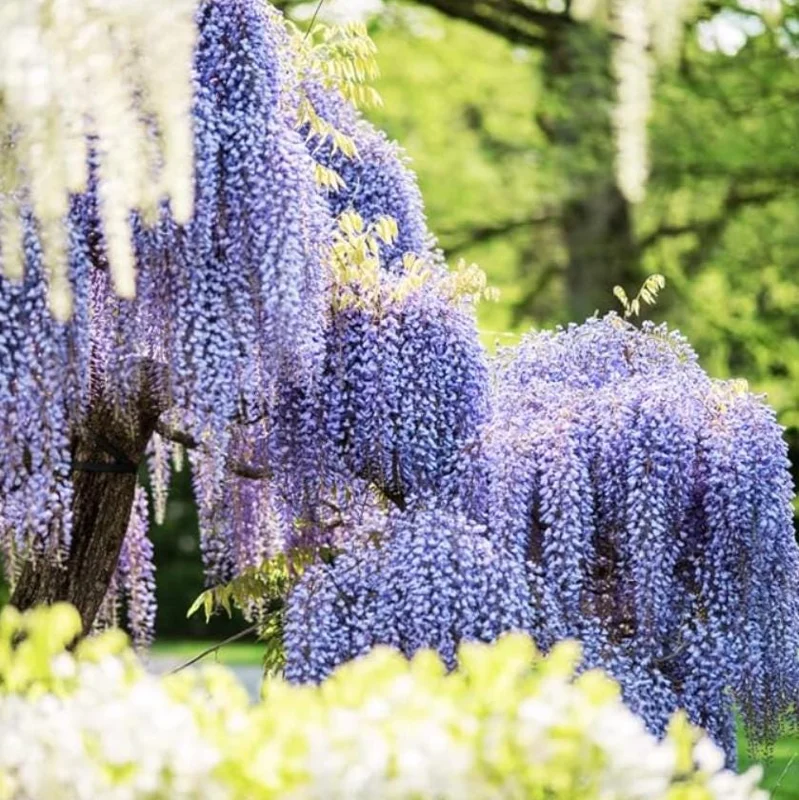
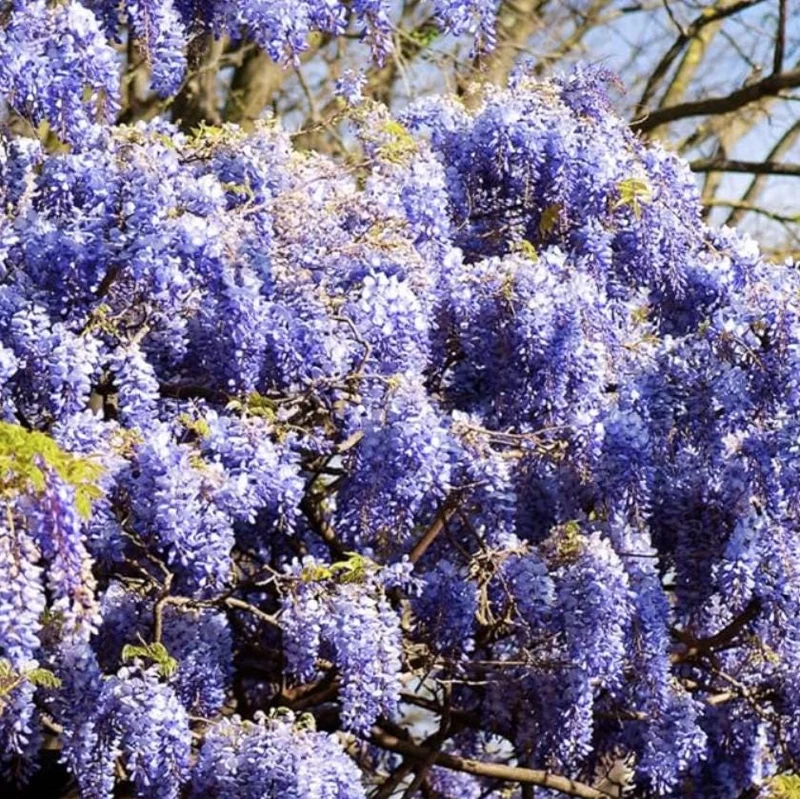
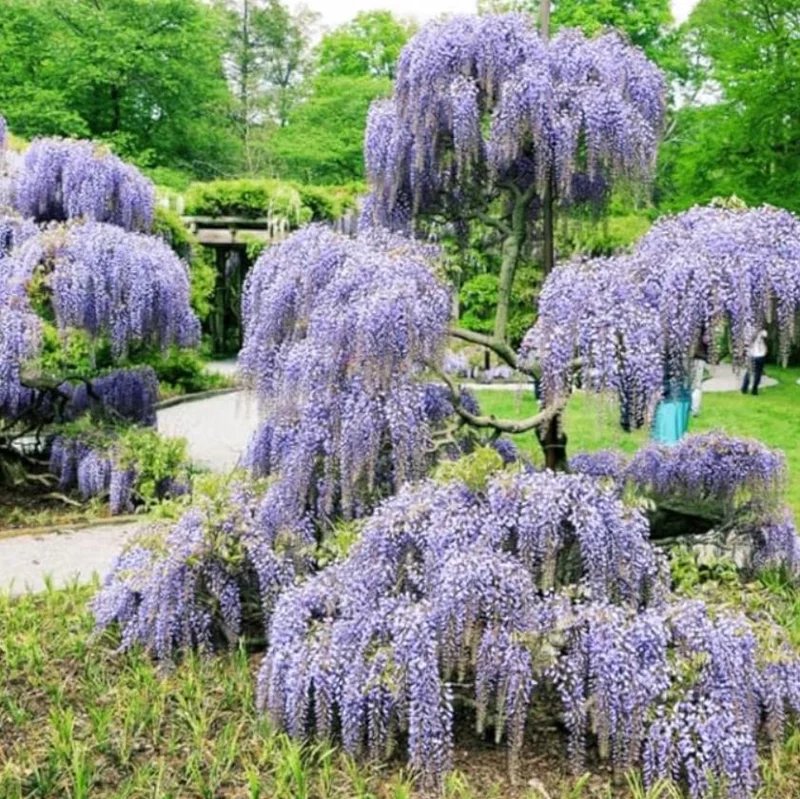
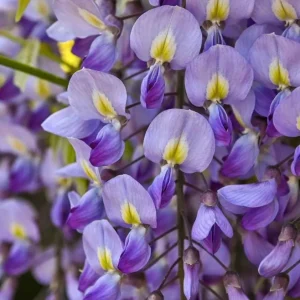
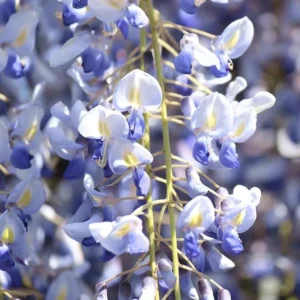
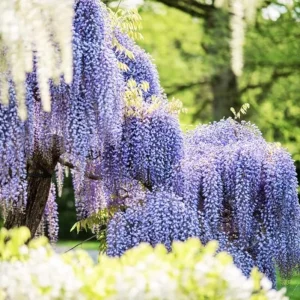
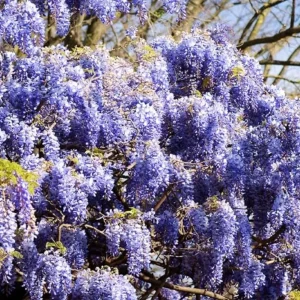
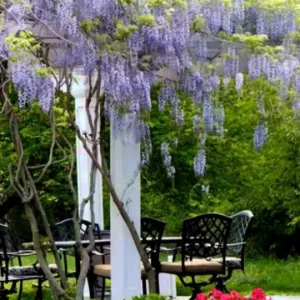
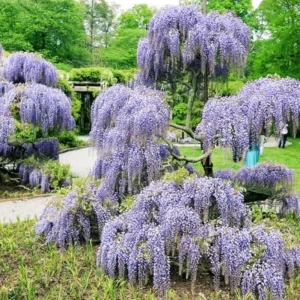
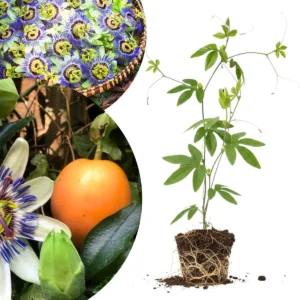
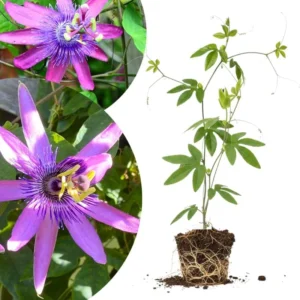
Add elegance and a delightful aroma to your outdoor space with this blue flowering wisteria live plant. Shipped in a 2.5-inch pot, this vigorous climbing vine produces beautiful, fragrant blue-purple flower clusters in spring. Perfect for trellises, fences, and pergolas, it thrives in full sun and well-drained soil, creating a breathtaking display.
Original price was: $39.98.$27.98Current price is: $27.98.

With our Alive & Thrive Guarantee, we’ve got your back for the first 30 days! If you have any concerns about your plants, just reach out to us. Our team is here to help answer your questions and guide you in selecting the best plants for your garden, climate, and unique preferences. We're excited to help you create the garden of your dreams!
Estimated arrival
Apr 01
Apr 06 - Apr 08
Apr 11 - Apr 15

Product Details
-
USDA Hardiness Zone
USDA zones 5-9 -
Soil type
Well-draining soil -
Sunlight Exposure
Full sun -
Expected Planting Period
Spring to fall
Overview
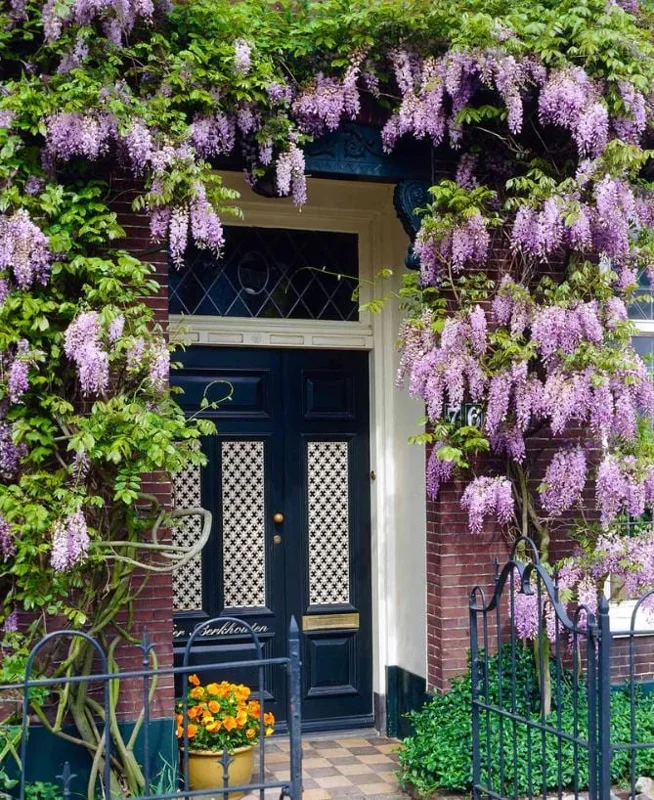
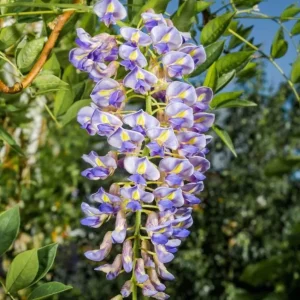
Introduce a touch of romance and vibrant color to your landscape with the exquisite blue flowering wisteria live plant. This deciduous climbing vine is celebrated for its vigorous growth and spectacular springtime display of long, drooping clusters of fragrant blue-purple flowers. Originating from East Asia or North America, depending on the specific species, Wisteria is a popular choice for gardeners looking to add vertical interest and a captivating scent to their outdoor spaces. This particular variety, known for its distinctive blue blooms, will transform your garden, patio, or entryway into a fragrant, visual masterpiece. Whether you’re envisioning a lush canopy over a pergola or a dramatic cascade down a wall, this fragrant climbing vine is an excellent addition to any garden design.
As a mature plant, Wisteria can become a substantial and long-lived specimen, providing beauty for decades. Its woody stems twist and turn, creating a beautiful architectural element even when not in bloom. The lush foliage provides excellent shade in summer, and the stunning flowers attract pollinators like bees and butterflies, contributing to a healthy garden ecosystem. When considering a wisteria outdoor plant, remember its potential for impressive growth and plan your placement accordingly to fully appreciate its grandeur.
Key Benefits
The blue flowering wisteria live plant offers a multitude of advantages for any gardener seeking to enhance their outdoor environment. Its captivating beauty and delightful fragrance are just the beginning of what this remarkable vine brings to your home:
- Stunning Floral Display: Produces abundant, long, cascading clusters of vibrant blue-purple flowers in spring, creating an unforgettable visual spectacle that is truly breathtaking.
- Enchanting Fragrance: The blooms release a sweet, intoxicating scent that can perfume an entire garden or patio area, making outdoor living spaces more enjoyable and inviting.
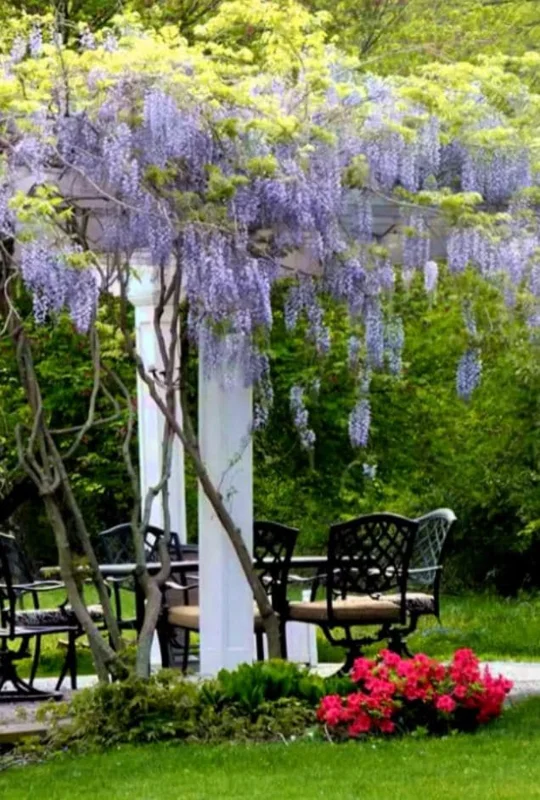
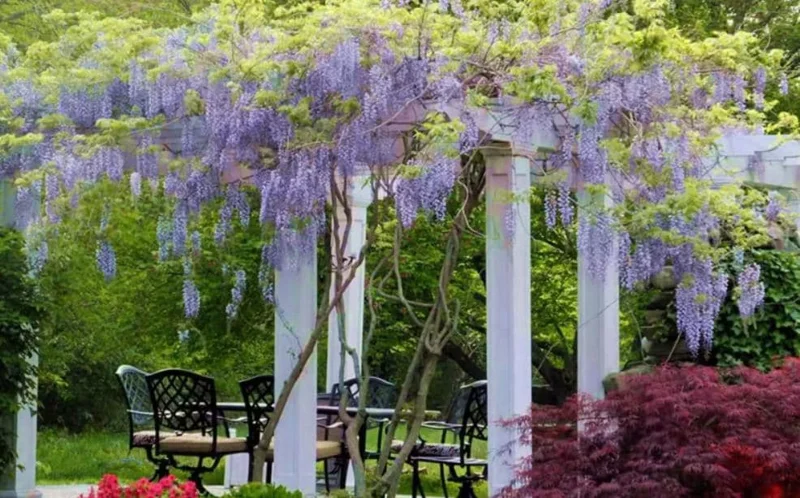
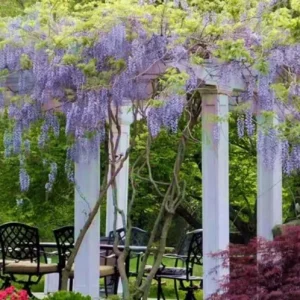
- Vigorous Vertical Growth: As a strong climber, it quickly covers trellises, arbors, pergolas, and fences, providing shade, privacy, and an impressive focal point in your landscape. It’s an ideal wisteria for pergola structures.
- Attracts Pollinators: The nectar-rich flowers are a magnet for bees, butterflies, and hummingbirds, supporting local wildlife and enhancing garden biodiversity.
- Low Maintenance Once Established: While requiring initial training and pruning, mature Wisteria plants are relatively hardy and self-sufficient, offering years of beauty with minimal fuss.
- Long-Lived Perennial: With proper care, a Wisteria vine can thrive for many decades, becoming a cherished and enduring feature of your garden.
- Enhances Property Value: A well-established and beautifully maintained Wisteria can significantly increase the aesthetic appeal and perceived value of your home.
Plant Care & Growing Tips
Caring for your blue flowering wisteria live plant is rewarding, leading to spectacular blooms year after year. Wisteria thrives in conditions that mimic its natural habitat. It prefers a location with full sun, meaning at least 6 hours of direct sunlight per day. Adequate light is crucial for prolific flowering; too much shade can result in lush foliage but few blooms. When planting, ensure the soil is well-draining, as Wisteria dislikes wet feet. A slightly acidic to neutral soil pH (6.0-7.0) is ideal. Amend heavy clay soils with organic matter like compost to improve drainage, or sandy soils to enhance water retention. The ideal time for planting is in spring or fall.
Watering should be consistent, especially during the first year of establishment and during dry spells. Deep watering encourages a strong root system. Once established, Wisteria is somewhat drought-tolerant but will perform best with regular moisture. Fertilize sparingly; too much nitrogen can promote leafy growth at the expense of flowers. A balanced, low-nitrogen fertilizer in early spring is usually sufficient. Pruning is key to managing its vigorous growth and encouraging blooms. Summer pruning involves cutting back long, whippy shoots to about 5-6 leaves from the main stem, while winter pruning focuses on shortening these spurs to 2-3 buds. This training for wisteria plant care will help control its size and shape, and maximize flowering potential. Wisteria is hardy in USDA zones 5-9, tolerating a range of temperatures but preferring a moderate climate.
Size & Details
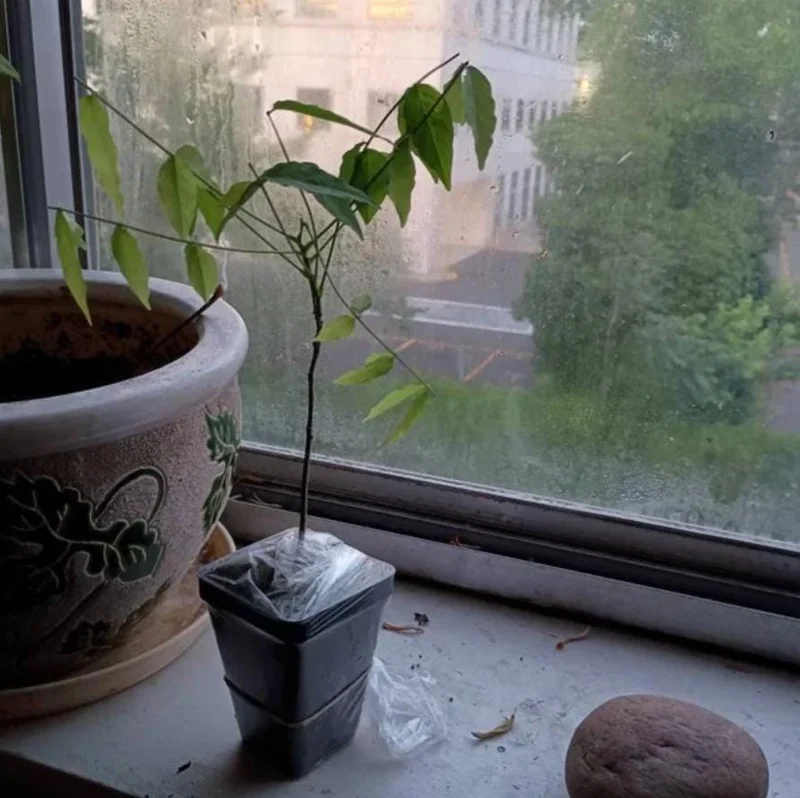
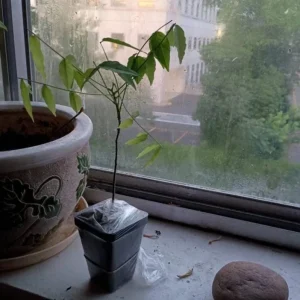
This blue flowering wisteria live plant is shipped as a young, actively growing specimen in a 2.5-inch pot. At this stage, the plant is ready to be transplanted into your garden or a larger container, allowing it to establish its root system and begin its impressive growth. Wisteria is known for its rapid growth rate, and with proper support and care, it can quickly reach significant dimensions. Mature Wisteria vines can typically grow 10-25 feet tall and spread 10-15 feet wide, depending on the specific variety, growing conditions, and pruning regimen. Expect your plant to arrive with healthy foliage, though during colder months, deciduous plants may naturally enter dormancy and have few or no leaves; this is normal and indicates a healthy, resting plant.
The time to first bloom can vary, but many Wisteria plants will begin to produce flowers within 2-5 years after planting, with more abundant blooms developing as the plant matures. Its woody stems become quite thick and sturdy over time, requiring a robust support structure like a strong trellis, arbor, or pergola to bear its weight. This wisteria outdoor plant is a long-term investment that will provide increasing beauty and fragrance with each passing year.
Frequently Asked Questions
- Q: How big does this plant get? A: This blue flowering wisteria live plant is shipped in a 2.5-inch pot. When mature, Wisteria vines can typically reach heights of 10-25 feet and spreads of 10-15 feet, depending on the variety and how it’s pruned.
- Q: What size pot does it come in? A: The plant is shipped in a 2.5-inch pot, making it a convenient size for initial planting in your garden or a larger container.
- Q: Is this an indoor or outdoor plant? A: Wisteria is primarily an outdoor plant, best suited for gardens, patios, and landscapes where it can climb and receive ample sunlight. It thrives as a wisteria outdoor plant.
- Q: How much sunlight does it need? A: For the best flowering performance, Wisteria requires at least 6 hours of direct sunlight per day. Full sun exposure is crucial for abundant blooms.
- Q: Is this plant easy to care for? A: Wisteria requires some initial training and consistent pruning to manage its vigorous growth and encourage flowering, but once established, it is relatively low-maintenance. Proper wisteria plant care involves regular pruning.
- Q: What condition will it arrive in? A: Your plant will arrive as a healthy, live specimen. During colder months, it may be dormant with few or no leaves, which is a normal and healthy state for deciduous plants.
- Q: How long until it blooms? A: Wisteria typically begins to bloom within 2-5 years after planting, with flowering becoming more prolific as the plant matures and establishes itself.
- Q: When is the best time to plant? A: The ideal times to plant Wisteria are in the spring after the last frost or in the fall before the ground freezes, allowing the roots to establish well.
- Q: What’s the recommended USDA hardiness zone? A: Wisteria is generally hardy in USDA Zones 5-9, meaning it can tolerate a wide range of winter temperatures within these zones.
- Q: Can I use this wisteria for pergola coverage? A: Absolutely! This wisteria for pergola structures is an excellent choice. Its vigorous climbing habit and beautiful blooms make it perfect for creating stunning overhead canopies and fragrant shaded areas.
Related products
-50%
Original price was: $179.00.$89.50Current price is: $89.50.
-67%
Original price was: $62.22.$20.74Current price is: $20.74.
-50%
Original price was: $85.98.$42.99Current price is: $42.99.
-20%

Original price was: $36.00.$28.80Current price is: $28.80.
-67%
Original price was: $50.97.$16.99Current price is: $16.99.
-67%
Original price was: $50.97.$16.99Current price is: $16.99.
-30%
Original price was: $39.99.$27.99Current price is: $27.99.
-30%
Original price was: $39.99.$27.99Current price is: $27.99.
PLANTING & CARE
Growing Glencoe Raspberry: A Complete Guide for Gardeners
If you’re looking to add something unique to your garden, look no further than the
31
Mar
Mar

The Comprehensive Guide to Growing Bay Leaf Plants for a Flavorful Garden
Imagine stepping into your garden, greeted by the earthy aroma of fresh bay leaves, their
09
Feb
Feb

How to Make Comfrey Tea: The Ultimate Organic Plant Food
Growing an organic garden can be surprisingly expensive, especially when most store-bought fertilizers come in
02
Feb
Feb

True Comfrey: 7 Essential Tips Before You Plant This Herb
A staple in permaculture practices across the US, True Comfrey easily earns its reputation as
27
Jan
Jan

7 Heart-Shaped Plants for a Lasting Valentine’s Gift
If you’ve ever bought a bouquet of roses for Valentine’s Day, you know they are
26
Jan
Jan

Best Types of Ivy Plant for Houses: How to Choose the Perfect Ones for Your Home
Are you a garden lover looking to introduce some greenery into your home? Maybe you’ve
14
Nov
Nov

When to Harvest Garlic (Especially Fall-Planted Garlic)
TIMING IS EVERYTHING, they say – and for garlic, that truth hits with surprising accuracy.
13
Nov
Nov

11 of the Best Sweet Potato Varieties to Grow for Your Garden
If you’ve ever tried growing sweet potatoes, you know that picking the right variety can
12
Nov
Nov