Jerusalem Artichoke Sunchoke Seeds – 20 Count Helianthus Tuberosus Yellow Flower Perennial
-50%





Jerusalem Artichoke Sunchoke Seeds – 20 Count Helianthus Tuberosus Yellow Flower Perennial
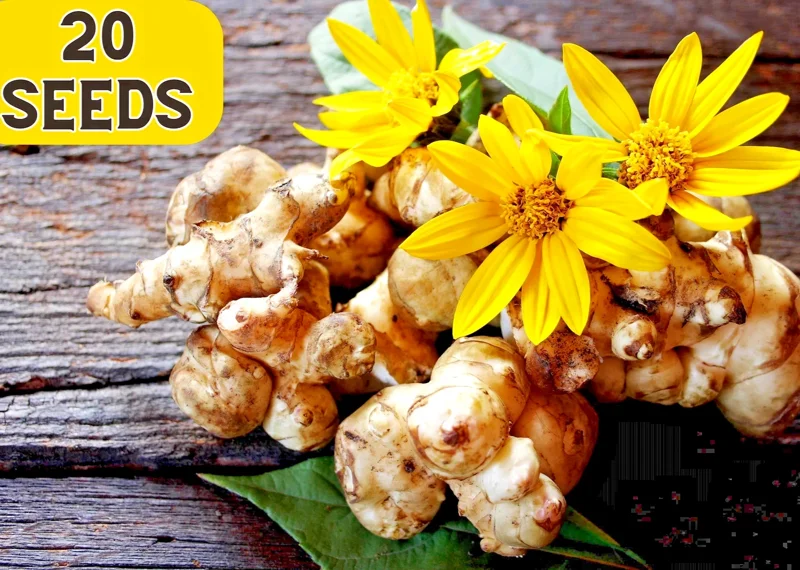
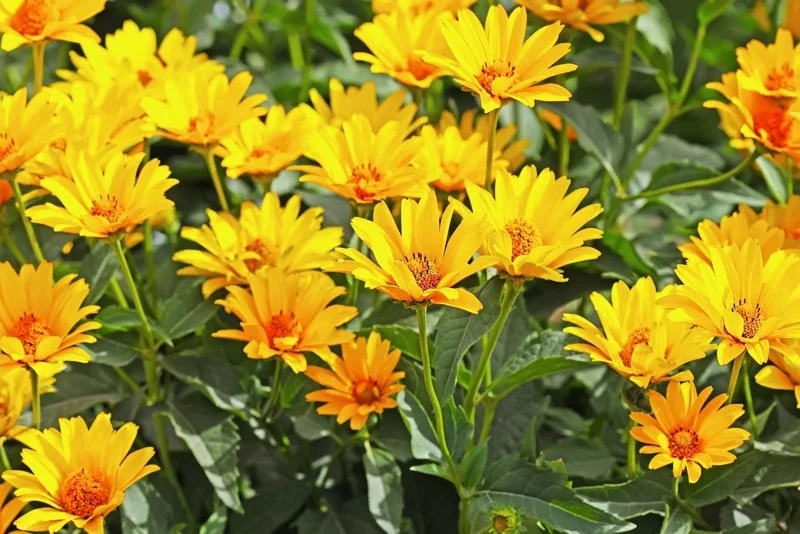
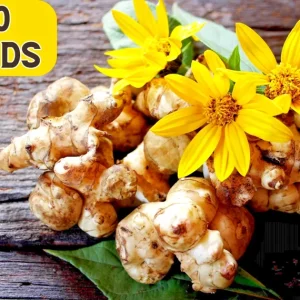
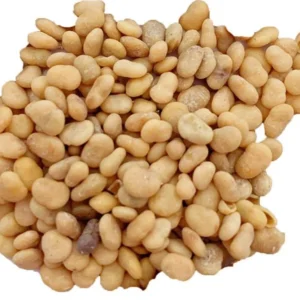
Cultivate delicious and versatile Jerusalem Artichoke seeds in your garden. Also known as Sunchoke or Sunroot, these helianthus tuberosus seeds produce vibrant yellow flowers and edible tubers. An easy-to-grow perennial, perfect for outdoor planting.
Original price was: $18.76.$9.38Current price is: $9.38.

With our Alive & Thrive Guarantee, we’ve got your back for the first 30 days! If you have any concerns about your plants, just reach out to us. Our team is here to help answer your questions and guide you in selecting the best plants for your garden, climate, and unique preferences. We're excited to help you create the garden of your dreams!
Estimated arrival
Apr 02
Apr 07 - Apr 09
Apr 12 - Apr 16

Product Details
-
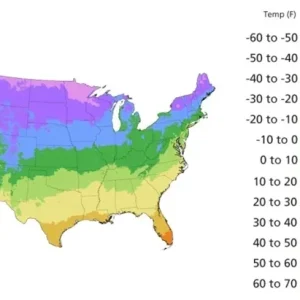
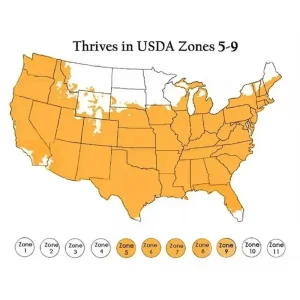
USDA Hardiness Zone
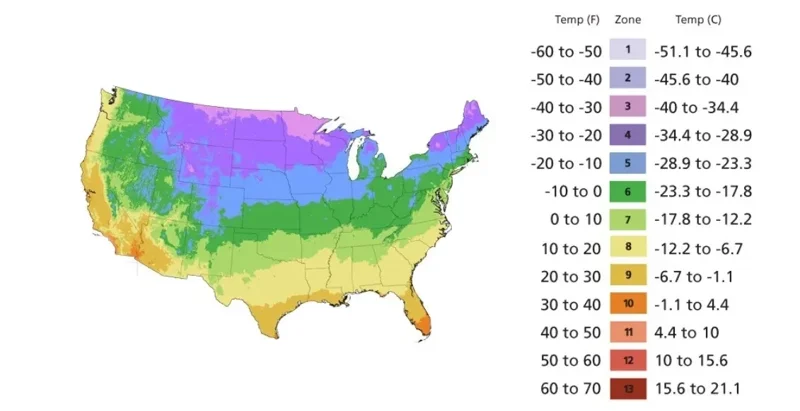
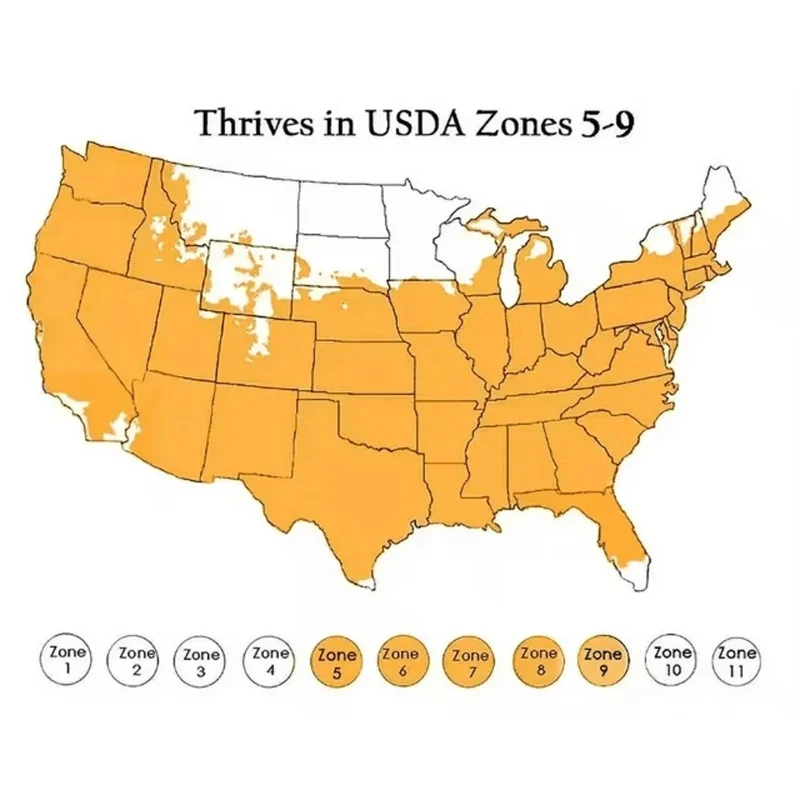
USDA Zones 3-9 -
Soil type
Well-draining, rich in organic matter -
Sunlight Exposure
Full Sun -
Expected Planting Period
Spring
Overview
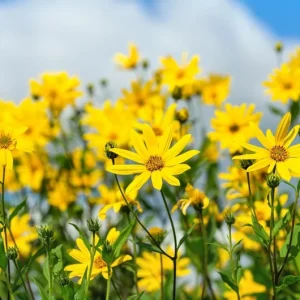
Embark on a rewarding gardening journey with these high-quality jerusalem artichoke seeds. Also known by their common names Sunchoke or Sunroot, and scientifically as Helianthus tuberosus, these perennial plants are celebrated for their dual appeal: beautiful yellow, sunflower-like blooms and delicious, nutritious underground tubers. Our collection of 20 Jerusalem artichoke seeds provides a fantastic opportunity to establish a thriving patch of this resilient and productive plant in your garden. Originating from North America, the Jerusalem Artichoke is a hardy plant that adapts well to various climates, making it a favorite among gardeners seeking both ornamental beauty and edible yields. You’ll love the vibrant display of yellow flowers during late summer and fall, followed by the harvest of crunchy, sweet tubers that can be enjoyed in a multitude of culinary applications. These sunchoke seeds for planting are an excellent choice for both experienced gardeners and enthusiastic beginners.
The Helianthus tuberosus is a member of the sunflower family and is known for its vigorous growth habit. It’s an ideal choice for creating natural screens or adding height to your garden landscape. Beyond its aesthetic value, the plant’s tubers are a fantastic source of inulin, a prebiotic fiber, making them a healthy addition to any diet. Growing your own jerusalem artichoke seeds also connects you to a rich history of cultivation, as these plants have been a staple food for centuries. Prepare to enjoy a bountiful harvest and stunning floral displays with minimal effort.
Key Benefits
Growing jerusalem artichoke seeds offers a myriad of advantages for both your garden and your plate. These versatile plants are a true gardener’s delight, providing both beauty and sustenance. Here are some of the key benefits you can expect:
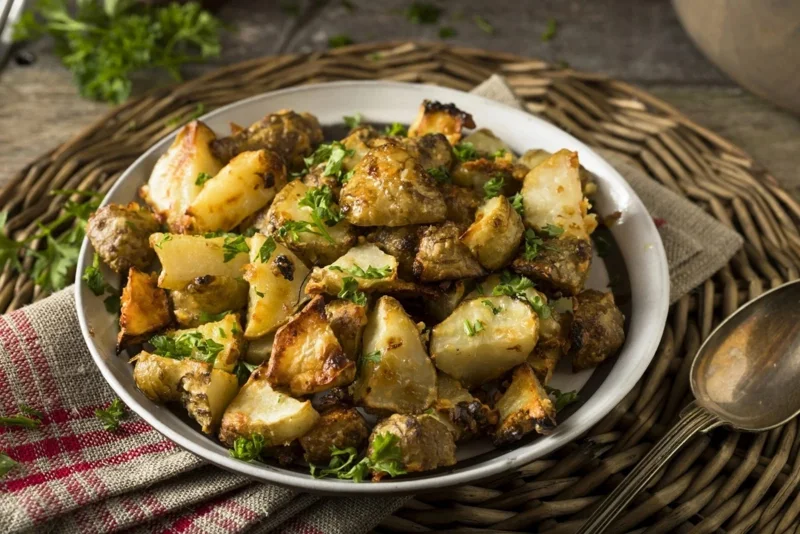
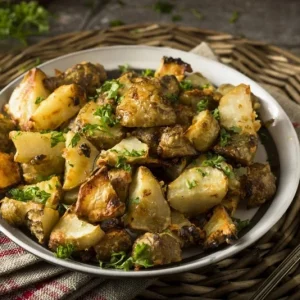
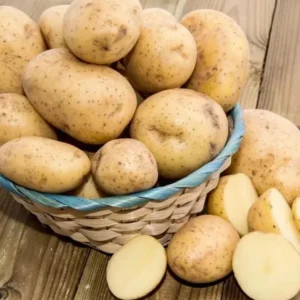
- Edible Tubers: The primary benefit of growing jerusalem artichoke seeds is the production of delicious, crunchy tubers. These tubers can be eaten raw, roasted, boiled, or fried, offering a unique nutty and slightly sweet flavor. They are a healthy alternative to potatoes and a great source of inulin, which supports gut health.
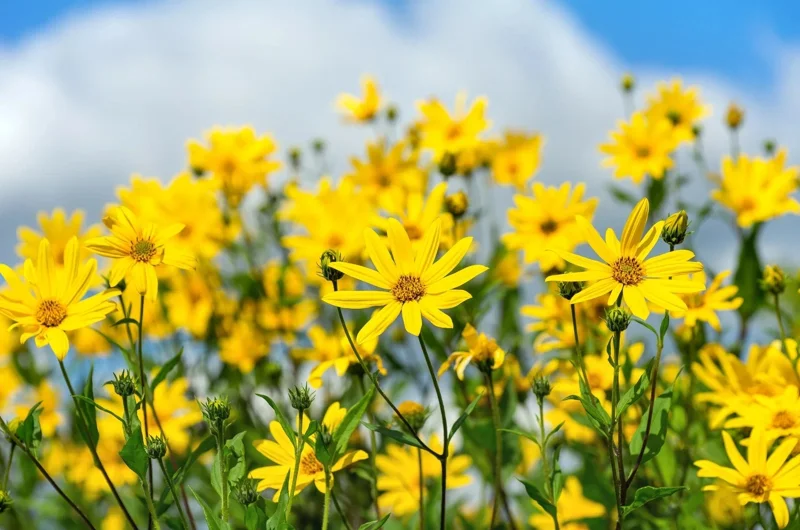
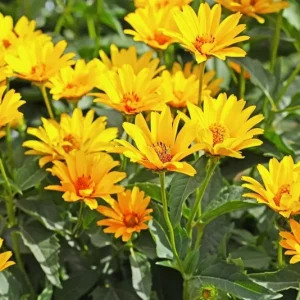
- Attractive Yellow Flowers: In late summer and fall, these plants produce abundant bright yellow flower seeds that resemble small sunflowers. They add a cheerful aesthetic to your garden, attracting pollinators like bees and butterflies, and can serve as beautiful cut flowers for indoor arrangements.
- Easy to Grow Perennial: Jerusalem Artichokes are known for their ease of cultivation and perennial nature. Once established, they will return year after year, often spreading to create a larger patch. This makes them a low-maintenance and highly rewarding addition to any garden, suitable for those looking for perennial vegetable seeds.
- Vigorous Growth & Screening: With a clumping growth habit, these plants can reach impressive heights, making them excellent for creating natural privacy screens or windbreaks in your garden. Their robust nature means they require little intervention once they get going.
- Soil Improvement: The extensive root system of Helianthus tuberosus can help improve soil structure, making it a beneficial plant for overall garden health. They thrive in various soil types and can even tolerate less-than-ideal conditions.
- Wildlife Attraction: Beyond pollinators, the plants can provide shelter and food for various beneficial wildlife, contributing to a diverse and healthy garden ecosystem.
- Nutritional Value: The tubers are rich in vitamins and minerals, particularly potassium and iron, and are a good source of dietary fiber, especially inulin, which is beneficial for digestive health.
Plant Care & Growing Tips
Cultivating jerusalem artichoke seeds is a straightforward process, making them an excellent choice for gardeners of all skill levels. They are remarkably resilient plants that, with a little initial care, will thrive and provide bountiful harvests for years to come. For best results, sow your sunchoke seeds for planting directly outdoors after the last frost, typically in spring. Ensure the soil temperature has warmed sufficiently for germination. Plant the seeds about 1 inch deep and 6 inches apart, in rows spaced 3 feet apart. This allows ample space for the plants to grow and for tubers to develop.
Sunlight requirements for Jerusalem Artichokes are quite flexible, but they perform best in full sun, meaning at least 6-8 hours of direct sunlight per day. They can tolerate partial sun, but tuber production may be less abundant. As an outdoor plant, they are accustomed to natural light cycles. Watering should be consistent, especially during dry spells and while plants are establishing. Aim for about 1 inch of water per week, either from rainfall or irrigation. Once mature, Helianthus tuberosus is quite drought-tolerant. Soil type is not a major concern, as Jerusalem Artichokes are adaptable. However, they prefer well-draining soil that is rich in organic matter. A neutral soil pH is ideal, but they can tolerate a range. Avoid heavy, waterlogged soils, which can lead to tuber rot. Fertilization is generally not heavily required if planted in fertile soil. If your soil is poor, a balanced organic fertilizer applied in early spring can boost growth. They are a vigorous perennial, so excessive fertilization can sometimes lead to overly leafy growth at the expense of tubers. These plants are hardy and can withstand various conditions, making them ideal perennial vegetable seeds for many regions.
Size & Details
These jerusalem artichoke seeds will grow into robust perennial plants with a clumping growth habit. Typically, mature plants can reach heights of 5 to 10 feet (1.5 to 3 meters) tall, making them one of the tallest edible garden plants. The spread of an individual plant can be around 2-3 feet wide, though they tend to spread aggressively via their tubers over time, forming larger clumps. The yellow flowers, which are a prominent feature, typically appear in late summer to early fall. While the seeds are small, they hold the potential for significant growth. Each packet contains 20 Jerusalem artichoke seeds, providing a good starting quantity to establish a productive patch. The tubers, the edible part of the plant, develop underground and are ready for harvest in late fall after the plants have died back, or in early spring before new growth begins. These plants are easy to cultivate and require medium watering, preferring full sun exposure for optimal growth and tuber development.
Frequently Asked Questions
- Q: How big does the Jerusalem Artichoke plant get? A: Jerusalem artichoke seeds grow into tall, robust plants. They typically reach heights of 5 to 10 feet (1.5 to 3 meters) and can spread 2-3 feet wide, forming a clumping habit in your garden.
- Q: Is this an indoor or outdoor plant? A: The Helianthus tuberosus, or Jerusalem artichoke seeds, are best suited for outdoor planting. They are a hardy perennial that thrives in garden settings and requires ample space and sunlight.
- Q: How much sunlight does it need? A: These plants prefer full sun, meaning they need at least 6-8 hours of direct sunlight per day for optimal growth and tuber production. They can tolerate partial sun, but may yield fewer tubers.
- Q: Is this plant easy to care for? A: Yes, Jerusalem Artichokes are considered very easy to care for, making them suitable for beginner gardeners. They are known for their resilience and require minimal attention once established, making them excellent perennial vegetable seeds.
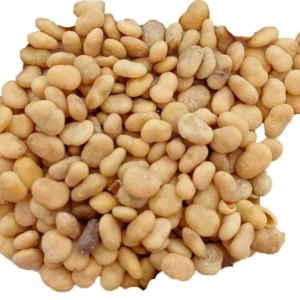
- Q: What condition will the seeds arrive in? A: Your order will contain 20 Jerusalem artichoke seeds in a seed packet, ready for planting. They are carefully packaged to ensure their viability upon arrival.
- Q: When is the best time to plant Jerusalem Artichoke seeds? A: The best time to plant sunchoke seeds for planting is in the spring, after the danger of the last frost has passed and the soil has begun to warm up.
- Q: Can I use Jerusalem Artichoke tubers in cooking? A: Absolutely! The tubers produced by these plants are highly valued for their nutty, sweet flavor and crunchy texture. They can be enjoyed raw in salads, roasted, boiled, or used in soups and stews.
- Q: Will it survive winter in my zone? A: Jerusalem Artichokes are very hardy perennials, generally thriving in USDA Zones 3-9. They are tolerant of cold temperatures and will regrow from their tubers each spring.
- Q: What kind of soil do Jerusalem Artichokes prefer? A: While adaptable, these plants prefer well-draining soil that is rich in organic matter. A neutral soil pH is ideal, but they can tolerate a range of soil conditions.
- Q: How long until it blooms? A: After planting, the plants will grow throughout the summer, and you can expect to see the cheerful yellow flower seeds bloom in late summer to early fall, typically from August to October.
Related products
-50%
Original price was: $19.00.$9.50Current price is: $9.50.
-50%
Original price was: $15.96.$7.98Current price is: $7.98.
-50%
Original price was: $17.00.$8.50Current price is: $8.50.
-48%
Original price was: $28.99.$14.99Current price is: $14.99.
-50%
Original price was: $15.96.$7.98Current price is: $7.98.
-48%
Original price was: $28.99.$14.99Current price is: $14.99.
PLANTING & CARE

Growing Glencoe Raspberry: A Complete Guide for Gardeners
If you’re looking to add something unique to your garden, look no further than the
31
Mar
Mar

The Comprehensive Guide to Growing Bay Leaf Plants for a Flavorful Garden
Imagine stepping into your garden, greeted by the earthy aroma of fresh bay leaves, their
09
Feb
Feb

How to Make Comfrey Tea: The Ultimate Organic Plant Food
Growing an organic garden can be surprisingly expensive, especially when most store-bought fertilizers come in
02
Feb
Feb

True Comfrey: 7 Essential Tips Before You Plant This Herb
A staple in permaculture practices across the US, True Comfrey easily earns its reputation as
27
Jan
Jan

7 Heart-Shaped Plants for a Lasting Valentine’s Gift
If you’ve ever bought a bouquet of roses for Valentine’s Day, you know they are
26
Jan
Jan

Best Types of Ivy Plant for Houses: How to Choose the Perfect Ones for Your Home
Are you a garden lover looking to introduce some greenery into your home? Maybe you’ve
14
Nov
Nov

When to Harvest Garlic (Especially Fall-Planted Garlic)
TIMING IS EVERYTHING, they say – and for garlic, that truth hits with surprising accuracy.
13
Nov
Nov

11 of the Best Sweet Potato Varieties to Grow for Your Garden
If you’ve ever tried growing sweet potatoes, you know that picking the right variety can
12
Nov
Nov