Creeping Thyme Herb Flower Seeds – Thymus Serpyllum Ground Cover, Blue Flowers, Perennial
-50%










Creeping Thyme Herb Flower Seeds – Thymus Serpyllum Ground Cover, Blue Flowers, Perennial
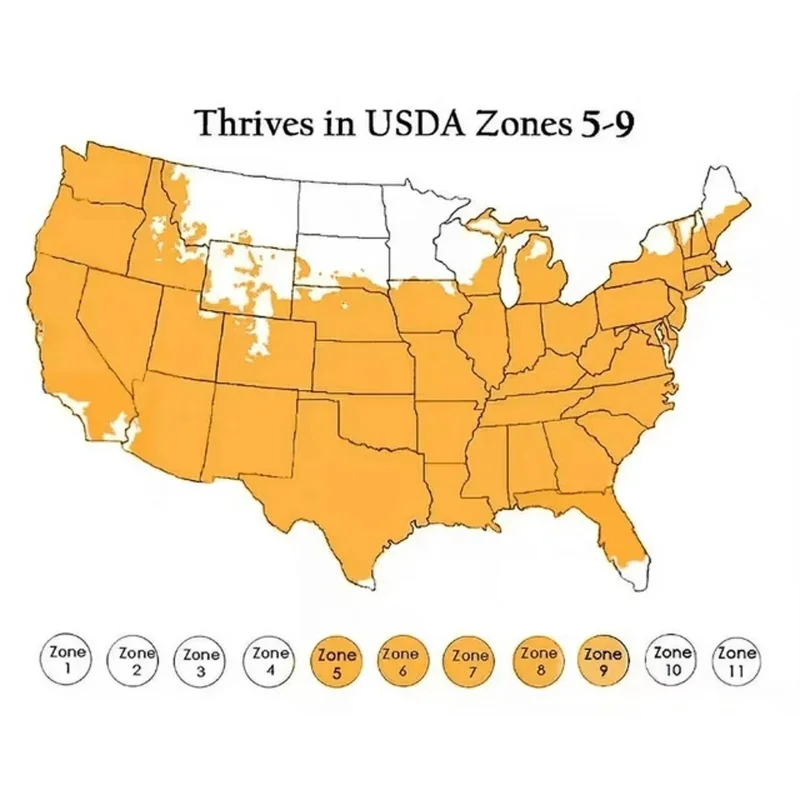
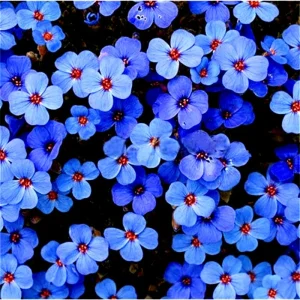
Cultivate a vibrant and fragrant landscape with creeping thyme seeds. These thymus serpyllum seeds are perfect for creating a beautiful, low-maintenance ground cover, featuring charming blue flowers and a delightful herbal scent. Ideal for rock gardens, pathways, and erosion control in USDA Zones 2 and up.
Original price was: $18.76.$9.38Current price is: $9.38.

With our Alive & Thrive Guarantee, we’ve got your back for the first 30 days! If you have any concerns about your plants, just reach out to us. Our team is here to help answer your questions and guide you in selecting the best plants for your garden, climate, and unique preferences. We're excited to help you create the garden of your dreams!
Estimated arrival
Apr 05
Apr 10 - Apr 12
Apr 15 - Apr 19


Product Details
-
USDA Hardiness Zone
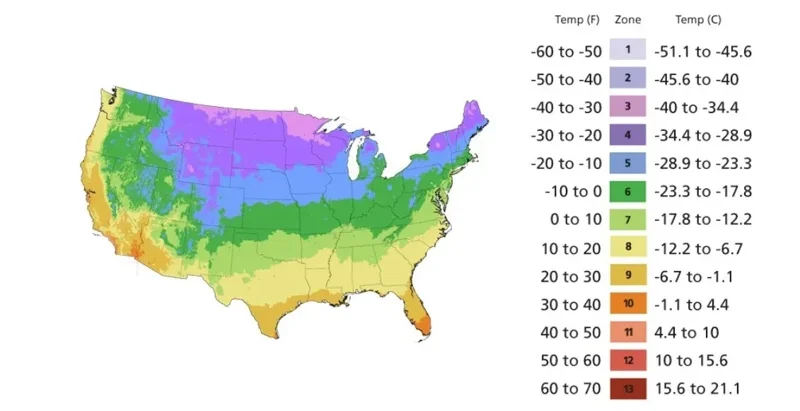
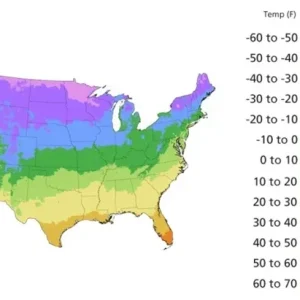
2 (-50 to -40 °F) to 9 -
Soil type
Well-draining soil (clay, loam, peat, sand) -
Sunlight Exposure
Full Sun to Partial Shade -
Expected Planting Period
Spring to Summer
Overview
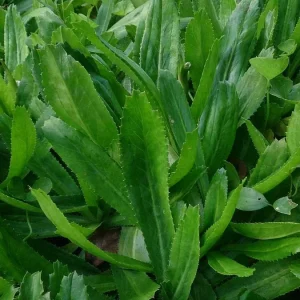
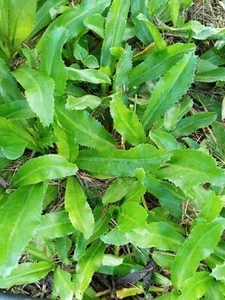
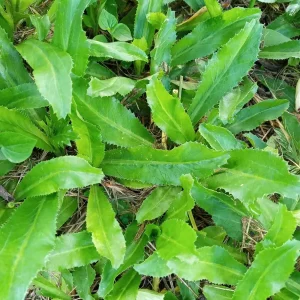
Transform your garden into a fragrant, low-maintenance haven with these high-quality creeping thyme seeds. Known scientifically as Thymus Serpyllum, this versatile perennial is celebrated for its dense, mat-forming growth habit, making it an excellent choice for ground cover. These particular seeds will produce plants with lovely blue flowers, adding a serene touch to any landscape. Creeping thyme seeds are not only aesthetically pleasing but also highly functional, providing erosion control and suppressing weeds naturally. Whether you’re looking to fill in spaces between stepping stones, create a soft carpet underfoot, or add a delicate texture to your rock garden, Creeping Thyme offers a charming and resilient solution. It’s an herb that doubles as an ornamental, bringing both beauty and a subtle, pleasant aroma to your outdoor spaces.
Key Benefits
Our creeping thyme seeds offer a multitude of advantages for both novice and experienced gardeners, enhancing your outdoor environment in various ways:
- Excellent Ground Cover: Forms a dense, spreading mat that effectively suppresses weeds and prevents soil erosion, creating a neat and tidy appearance in your garden beds or pathways.
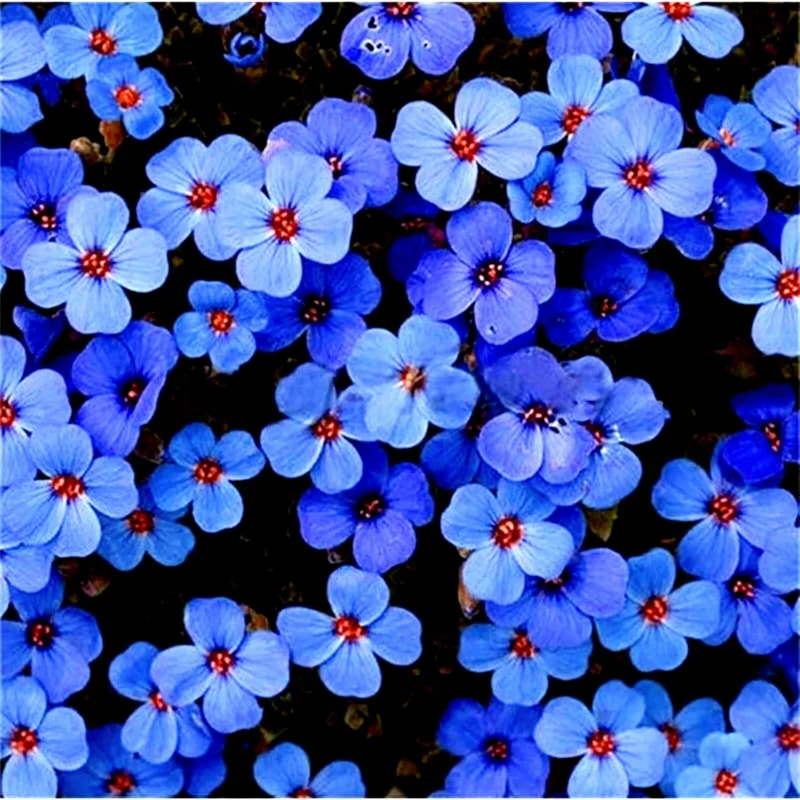
- Beautiful Blue Blooms: Produces an abundance of small, delicate blue flowers throughout the summer, attracting beneficial pollinators like bees and butterflies to your garden.
- Drought Tolerant: Once established, this resilient plant requires minimal watering, making it an ideal choice for xeriscaping or areas with water restrictions.
- Fragrant Foliage: The aromatic leaves release a pleasant, herbaceous scent when walked upon or brushed against, adding an sensory dimension to your garden experience.
- Low Maintenance: Requires very little care, thriving with minimal intervention once established, making it perfect for busy gardeners or those seeking a hassle-free landscape.
- Versatile Use: Beyond traditional ground cover, thymus serpyllum seeds are perfect for rock gardens, filling crevices, cascading over retaining walls, or as a lawn substitute in low-traffic areas.
- Hardy Perennial: These perennial herb seeds return year after year, providing continuous beauty and function without the need for annual replanting.
Plant Care & Growing Tips
Growing creeping thyme seeds is a rewarding experience, and with the right care, you can establish a thriving ground cover. This plant is known for its hardiness and adaptability, making it suitable for a wide range of climates. It prefers a location with full sun to partial shade, meaning it needs at least 6 hours of direct sunlight per day to achieve the best blooms and growth density. While it can tolerate some shade, too much will result in leggy growth and fewer flowers. The ideal temperature range for Creeping Thyme is quite broad, and it is cold resistant, thriving in USDA Hardiness Zones 2 through 9. It can withstand temperatures as low as -50°F.
When it comes to soil, thymus serpyllum seeds are not particularly fussy but absolutely require good drainage. Any good soil mix is acceptable, including clay, loam, peat, or sand, as long as it doesn’t retain too much moisture. A neutral soil pH is preferred. Water regularly after planting until the seedlings are established, usually for the first few weeks. Once mature, Creeping Thyme is drought-resistant and only needs occasional watering, especially during prolonged dry spells. Overwatering is a common mistake and can lead to root rot. Fertilization is generally not necessary in rich soil, but if your soil is poor, a light application of a balanced, slow-release fertilizer in spring can encourage growth. Pruning is minimal; simply trim back any overgrown areas to maintain its shape and encourage denser growth. Watch out for powdery mildew in humid conditions or root rot in poorly drained soil. Proper air circulation and drainage are your best defenses against these issues, ensuring your blue creeping thyme flourishes.
Size & Details
These creeping thyme seeds offer the opportunity to cultivate a landscape feature that grows to a modest height of 4-6 inches, creating a soft, carpet-like effect that spreads beautifully over time. The plant habit is specifically bedding (ground cover), designed to spread horizontally rather than vertically, making it ideal for covering large areas or filling in gaps. As perennial herb seeds, they will establish themselves in the first year and return with increased vigor in subsequent seasons. The growth rate is fast, meaning you’ll see your ground cover taking shape relatively quickly after germination. Each seed packet contains a generous quantity to ensure ample coverage for your desired area. Expect the enchanting blue flowers to bloom primarily in the summer, though some interest may extend into spring and fall depending on your local climate. These ground cover seeds are shipped as fresh, viable seeds, ready for planting upon arrival. With moderate cultivating difficulty, they are accessible to most gardeners.
Frequently Asked Questions
- Q: How big does this plant get? A: Creeping Thyme typically grows to a height of 4-6 inches, forming a dense, spreading mat. Its width can vary greatly depending on the space provided, as it will continue to spread outwards.
- Q: Is this an indoor or outdoor plant? A: While it can be grown indoors in appropriate conditions, creeping thyme is primarily an outdoor plant, excelling as a ground cover in gardens, pathways, and rockeries. It thrives in full sun to partial shade outdoors.
- Q: How much sunlight does it need? A: Creeping Thyme performs best in full sun, requiring at least 6 hours of direct sunlight daily for optimal growth and flowering. It can tolerate partial shade, but growth may be less dense.
- Q: Is this plant easy to care for? A: Yes, creeping thyme is considered to have moderate cultivating difficulty. Once established, it is very low-maintenance, being drought-tolerant and requiring minimal pruning.
- Q: Can I use creeping thyme in cooking? A: Yes, Thymus Serpyllum is an edible herb. The leaves can be used fresh or dried to add a subtle thyme flavor to various dishes, making these perennial herb seeds a dual-purpose choice.
- Q: How long until it blooms? A: After planting the thymus serpyllum seeds, you can typically expect blooms in the summer of the first or second year, depending on planting time and growing conditions.
- Q: Will it survive winter in my zone? A: Creeping Thyme is very cold resistant and is hardy in USDA Hardiness Zones 2 to 9, meaning it will survive harsh winters and return in spring in most regions of the United States.
- Q: What type of soil is best for these ground cover seeds? A: Creeping Thyme prefers well-draining soil. It can adapt to various soil types including clay, loam, peat, and sand, as long as drainage is adequate to prevent waterlogging.
- Q: What color flowers will the plant produce? A: These specific creeping thyme seeds are known to produce charming blue flowers, adding a beautiful pop of color to your ground cover.
- Q: When is the best time to plant creeping thyme seeds? A: The best time to plant creeping thyme seeds is typically in the spring after the last frost, or in late summer to early fall in warmer climates, allowing them to establish before extreme temperatures.
Related products
-50%
From Original price was: $64.00.$32.00Current price is: $32.00.

-50%
Original price was: $32.00.$16.00Current price is: $16.00.
PLANTING & CARE

Growing Glencoe Raspberry: A Complete Guide for Gardeners
If you’re looking to add something unique to your garden, look no further than the
31
Mar
Mar

The Comprehensive Guide to Growing Bay Leaf Plants for a Flavorful Garden
Imagine stepping into your garden, greeted by the earthy aroma of fresh bay leaves, their
09
Feb
Feb

How to Make Comfrey Tea: The Ultimate Organic Plant Food
Growing an organic garden can be surprisingly expensive, especially when most store-bought fertilizers come in
02
Feb
Feb

True Comfrey: 7 Essential Tips Before You Plant This Herb
A staple in permaculture practices across the US, True Comfrey easily earns its reputation as
27
Jan
Jan

7 Heart-Shaped Plants for a Lasting Valentine’s Gift
If you’ve ever bought a bouquet of roses for Valentine’s Day, you know they are
26
Jan
Jan

Best Types of Ivy Plant for Houses: How to Choose the Perfect Ones for Your Home
Are you a garden lover looking to introduce some greenery into your home? Maybe you’ve
14
Nov
Nov

When to Harvest Garlic (Especially Fall-Planted Garlic)
TIMING IS EVERYTHING, they say – and for garlic, that truth hits with surprising accuracy.
13
Nov
Nov

11 of the Best Sweet Potato Varieties to Grow for Your Garden
If you’ve ever tried growing sweet potatoes, you know that picking the right variety can
12
Nov
Nov