Mixed Lithops Living Stones Seeds – Rare Succulent Cactus Plant Seeds – 25-50 Seeds Pack
-50%
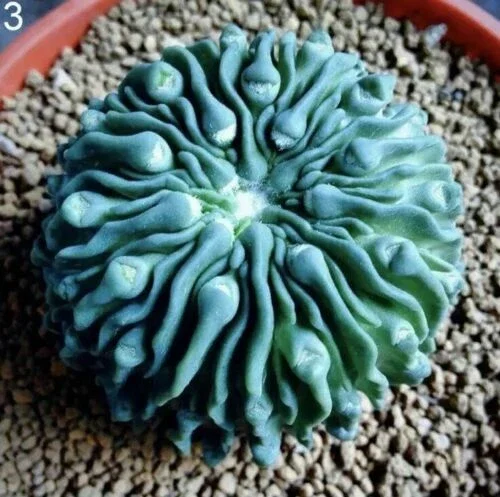
Mixed Lithops Living Stones Seeds – Rare Succulent Cactus Plant Seeds – 25-50 Seeds Pack
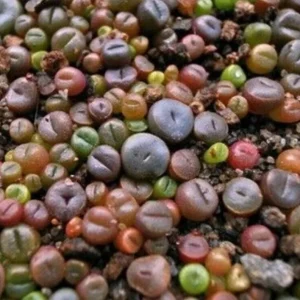
Cultivate a fascinating collection of lithops living stones seeds with this mixed seed pack. These unique succulent seeds are perfect for creating a miniature desert landscape indoors or in suitable outdoor climates. Enjoy the beauty of these rare ‘stone plants’ with minimal effort.
From Original price was: $8.52.$4.26Current price is: $4.26.

With our Alive & Thrive Guarantee, we’ve got your back for the first 30 days! If you have any concerns about your plants, just reach out to us. Our team is here to help answer your questions and guide you in selecting the best plants for your garden, climate, and unique preferences. We're excited to help you create the garden of your dreams!
Estimated arrival
Apr 03
Apr 08 - Apr 10
Apr 13 - Apr 17


Product Details
-
USDA Hardiness Zone
USDA zones 9–11 -
Soil type
Well-draining succulent or cactus mix -
Sunlight Exposure
Full sun to bright indirect light -
Expected Planting Period
Year-round indoors
Overview
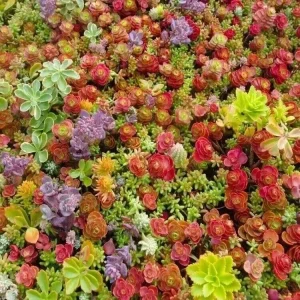
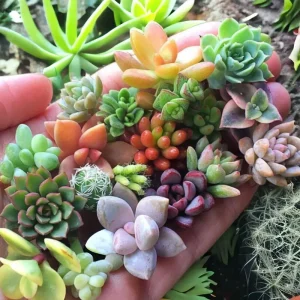
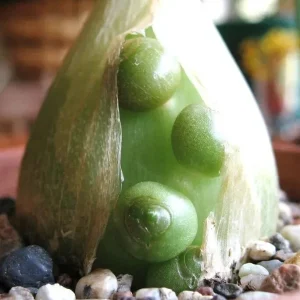
Embark on a captivating gardening journey with our premium selection of lithops living stones seeds. These extraordinary succulents, often referred to as ‘Living Stones’ due to their remarkable resemblance to pebbles and rocks, offer a unique and intriguing addition to any plant collection. Each seed promises the potential for a diverse array of colors and patterns, mimicking the natural camouflage that helps them thrive in their native arid environments. Perfect for both novice and experienced gardeners, these rare succulent seeds provide an exciting opportunity to cultivate some of nature’s most fascinating botanical wonders. Grow these resilient plants in your home or garden and enjoy their distinctive beauty year-round.
These Lithops seeds belong to the Aizoaceae family and are known for their striking appearance and low-maintenance nature. They are ideal for creating unique succulent arrangements, terrariums, or simply as standalone specimens that spark conversation. The joy of watching these tiny seeds sprout into miniature, stone-like plants is an incredibly rewarding experience for any plant enthusiast.
Key Benefits
Growing lithops living stones seeds offers numerous advantages, transforming your space with their unique charm and requiring minimal upkeep. These benefits make them a favored choice among succulent lovers:
- Unique Aesthetic Appeal: Lithops are truly one-of-a-kind, resembling colorful pebbles and blending seamlessly into rock gardens or minimalist decor. Their unusual form provides an instant focal point.
- Low Maintenance: As desert natives, Lithops require very little water and thrive on neglect, making them perfect for busy individuals or those new to gardening. They are ideal for creating a self-sustaining display.
- Space-Saving: Their compact size makes them suitable for small spaces, windowsills, or office desks, allowing you to enjoy greenery without needing extensive room.
- Drought Tolerant: Lithops are highly adapted to dry conditions, requiring infrequent watering, which helps conserve water and reduces the risk of overwatering common in other plants.
- Conversation Starter: The unusual appearance of these rare succulent seeds and the plants they produce is guaranteed to attract attention and curiosity from guests.
- Therapeutic Hobby: The process of germinating and nurturing lithops cactus seeds can be a calming and rewarding experience, offering a sense of accomplishment as they grow.
- Indoor & Outdoor Versatility: While often grown indoors, they can also thrive outdoors in appropriate arid climates, adding unique texture to rockeries.
Plant Care & Growing Tips
To successfully grow your lithops living stones seeds, understanding their specific care requirements is crucial. These plants thrive under conditions that mimic their natural desert habitat. Proper care ensures healthy growth and the development of their iconic stone-like appearance.
Sunlight requirements: Lithops need abundant light. Provide at least 4-5 hours of direct sunlight daily. An east-facing window is often ideal for morning sun, or a south-facing window with some protection from intense midday sun can work. If growing outdoors, ensure they receive full sun, especially in cooler regions. In hotter climates, some afternoon shade can prevent scorching. Insufficient light can lead to etiolation, where the plants stretch to find light, losing their compact form.
Watering schedule and soil moisture preferences: This is the most critical aspect of Lithops care. They have a distinct dormancy and growth cycle. Water sparingly, only when the plants show signs of thirst (e.g., the tops appear slightly sunken or wrinkled). Overwatering is the quickest way to kill Lithops, as it leads to rot. During their growth periods (typically fall and spring), water every few weeks. During dormancy (summer and winter), cease watering almost entirely. Always allow the soil to dry out completely between waterings. When a new pair of leaves is emerging, do not water until the old leaves have completely dried up and been absorbed.
Soil type and drainage requirements: Lithops require extremely well-draining soil. A mix formulated for cacti and succulents is a good starting point. You can enhance drainage by adding perlite, pumice, or coarse sand to a standard potting mix. The ideal soil should contain very little organic matter and dry out quickly. Avoid heavy, moisture-retentive soils. Pots with drainage holes are absolutely essential to prevent waterlogging.
Temperature range and USDA hardiness zone: Lithops prefer warm temperatures, ideally between 65-80°F (18-27°C) during their active growth. They can tolerate temperatures as low as 50°F (10°C) at night but should be protected from freezing. They are generally suited for USDA zones 9–11 if grown outdoors, but are more commonly cultivated indoors in controlled environments. Ensure good air circulation, especially when grown indoors.
Fertilization schedule and type: Lithops are not heavy feeders and generally do not require much fertilizer. If you choose to fertilize, use a highly diluted, low-nitrogen fertilizer specifically designed for cacti and succulents, applied very sparingly once or twice during their active growth period. Over-fertilization can harm these sensitive plants.
Common problems and solutions: The most common issues are overwatering, leading to rot, and insufficient light, causing etiolation. Ensure proper watering techniques and adequate sunlight. Pests are rare but can include mealybugs; treat with rubbing alcohol if detected. Learning how to grow lithops successfully involves patience and attention to their unique needs.
Size & Details
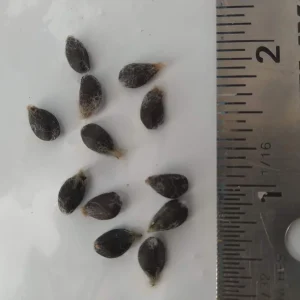
Each pack contains 25-50 mixed lithops seeds, providing a generous quantity for starting your own collection of these fascinating ‘Living Stones’. When mature, individual Lithops plants typically reach a size of about 0.5 to 1.5 inches in diameter, though some varieties can grow slightly larger. Their compact nature makes them ideal for small pots, shallow trays, or intricate succulent arrangements. The growth rate for Lithops is generally slow, with germination taking several weeks and plants reaching maturity over a year or two. They are shipped as a packet of high-quality seeds, ready for planting. Expect to see the first signs of germination within 1-4 weeks under optimal conditions, with the distinct ‘stone’ appearance developing as they mature. This mixed assortment offers a variety of colors and patterns, ensuring a diverse and visually interesting display as your mixed lithops seeds grow into mature plants.
Frequently Asked Questions
- Q: How big do these Lithops plants get? A: Mature Lithops typically grow to about 0.5 to 1.5 inches in diameter, making them perfect for small pots and intricate arrangements. Their compact size contributes to their charm as miniature living stones.
- Q: What is the best way to plant these lithops living stones seeds? A: Sow the seeds on top of a well-draining succulent soil mix, lightly cover with fine sand or grit, and keep the soil consistently moist but not waterlogged until germination. Provide plenty of light and warmth.
- Q: Is this an indoor or outdoor plant? A: Lithops can be grown both indoors and outdoors. Indoors, they thrive on sunny windowsills; outdoors, they do best in arid climates, typically USDA zones 9–11, in rock gardens or containers.
- Q: How much sunlight does it need? A: Lithops require a significant amount of light, ideally 4-5 hours of direct sunlight daily. Bright, indirect light is also acceptable, but too little light can cause them to stretch.
- Q: Is this plant easy to care for? A: Lithops are considered low-maintenance once established, but their unique watering needs can be tricky for beginners. Understanding their growth cycle is key to successful care for these lithops cactus seeds.
- Q: What condition will the seeds arrive in? A: The mixed lithops seeds will arrive in a protective packet, ensuring they are fresh and ready for planting upon arrival. They are carefully packaged to maintain viability.
- Q: How long until Lithops bloom? A: Lithops typically bloom in the fall, producing small, daisy-like white or yellow flowers. It can take a year or two from seed for the plants to reach flowering maturity.
- Q: What’s the best soil for growing these rare succulent seeds? A: Use a highly porous, well-draining soil mix specifically designed for cacti and succulents, or create your own with a high percentage of inorganic material like pumice or perlite.
- Q: Can I grow these in a terrarium? A: While attractive in appearance, terrariums can often retain too much moisture for Lithops. If using a terrarium, ensure excellent drainage and very infrequent watering to prevent rot, which is a common issue when learning how to grow lithops.
- Q: What is the ideal temperature for Lithops? A: Lithops prefer warm temperatures, generally between 65-80°F (18-27°C). They can tolerate cooler nights but should be protected from freezing temperatures.
| Options | 15 Seeds, 25 Seeds, 50 Seeds, Sample 5 Seeds |
|---|
Related products
-50%
Original price was: $13.48.$6.74Current price is: $6.74.
-50%
Original price was: $13.96.$6.98Current price is: $6.98.
-50%
Original price was: $18.76.$9.38Current price is: $9.38.
-50%
From Original price was: $11.96.$5.98Current price is: $5.98.
-50%

Original price was: $23.96.$11.98Current price is: $11.98.
-50%
Original price was: $26.76.$13.38Current price is: $13.38.
PLANTING & CARE
Growing Glencoe Raspberry: A Complete Guide for Gardeners
If you’re looking to add something unique to your garden, look no further than the
31
Mar
Mar

The Comprehensive Guide to Growing Bay Leaf Plants for a Flavorful Garden
Imagine stepping into your garden, greeted by the earthy aroma of fresh bay leaves, their
09
Feb
Feb

How to Make Comfrey Tea: The Ultimate Organic Plant Food
Growing an organic garden can be surprisingly expensive, especially when most store-bought fertilizers come in
02
Feb
Feb

True Comfrey: 7 Essential Tips Before You Plant This Herb
A staple in permaculture practices across the US, True Comfrey easily earns its reputation as
27
Jan
Jan

7 Heart-Shaped Plants for a Lasting Valentine’s Gift
If you’ve ever bought a bouquet of roses for Valentine’s Day, you know they are
26
Jan
Jan

Best Types of Ivy Plant for Houses: How to Choose the Perfect Ones for Your Home
Are you a garden lover looking to introduce some greenery into your home? Maybe you’ve
14
Nov
Nov

When to Harvest Garlic (Especially Fall-Planted Garlic)
TIMING IS EVERYTHING, they say – and for garlic, that truth hits with surprising accuracy.
13
Nov
Nov

11 of the Best Sweet Potato Varieties to Grow for Your Garden
If you’ve ever tried growing sweet potatoes, you know that picking the right variety can
12
Nov
Nov