200 Sedum Seeds Spring Mix – Stonecrop Succulent Ground Cover Perennial
-50%













200 Sedum Seeds Spring Mix – Stonecrop Succulent Ground Cover Perennial
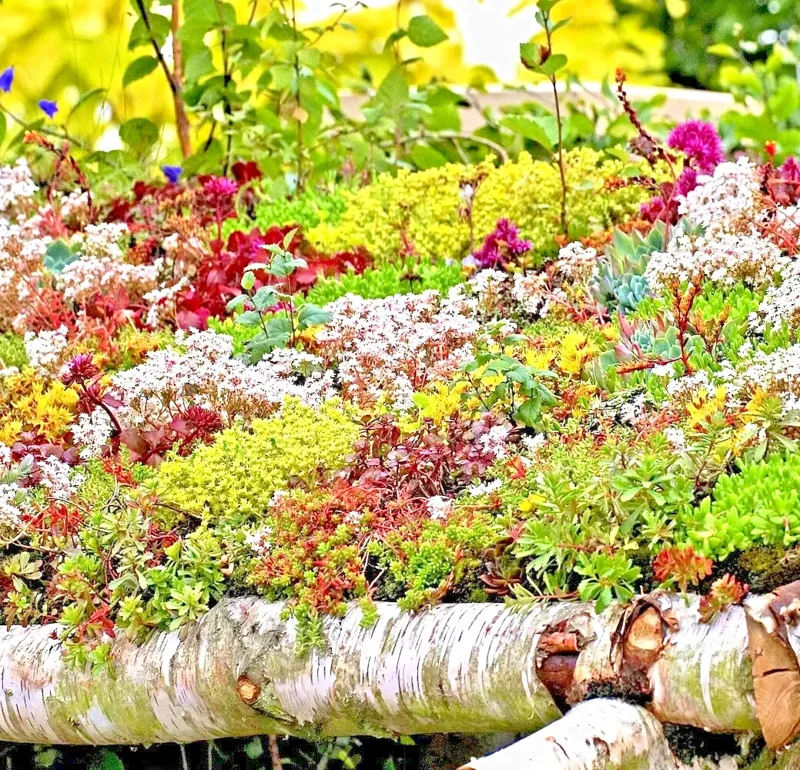
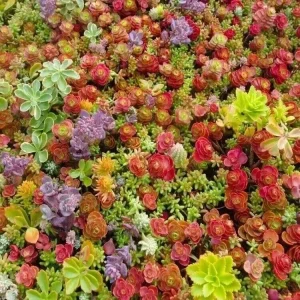
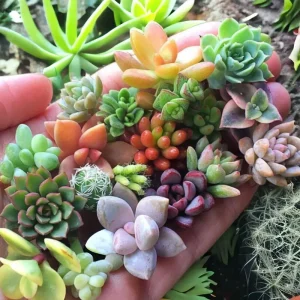
Cultivate a stunning and durable landscape with 200 Sedum seeds. This spring mix offers a beautiful succulent ground cover, perfect for rock gardens, borders, or general landscaping. Easy to grow and a favorite of pollinators, these stonecrop seeds will bring vibrant life to your outdoor spaces.
Original price was: $13.96.$6.98Current price is: $6.98.

With our Alive & Thrive Guarantee, we’ve got your back for the first 30 days! If you have any concerns about your plants, just reach out to us. Our team is here to help answer your questions and guide you in selecting the best plants for your garden, climate, and unique preferences. We're excited to help you create the garden of your dreams!
Estimated arrival
Apr 03
Apr 08 - Apr 10
Apr 13 - Apr 17



Product Details
-
USDA Hardiness Zone
USDA zones 3-9 -
Soil type
Well-draining soil (clay, loam, peat, sand, silt) -
Sunlight Exposure
Full Sun, Medium Sun -
Expected Planting Period
Spring, Late Summer
Overview
Transform your garden with this generous pack of 200 Sedum seeds, offering a vibrant spring mix to create a captivating landscape. Often referred to as Stonecrop, Sedum is a highly versatile and resilient genus of succulents known for their beautiful foliage and star-shaped flowers. These seeds are perfect for gardeners looking to establish a low-maintenance, drought-tolerant, and visually appealing ground cover or to add texture and interest to rock gardens and borders. The mix promises a delightful array of colors and forms, ensuring a dynamic display throughout the growing season and attracting beneficial pollinators to your outdoor space.
Our premium sedum seeds are carefully selected to provide strong germination rates and robust plants. Whether you’re a seasoned gardener or just starting out, growing Sedum from seed is a rewarding experience that offers a cost-effective way to fill large areas with lush, colorful growth. This specific mix is ideal for creating a naturalized look, providing erosion control on slopes, or softening hardscape edges with its charming succulent foliage. Embrace the beauty and hardiness of these remarkable plants.
Key Benefits
Planting sedum seeds offers a multitude of advantages for any gardener, from enhancing aesthetic appeal to supporting local ecosystems. These benefits make stonecrop succulents a fantastic addition to almost any garden design.
-
Low Maintenance: Enjoy a beautiful garden without constant care. Sedum seeds grow into drought-tolerant plants that require minimal watering once established, making them perfect for busy gardeners or xeriscaping projects.
-
Pollinator Attraction: The lovely blossoms produced by these sedum seeds are a magnet for bees, butterflies, and other beneficial insects, contributing to a healthier and more vibrant garden ecosystem. They are excellent pollinator plants.
-
Versatile Ground Cover: Ideal for creating a lush, spreading carpet, this spring mix of succulent ground cover suppresses weeds and prevents soil erosion, particularly on slopes or in challenging areas where other plants struggle.
-
Seasonal Interest: With a mix of foliage colors and flower hues, Sedum provides visual appeal from spring through fall, offering dynamic changes as the seasons progress. Many varieties retain their charm even in winter.
-
Hardy and Resilient: Known for their toughness, these perennial succulents can withstand a variety of harsh conditions, including heat, drought, and poor soil, ensuring long-lasting beauty in your landscape.
-
Easy to Grow from Seed: Starting with sedum seeds is an economical way to produce a large quantity of plants, and the process itself is straightforward and enjoyable for gardeners of all skill levels.
-
Architectural Texture: The unique, fleshy leaves and varied growth habits of stonecrop seeds add interesting texture and form to garden beds, rockeries, and containers, complementing other plants beautifully.
Plant Care & Growing Tips
Cultivating a thriving patch of sedum seeds into beautiful succulent ground cover is surprisingly straightforward. These resilient plants are highly adaptable, but providing them with optimal conditions will ensure the best growth and flowering. The most critical factor for healthy Sedum is sunlight. They thrive in full sun, meaning at least six hours of direct sunlight per day. While some varieties can tolerate partial sun, too much shade can lead to leggy growth and fewer blooms. For successful germination, sow your sedum seeds on the surface of well-draining soil, as they require light to germinate. Do not cover them with soil; simply press them gently onto the surface.
When it comes to watering, Sedum prefers drier conditions. Overwatering is the most common cause of failure. Water thoroughly when the soil is dry to the touch, then allow it to dry out completely before watering again. During the establishment phase, keep the soil consistently moist but not waterlogged. Once mature, these perennial sedum plants are extremely drought-tolerant. They are not particular about soil type, as long as it is well-draining. Sandy or gravelly soil is ideal, but they can tolerate clay and loam as well, provided drainage is adequate. A neutral soil pH is generally suitable. Sedum is known for its cold resistance and can be grown in a wide range of climates, typically thriving in USDA zones 3-9, depending on the specific variety in the mix. Fertilization is rarely needed; Sedum performs well in lean soil. If growth seems slow, a light application of a balanced, slow-release fertilizer in spring can be beneficial. Watch out for common pests like aphids or mealybugs, which can be treated with insecticidal soap. Proper spacing will also ensure good air circulation, preventing fungal issues.
Size & Details
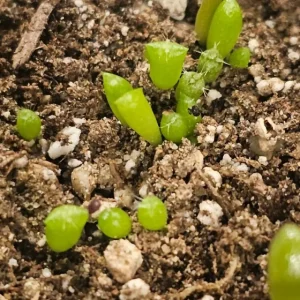
This package contains 200 Sedum seeds, providing an ample quantity to establish a significant area of succulent ground cover or to spread throughout various garden beds. The specific varieties within the spring mix will vary, but most Sedum types typically grow into clumping or spreading habits, reaching heights of 4 to 12 inches and spreading up to 18-24 inches wide, forming a dense mat over time. The seeds will arrive in a protective packet, ready for planting. Expect germination to occur within 2-4 weeks under ideal conditions, with plants establishing themselves fully within one growing season. These perennial sedum plants are long-lived, returning year after year to beautify your landscape. They are known for their easy cultivating difficulty, making them suitable for beginners. The mix is designed to offer a variety of forms and colors, ensuring a diverse and visually interesting display once mature.
Frequently Asked Questions
-
Q: How big does this succulent ground cover get? A: The Sedum plants in this spring mix typically grow to a height of 4 to 12 inches and can spread up to 18-24 inches wide, forming a dense, mat-like ground cover over time. Individual varieties may vary slightly in size.
-
Q: How much sunlight do these sedum seeds need? A: These sedum seeds thrive best in full sun, requiring at least six hours of direct sunlight per day for optimal growth and flowering. They can tolerate some partial sun but may become leggy in too much shade.
-
Q: Is this plant easy to care for? A: Yes, Sedum is renowned for its easy cultivating difficulty. Once established, these stonecrop seeds grow into very low-maintenance, drought-tolerant plants that require minimal attention, making them great for beginners.
-
Q: What condition will the sedum seeds arrive in? A: The sedum seeds will arrive in a well-packaged protective packet, ensuring their viability and readiness for planting. They are carefully handled to prevent damage during transit.
-
Q: Is perennial sedum safe for pets? A: While many Sedum varieties are generally considered non-toxic to pets, it’s always best to consult with a veterinarian regarding specific plant safety if you have curious animals who might chew on plants.
-
Q: When is the best time to plant these pollinator plants? A: The best time to sow sedum seeds is in early spring after the last frost, or in late summer to early fall. They require light for germination, so sow them on the soil surface.
-
Q: Will these stonecrop seeds survive winter in my zone? A: Most Sedum varieties are very cold resistant and are considered perennial, thriving in USDA Hardiness Zones 3-9. The specific hardiness can vary slightly by variety, but this mix is generally robust for many climates.
-
Q: What type of soil is best for growing succulent ground cover? A: Sedum prefers well-draining soil. Sandy, gritty, or gravelly soil mixes are ideal. Avoid heavy clay soils that retain too much moisture, as this can lead to root rot.
-
Q: How long will it take for the sedum seeds to germinate? A: Under optimal conditions, you can expect these sedum seeds to germinate within 2 to 4 weeks after sowing. Consistent moisture and appropriate light are key during this period.
-
Q: Do these perennial sedum plants attract any wildlife other than pollinators? A: Beyond attracting bees and butterflies as excellent pollinator plants, Sedum can also provide cover for small beneficial insects and may offer a food source for certain bird species, especially during colder months if seeds form.
Related products
-50%
Original price was: $18.76.$9.38Current price is: $9.38.
-50%

Original price was: $31.96.$15.98Current price is: $15.98.
-50%
Original price was: $32.00.$16.00Current price is: $16.00.
-50%

Original price was: $14.76.$7.38Current price is: $7.38.
-50%
From Original price was: $134.00.$67.00Current price is: $67.00.
-50%

Original price was: $14.76.$7.38Current price is: $7.38.
-50%
From Original price was: $29.96.$14.98Current price is: $14.98.
PLANTING & CARE

Growing Glencoe Raspberry: A Complete Guide for Gardeners
If you’re looking to add something unique to your garden, look no further than the
31
Mar
Mar

The Comprehensive Guide to Growing Bay Leaf Plants for a Flavorful Garden
Imagine stepping into your garden, greeted by the earthy aroma of fresh bay leaves, their
09
Feb
Feb

How to Make Comfrey Tea: The Ultimate Organic Plant Food
Growing an organic garden can be surprisingly expensive, especially when most store-bought fertilizers come in
02
Feb
Feb

True Comfrey: 7 Essential Tips Before You Plant This Herb
A staple in permaculture practices across the US, True Comfrey easily earns its reputation as
27
Jan
Jan

7 Heart-Shaped Plants for a Lasting Valentine’s Gift
If you’ve ever bought a bouquet of roses for Valentine’s Day, you know they are
26
Jan
Jan

Best Types of Ivy Plant for Houses: How to Choose the Perfect Ones for Your Home
Are you a garden lover looking to introduce some greenery into your home? Maybe you’ve
14
Nov
Nov

When to Harvest Garlic (Especially Fall-Planted Garlic)
TIMING IS EVERYTHING, they say – and for garlic, that truth hits with surprising accuracy.
13
Nov
Nov

11 of the Best Sweet Potato Varieties to Grow for Your Garden
If you’ve ever tried growing sweet potatoes, you know that picking the right variety can
12
Nov
Nov