Lemongrass Seeds – 100+ Fresh Non-GMO Cymbopogon Flexuosus for Indoor & Outdoor
-50%
Lemongrass Seeds – 100+ Fresh Non-GMO Cymbopogon Flexuosus for Indoor & Outdoor
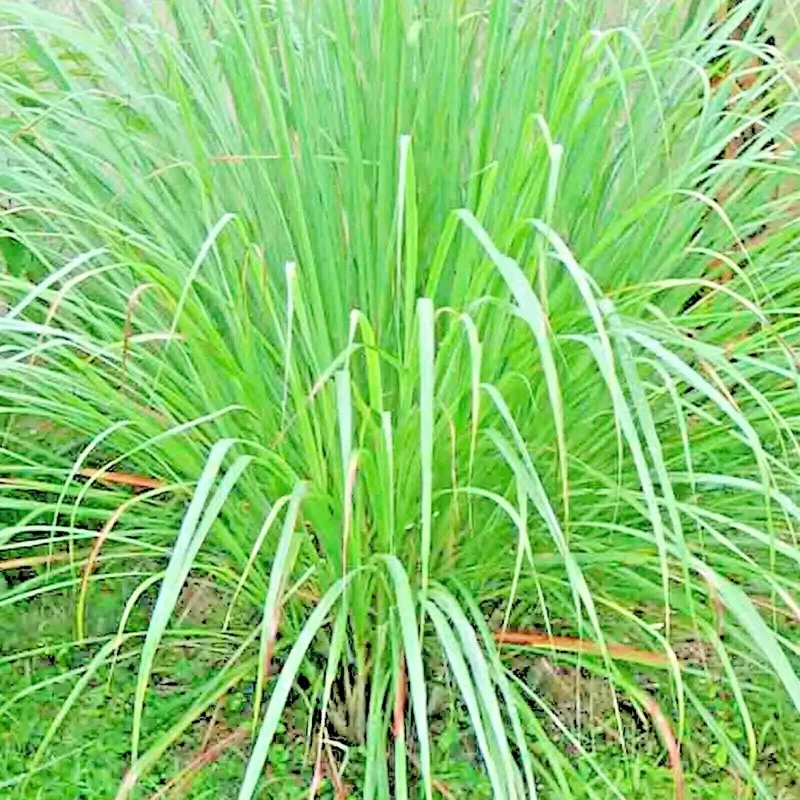
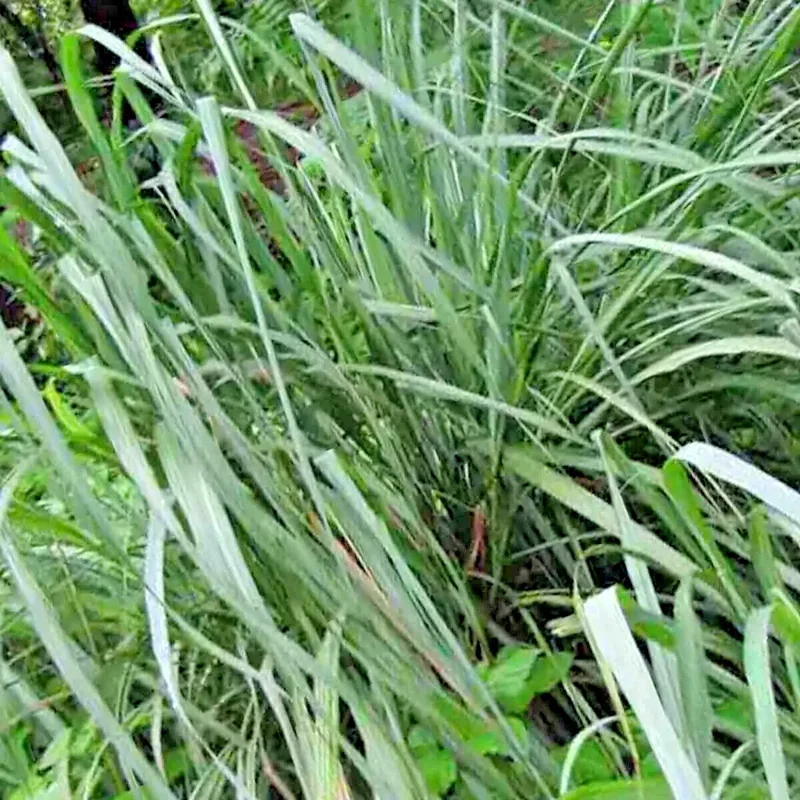
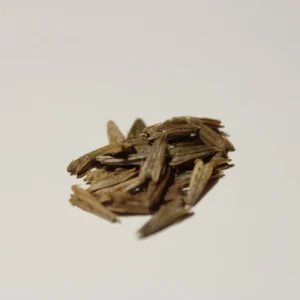
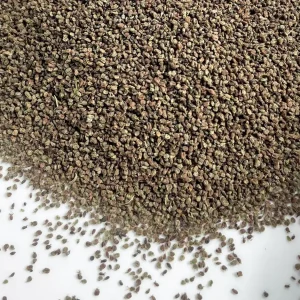
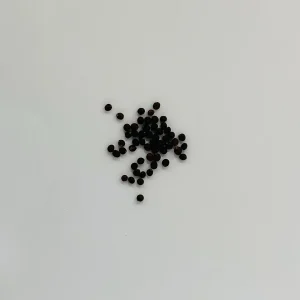
Cultivate your own aromatic and versatile lemongrass seeds with this pack of 100+ fresh, non-GMO seeds. Ideal for both indoor and outdoor gardening, these cymbopogon flexuosus seeds grow into lush, green plants perfect for cooking, teas, and natural pest control. Enjoy the ease of growing your own fresh lemongrass from seed.
Original price was: $8.12.$4.06Current price is: $4.06.

With our Alive & Thrive Guarantee, we’ve got your back for the first 30 days! If you have any concerns about your plants, just reach out to us. Our team is here to help answer your questions and guide you in selecting the best plants for your garden, climate, and unique preferences. We're excited to help you create the garden of your dreams!
Estimated arrival
Apr 04
Apr 09 - Apr 11
Apr 14 - Apr 18

Product Details
-
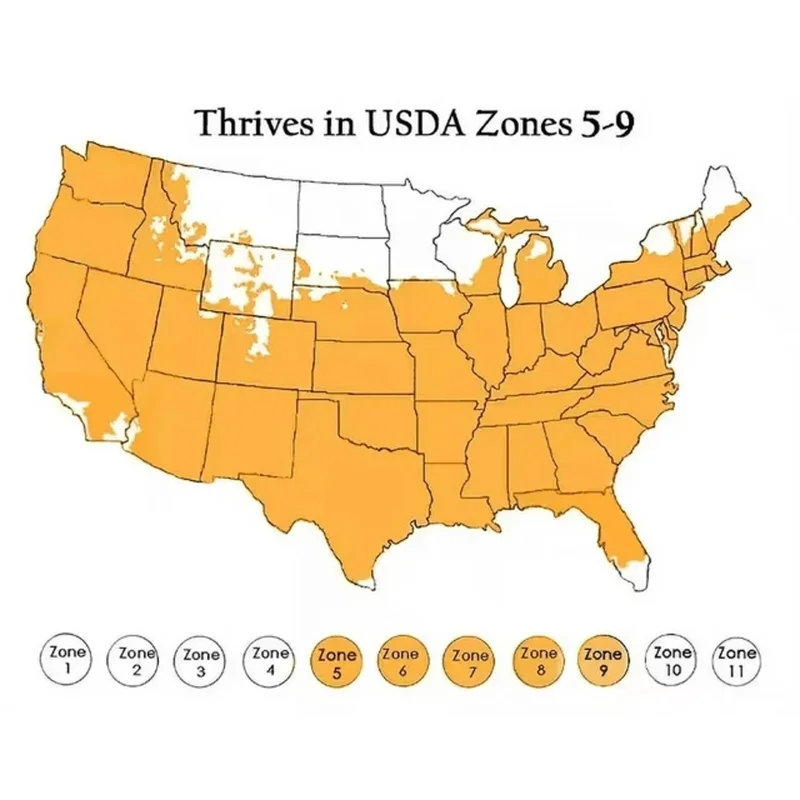
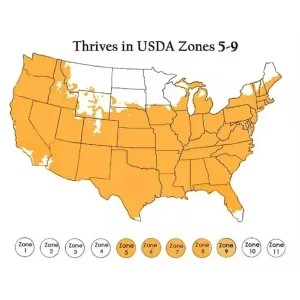
USDA Hardiness Zone
9-11 (as perennial), annual in other zones -
Soil type
Loam, Peat, Sand, Silt; well-draining -
Sunlight Exposure
Full Sun to Medium Sun -
Expected Planting Period
Spring to early summer
Overview
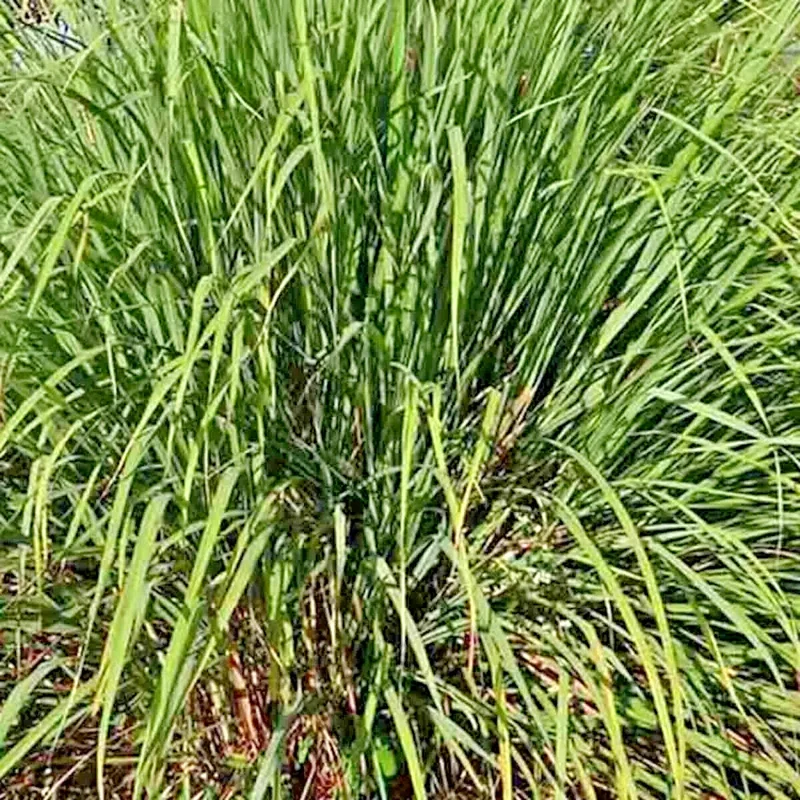
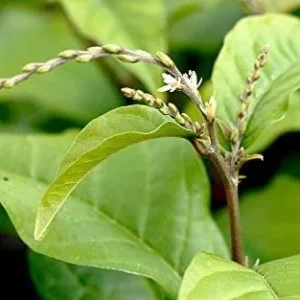
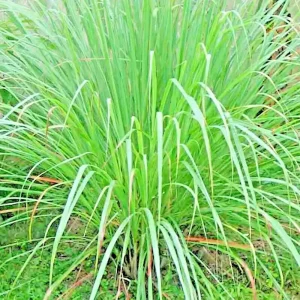
Embark on a rewarding gardening journey with our premium pack of lemongrass seeds. Each packet contains 100+ fresh, non-GMO seeds of Cymbopogon flexuosus, commonly known as Lemon Grass. This versatile perennial grass is celebrated for its distinct lemon-citrus aroma and flavor, making it an indispensable ingredient in various cuisines and herbal remedies. Growing your own lemongrass seeds offers the unique satisfaction of cultivating a plant that is both beautiful and highly functional. Whether you’re a seasoned gardener or just starting, these easy-to-grow seeds promise a bountiful harvest of this popular herb.
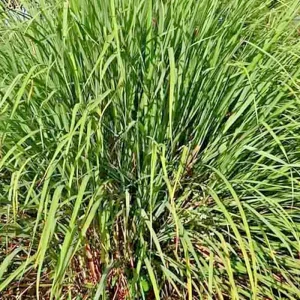
Our lemongrass seeds are carefully selected to ensure high germination rates, providing you with a head start on establishing a thriving patch. Known for its clumping growth habit and semi-evergreen foliage, lemongrass adds a tropical touch to any garden space. Beyond its culinary appeal, this plant is also renowned for its natural mosquito-repelling properties, making it a fantastic addition to patios and outdoor living areas. Discover the joy of growing fresh lemongrass and enhance your home, garden, and kitchen with its vibrant presence.
Key Benefits
Growing lemongrass seeds in your garden or indoors provides a multitude of advantages, enriching both your culinary endeavors and your living environment. These benefits make it a must-have for any plant enthusiast.
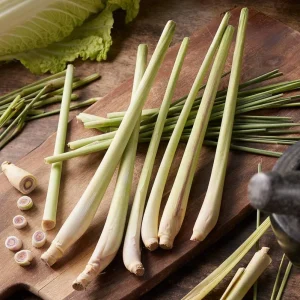
- Culinary Versatility: Harvest fresh stalks and leaves to infuse your dishes with a zesty, citrusy flavor. Perfect for Thai, Vietnamese, and other Asian cuisines, fresh lemongrass can be used in soups, curries, stir-fries, and marinades.
- Natural Mosquito Repellent: The natural oils in lemongrass, particularly citral, act as an effective deterrent against mosquitoes. Planting them around your patio or outdoor seating areas can help keep pests at bay.
- Aromatic & Ornamental Appeal: The tall, graceful, green blades of lemongrass add an elegant, architectural element to your garden. Its refreshing aroma also uplifts the atmosphere.
- Air Purifying Qualities: Like many plants, lemongrass contributes to cleaner air by absorbing toxins and releasing oxygen, improving the air quality in your home or garden.
- Medicinal & Herbal Uses: Beyond flavor, lemongrass is often used in herbal teas and traditional remedies for its purported digestive and anti-inflammatory benefits. Cultivating cymbopogon flexuosus seeds allows you to access these benefits directly.
- Easy to Grow: These non-GMO lemongrass seeds are known for their ease of cultivation, making them suitable for gardeners of all experience levels. With proper care, they establish quickly and thrive.
- Heirloom & Non-GMO: Our seeds are heirloom quality and non-genetically modified, ensuring you grow plants true to type and can save seeds for future harvests.
Plant Care & Growing Tips
Successfully growing lemongrass seeds requires attention to a few key environmental factors, but the plant is generally forgiving and rewarding. Begin by planting your cymbopogon flexuosus seeds indoors about 5 weeks before the last frost date, or directly outdoors once soil temperatures consistently reach 65°F (18°C) or higher. Sow seeds shallowly, covering them with just a thin layer of soil, and keep the soil consistently moist until germination, which typically occurs within 10-20 days. Once seedlings are established, thin them to about 12-18 inches apart to allow for proper growth.
Sunlight requirements: Lemongrass thrives in full sun, needing at least 6-8 hours of direct sunlight per day to produce strong, flavorful stalks. While it can tolerate medium sun, full sun exposure will yield the best results. For indoor plants, place them in a south-facing window or under grow lights. Watering schedule and soil moisture preferences: This plant prefers consistently moist soil but dislikes being waterlogged. Water regularly, especially during dry spells, allowing the top inch of soil to dry out slightly between waterings. Reduce watering in cooler months. Soil type and drainage requirements: Plant your lemongrass in rich, well-draining soil. A mix of loam, peat, sand, and silt is ideal. Good drainage is crucial to prevent root rot. Temperature range and USDA hardiness zone: Lemongrass is a perennial in USDA zones 9-11, where it can be grown outdoors year-round. In cooler climates, it can be grown as an annual or brought indoors before the first frost. It prefers warm temperatures above 50°F (10°C). Fertilization schedule and type: Fertilize every 2-4 weeks during the growing season with a balanced liquid fertilizer. Common problems and solutions: Overwatering can lead to root rot. Ensure good drainage. Pests are rarely an issue due to the plant’s natural pest-repelling properties, but occasional checks for aphids or spider mites are advisable. These tips will help you grow robust non-GMO lemongrass plants.
Size & Details
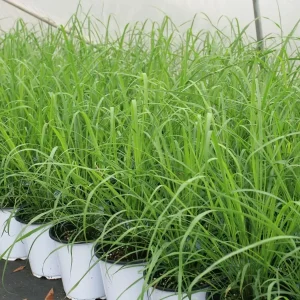
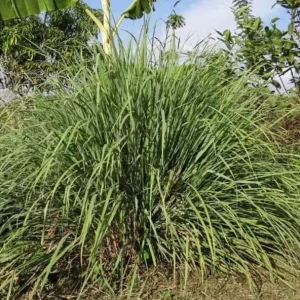
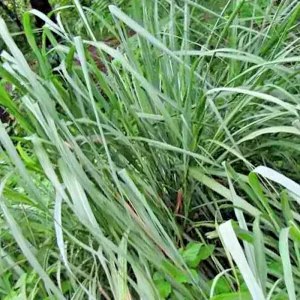
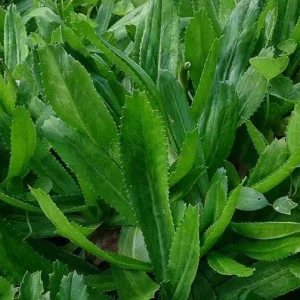
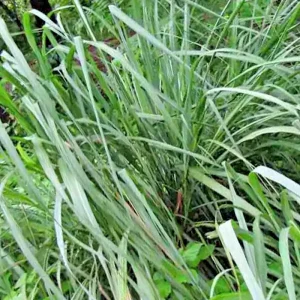
Our offering includes 100+ high-quality lemongrass seeds, ensuring you have ample opportunity to establish a flourishing garden. These seeds, belonging to the species Cymbopogon flexuosus, are designed to grow into impressive clumps of vibrant green foliage. Mature lemongrass plants typically reach a height of 3 to 5 feet and a width of 1 to 2 feet, creating a striking presence in any garden setting. The growth habit is clumping, meaning it forms dense clusters of stalks that can be easily harvested.
These lemongrass seeds are ideal for both indoor and outdoor cultivation, making them adaptable to various climates and gardening preferences. When grown outdoors in appropriate zones, it’s a perennial, returning year after year. Indoors, it can be maintained as a houseplant, providing fresh leaves whenever needed. The plant’s fast-growing nature means you’ll see significant development within a single growing season. Expect to start harvesting the aromatic stalks within 3-5 months from planting, with peak flavor developing as the plant matures. These seeds will provide you with a continuous supply of fresh lemongrass for all your culinary and aromatic needs.
Frequently Asked Questions
- Q: How many lemongrass seeds are included in this pack? A: Each pack contains 100+ fresh, non-GMO lemongrass seeds, providing an abundant supply for multiple plantings or a large garden area. This ensures a high chance of successful germination and a robust harvest.
- Q: Is this an indoor or outdoor plant? A: Lemongrass is incredibly versatile and can be grown both indoors and outdoors. It thrives outdoors in warm climates (USDA zones 9-11) as a perennial, and can be grown as an annual or brought indoors in cooler regions.
- Q: How big does a mature lemongrass plant get? A: A mature lemongrass plant typically grows to a height of 3 to 5 feet with a spread of 1 to 2 feet, forming dense, clumping foliage. Its impressive size makes it a great statement plant in the garden.
- Q: What are the sunlight requirements for growing cymbopogon flexuosus seeds? A: Lemongrass requires at least 6-8 hours of full sun daily for optimal growth and flavor development. While it can tolerate some partial shade, consistent bright light is best for healthy plants.
- Q: Is non-GMO lemongrass easy to care for, especially for beginners? A: Yes, lemongrass is considered an easy-to-grow plant, making it suitable for beginners. Its main requirements are plenty of sunlight, consistent moisture, and well-draining soil.
- Q: When is the best time to plant lemongrass seeds? A: For best results, sow seeds indoors about 5 weeks before the last expected frost or directly outdoors after all danger of frost has passed and soil temperatures are consistently warm.
- Q: Can I use the lemongrass from these seeds in cooking? A: Absolutely! These fresh lemongrass seeds will produce plants with stalks and leaves perfect for culinary applications, adding a distinctive lemon-citrus flavor to your dishes and teas.
- Q: What kind of soil does lemongrass prefer? A: Lemongrass prefers rich, well-draining soil. A good potting mix amended with compost or a garden soil that includes loam, peat, sand, and silt will provide the ideal growing conditions.
- Q: Will growing lemongrass help with mosquitoes? A: Yes, lemongrass contains natural compounds like citronella that are known for their mosquito-repelling properties. Planting it around your outdoor living spaces can act as a natural deterrent.
- Q: What are the key attributes of this specific variety of lemongrass seeds? A: Key attributes include being non-GMO, heirloom quality, semi-evergreen foliage, edible, fast-growing, and possessing natural mosquito repellent and pest repellent features. It is also an ornamental grass with medicinal properties.
Related products
-50%
Original price was: $26.76.$13.38Current price is: $13.38.
-50%
Original price was: $42.76.$21.38Current price is: $21.38.
-50%
Original price was: $14.76.$7.38Current price is: $7.38.
-50%
Original price was: $34.76.$17.38Current price is: $17.38.

-50%
Original price was: $32.00.$16.00Current price is: $16.00.
-50%
Original price was: $32.00.$16.00Current price is: $16.00.
PLANTING & CARE

Growing Glencoe Raspberry: A Complete Guide for Gardeners
If you’re looking to add something unique to your garden, look no further than the
31
Mar
Mar

The Comprehensive Guide to Growing Bay Leaf Plants for a Flavorful Garden
Imagine stepping into your garden, greeted by the earthy aroma of fresh bay leaves, their
09
Feb
Feb

How to Make Comfrey Tea: The Ultimate Organic Plant Food
Growing an organic garden can be surprisingly expensive, especially when most store-bought fertilizers come in
02
Feb
Feb

True Comfrey: 7 Essential Tips Before You Plant This Herb
A staple in permaculture practices across the US, True Comfrey easily earns its reputation as
27
Jan
Jan

7 Heart-Shaped Plants for a Lasting Valentine’s Gift
If you’ve ever bought a bouquet of roses for Valentine’s Day, you know they are
26
Jan
Jan

Best Types of Ivy Plant for Houses: How to Choose the Perfect Ones for Your Home
Are you a garden lover looking to introduce some greenery into your home? Maybe you’ve
14
Nov
Nov

When to Harvest Garlic (Especially Fall-Planted Garlic)
TIMING IS EVERYTHING, they say – and for garlic, that truth hits with surprising accuracy.
13
Nov
Nov

11 of the Best Sweet Potato Varieties to Grow for Your Garden
If you’ve ever tried growing sweet potatoes, you know that picking the right variety can
12
Nov
Nov