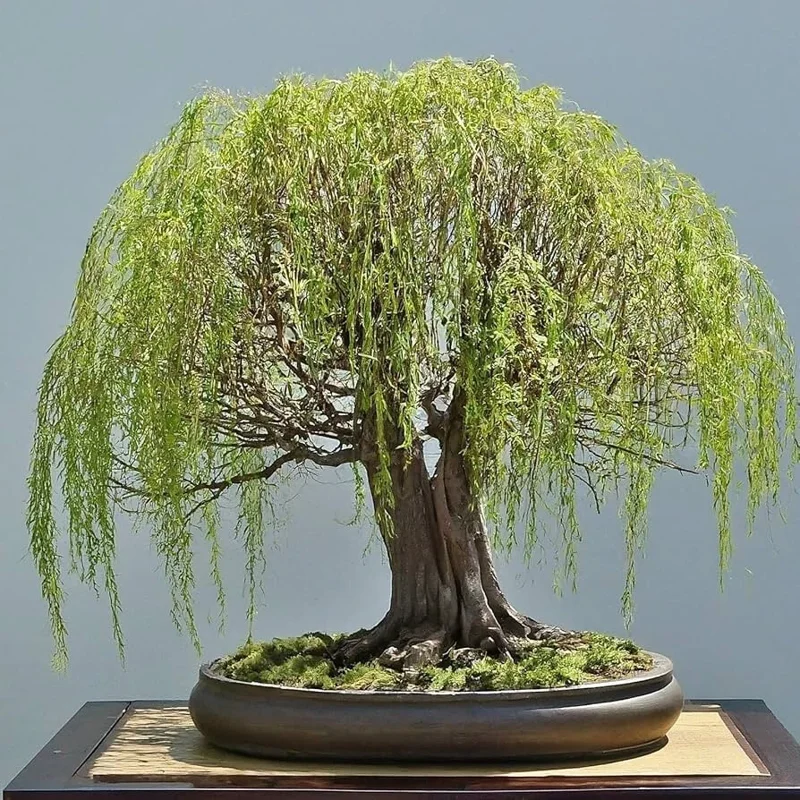
Bonsai Green Weeping Willow Tree Seeds – Thick Trunk Willow – 5 Count – Indoor & Outdoor
-50%







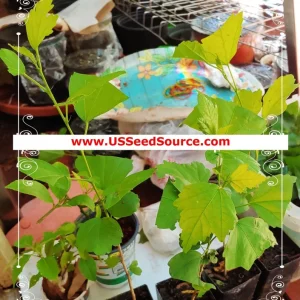

Bonsai Green Weeping Willow Tree Seeds – Thick Trunk Willow – 5 Count – Indoor & Outdoor
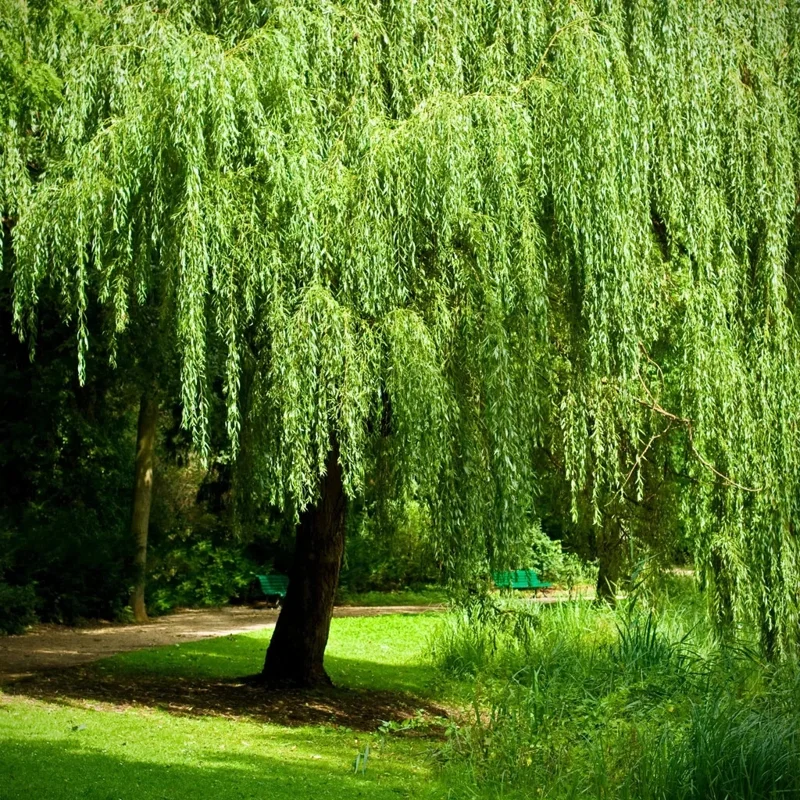
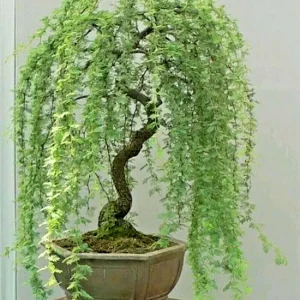
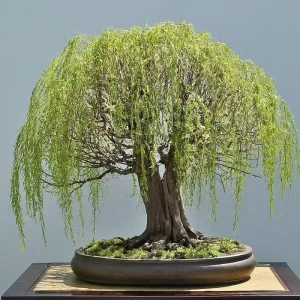
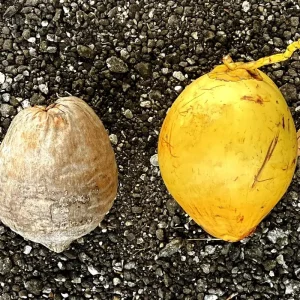
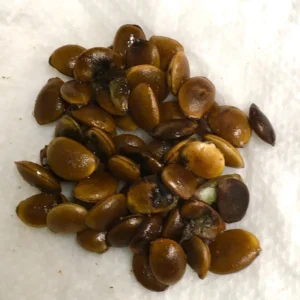
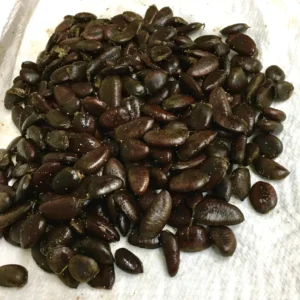
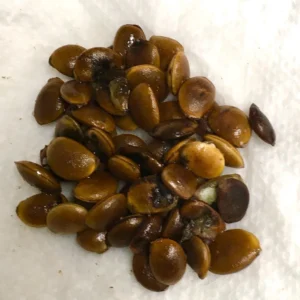
Begin your journey into bonsai with these premium weeping willow bonsai seeds. Each pack contains 5 seeds for growing a beautiful miniature Weeping Willow, known for its elegant cascading branches and characteristic thick trunk. Suitable for both indoor cultivation and outdoor garden display, these rare bonsai seeds offer a unique gardening experience.
Original price was: $22.76.$11.38Current price is: $11.38.

With our Alive & Thrive Guarantee, we’ve got your back for the first 30 days! If you have any concerns about your plants, just reach out to us. Our team is here to help answer your questions and guide you in selecting the best plants for your garden, climate, and unique preferences. We're excited to help you create the garden of your dreams!
Estimated arrival
Mar 22
Mar 27 - Mar 29
Apr 01 - Apr 05





Product Details
-
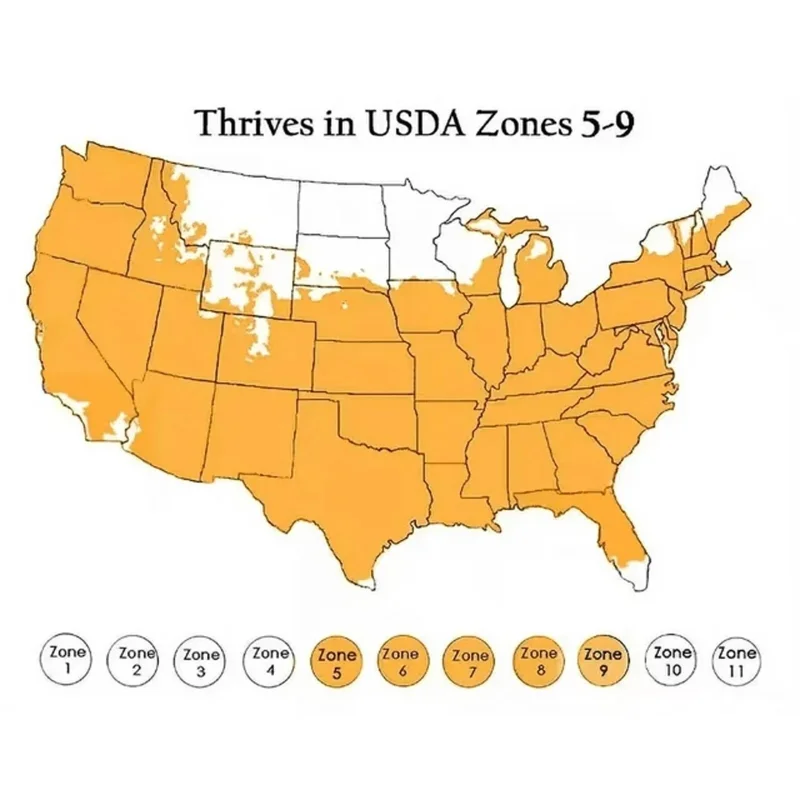
USDA Hardiness Zone
USDA Zones 4-9 -
Soil type
Moist, well-draining soil -
Sunlight Exposure
Full sun to partial shade -
Expected Planting Period
Late winter to early spring
Overview
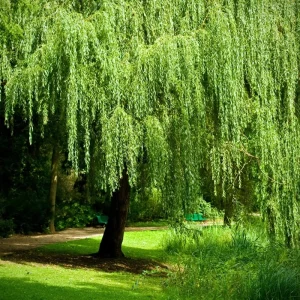
Embark on the rewarding art of bonsai with our premium weeping willow bonsai seeds. This collection provides five high-quality seeds, meticulously selected for their potential to grow into stunning miniature Weeping Willow trees. The Weeping Willow (Salix babylonica) is celebrated for its graceful, pendulous branches and often develops a captivating thick trunk, making it an exceptional subject for bonsai enthusiasts. Whether you are a seasoned bonsai artist or a beginner eager to cultivate something truly special, these seeds offer an exciting opportunity to nurture a living work of art. The natural elegance of the Weeping Willow, with its vibrant green foliage, brings a sense of tranquility and beauty to any setting, transforming your space into a serene haven. Cultivating a weeping willow bonsai seeds allows for a deep connection with nature and the artistic expression of shaping a tree over time.
These weeping willow bonsai seeds are ideal for creating a focal point in your home or garden. The process of growing a bonsai from seed is incredibly fulfilling, offering a unique perspective on the life cycle of a tree. Weeping Willows are known for their relatively fast growth, which can accelerate the bonsai training process compared to other species. This makes them a great choice for those looking to see progress within a reasonable timeframe. With proper care and attention, your weeping willow bonsai seeds will flourish, developing the iconic form that makes this tree so beloved.
Key Benefits
Growing a Weeping Willow bonsai offers numerous advantages, from aesthetic appeal to the therapeutic benefits of horticulture. These weeping willow bonsai seeds provide an accessible entry point into this fascinating hobby, delivering several key benefits:
- Graceful Aesthetic: The distinctive cascading foliage of the Weeping Willow creates a calming and elegant visual, perfect for enhancing any indoor or outdoor space. Its natural beauty is unparalleled, making it a living sculpture.
- Beginner-Friendly Bonsai: Weeping Willows are known for their resilience and rapid growth, which can be advantageous for beginners learning the techniques of bonsai shaping and pruning. They are forgiving and respond well to training.
- Thick Trunk Potential: With consistent care and appropriate training, these seeds can develop into a bonsai with a robust and impressive thick trunk, adding character and age to your miniature tree. This feature is highly sought after in bonsai.
- Adaptable Growth: Suitable for both indoor environments with adequate light and humidity, or as an outdoor feature in appropriate climates, offering flexibility in where you can cultivate your bonsai.
- Therapeutic Hobby: The art of bonsai is a meditative and stress-reducing activity, promoting patience and mindfulness as you tend to your living masterpiece. It’s a journey of growth, both for the tree and yourself.
- Long-Term Beauty: A well-cared-for Weeping Willow bonsai can provide years, even decades, of enjoyment and natural beauty, becoming a cherished part of your home or garden.
- Unique Garden Addition: Owning a weeping willow bonsai seeds is a conversation starter and a unique alternative to common houseplants or garden shrubs, demonstrating your dedication to sophisticated plant care.
Plant Care & Growing Tips
Cultivating a weeping willow bonsai seeds requires specific care to ensure its healthy development and iconic form. Weeping Willows thrive in moist conditions and prefer full sun to partial shade. When growing from seed, it’s crucial to provide a consistently humid environment for germination. Once germinated, the young seedlings will need plenty of light. If grown indoors, supplement natural light with a grow light for at least 6-8 hours daily. For outdoor cultivation, choose a location that receives at least 6 hours of direct sunlight, especially in cooler climates. In hotter regions, some afternoon shade can prevent scorching.
Watering is paramount for Weeping Willows. They are naturally found near water sources, indicating their need for abundant moisture. Keep the soil consistently moist, but not waterlogged, to prevent root rot. Good drainage is essential, so use a well-draining potting mix that retains some moisture. A mix of akadama, pumice, and lava rock, or a quality general-purpose potting soil with added perlite, works well. Fertilize your weeping willow bonsai seeds regularly during the growing season (spring through late summer) with a balanced liquid fertilizer diluted to half strength. Reduce fertilization in fall and cease completely in winter. Pruning and wiring are key to shaping your thick trunk bonsai. Begin shaping early, focusing on developing a strong root flare and trunk taper. Protect outdoor bonsai from harsh winter conditions by moving them to a sheltered location or unheated garage.
Size & Details
This product includes 5 high-quality weeping willow bonsai seeds, ready for planting. While the ultimate size of your bonsai will depend on your training and environment, Weeping Willows typically exhibit fast growth, allowing for quicker development of a substantial trunk and branching structure. The seeds are intended to sprout into seedlings that, with proper care, can begin to be shaped into a bonsai form within a year or two. Expect your young bonsai to reach a height of 6-12 inches in its initial years, gradually increasing with continued care and growth. The goal in bonsai is to create a miniature representation of a full-sized tree, so constant pruning and root trimming will control its overall dimensions. These seeds provide the foundation for a beautiful, long-lived thick trunk bonsai that can be enjoyed for many years.
Frequently Asked Questions
- Q: How big does this plant get as a bonsai? A: A Weeping Willow bonsai’s size is controlled through consistent pruning and root trimming. While the tree has the potential for rapid growth, it can be maintained at a compact size, typically ranging from 1 to 3 feet tall and wide, depending on your training style and desired aesthetic.
- Q: What size pot should I use for my weeping willow bonsai seeds? A: For germination, start with a shallow tray or small pots with good drainage. Once seedlings are established, transplant them into slightly larger training pots, gradually increasing the pot size as the bonsai develops. Bonsai pots are typically shallow to encourage surface root development.
- Q: Is this an indoor or outdoor plant? A: Weeping Willows are generally outdoor trees, but young bonsai can be kept indoors with sufficient light and humidity. They thrive outdoors and are hardy in many climates. If kept indoors, ensure it receives bright, indirect light and consider misting regularly to maintain humidity.
- Q: How much sunlight does it need? A: Your weeping willow bonsai seeds and subsequent tree will prefer full sun to partial shade. Aim for at least 6 hours of direct sunlight daily for optimal growth. If grown indoors, a south-facing window or supplemental grow lights are highly recommended.
- Q: Is this plant easy to care for? A: Weeping Willows are relatively vigorous growers, which can make them forgiving for beginners in bonsai. However, they do require consistent watering and regular pruning to maintain their bonsai form. The process of growing weeping willow bonsai seeds is a journey, not a sprint.
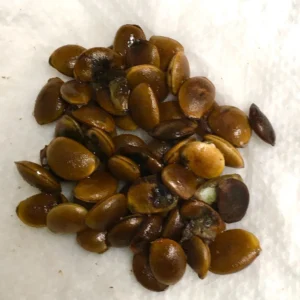
- Q: What condition will the seeds arrive in? A: Your weeping willow bonsai seeds will arrive as fresh, viable seeds, ready for stratification and planting. They are carefully packaged to ensure their integrity during transit, giving you the best chance for successful germination.
- Q: Can I really grow a thick trunk bonsai from these seeds? A: Yes, with proper care, consistent feeding, and specific training techniques like trunk thickening methods (e.g., growing out sacrificial branches), you can encourage your Weeping Willow bonsai to develop a substantial and impressive thick trunk bonsai over time.
- Q: When is the best time to plant weeping willow bonsai seeds? A: The best time to plant weeping willow bonsai seeds is typically in late winter or early spring, after a period of cold stratification. This mimics their natural germination cycle and increases success rates.
- Q: Will it survive winter in my zone? A: Weeping Willows are generally hardy in USDA Zones 4-9. If you live in a colder zone, outdoor bonsai will need winter protection, such as being moved to an unheated garage or buried in the ground for insulation.
- Q: What’s the minimum temperature it can tolerate? A: Mature Weeping Willows can tolerate temperatures down to about -20°F (-29°C) when dormant. However, bonsai, especially younger ones, are more vulnerable due to their restricted root systems and should be protected from prolonged freezing temperatures below 20°F (-6°C).
Related products
-50%
Original price was: $23.96.$11.98Current price is: $11.98.
-50%
Original price was: $75.96.$37.98Current price is: $37.98.
-20%


Original price was: $25.00.$20.00Current price is: $20.00.
-50%

Original price was: $107.96.$53.98Current price is: $53.98.
-20%

Original price was: $40.00.$32.00Current price is: $32.00.
-20%

Original price was: $25.00.$20.00Current price is: $20.00.
-15%
From Original price was: $20.00.$17.00Current price is: $17.00.
-20%

Original price was: $38.00.$30.40Current price is: $30.40.
PLANTING & CARE

The Comprehensive Guide to Growing Bay Leaf Plants for a Flavorful Garden
Imagine stepping into your garden, greeted by the earthy aroma of fresh bay leaves, their
09
Feb
Feb

How to Make Comfrey Tea: The Ultimate Organic Plant Food
Growing an organic garden can be surprisingly expensive, especially when most store-bought fertilizers come in
02
Feb
Feb

True Comfrey: 7 Essential Tips Before You Plant This Herb
A staple in permaculture practices across the US, True Comfrey easily earns its reputation as
27
Jan
Jan

7 Heart-Shaped Plants for a Lasting Valentine’s Gift
If you’ve ever bought a bouquet of roses for Valentine’s Day, you know they are
26
Jan
Jan

Best Types of Ivy Plant for Houses: How to Choose the Perfect Ones for Your Home
Are you a garden lover looking to introduce some greenery into your home? Maybe you’ve
14
Nov
Nov

When to Harvest Garlic (Especially Fall-Planted Garlic)
TIMING IS EVERYTHING, they say – and for garlic, that truth hits with surprising accuracy.
13
Nov
Nov

11 of the Best Sweet Potato Varieties to Grow for Your Garden
If you’ve ever tried growing sweet potatoes, you know that picking the right variety can
12
Nov
Nov
Pruning Bougainvillea for Winter
Bougainvillea vines are known for their dazzling display of magenta, orange, and fuchsia bracts that
05
Nov
Nov