25+ Malabar Spinach Seeds – Mong Toi Ceylon Vine Spinach – GMO Free Perennial Vegetable Seeds
-50%
25+ Malabar Spinach Seeds – Mong Toi Ceylon Vine Spinach – GMO Free Perennial Vegetable Seeds
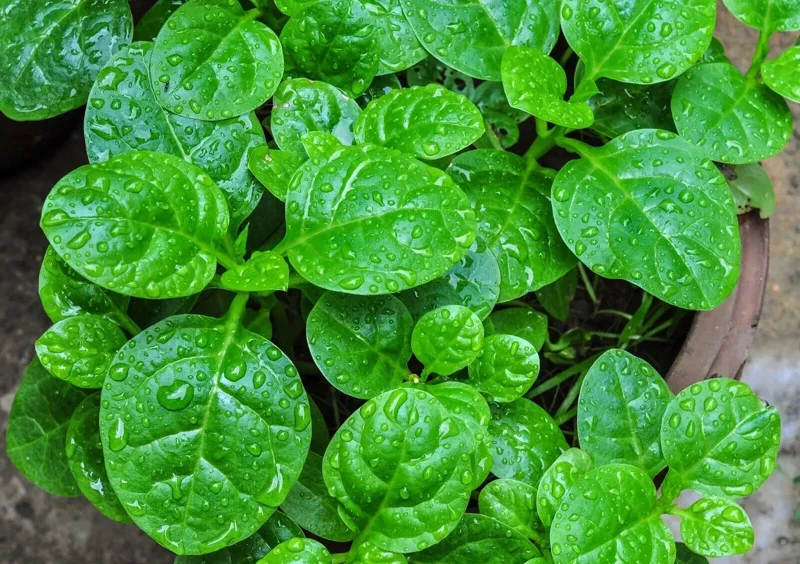
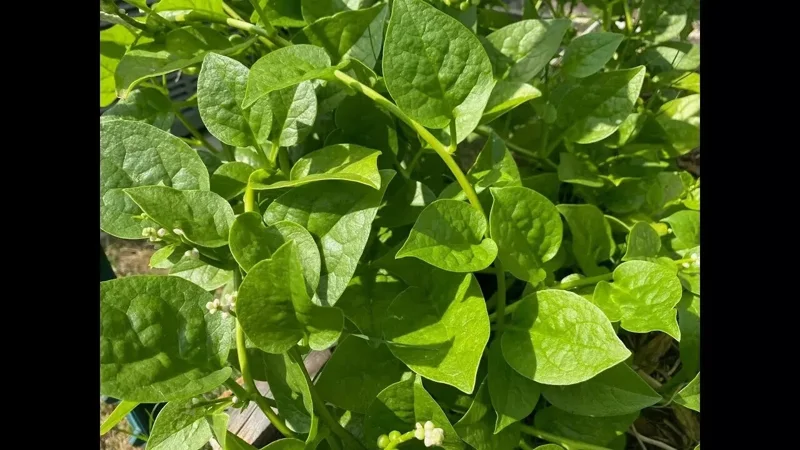
Cultivate delicious and nutritious Malabar Spinach seeds in your own garden. These 25+ GMO free spinach seeds produce a fast-growing, climbing vine known for its tender green leaves. Perfect for spring and summer planting, this perennial spinach seeds variety is an easy-to-grow addition to any outdoor vegetable patch.
Original price was: $14.76.$7.38Current price is: $7.38.

With our Alive & Thrive Guarantee, we’ve got your back for the first 30 days! If you have any concerns about your plants, just reach out to us. Our team is here to help answer your questions and guide you in selecting the best plants for your garden, climate, and unique preferences. We're excited to help you create the garden of your dreams!
Estimated arrival
Apr 03
Apr 08 - Apr 10
Apr 13 - Apr 17


Product Details
-
USDA Hardiness Zone
USDA zones 9-11 (as perennial), otherwise annual -
Soil type
Loam, Sand (well-draining, rich in organic matter) -
Sunlight Exposure
Full Sun -
Expected Planting Period
Spring, Summer
Overview
Embark on a rewarding gardening journey with these high-quality Malabar Spinach seeds. Known botanically as Basella alba, Malabar Spinach is a heat-loving, leafy green vegetable that thrives in warm climates where traditional spinach struggles. Also referred to as Mong Toi seeds or Ceylon Vine Spinach, this versatile plant is not a true spinach but offers a similar flavor profile and texture, making it an excellent substitute in various culinary applications. Each packet contains 25+ premium, GMO free spinach seeds, ensuring a healthy and natural start for your garden. This plant’s vigorous climbing habit makes it an attractive and productive addition to trellises, fences, or as a ground cover, producing an abundant harvest of tender, succulent leaves and stems. Its vibrant green foliage and rapid growth make it a favorite among gardeners looking for an easy-to-manage and highly rewarding crop.
Malabar Spinach is a true garden gem, providing continuous harvests throughout the warmer months. Unlike its temperate-loving namesake, this vine spinach flourishes in intense heat and humidity, making it an ideal choice for gardeners in Southern states or those experiencing long, hot summers. The fresh leaves have a mild, slightly peppery taste with a hint of citrus, perfect for salads, stir-fries, or steaming. Enjoy the satisfaction of growing your own nutrient-rich greens right in your backyard with these reliable and productive seeds.
Key Benefits
Growing Malabar Spinach seeds offers a multitude of advantages for both your garden and your health. This robust plant is not only easy to cultivate but also provides a continuous supply of fresh, nutritious greens. Here are some of the key benefits:
- Fast-Growing & Productive: Enjoy a continuous harvest of tender leaves and stems throughout the warm season. This vine grows quickly, providing an abundant yield.
- Heat-Tolerant: Unlike traditional spinach, Ceylon Vine Spinach thrives in hot, humid climates, making it perfect for summer gardens where other greens bolt.
- Nutrient-Rich: The leaves are packed with vitamins A and C, iron, and calcium, contributing to a healthy diet.
- Versatile Culinary Use: Use fresh in salads, cooked in stir-fries, soups, or steamed dishes. The mucilaginous texture adds a unique quality to many recipes.
- Ornamental Appeal: Its attractive climbing habit and lush green foliage make it a beautiful edible landscape plant for trellises and fences.
- Easy to Cultivate: With minimal care, these perennial spinach seeds are suitable for both beginner and experienced gardeners, offering an easy path to fresh produce.
- GMO-Free Assurance: All 25+ seeds are guaranteed GMO free spinach, ensuring a natural and healthy crop for your family.
Plant Care & Growing Tips
To ensure successful growth of your Malabar Spinach seeds, proper care and attention to its environmental needs are crucial. This vine thrives in warm conditions and requires a sturdy support structure for its climbing habit. Plant seeds directly outdoors after the last frost, when soil temperatures are consistently above 65°F (18°C). Sow seeds about 1/2 inch deep and 6-12 inches apart, in rows 12-18 inches apart. Germination typically occurs within 10-21 days. For an earlier start, seeds can be soaked in warm water for 24 hours prior to planting to hasten germination. Provide a trellis, fence, or stakes for the vines to climb, ensuring good air circulation and preventing fungal issues.
Sunlight requirements: Malabar Spinach prefers full sun, meaning at least 6-8 hours of direct sunlight per day. While it can tolerate partial shade, especially in extremely hot climates, full sun encourages the most vigorous growth and highest yields. Watering schedule: Keep the soil consistently moist, but not waterlogged. Regular watering is essential, especially during dry spells and when the plant is actively growing. Deep watering encourages a strong root system. Soil type and drainage: This plant thrives in rich, well-draining soil with a pH between 6.5 and 7.0. Amend heavy clay soils with compost or organic matter to improve drainage and fertility. Temperature range and USDA hardiness zone: Malabar Spinach is a warm-season crop, ideally grown in temperatures between 75-90°F (24-32°C). It is typically grown as an annual in most regions, but can be a perennial spinach seeds in USDA zones 9-11. It is not frost-tolerant. Fertilization: Fertilize every 3-4 weeks with a balanced organic fertilizer to support its rapid growth and continuous production. Common problems and solutions: Generally pest and disease resistant, watch out for common garden pests like aphids or spider mites, which can be managed with organic insecticidal soaps. Ensure adequate air circulation to prevent powdery mildew in humid conditions.
Size & Details
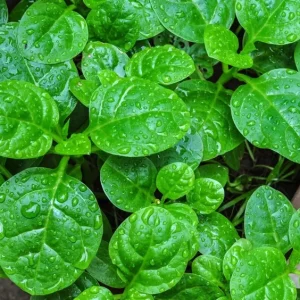
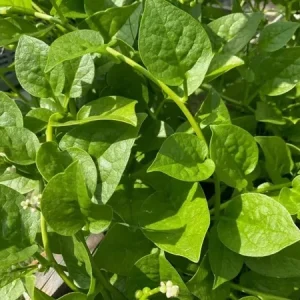
This offering includes 25+ high-quality Malabar Spinach seeds, ready for planting. Once established, the Malabar Spinach vine can grow quite vigorously, typically reaching lengths of 6-10 feet (1.8-3 meters) or more when provided with adequate support. The lush green leaves are heart-shaped or oval, growing to about 2-4 inches (5-10 cm) in length. The stems are thick and succulent, often taking on a reddish or green hue depending on the variety. These seeds will produce plants that are ideal for vertical gardening, making the most of smaller garden spaces. You can expect to start harvesting leaves approximately 50-70 days after planting, with continuous production until the first frost. The plants are shipped as a seed packet, ensuring they are ready for planting upon arrival. These unbranded Mong Toi seeds are selected for their viability and vigor, offering an excellent foundation for a productive edible garden.
Frequently Asked Questions
- Q: How big does this Malabar Spinach plant get? A: When provided with proper support, Ceylon Vine Spinach can grow quite long, typically reaching lengths of 6 to 10 feet. Its vigorous climbing habit makes it suitable for trellises and fences.
- Q: Is this an indoor or outdoor plant? A: While primarily grown outdoors as a warm-season annual or perennial in tropical zones, it can be grown indoors in a large pot near a sunny window with adequate support during colder months.
- Q: How much sunlight does Malabar Spinach need? A: Malabar Spinach seeds thrive in full sun, requiring at least 6-8 hours of direct sunlight daily for optimal growth and leaf production. It can tolerate partial shade in very hot climates.
- Q: Is this plant easy to care for? A: Yes, Malabar Spinach is considered an easy-to-grow plant, especially in warm climates. It requires consistent moisture and a support structure, but is generally low-maintenance and resistant to many pests and diseases.
- Q: Can I use Malabar Spinach in cooking? A: Absolutely! The leaves and young stems of GMO free spinach are highly edible and can be used like traditional spinach in salads, stir-fries, soups, curries, and steamed dishes.
- Q: When is the best time to plant these perennial spinach seeds? A: The best time to plant Malabar Spinach seeds is in the spring, after all danger of frost has passed and soil temperatures have warmed up, typically above 65°F (18°C).
- Q: Will Malabar Spinach survive winter in my zone? A: Malabar Spinach is a tropical plant and is not frost-tolerant. It will survive winter only in USDA Hardiness Zones 9-11 as a perennial. In colder zones, it is grown as an annual.
- Q: What soil type is best for growing Malabar Spinach? A: Malabar Spinach prefers rich, well-draining soil with a neutral to slightly acidic pH. Amending the soil with compost or other organic matter will greatly benefit its growth.
- Q: How long until I can harvest the leaves of Malabar Spinach? A: You can typically begin harvesting the tender leaves and young stems of your Malabar Spinach seeds plants approximately 50 to 70 days after planting.
- Q: Are these Malabar Spinach seeds organic? A: While these seeds are guaranteed GMO free spinach, specific organic certification is not stated. They are natural and untreated.
Related products
-50%

Original price was: $59.96.$29.98Current price is: $29.98.
-50%

Original price was: $15.00.$7.50Current price is: $7.50.
-48%
Original price was: $28.99.$14.99Current price is: $14.99.
-50%
Original price was: $181.98.$90.99Current price is: $90.99.
-50%
Original price was: $17.00.$8.50Current price is: $8.50.
-48%
Original price was: $28.99.$14.99Current price is: $14.99.
-50%

Original price was: $39.96.$19.98Current price is: $19.98.
PLANTING & CARE
Growing Glencoe Raspberry: A Complete Guide for Gardeners
If you’re looking to add something unique to your garden, look no further than the
31
Mar
Mar

The Comprehensive Guide to Growing Bay Leaf Plants for a Flavorful Garden
Imagine stepping into your garden, greeted by the earthy aroma of fresh bay leaves, their
09
Feb
Feb

How to Make Comfrey Tea: The Ultimate Organic Plant Food
Growing an organic garden can be surprisingly expensive, especially when most store-bought fertilizers come in
02
Feb
Feb

True Comfrey: 7 Essential Tips Before You Plant This Herb
A staple in permaculture practices across the US, True Comfrey easily earns its reputation as
27
Jan
Jan

7 Heart-Shaped Plants for a Lasting Valentine’s Gift
If you’ve ever bought a bouquet of roses for Valentine’s Day, you know they are
26
Jan
Jan

Best Types of Ivy Plant for Houses: How to Choose the Perfect Ones for Your Home
Are you a garden lover looking to introduce some greenery into your home? Maybe you’ve
14
Nov
Nov

When to Harvest Garlic (Especially Fall-Planted Garlic)
TIMING IS EVERYTHING, they say – and for garlic, that truth hits with surprising accuracy.
13
Nov
Nov

11 of the Best Sweet Potato Varieties to Grow for Your Garden
If you’ve ever tried growing sweet potatoes, you know that picking the right variety can
12
Nov
Nov