Himalayan Blue Poppy Meconopsis Seeds – Perennial Flowering Plant – 5000 Seeds
-50%

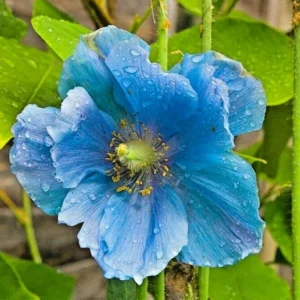
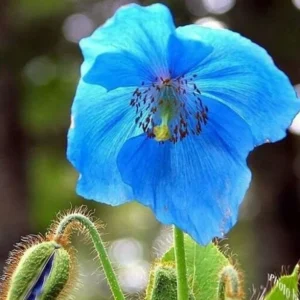
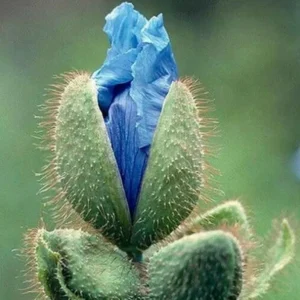
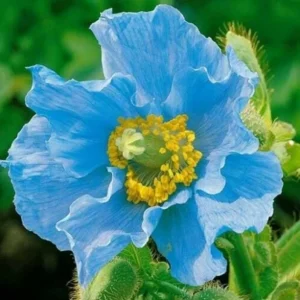
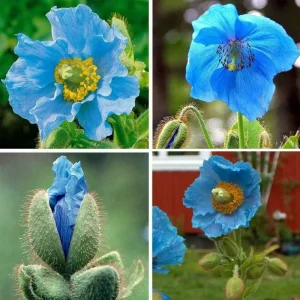
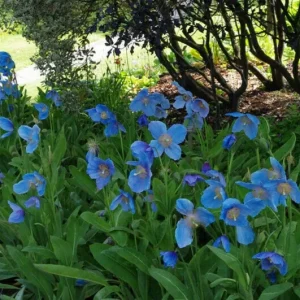
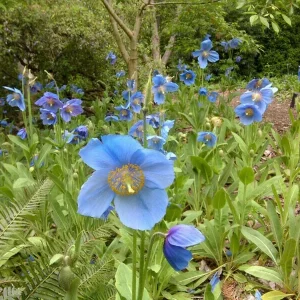
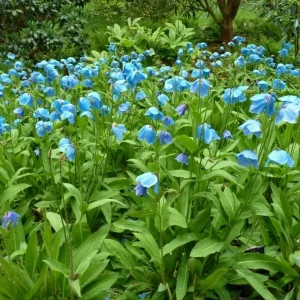
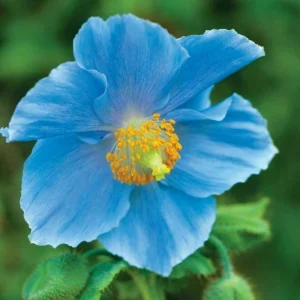

Himalayan Blue Poppy Meconopsis Seeds – Perennial Flowering Plant – 5000 Seeds
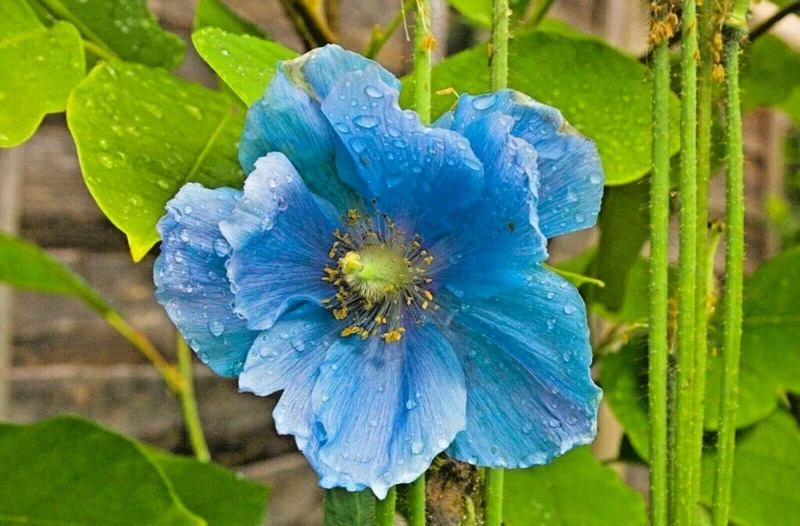
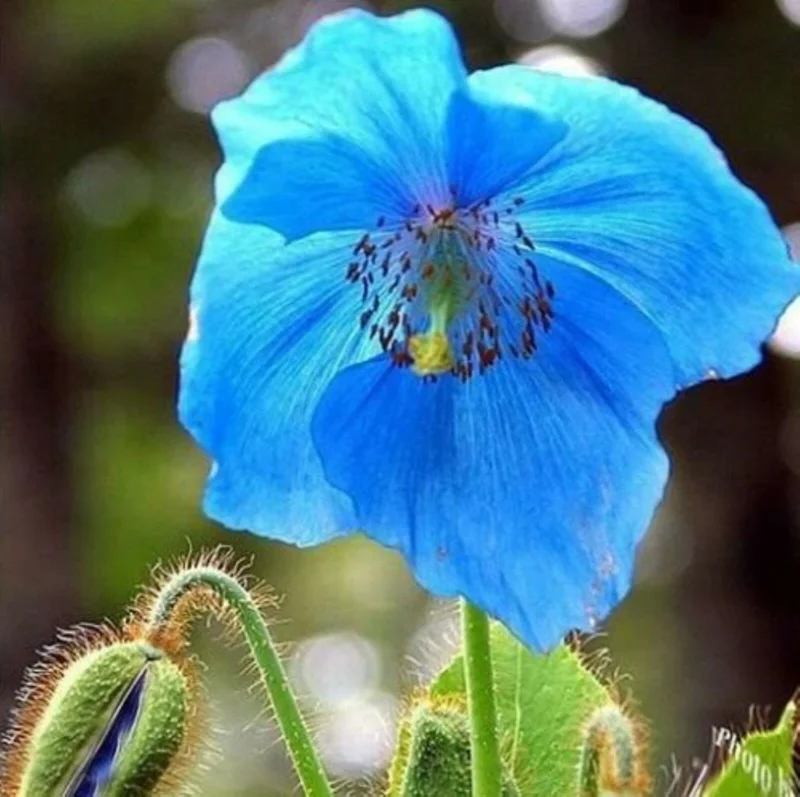
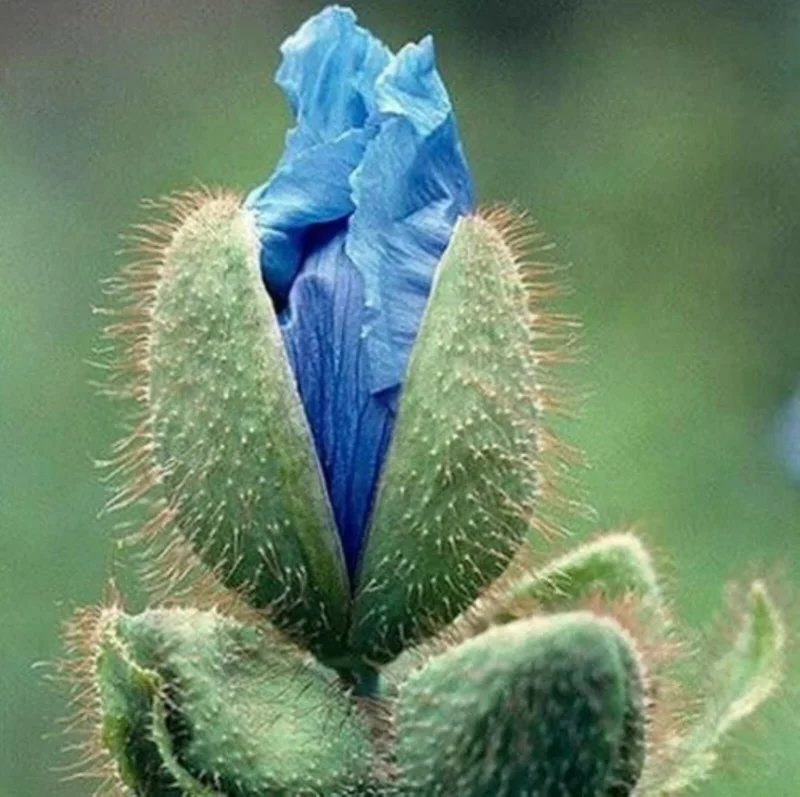
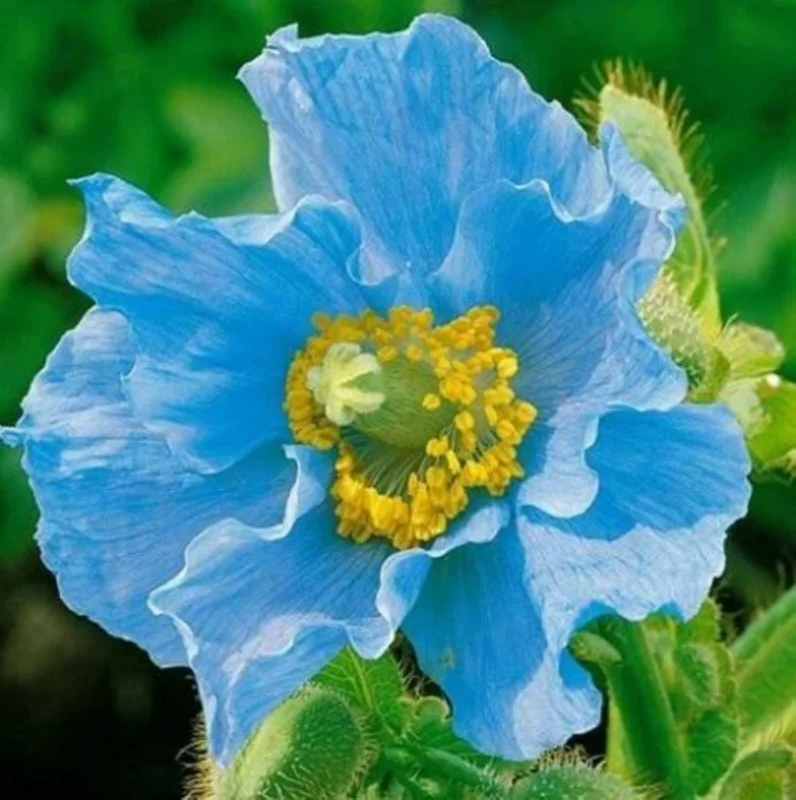
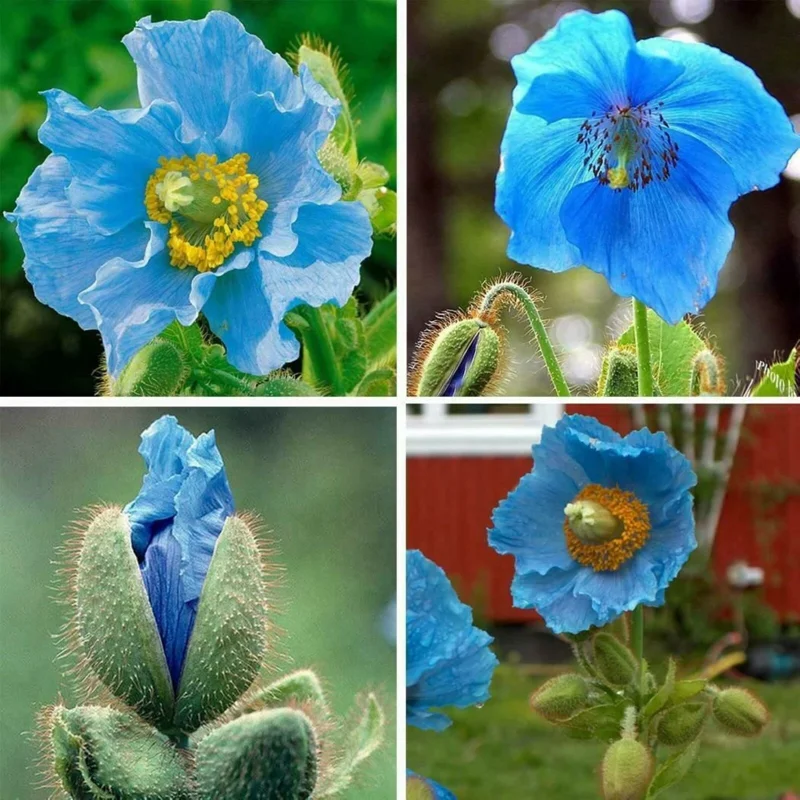
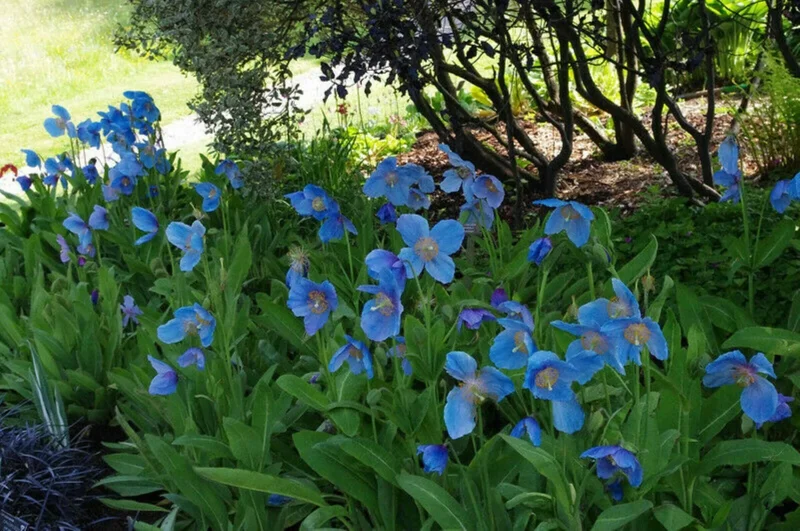
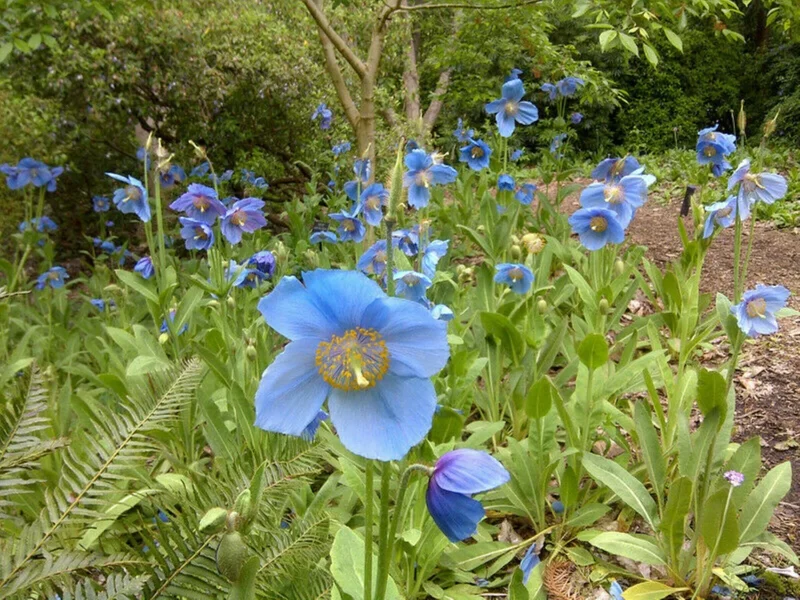
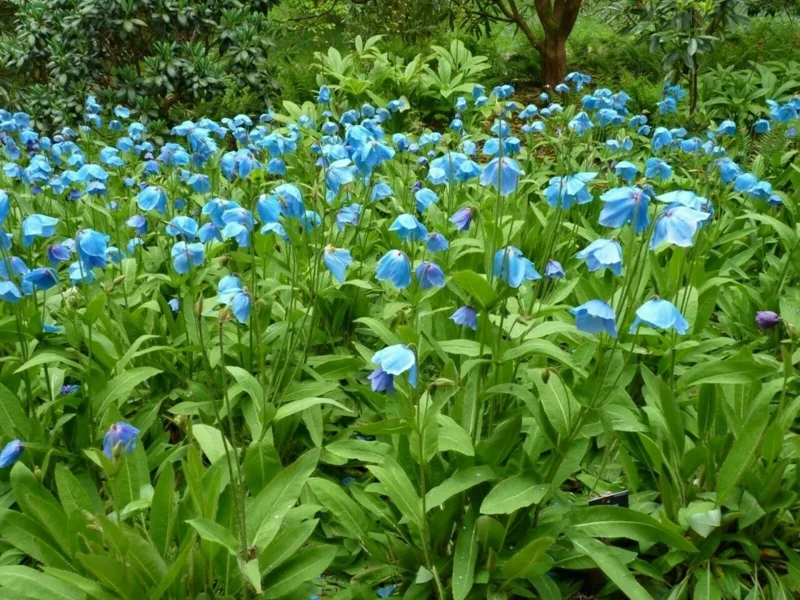
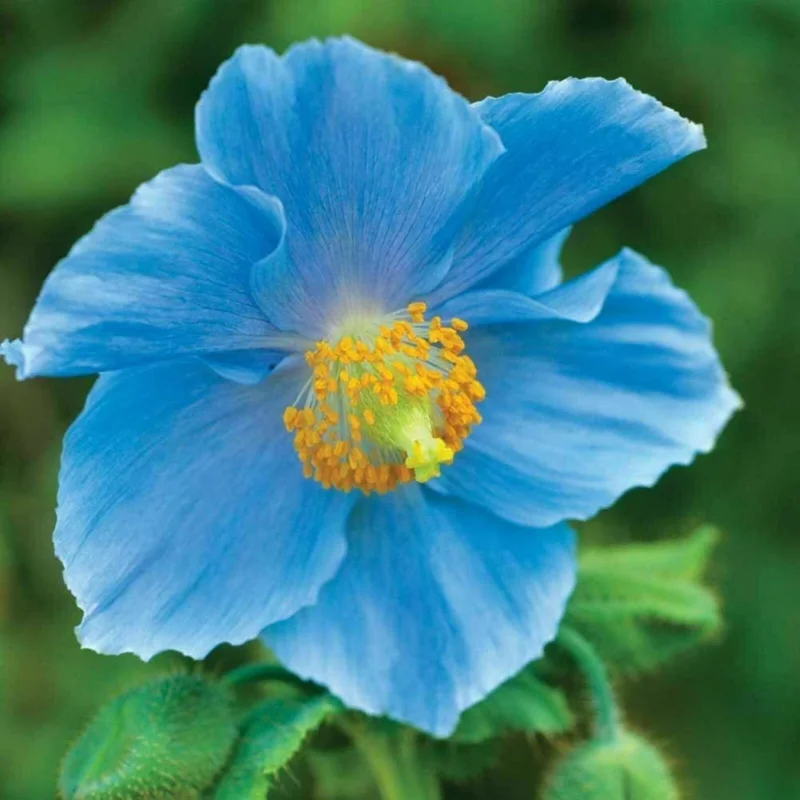
Cultivate the exquisite Himalayan Blue Poppy seeds (Meconopsis) in your garden. These perennial poppy seeds produce stunning, true blue flowers, adding a unique touch to outdoor spaces. Known for their captivating color and delicate appearance, they are a rewarding choice for gardeners.
Original price was: $18.76.$9.38Current price is: $9.38.

With our Alive & Thrive Guarantee, we’ve got your back for the first 30 days! If you have any concerns about your plants, just reach out to us. Our team is here to help answer your questions and guide you in selecting the best plants for your garden, climate, and unique preferences. We're excited to help you create the garden of your dreams!
Estimated arrival
Apr 09
Apr 14 - Apr 16
Apr 19 - Apr 23




Product Details
-
USDA Hardiness Zone
5-8 -
Soil type
Humus-rich, well-draining, slightly acidic peat soil -
Sunlight Exposure
Medium Sun (Partial Shade) -
Expected Planting Period
Early Spring to Summer
Overview
Embark on a captivating gardening journey with these exquisite Himalayan Blue Poppy seeds, scientifically known as Meconopsis. These highly sought-after perennial flowers are celebrated for their breathtaking, true blue blooms, a rarity in the botanical world. Originating from the high altitudes of the Himalayas, these poppies bring a touch of ethereal beauty and cool sophistication to any garden. Each packet contains 5000 seeds, offering a generous quantity to establish a vibrant display of these magnificent flowers. Ideal for creating a serene and picturesque landscape, the Himalayan Blue Poppy seeds promise a rewarding experience for gardeners seeking something truly special and visually striking.
The Meconopsis genus is renowned for its distinctive cup-shaped flowers, often with a silken texture, that bloom in various shades of blue, sometimes with a hint of purple. These particular seeds are selected to produce the classic, vibrant sky-blue hue that has captivated plant enthusiasts for centuries. As a perennial, once established, these poppies will return year after year, gracing your garden with their enchanting presence. Growing them from Meconopsis seeds allows you to witness the full life cycle of these incredible plants, from tiny seed to majestic bloom.
Key Benefits
Introducing the Himalayan Blue Poppy seeds into your garden offers numerous advantages, transforming your outdoor space into a sanctuary of natural beauty and tranquility. These benefits extend beyond their undeniable visual appeal, contributing to a richer and more engaging gardening experience.
- Unrivaled Beauty: The primary draw of the Himalayan Blue Poppy seeds is their extraordinary, vibrant blue flowers. This rare color in the plant kingdom creates a stunning focal point, drawing admiration and offering a serene aesthetic that is truly unique.
- Perennial Growth: As a perennial plant, once successfully established, these poppies will return each year, eliminating the need for annual replanting. This provides long-lasting beauty with less effort over time, allowing you to enjoy their splendor season after season.
- Garden Versatility: These poppies are perfect for a variety of garden settings. They excel in woodland gardens, shaded borders, or even large containers, providing a striking contrast to lush green foliage. Their delicate appearance belies a robust nature under the right conditions.
- Pollinator Attraction: While primarily grown for their aesthetic appeal, the flowers can attract beneficial pollinators to your garden, contributing to a healthy ecosystem. This subtle benefit supports local biodiversity and overall garden vitality.
- Rewarding Cultivation: Successfully growing these particular perennial poppy seeds is a source of immense satisfaction for gardeners. The process of nurturing them from seed to bloom offers a deeply rewarding connection to nature and a sense of accomplishment.
- Unique Floral Display: Unlike common poppies, the Meconopsis offers a more refined and unusual flower form and color, making your garden stand out. They are a conversation starter and a testament to adventurous gardening.
Plant Care & Growing Tips
Successful cultivation of Himalayan Blue Poppy seeds requires attention to specific environmental conditions that mimic their native mountainous habitat. While they are known for being somewhat particular, providing the right care will lead to stunning results. These Meconopsis seeds thrive in cool, moist conditions with protection from harsh sun and drying winds.
Sunlight Requirements: These poppies prefer partial to medium shade, especially in warmer climates. In their natural habitat, they often grow under the canopy of larger plants. Aim for morning sun and afternoon shade, or dappled light throughout the day. Direct, intense afternoon sun can scorch their delicate leaves and flowers. For best results, ensure they receive no more than 4-6 hours of direct sunlight daily. An ideal location would be a north or east-facing bed, or under the light shade of deciduous trees.
Watering Schedule and Soil Moisture: Consistent moisture is crucial for the Himalayan Blue Poppy. The soil should never be allowed to dry out completely, but it should also not be waterlogged. Water regularly, especially during dry spells, ensuring the soil remains evenly moist. Reduce watering slightly in cooler, dormant periods. Overhead watering should be avoided to prevent fungal diseases; instead, water at the base of the plant.
Soil Type and Drainage: A rich, well-draining, and slightly acidic soil is paramount. They thrive in humus-rich soil with plenty of organic matter. Amend heavy clay soils with compost, peat moss, or leaf mold to improve drainage and fertility. A soil pH between 5.5 and 6.5 is generally ideal. Good drainage is essential to prevent root rot, particularly in winter. Peat-based soil is listed as suitable.
Temperature Range and USDA Hardiness Zone: These poppies are best suited for cooler climates and are typically hardy in USDA Zones 5-8. They prefer cool summer temperatures, ideally below 70°F (21°C). High humidity can also be beneficial. Protection from strong winds is advisable to prevent damage to their tall stems. The growth habit is seeding, and cultivating difficulty is easy, making them accessible even for those new to growing perennial poppy seeds.
Fertilization: Fertilize sparingly. A balanced, slow-release granular fertilizer applied in early spring can be beneficial. Alternatively, a liquid feed high in potassium can be given every few weeks during the growing season. Avoid over-fertilizing, which can lead to lush foliage but fewer flowers. Incorporating well-rotted compost into the soil annually provides a steady supply of nutrients.
Common Problems: Watch out for slugs and snails, which are fond of young poppy foliage. Aphids can also be an issue. Proper air circulation helps prevent powdery mildew. Ensuring good drainage is key to preventing root diseases. Regular monitoring and prompt action can keep your blue flowering seeds healthy.
Size & Details
These Himalayan Blue Poppy seeds are supplied in a generous bulk quantity of 5000 seeds, providing an excellent opportunity for gardeners to establish a significant planting or share with fellow enthusiasts. The plants typically grow to a height of 2 to 4 feet (60-120 cm) with a spread of about 1 to 2 feet (30-60 cm) once mature. They are known for their upright growth habit and elegant, sturdy stems that support the large, luminous blue flowers. The flowering season is primarily summer, offering a spectacular display of color when many other shade-loving plants are not in bloom. Planting time is recommended for 4 weeks for initial growth, followed by transplanting. They are suitable for both indoor and outdoor cultivation, though outdoor conditions best mimic their natural habitat for optimal growth. The life cycle is perennial, meaning they will return each year from the same rootstock, making them a long-term investment in garden beauty. The plants prefer a moderate climate and medium sun exposure.
Frequently Asked Questions
- Q: How many Himalayan Blue Poppy seeds are included in this packet? A: This packet contains a generous quantity of 5000 seeds, providing ample opportunity to cultivate a beautiful display of these unique flowers in your garden.
- Q: Are these poppies suitable for growing indoors or outdoors? A: While they can be started indoors, Himalayan Blue Poppy seeds are primarily grown outdoors. They thrive in garden settings that can replicate their preferred cool, moist, and partially shaded conditions.
- Q: How much sunlight do these Meconopsis seeds require? A: These poppies prefer medium sun exposure, specifically partial shade, especially in warmer climates. They benefit from morning sun and protection from intense afternoon heat.
- Q: What is the best time to plant these perennial poppy seeds? A: The optimal planting time is generally in late winter or early spring for indoor starts, or directly outdoors after the last frost, ensuring cool temperatures for germination and establishment.
- Q: What kind of soil is best for Himalayan Blue Poppy? A: They prefer a rich, well-draining, and slightly acidic soil with plenty of organic matter, such as peat. Consistent moisture is crucial, but avoid waterlogging.
- Q: How long does it take for these poppies to bloom? A: From seed, it typically takes one to two years for the plants to establish and produce their first blooms. Once established, they will flower reliably each summer.
- Q: Are these poppies difficult to grow? A: While they require specific conditions to thrive, with careful attention to their needs for cool temperatures, moisture, and shade, they are considered to have an easy cultivating difficulty, making them a rewarding challenge for dedicated gardeners.
- Q: What USDA hardiness zones are suitable for these poppies? A: Himalayan Blue Poppy plants are generally hardy in USDA Zones 5-8, preferring cooler climates and protection from extreme heat.
- Q: Will the blue color truly be vibrant as pictured from these blue flowering seeds? A: Yes, these seeds are from varieties known to produce the iconic and vibrant true blue flowers that define the Himalayan Blue Poppy, adding a stunning splash of color to your garden.
- Q: How tall do these poppies grow? A: Mature Himalayan Blue Poppy plants typically reach a height of 2 to 4 feet, creating an impressive vertical element in your garden landscape.
Related products
-50%
Original price was: $23.96.$11.98Current price is: $11.98.
-50%
From Original price was: $63.60.$31.80Current price is: $31.80.
-50%
Original price was: $23.96.$11.98Current price is: $11.98.
-50%

Original price was: $38.36.$19.18Current price is: $19.18.
-50%

Original price was: $19.16.$9.58Current price is: $9.58.
-50%
Original price was: $23.96.$11.98Current price is: $11.98.
-50%
Original price was: $95.96.$47.98Current price is: $47.98.
PLANTING & CARE
Growing Glencoe Raspberry: A Complete Guide for Gardeners
If you’re looking to add something unique to your garden, look no further than the
31
Mar
Mar

The Comprehensive Guide to Growing Bay Leaf Plants for a Flavorful Garden
Imagine stepping into your garden, greeted by the earthy aroma of fresh bay leaves, their
09
Feb
Feb

How to Make Comfrey Tea: The Ultimate Organic Plant Food
Growing an organic garden can be surprisingly expensive, especially when most store-bought fertilizers come in
02
Feb
Feb

True Comfrey: 7 Essential Tips Before You Plant This Herb
A staple in permaculture practices across the US, True Comfrey easily earns its reputation as
27
Jan
Jan

7 Heart-Shaped Plants for a Lasting Valentine’s Gift
If you’ve ever bought a bouquet of roses for Valentine’s Day, you know they are
26
Jan
Jan

Best Types of Ivy Plant for Houses: How to Choose the Perfect Ones for Your Home
Are you a garden lover looking to introduce some greenery into your home? Maybe you’ve
14
Nov
Nov

When to Harvest Garlic (Especially Fall-Planted Garlic)
TIMING IS EVERYTHING, they say – and for garlic, that truth hits with surprising accuracy.
13
Nov
Nov

11 of the Best Sweet Potato Varieties to Grow for Your Garden
If you’ve ever tried growing sweet potatoes, you know that picking the right variety can
12
Nov
Nov