Western Redbud Tree Seeds – Cercis Occidentalis Cold Hardy Flowering Shrub (25 Seeds)
-50%





Western Redbud Tree Seeds – Cercis Occidentalis Cold Hardy Flowering Shrub (25 Seeds)
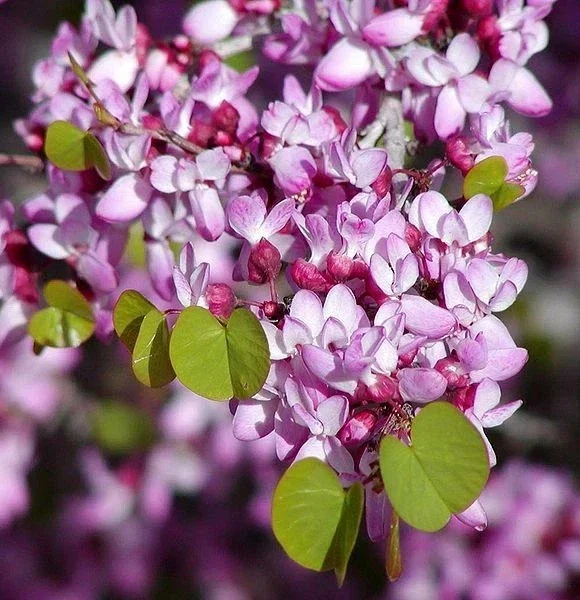
Cultivate a beautiful landscape with western redbud tree seeds. These Cercis Occidentalis seeds grow into a stunning cold hardy flowering shrub or small tree, perfect for adding vibrant purple blooms to your outdoor space.
Original price was: $15.92.$7.96Current price is: $7.96.

With our Alive & Thrive Guarantee, we’ve got your back for the first 30 days! If you have any concerns about your plants, just reach out to us. Our team is here to help answer your questions and guide you in selecting the best plants for your garden, climate, and unique preferences. We're excited to help you create the garden of your dreams!
Estimated arrival
Mar 22
Mar 27 - Mar 29
Apr 01 - Apr 05

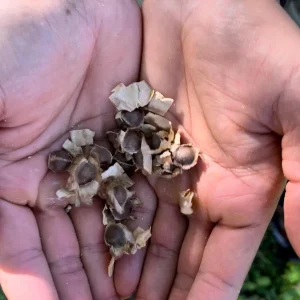



Product Details
-
USDA Hardiness Zone
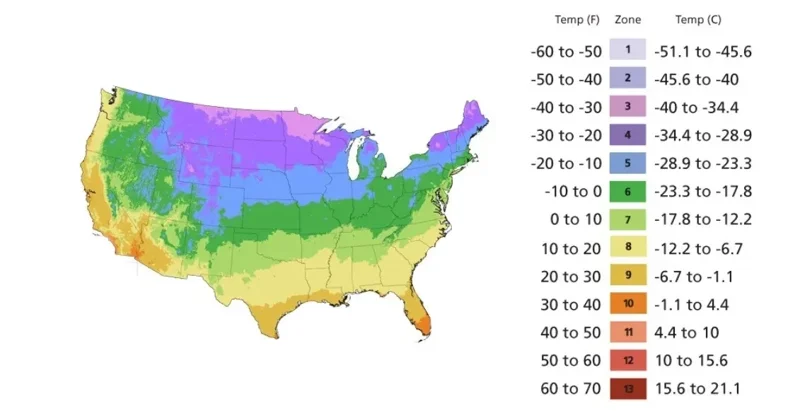
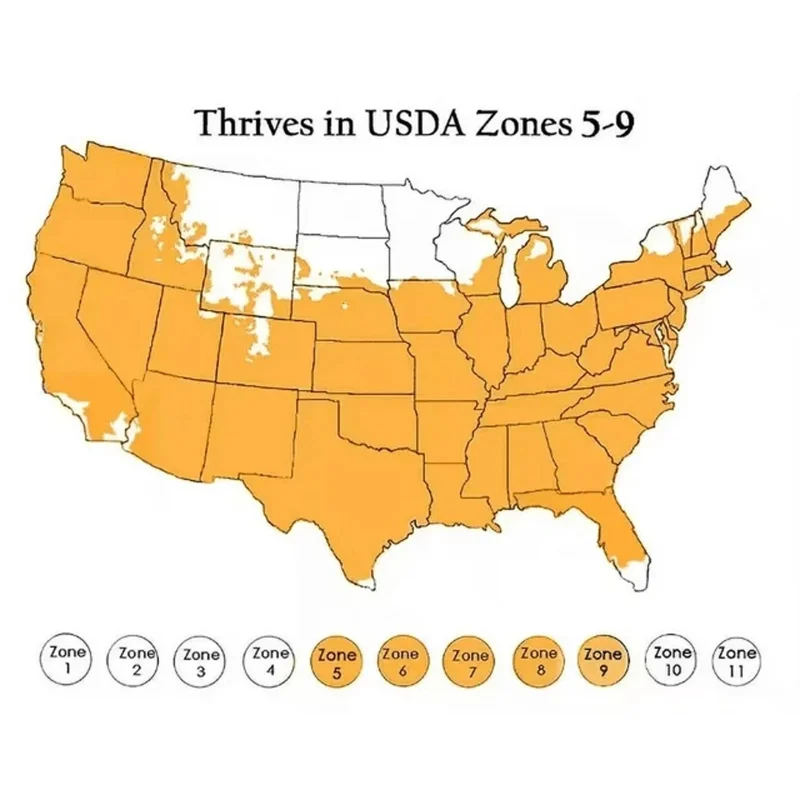
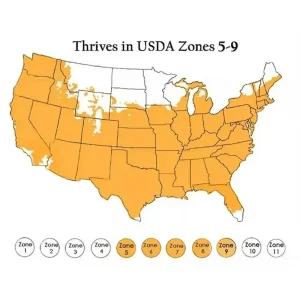
USDA Zones 5-9 -
Soil type
Loam, Clay, Sand (well-draining) -
Sunlight Exposure
Full Sun, Low Sun -
Expected Planting Period
Early Spring (after stratification)
Overview
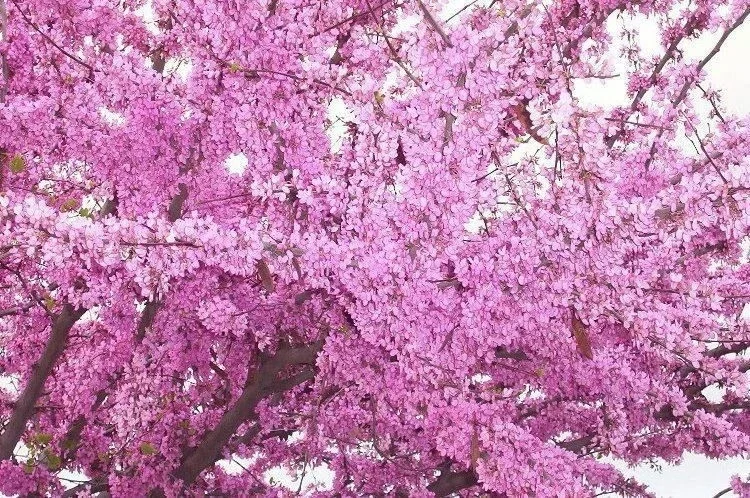
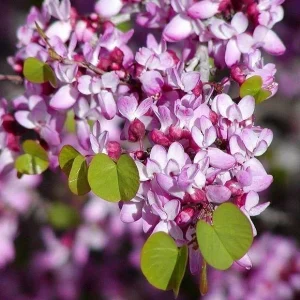
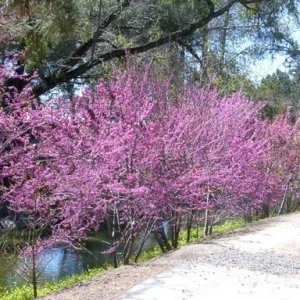
Embark on a rewarding gardening journey with these high-quality western redbud tree seeds. Each packet contains 25 seeds of the exquisite Cercis Occidentalis, commonly known as the Western Redbud. This deciduous shrub or small tree is celebrated for its breathtaking display of vibrant purple-pink flowers that emerge in early spring, often before its heart-shaped leaves appear. Native to the Western United States, the Cercis Occidentalis seeds offer a unique opportunity to cultivate a resilient and beautiful specimen known for its adaptability and graceful form. Whether you’re an experienced gardener or just starting, growing a Western Redbud from seed can be a deeply satisfying experience, transforming your garden into a haven for local wildlife and admirers of natural beauty.
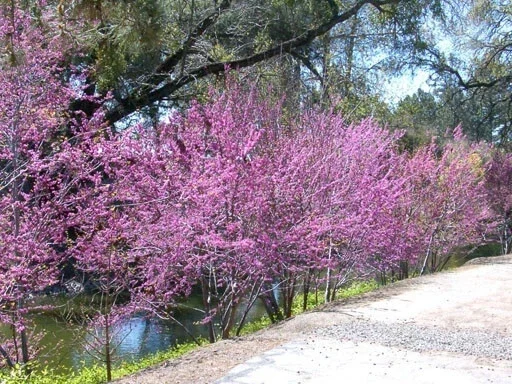
The Western Redbud is a distinctive plant, prized for its ornamental value. Its unique flowering habit, where blossoms appear directly on older branches and the trunk, adds a touch of magic to the spring landscape. This particular variety is known for being a cold hardy flowering shrub, making it suitable for a wide range of climates. With its attractive foliage that turns golden in the fall, it provides year-round interest. These seeds are a fantastic choice for anyone looking to introduce a touch of native elegance and early spring color to their outdoor environment.
Key Benefits
Choosing to plant western redbud tree seeds brings a multitude of advantages to your garden and local ecosystem. This remarkable plant offers aesthetic appeal and ecological benefits.
- Stunning Spring Blooms: Enjoy a spectacular display of bright purple-pink flowers in early spring, providing crucial early nectar for pollinators and a vibrant splash of color when other plants are still dormant.
- Attracts Pollinators: The profusion of flowers serves as an excellent food source for bees, butterflies, and other beneficial insects, supporting local biodiversity.
- Drought Tolerant: Once established, the Western Redbud is remarkably tolerant of dry conditions, making it a sustainable choice for water-wise landscapes.
- Cold Hardy & Resilient: As a cold hardy flowering shrub, it thrives in a variety of climates and can withstand colder temperatures, ensuring its beauty for years to come.
- Year-Round Appeal: Beyond its spring flowers, the Western Redbud features attractive heart-shaped leaves that turn a lovely yellow in autumn, and its unique branching structure provides winter interest.
- Versatile Landscape Plant: Suitable for use as a specimen tree, part of a mixed border, or even in naturalized settings, offering flexibility in garden design.
- Low Maintenance: Generally easy to care for, requiring minimal pruning and attention once established, making it ideal for busy gardeners.
Plant Care & Growing Tips
Growing Cercis Occidentalis seeds into a thriving Western Redbud requires a bit of patience and understanding of its specific needs. To ensure successful germination, these seeds benefit from stratification, mimicking natural winter conditions. This typically involves a warm stratification for a few days followed by a cold stratification period of 60-90 days in a refrigerator. After stratification, sow the seeds about 1/4 inch deep in a well-draining seed-starting mix. Keep the soil consistently moist but not waterlogged, and maintain a temperature around 65-75°F (18-24°C) for optimal germination.
Once seedlings emerge, provide them with plenty of light. The Western Redbud thrives in areas with full sun to partial shade. Full sun (6+ hours of direct sunlight daily) will encourage the most abundant flowering, while some afternoon shade can be beneficial in hotter climates. For soil, this plant is adaptable but prefers well-draining conditions. Loam, clay, and sand are all suitable, provided they drain adequately. A neutral soil pH is generally preferred. Water regularly during the first few growing seasons to help the root system establish. Once mature, the plant is quite drought tolerant, but occasional deep watering during prolonged dry spells will be beneficial. Fertilization is usually not heavily required; a balanced, slow-release fertilizer in early spring can support healthy growth. Keep an eye out for common pests like leafhoppers or canker disease, and address them promptly. Understanding redbud plant care is key to a long-lasting, vibrant specimen.
Size & Details
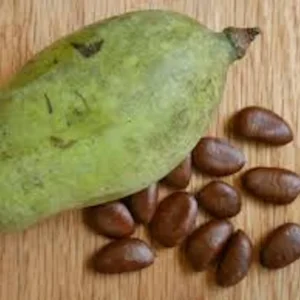
This packet contains 25 western redbud tree seeds (Cercis Occidentalis), ready for you to begin cultivating your own beautiful specimen. The Western Redbud typically grows as a multi-stemmed shrub or a small tree, reaching a mature height of approximately 10-20 feet (3-6 meters) with a spread of 10-15 feet (3-4.5 meters). Its growth habit is generally bushy, though it can be trained into a single-trunk tree. The growth rate is moderate, meaning it will establish itself and show significant development within a few years, with first blooms typically appearing after 3-5 years. These seeds are designed for outdoor planting and are perennial, offering beauty for many seasons.
The seeds will arrive in a protective packet, ensuring their viability. While the initial growth from seed requires careful attention, the resulting plant is known for its resilience and ability to become a striking feature in a garden. The purple flowering tree will offer a spectacular show of blooms each spring, and its attractive foliage will provide interest through summer and fall. Prepare for a plant that will mature into a significant and cherished part of your landscape, providing beauty and ecological benefits for decades.
Frequently Asked Questions
- Q: How big does a Western Redbud tree get? A: A mature Western Redbud (Cercis Occidentalis) typically reaches a height of 10-20 feet and a spread of 10-15 feet, growing as a large shrub or small tree. Its final size depends on growing conditions and pruning.
- Q: Is this an indoor or outdoor plant? A: The Western Redbud is an outdoor plant, best suited for garden landscapes where it can receive adequate sunlight and space to grow. It is a cold hardy flowering shrub designed to thrive in various climates.
- Q: How much sunlight does it need? A: For optimal growth and the most abundant blooms, the Western Redbud prefers full sun (at least 6 hours of direct sunlight per day). It can tolerate partial shade, especially in hotter climates, but flowering may be reduced.
- Q: Is this plant easy to care for? Is it good for beginners? A: Once established, the Western Redbud is relatively low-maintenance and drought-tolerant. The initial care for germinating western redbud tree seeds requires some specific steps like stratification, which might be a slight challenge for absolute beginners, but overall redbud plant care is manageable.
- Q: What condition will the seeds arrive in? A: The 25 Cercis Occidentalis seeds will arrive in a dry, protective packet to ensure their viability and readiness for planting.
- Q: How long until it blooms? A: When grown from seed, a Western Redbud typically begins to produce its beautiful purple-pink flowers after 3-5 years, once the plant has had sufficient time to establish itself.
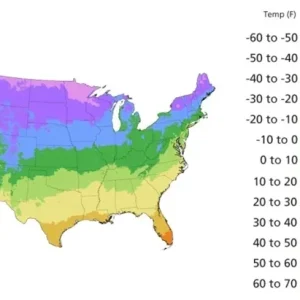
- Q: Will it survive winter in my zone? A: The Western Redbud is known for its cold hardiness and generally thrives in USDA Zones 5-9. It can withstand significant winter temperatures, making it a reliable choice for many regions.
- Q: What type of soil does a Western Redbud prefer? A: This plant is adaptable to various soil types including loam, clay, and sand, as long as the soil is well-draining. It prefers a neutral soil pH.
- Q: Does this tree attract butterflies? A: Yes, the vibrant purple-pink flowers of the Western Redbud are a significant attractant for butterflies and other beneficial pollinators in early spring. It’s an excellent choice for a butterfly garden, offering a beautiful purple flowering tree.
- Q: Do these seeds need any special treatment before planting? A: Yes, the Cercis Occidentalis seeds benefit from stratification. This usually involves a period of warm stratification followed by a cold stratification in the refrigerator for 60-90 days to break dormancy and encourage germination.
Related products
-20%
Original price was: $34.00.$27.20Current price is: $27.20.
-20%
Original price was: $15.00.$12.00Current price is: $12.00.
-20%
Original price was: $66.00.$52.80Current price is: $52.80.
-20%
Original price was: $17.98.$14.38Current price is: $14.38.
-20%
Original price was: $18.00.$14.40Current price is: $14.40.
-20%
Original price was: $40.00.$32.00Current price is: $32.00.
-50%
Original price was: $23.96.$11.98Current price is: $11.98.
-20%
Original price was: $38.00.$30.40Current price is: $30.40.
PLANTING & CARE

The Comprehensive Guide to Growing Bay Leaf Plants for a Flavorful Garden
Imagine stepping into your garden, greeted by the earthy aroma of fresh bay leaves, their
09
Feb
Feb

How to Make Comfrey Tea: The Ultimate Organic Plant Food
Growing an organic garden can be surprisingly expensive, especially when most store-bought fertilizers come in
02
Feb
Feb

True Comfrey: 7 Essential Tips Before You Plant This Herb
A staple in permaculture practices across the US, True Comfrey easily earns its reputation as
27
Jan
Jan

7 Heart-Shaped Plants for a Lasting Valentine’s Gift
If you’ve ever bought a bouquet of roses for Valentine’s Day, you know they are
26
Jan
Jan

Best Types of Ivy Plant for Houses: How to Choose the Perfect Ones for Your Home
Are you a garden lover looking to introduce some greenery into your home? Maybe you’ve
14
Nov
Nov

When to Harvest Garlic (Especially Fall-Planted Garlic)
TIMING IS EVERYTHING, they say – and for garlic, that truth hits with surprising accuracy.
13
Nov
Nov

11 of the Best Sweet Potato Varieties to Grow for Your Garden
If you’ve ever tried growing sweet potatoes, you know that picking the right variety can
12
Nov
Nov
Pruning Bougainvillea for Winter
Bougainvillea vines are known for their dazzling display of magenta, orange, and fuchsia bracts that
05
Nov
Nov