Madagascar Hibiscus Moscheutos Rose of Sharon Starter Seeds – Pink Flowers
-50%





Madagascar Hibiscus Moscheutos Rose of Sharon Starter Seeds – Pink Flowers
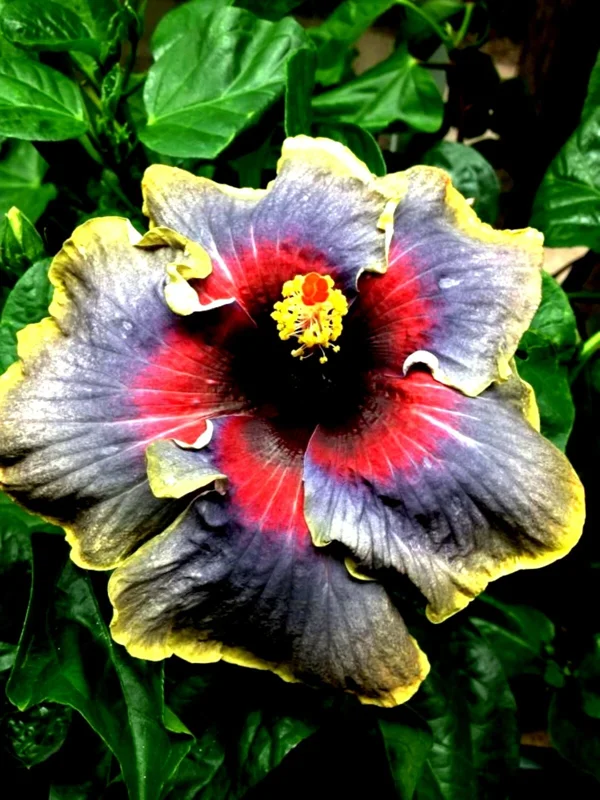
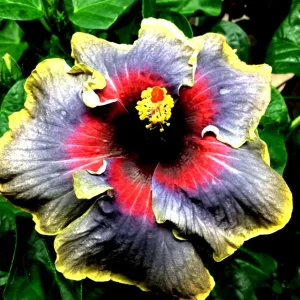
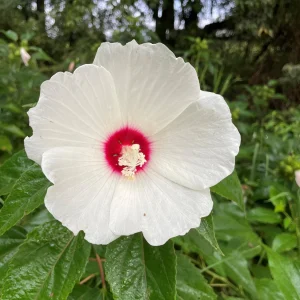
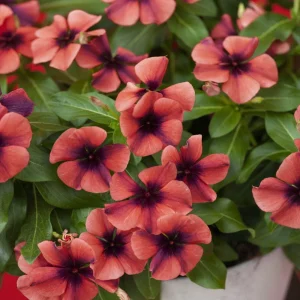
Start your garden with Madagascar hibiscus seeds, also known as Rose of Sharon seeds. These Hibiscus Moscheutos seeds produce beautiful pink flowers, perfect for enhancing your outdoor space. Enjoy a vibrant display from these easy-to-grow, hardy hibiscus seeds.
Original price was: $18.76.$9.38Current price is: $9.38.

With our Alive & Thrive Guarantee, we’ve got your back for the first 30 days! If you have any concerns about your plants, just reach out to us. Our team is here to help answer your questions and guide you in selecting the best plants for your garden, climate, and unique preferences. We're excited to help you create the garden of your dreams!
Estimated arrival
Apr 05
Apr 10 - Apr 12
Apr 15 - Apr 19
Product Details
-
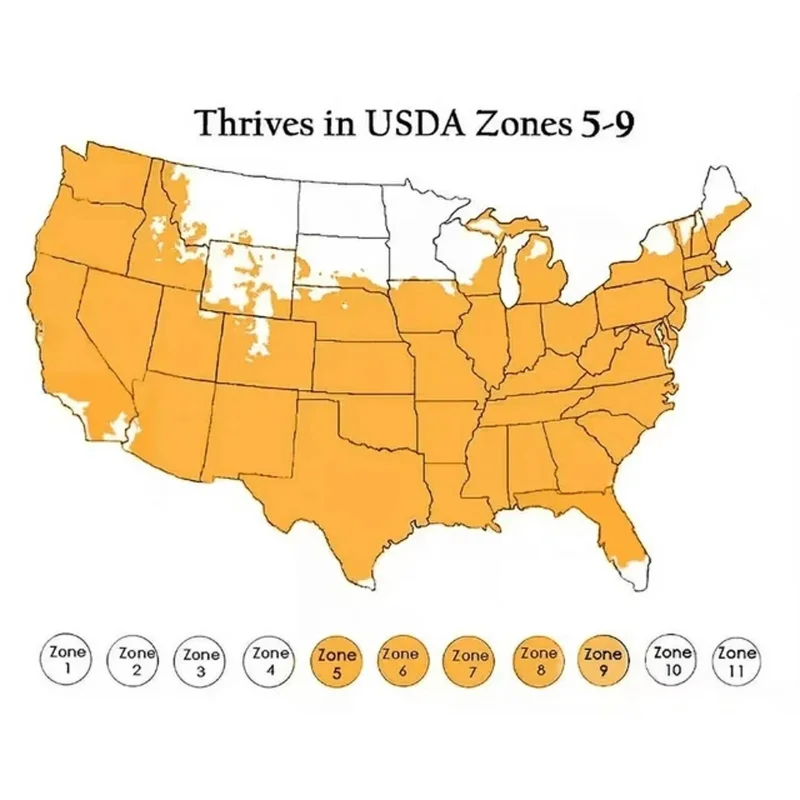
USDA Hardiness Zone
unknown -
Soil type
Well-draining loam -
Sunlight Exposure
Full sun to partial sun -
Expected Planting Period
Spring to early summer
Overview
Embark on a rewarding gardening journey with Madagascar hibiscus seeds, specifically the stunning Hibiscus Moscheutos, commonly known as Rose of Sharon. These seeds offer an excellent opportunity to cultivate a vibrant and robust flowering plant that will become a focal point in any garden setting. Originating from Madagascar, this particular variety of hibiscus is cherished for its breathtaking blooms and vigorous growth. Unlike some other hibiscus types, Hibiscus Moscheutos is known for its hardiness and adaptability, making it a favorite among both seasoned gardeners and beginners. The Rose of Sharon seeds will germinate into plants that produce large, eye-catching flowers, typically in shades of pink, adding a touch of tropical elegance to temperate climates. Growing from seed provides a deep connection to nature’s cycles, allowing you to witness the entire life process of this magnificent plant from its humble beginnings.
The Hibiscus Moscheutos seeds are carefully harvested to ensure viability and strong growth potential. This variety is often referred to as a dinnerplate hibiscus due to its impressively large flowers, which can span several inches across. While often associated with tropical regions, the Rose of Sharon is surprisingly cold-resistant, thriving in a wide range of climates. These starter seeds are an affordable and fulfilling way to introduce this beautiful perennial to your landscape, offering continuous blooms throughout the summer and fall. Prepare to be amazed as these small seeds transform into majestic plants, providing a spectacular floral display year after year.
Key Benefits
Cultivating Madagascar hibiscus seeds offers a multitude of benefits for your garden and your spirit. These plants are not only visually appealing but also contribute positively to the local ecosystem.
- Stunning Floral Display: The primary allure of these Rose of Sharon seeds is the magnificent pink flowers they produce. These large, showy blooms create a dramatic visual impact, transforming any garden into a vibrant paradise.
- Attracts Pollinators: The striking flowers of Hibiscus Moscheutos are a magnet for essential pollinators such as bees, butterflies, and hummingbirds, contributing to the biodiversity and health of your garden.
- Hardy and Resilient: As hardy hibiscus seeds, they grow into plants that are robust and tolerant of various environmental conditions, including both cold and drought, ensuring long-term success with minimal fuss.
- Versatile Landscaping Option: Whether you’re looking to create a border, a focal point, or add height to your garden, these plants are incredibly versatile. Their clumping growth habit makes them suitable for many garden designs.
- Extended Bloom Season: Enjoy an extended period of bloom from summer through fall. The pink hibiscus seeds will yield plants that provide continuous color when many other plants are fading, keeping your garden lively.
- Low Maintenance: Once established, Rose of Sharon plants require relatively little care, making them an ideal choice for gardeners seeking high reward with low effort.
- Indoor and Outdoor Growth: While primarily an outdoor plant, young Hibiscus Moscheutos can be started indoors. These Hibiscus Moscheutos seeds are adaptable to various settings, allowing you flexibility in your gardening approach.
Plant Care & Growing Tips
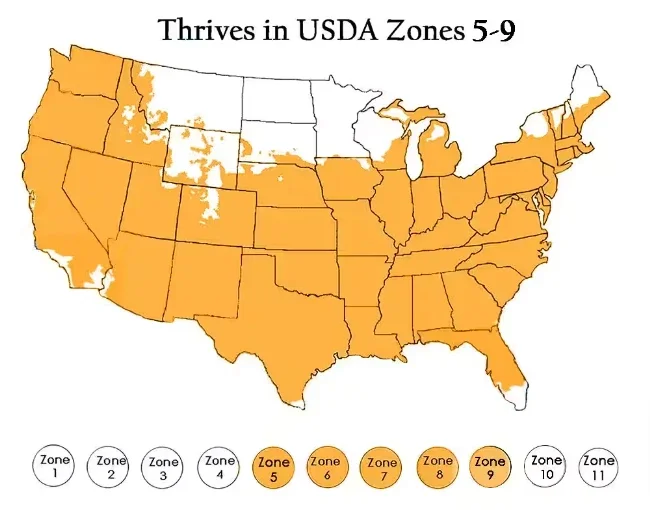
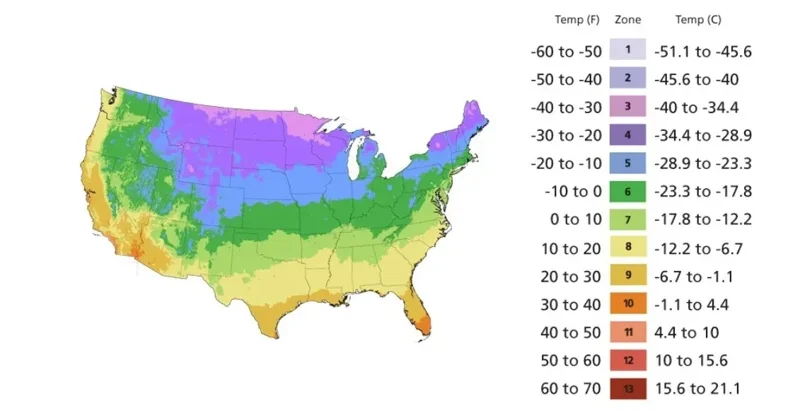
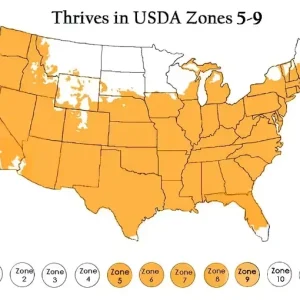
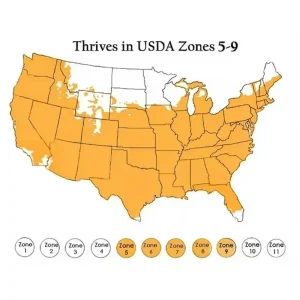
Proper care is essential for transforming your Madagascar hibiscus seeds into thriving, bloom-filled plants. Understanding their needs will help ensure a successful growth season. For optimal growth, Hibiscus Moscheutos seeds prefer a location with full sun to partial sun. They need at least 6 hours of direct sunlight per day to produce the most abundant blooms. In very hot climates, some afternoon shade can be beneficial to prevent scorching, but too much shade will result in fewer flowers. These plants are adaptable to a range of climates, from arid to humid subtropical, and are known for their cold resistance, making them suitable for many USDA hardiness zones. The ‘2025 FRESH HARVEST’ note indicates high viability for these seeds, so starting them in the appropriate season is key.
When it comes to watering, Rose of Sharon seeds appreciate consistent moisture, especially during germination and establishment. Once mature, these hardy plants are somewhat drought-resistant, but they will perform best with regular watering, particularly during dry spells. Avoid overwatering, as this can lead to root rot. The ideal soil type for these hardy hibiscus seeds is well-draining loam, though they can tolerate chalk, clay, peat, saline, sand, and silt soils. Good drainage is paramount to prevent waterlogging. Fertilize in the spring with a balanced slow-release fertilizer to support vigorous growth and prolific flowering. Keep an eye out for common pests like aphids, and address them with organic solutions if necessary. The robust nature of the Rose of Sharon means it’s generally disease-resistant, providing a relatively hassle-free gardening experience for those growing pink hibiscus seeds.
Size & Details
These Madagascar hibiscus seeds will develop into impressive plants, perfect for adding a significant vertical element and abundant blooms to your garden. While the initial growth stage is a seedling from the seed packet, mature Rose of Sharon plants typically grow to a substantial size. They are known for their clumping growth habit, forming an upright shrub. The final height of a mature plant can range from 8 to 12 feet, with a similar spread, creating a full and lush appearance. The large, showy flowers, often pink, are a hallmark of the Hibiscus Moscheutos and can measure several inches across. The seeds are from a ‘2025 FRESH HARVEST’, ensuring good germination rates. When planting your Rose of Sharon seeds, consider their mature size to provide adequate space for growth.
These are starter seeds, meaning you will cultivate the plant from the very beginning, allowing you to nurture its growth from seedling to a magnificent flowering shrub. The plant form from these Hibiscus Moscheutos seeds is considered bare root once established and ready for transplanting. Expect to see significant growth within the first year, with blooms typically appearing in the second growing season. The plant is suitable for both indoor and outdoor cultivation, though it will reach its full potential outdoors. The plant will provide interest across multiple seasons, with vibrant blooms in summer and fall foliage. The overall item weight is minimal as it refers to the seeds themselves, but the mature plant is substantial.
Frequently Asked Questions
- Q: How big does this plant get from these Madagascar hibiscus seeds? A: A mature Rose of Sharon plant typically reaches a height of 8 to 12 feet and can have a similar spread, forming a large, clumping shrub. Its impressive size makes it a great focal point in the garden.
- Q: Is this an indoor or outdoor plant? A: While you can start these Rose of Sharon seeds indoors, the plant is primarily an outdoor variety. It thrives in outdoor garden settings where it can reach its full potential in terms of size and bloom production.
- Q: How much sunlight does the Hibiscus Moscheutos need? A: For abundant flowering, the Hibiscus Moscheutos requires full sun, meaning at least 6 hours of direct sunlight daily. In very hot climates, some afternoon shade can be beneficial.
- Q: Is this plant easy to care for, especially for beginners? A: Yes, these hardy hibiscus seeds grow into relatively low-maintenance plants. Once established, the Rose of Sharon is quite resilient and forgiving, making it a good choice for gardeners of all experience levels.
- Q: When is the best time to plant these pink hibiscus seeds? A: The best time to plant these seeds is in the spring after the last frost, or you can start them indoors 6-8 weeks before the last frost date to get a head start on the growing season.
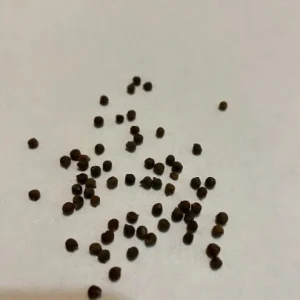
- Q: What condition will the seeds arrive in? A: The input indicates ‘2025 FRESH HARVEST’, meaning the seeds are fresh and viable, provided in a dry, protected state suitable for planting.
- Q: Will this hibiscus survive winter in my zone? A: Yes, as a hardy hibiscus, Rose of Sharon is known for its cold resistance and can survive winters in many USDA zones. It is a deciduous plant, meaning it will lose its leaves in winter and return in spring.
- Q: What type of soil is best for these Hibiscus Moscheutos seeds? A: These plants prefer well-draining soil, ideally a loamy mix. However, they are tolerant of various soil types including chalk, clay, peat, saline, sand, and silt, as long as drainage is adequate.
- Q: Are these plants deer-resistant? A: Yes, the Rose of Sharon is generally considered deer-resistant, which is a significant advantage for gardeners in areas with deer populations. It’s also drought-resistant once established.
- Q: What are the main seasons of interest for this plant? A: The primary seasons of interest are summer and fall, when the plant produces its spectacular pink flowers. It provides continuous blooms and a vibrant display during these months.
Related products
-50%
Original price was: $23.96.$11.98Current price is: $11.98.
-50%
Original price was: $21.56.$10.78Current price is: $10.78.
-50%


Original price was: $23.96.$11.98Current price is: $11.98.
-50%
Original price was: $23.96.$11.98Current price is: $11.98.
-50%
Original price was: $23.96.$11.98Current price is: $11.98.
-50%
Original price was: $23.96.$11.98Current price is: $11.98.
-15%
From Original price was: $16.00.$13.60Current price is: $13.60.
PLANTING & CARE
Growing Glencoe Raspberry: A Complete Guide for Gardeners
If you’re looking to add something unique to your garden, look no further than the
31
Mar
Mar

The Comprehensive Guide to Growing Bay Leaf Plants for a Flavorful Garden
Imagine stepping into your garden, greeted by the earthy aroma of fresh bay leaves, their
09
Feb
Feb

How to Make Comfrey Tea: The Ultimate Organic Plant Food
Growing an organic garden can be surprisingly expensive, especially when most store-bought fertilizers come in
02
Feb
Feb

True Comfrey: 7 Essential Tips Before You Plant This Herb
A staple in permaculture practices across the US, True Comfrey easily earns its reputation as
27
Jan
Jan

7 Heart-Shaped Plants for a Lasting Valentine’s Gift
If you’ve ever bought a bouquet of roses for Valentine’s Day, you know they are
26
Jan
Jan

Best Types of Ivy Plant for Houses: How to Choose the Perfect Ones for Your Home
Are you a garden lover looking to introduce some greenery into your home? Maybe you’ve
14
Nov
Nov

When to Harvest Garlic (Especially Fall-Planted Garlic)
TIMING IS EVERYTHING, they say – and for garlic, that truth hits with surprising accuracy.
13
Nov
Nov

11 of the Best Sweet Potato Varieties to Grow for Your Garden
If you’ve ever tried growing sweet potatoes, you know that picking the right variety can
12
Nov
Nov