Living Stones Flower Succulent Seeds – Lithops Rare Succulent Seeds – Very Easy Care
-50%


Living Stones Flower Succulent Seeds – Lithops Rare Succulent Seeds – Very Easy Care
Cultivate unique beauty with these living stones flower succulent seeds. Perfect for both indoor and outdoor growing, these lithops rare succulent seeds are known for their distinctive appearance and very easy care, making them ideal for beginners and experienced gardeners alike.
Original price was: $14.76.$7.38Current price is: $7.38.

With our Alive & Thrive Guarantee, we’ve got your back for the first 30 days! If you have any concerns about your plants, just reach out to us. Our team is here to help answer your questions and guide you in selecting the best plants for your garden, climate, and unique preferences. We're excited to help you create the garden of your dreams!
Estimated arrival
Apr 03
Apr 08 - Apr 10
Apr 13 - Apr 17

Product Details
-
USDA Hardiness Zone
USDA zones 9-11 (outdoors) or year-round indoors -
Soil type
Gritty, well-draining succulent mix (70-80% inorganic) -
Sunlight Exposure
Full sun to bright indirect light -
Expected Planting Period
Year-round indoors; Spring to early summer outdoors
Overview
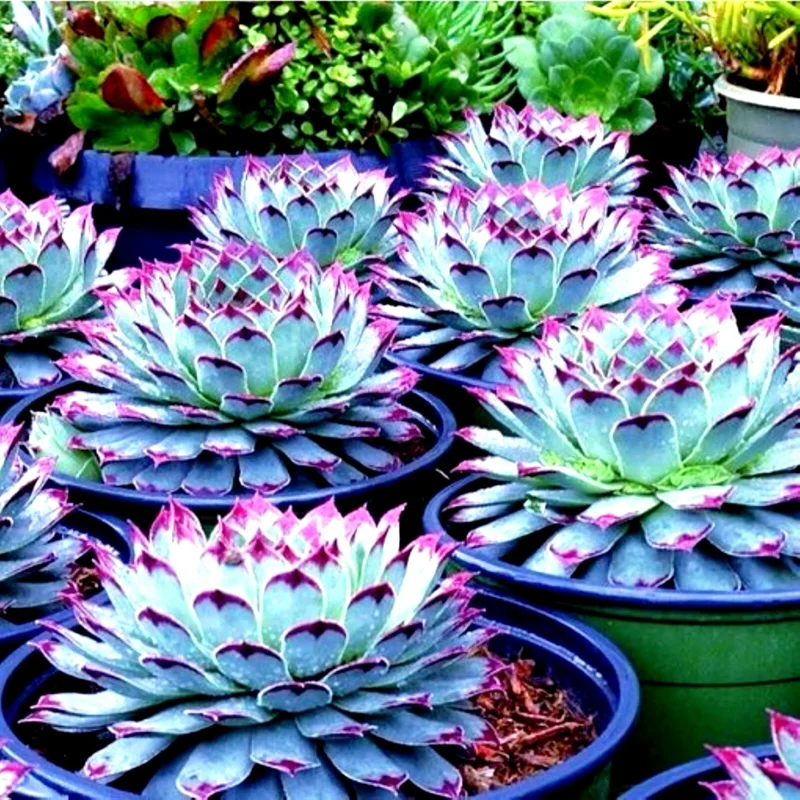
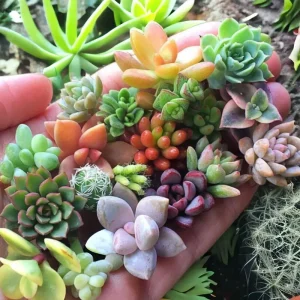
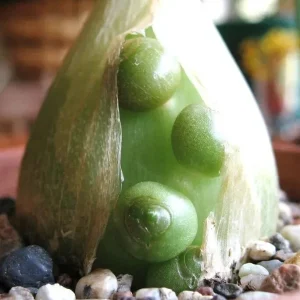
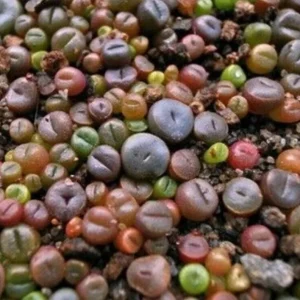
Embark on a fascinating gardening journey with our premium living stones flower succulent seeds. These unique seeds will grow into Lithops, commonly known as ‘Living Stones’ due to their remarkable resemblance to pebbles and rocks. Native to Southern Africa, these captivating succulents are highly sought after by collectors and enthusiasts for their unusual appearance and vibrant, often daisy-like, flowers. Each seed promises to develop into a miniature work of natural art, blending seamlessly into rock gardens or adding an exotic touch to indoor succulent arrangements. Growing Lithops rare succulent seeds offers a rewarding experience, revealing the slow, deliberate beauty of these desert gems.
Lithops are known for their resilience and ability to thrive in harsh environments, making them a surprisingly accessible plant for gardeners of all skill levels. Their camouflage is not just for show; it’s a vital survival mechanism in their natural habitat. With proper care, these easy succulent seeds will transform into mature plants that can live for many years, providing continuous interest with their seasonal growth cycles and stunning blooms.
Key Benefits
Growing living stones flower succulent seeds offers a multitude of benefits, from their unique aesthetic appeal to their low-maintenance nature. They are an excellent choice for adding distinct character to any space.
- Unique Aesthetic Appeal: Lithops are true conversation starters, mimicking stones with their fascinating patterns and colors. They bring an exotic, miniature landscape feel to any collection, making them highly desirable.
- Low Maintenance: Once established, these succulents require minimal watering and attention. They are perfect for busy individuals or those new to gardening, embodying what makes easy succulent seeds so appealing.
- Space-Saving: Their compact size makes them ideal for small spaces, windowsills, terrariums, or office desks. You don’t need a large garden to enjoy the beauty of lithops rare succulent seeds.
- Drought Tolerant: Adapted to arid climates, Lithops are highly drought-resistant, requiring infrequent watering and thriving in dry conditions. This feature significantly reduces the demand for constant care.
- Beautiful Blooms: Despite their stony appearance, mature Lithops produce charming, often fragrant, daisy-like flowers in autumn or winter, adding a surprising burst of color.
- Educational Value: Growing these plants from living stones flower succulent seeds can be an educational experience, teaching patience and observation as you witness their unique growth cycle and adaptation.
- Pet-Friendly: Lithops are generally considered non-toxic to pets, making them a safer choice for households with curious animals. Always verify specific species if concerns arise.
Plant Care & Growing Tips
Successfully growing living stones flower succulent seeds requires attention to their specific needs, particularly regarding light, water, and soil. These plants thrive when their natural desert environment is mimicked.
Sunlight requirements: Lithops need abundant light. Provide at least 4-5 hours of direct sunlight daily, ideally from a south-facing window if grown indoors. If placed outdoors, ensure they receive full sun but protect them from extreme afternoon heat in very hot climates. Insufficient light can lead to etiolation, where the plant stretches and loses its compact form. Adequate light is crucial for healthy growth and flowering, contributing to successful living stones plant care.
Watering schedule and soil moisture preferences: This is the most critical aspect of caring for Lithops. They are extremely sensitive to overwatering. Water only when the plant shows signs of thirst, such as slight softening or shrinking, typically once every 2-4 weeks during their active growth period (late summer to early winter). During their dormancy (late winter to mid-summer), especially when new leaves are emerging and absorbing old ones, do not water at all. The soil should dry out completely between waterings. Use a watering can with a fine spout to avoid splashing water onto the leaves, which can lead to rot. Remember, less is more when it comes to watering how to grow lithops.
Soil type and drainage requirements: Lithops demand extremely well-draining soil. A suitable mix should consist of at least 70-80% inorganic material like pumice, perlite, coarse sand, or crushed granite, mixed with a small amount of potting soil. Avoid heavy organic matter that retains too much moisture. Good drainage is paramount to prevent root rot and ensure the longevity of your living stones flower succulent seeds.
Temperature range and USDA hardiness zone: These succulents prefer warm temperatures, ideally between 65-80°F (18-27°C) during their active growth. They can tolerate cooler temperatures down to 40°F (4°C) but should be protected from frost. They are generally suited for USDA zones 9-11 if grown outdoors year-round, but are more commonly cultivated as indoor plants in most regions. Proper temperature control is part of effective living stones plant care.
Fertilization schedule and type: Lithops generally do not require much fertilization. If you choose to fertilize, do so very sparingly and only during their active growth phase (late summer/fall) with a highly diluted, low-nitrogen fertilizer. Over-fertilization can lead to leggy growth and damage. Many growers opt out of fertilizing entirely, as a good soil mix usually provides sufficient nutrients.
Common problems and solutions: The most common issue is overwatering, leading to rot. If your Lithops become mushy or discolored, it’s likely due to too much water. Reduce watering immediately and ensure proper drainage. Pests are rare but can include mealybugs; treat with rubbing alcohol or insecticidal soap. Providing ample light prevents stretching and ensures compact, healthy growth for your living stones flower succulent seeds.
Size & Details
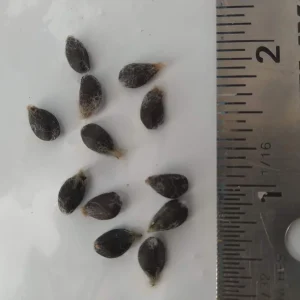
Each packet contains a generous quantity of lithops rare succulent seeds, providing ample opportunity to cultivate a thriving collection of these unique plants. While their mature size varies slightly by species, most Lithops grow to be approximately 0.5 to 1.5 inches in height and diameter, making them perfectly suited for small pots, shallow dishes, or miniature succulent gardens. The seeds themselves are tiny, reflecting the miniature nature of the plants they will become. These seeds are provided in a raw, un-germinated state, ready for you to begin their growth cycle.
When asking how to grow lithops, understand that growth from seed to a mature, flowering plant can take anywhere from 2 to 5 years, depending on growing conditions and specific species. They typically ship as a packet of seeds, allowing you to control their initial environment and care from the very beginning. This slow growth rate is part of their charm, offering a patient gardener a long-term project and the satisfaction of nurturing these delicate desert wonders.
Frequently Asked Questions
- Q: How big do Lithops plants get? A: Most Lithops varieties grow to be quite small, typically reaching a height and width of about 0.5 to 1.5 inches at maturity. They are compact plants that fit well in small containers or dish gardens, making them perfect for those interested in living stones plant care in confined spaces.
- Q: What condition will the living stones flower succulent seeds arrive in? A: The seeds will arrive in a protective packet, ready for planting. They are un-germinated and require proper conditions to sprout and grow. Instructions for germination are usually included or readily available.
- Q: Is this an indoor or outdoor plant? A: Lithops can be grown both indoors and outdoors, depending on your climate. They thrive outdoors in USDA zones 9-11 with good drainage and protection from extreme elements. In cooler climates, they are best grown as indoor houseplants, especially when learning how to grow lithops effectively.
- Q: How much sunlight do Lithops seeds need to grow? A: Once germinated, young Lithops plants require bright light, ideally 4-5 hours of direct sun daily. For seeds, provide bright, indirect light until they sprout, then gradually increase sun exposure.
- Q: Is this plant easy to care for? Is it good for beginners? A: While they have specific care requirements, especially regarding watering, Lithops are considered relatively easy to care for once you understand their needs. They are an excellent choice for beginners interested in unique succulents, aligning with the concept of easy succulent seeds.
- Q: Can I use living stones flower succulent seeds in a terrarium? A: Yes, Lithops can be grown in terrariums, but ensure adequate ventilation and extremely well-draining soil to prevent moisture buildup, which can be detrimental to these succulents.
- Q: How long until Lithops seeds sprout? A: Germination can vary, but typically, lithops rare succulent seeds can sprout anywhere from a few days to several weeks after planting, given optimal conditions like consistent moisture and warmth.
- Q: What is the best time to plant living stones flower succulent seeds? A: The best time to plant Lithops seeds is generally in spring or early summer, as this allows them to establish during their active growing season. However, with controlled indoor conditions, they can be sown year-round.
- Q: Are Lithops plants pet-safe? A: Yes, Lithops are generally considered non-toxic to cats and dogs, making them a safe choice for homes with pets. This is an important consideration for many plant enthusiasts concerned about living stones plant care.
- Q: What kind of soil should I use for Lithops? A: Lithops require a very gritty, well-draining soil mix. A mixture of 70-80% inorganic materials like pumice, perlite, or coarse sand with a small amount of potting soil is ideal. Avoid heavy, moisture-retaining soils.
Related products
-50%
Original price was: $14.76.$7.38Current price is: $7.38.
-50%
From Original price was: $8.52.$4.26Current price is: $4.26.
-50%

Original price was: $23.96.$11.98Current price is: $11.98.
-50%
Original price was: $18.76.$9.38Current price is: $9.38.
-50%
Original price was: $31.96.$15.98Current price is: $15.98.
-50%
From Original price was: $8.52.$4.26Current price is: $4.26.
-50%
From Original price was: $11.96.$5.98Current price is: $5.98.
PLANTING & CARE
Growing Glencoe Raspberry: A Complete Guide for Gardeners
If you’re looking to add something unique to your garden, look no further than the
31
Mar
Mar

The Comprehensive Guide to Growing Bay Leaf Plants for a Flavorful Garden
Imagine stepping into your garden, greeted by the earthy aroma of fresh bay leaves, their
09
Feb
Feb

How to Make Comfrey Tea: The Ultimate Organic Plant Food
Growing an organic garden can be surprisingly expensive, especially when most store-bought fertilizers come in
02
Feb
Feb

True Comfrey: 7 Essential Tips Before You Plant This Herb
A staple in permaculture practices across the US, True Comfrey easily earns its reputation as
27
Jan
Jan

7 Heart-Shaped Plants for a Lasting Valentine’s Gift
If you’ve ever bought a bouquet of roses for Valentine’s Day, you know they are
26
Jan
Jan

Best Types of Ivy Plant for Houses: How to Choose the Perfect Ones for Your Home
Are you a garden lover looking to introduce some greenery into your home? Maybe you’ve
14
Nov
Nov

When to Harvest Garlic (Especially Fall-Planted Garlic)
TIMING IS EVERYTHING, they say – and for garlic, that truth hits with surprising accuracy.
13
Nov
Nov

11 of the Best Sweet Potato Varieties to Grow for Your Garden
If you’ve ever tried growing sweet potatoes, you know that picking the right variety can
12
Nov
Nov