20 Hydrangea Flower Seeds – Blue, Violet, Pink Perennial Bush for Outdoor Garden
-50%
20 Hydrangea Flower Seeds – Blue, Violet, Pink Perennial Bush for Outdoor Garden
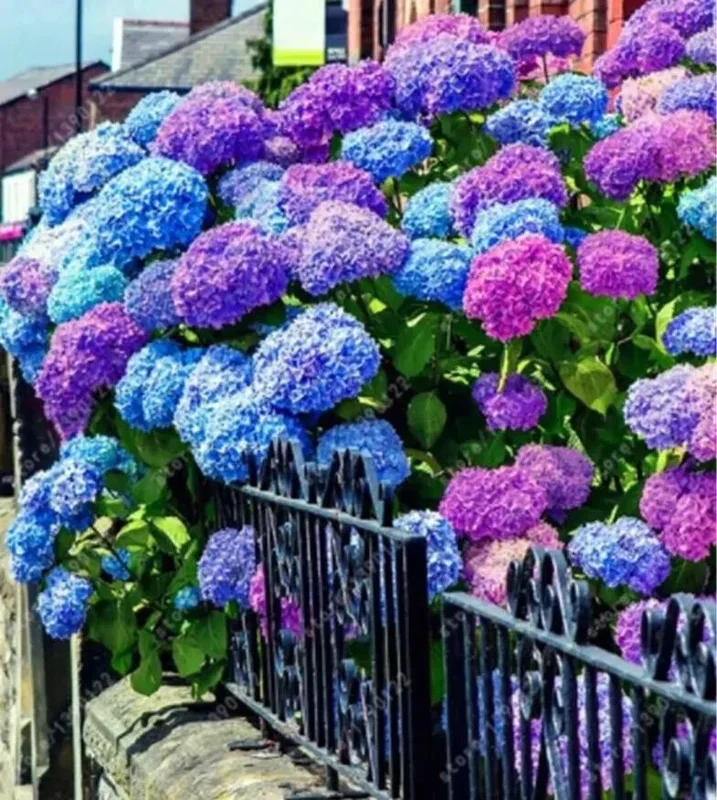
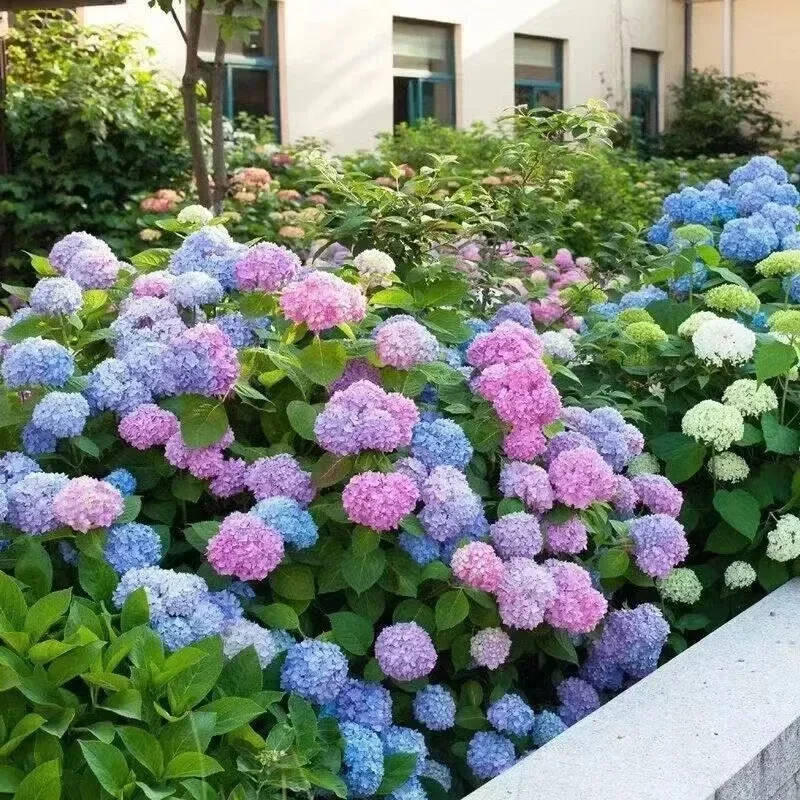
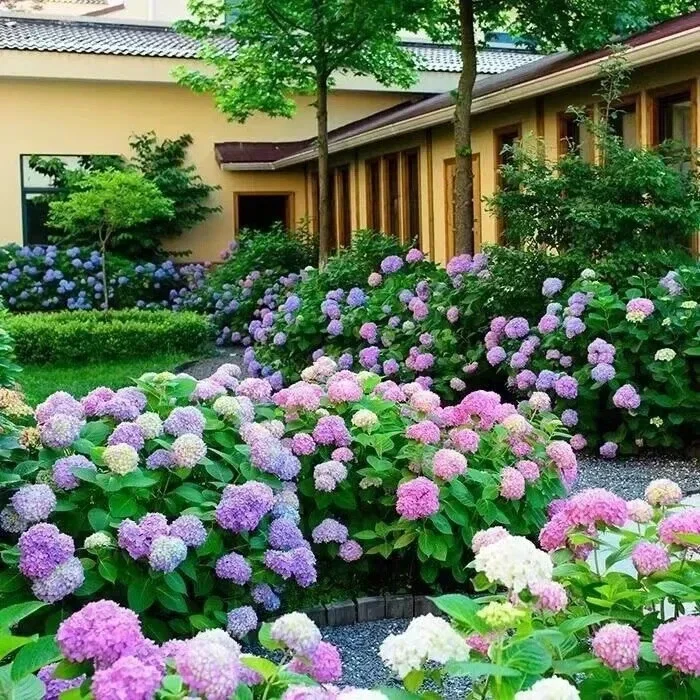
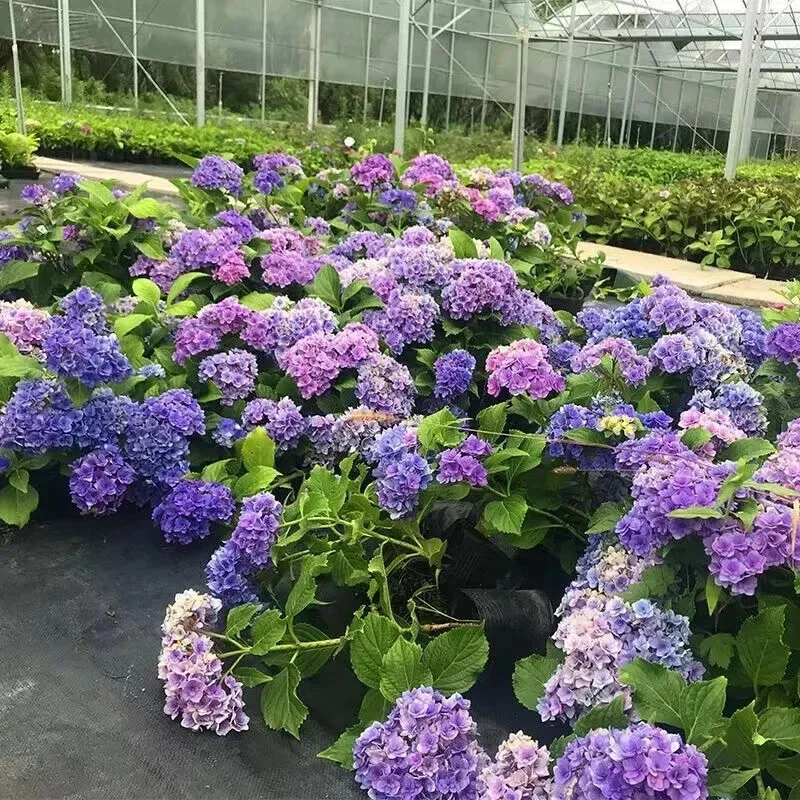
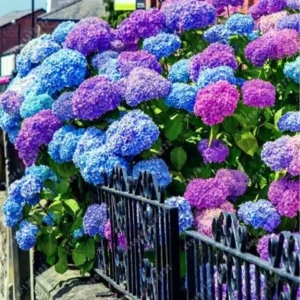
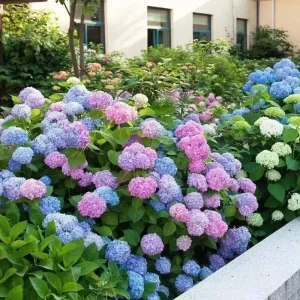
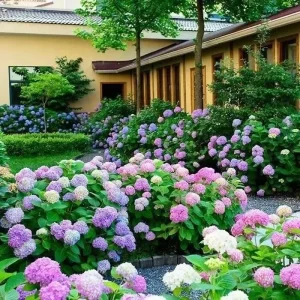
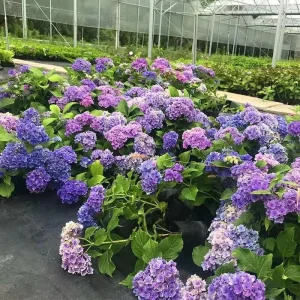
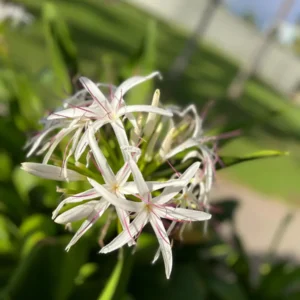
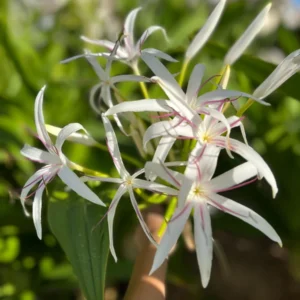
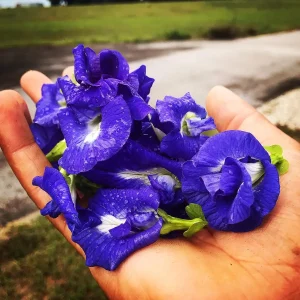
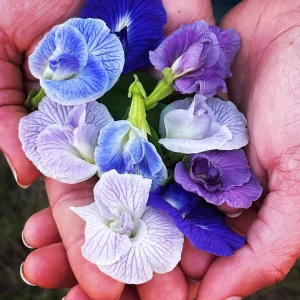
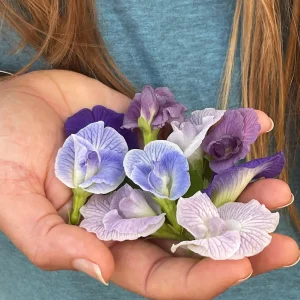
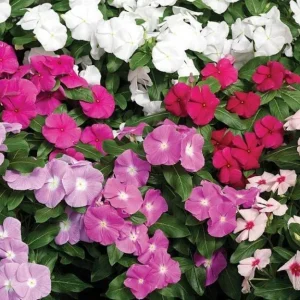
Discover the joy of gardening with these Hydrangea flower seeds. Each packet contains 20 seeds ready to sprout into stunning perennial bushes, showcasing a mix of blue, violet, and pink blooms. Ideal for outdoor gardens, these exotic Hydrangeas will add vibrant color and elegance to your landscape.
Original price was: $22.76.$11.38Current price is: $11.38.

With our Alive & Thrive Guarantee, we’ve got your back for the first 30 days! If you have any concerns about your plants, just reach out to us. Our team is here to help answer your questions and guide you in selecting the best plants for your garden, climate, and unique preferences. We're excited to help you create the garden of your dreams!
Estimated arrival
Apr 03
Apr 08 - Apr 10
Apr 13 - Apr 17


Product Details
-
USDA Hardiness Zone
unknown -
Soil type
Well-draining, rich, organic soil -
Sunlight Exposure
Medium Sun -
Expected Planting Period
Year-round indoors (for germination), spring to early summer (outdoor transplant)
Overview
Embark on a rewarding gardening journey with our premium Hydrangea flower seeds. This packet contains 20 high-quality seeds, offering you the opportunity to cultivate vibrant perennial Hydrangea bushes right in your own garden. Known for their lush foliage and spectacular, long-lasting blooms, Hydrangeas are a beloved choice for gardeners seeking to add dramatic flair and continuous color to their outdoor spaces. These particular seeds promise a delightful array of blue, violet, and pink flowers, transforming your garden into a picturesque haven. Growing Hydrangea flower seeds is a fulfilling experience, watching these beautiful plants emerge from tiny seeds into magnificent flowering bushes.
Hydrangeas, scientifically known as Hydrangea macrophylla, are renowned for their large, showy flower clusters that can change color based on soil acidity. While often associated with established plants, starting Hydrangeas from seed allows you to witness the entire life cycle and enjoy the satisfaction of nurturing them from the very beginning. These exotic Hydrangea seeds are selected for their potential to produce robust plants with striking multi-colored blooms, making them a fantastic addition to any garden design. Whether you’re an experienced gardener or just starting out, these seeds provide an accessible path to cultivating one of nature’s most enchanting flowering shrubs.
Key Benefits
Cultivating these Hydrangea flower seeds offers numerous advantages, from enhancing your garden’s aesthetic appeal to providing a rewarding horticultural experience. Here are some of the standout benefits:
- Stunning Visual Appeal: Enjoy a breathtaking display of blue, violet, and pink blooms that create a vibrant focal point in any garden setting. These diverse colors provide a dynamic and ever-changing landscape throughout the growing season.
- Long Blooming Season: Hydrangeas are known for their extended flowering period, providing continuous beauty from spring through summer and even into fall, ensuring your garden remains colorful for months.
- Perennial Growth: As perennial bushes, once established, these Hydrangeas will return year after year, saving you the effort of replanting and offering enduring beauty with minimal ongoing effort. Learning to grow Hydrangea from seed ensures a lasting impact on your garden.
- Versatile Landscaping: Perfect for borders, mass plantings, specimen plants, or even large containers, these Hydrangeas adapt well to various garden designs and spaces, adding structure and beauty.
- Attracts Pollinators: The abundant flowers of the Hydrangea attract beneficial pollinators like bees and butterflies, contributing to a healthy and biodiverse garden ecosystem.
- Moderate Maintenance: Despite their exotic appearance, these Hydrangeas have moderate care requirements, making them suitable for gardeners who appreciate beauty without excessive fuss.
- Cut Flower Potential: The large, beautiful blooms are excellent for cutting, allowing you to bring the beauty of your garden indoors to create stunning floral arrangements.
Plant Care & Growing Tips
To successfully grow Hydrangea from seed and ensure your plants thrive, proper care is essential. Hydrangeas prefer a site with medium sun exposure, meaning they should receive around 4-6 hours of direct sunlight per day, ideally morning sun, with some afternoon shade, especially in hotter climates. This helps protect their delicate blooms and leaves from scorching. The ideal climate for these Hydrangeas is generally Humid Continental, but they are adaptable to various regions with appropriate care.
When it comes to watering, Hydrangeas require medium moisture. The soil should be consistently moist but never waterlogged. Deep watering 2-3 times a week, especially during dry spells or their blooming season, is often sufficient. Well-draining soil is crucial to prevent root rot. A rich, organic soil mix, amended with compost, will provide the best environment for your Hydrangea seeds to germinate and grow. For fertilization, a balanced slow-release fertilizer in early spring, followed by a lighter application in mid-summer, can promote vigorous growth and abundant blooms. Monitor your plants for signs of pests or diseases and address them promptly with appropriate organic or chemical treatments.
For successful germination of these exotic Hydrangea seeds, sow them indoors 8-10 weeks before the last frost date. Lightly press the tiny seeds onto the surface of a sterile seed-starting mix, as they require light to germinate. Do not cover them with soil. Maintain a consistent temperature of 65-75°F (18-24°C) and high humidity. Once seedlings are large enough to handle, transplant them into individual pots. Harden off young plants before moving them outdoors after all danger of frost has passed. These perennial Hydrangea bushes will establish themselves over the first year, providing more spectacular displays in subsequent seasons.
Size & Details
This offering includes 20 Hydrangea flower seeds, providing a generous quantity to start your garden project. Once mature, these Hydrangea bushes typically grow to a medium size, generally reaching heights of 3 to 6 feet and spreading 3 to 5 feet wide, making them excellent choices for garden beds, borders, or as attractive foundation plantings. The growth rate is moderate, with plants typically establishing a good size within 2-3 years, and flowering usually begins in their second year.
The seeds will arrive in a protective packet, ready for planting. These plants are known for their spectacular flowering features, producing large, round or flattened flower clusters (mophead or lacecap varieties, depending on the specific genetics of these colorful Hydrangea blooms). They are perennial, meaning they will return each year, providing enduring beauty. The exact bloom color (blue, violet, or pink) can often be influenced by soil pH, with acidic soils promoting blue hues and alkaline soils favoring pinks. This makes them a fascinating plant for gardeners who enjoy experimenting with their soil composition.
Frequently Asked Questions
- Q: How big does this plant get? A: These Hydrangea bushes typically grow to a height of 3 to 6 feet and can spread 3 to 5 feet wide, creating a substantial and beautiful presence in your garden. Their mature size makes them ideal for various landscaping applications.
- Q: Is this an indoor or outdoor plant? A: These Hydrangea flower seeds are intended for growing outdoor perennial bushes. While you can start the seeds indoors, the mature plants thrive in an outdoor garden environment.
- Q: How much sunlight does it need? A: Hydrangeas prefer medium sun exposure, which means about 4-6 hours of direct sunlight daily, ideally morning sun, with protection from harsh afternoon sun. This lighting helps promote healthy growth and abundant colorful Hydrangea blooms.
- Q: Is this plant easy to care for? A: Hydrangeas are considered to have moderate cultivating difficulty. With consistent watering, proper soil, and suitable sunlight, even beginners can successfully grow Hydrangea from seed.
- Q: What condition will the seeds arrive in? A: The Hydrangea flower seeds will arrive in a sealed packet, ensuring their freshness and viability for planting. They are ready to be sown upon arrival.
- Q: How long until it blooms? A: While germination can occur within a few weeks, Hydrangeas grown from seed typically begin to produce their first significant blooms in their second year after planting. Patience is rewarded with spectacular flowers.
- Q: When is the best time to plant these seeds? A: For best results, start these exotic Hydrangea seeds indoors 8-10 weeks before your last expected frost date. Transplant the young plants outdoors after all danger of frost has passed in spring.
- Q: Will these Hydrangeas survive winter in my zone? A: Hydrangeas are perennial and generally hardy in many USDA zones. While specific hardiness may vary, they are known to return year after year, especially when properly mulched in colder regions. They are well-suited to a Humid Continental climate.
- Q: Can I influence the color of the blooms? A: Yes, the color of many Hydrangea varieties, including these, can be influenced by soil pH. Acidic soil (pH 5.5 and lower) tends to produce blue blooms, while alkaline soil (pH 6.5 and higher) promotes pink blooms. Neutral soil may result in violet or mixed colors.
- Q: What type of soil do these Hydrangeas prefer? A: These plants thrive in rich, well-draining soil that retains moisture. Amending your garden soil with organic matter like compost will provide an ideal growing medium for these perennial Hydrangea bushes.
Related products
-50%
Original price was: $23.96.$11.98Current price is: $11.98.
-50%
Original price was: $23.96.$11.98Current price is: $11.98.
-50%
From Original price was: $63.60.$31.80Current price is: $31.80.
-50%

Original price was: $15.96.$7.98Current price is: $7.98.
-50%
Original price was: $21.56.$10.78Current price is: $10.78.
-50%


Original price was: $23.96.$11.98Current price is: $11.98.
-50%


Original price was: $19.16.$9.58Current price is: $9.58.
PLANTING & CARE
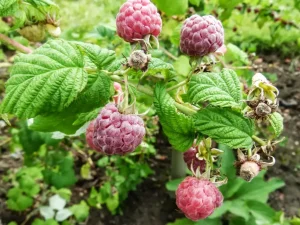
Growing Glencoe Raspberry: A Complete Guide for Gardeners
If you’re looking to add something unique to your garden, look no further than the
31
Mar
Mar

The Comprehensive Guide to Growing Bay Leaf Plants for a Flavorful Garden
Imagine stepping into your garden, greeted by the earthy aroma of fresh bay leaves, their
09
Feb
Feb

How to Make Comfrey Tea: The Ultimate Organic Plant Food
Growing an organic garden can be surprisingly expensive, especially when most store-bought fertilizers come in
02
Feb
Feb

True Comfrey: 7 Essential Tips Before You Plant This Herb
A staple in permaculture practices across the US, True Comfrey easily earns its reputation as
27
Jan
Jan

7 Heart-Shaped Plants for a Lasting Valentine’s Gift
If you’ve ever bought a bouquet of roses for Valentine’s Day, you know they are
26
Jan
Jan

Best Types of Ivy Plant for Houses: How to Choose the Perfect Ones for Your Home
Are you a garden lover looking to introduce some greenery into your home? Maybe you’ve
14
Nov
Nov

When to Harvest Garlic (Especially Fall-Planted Garlic)
TIMING IS EVERYTHING, they say – and for garlic, that truth hits with surprising accuracy.
13
Nov
Nov

11 of the Best Sweet Potato Varieties to Grow for Your Garden
If you’ve ever tried growing sweet potatoes, you know that picking the right variety can
12
Nov
Nov