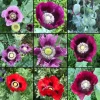
Oriental Poppy Seeds – 200+ Perennial Flower Seeds, Reddish Orange
-50%




Oriental Poppy Seeds – 200+ Perennial Flower Seeds, Reddish Orange
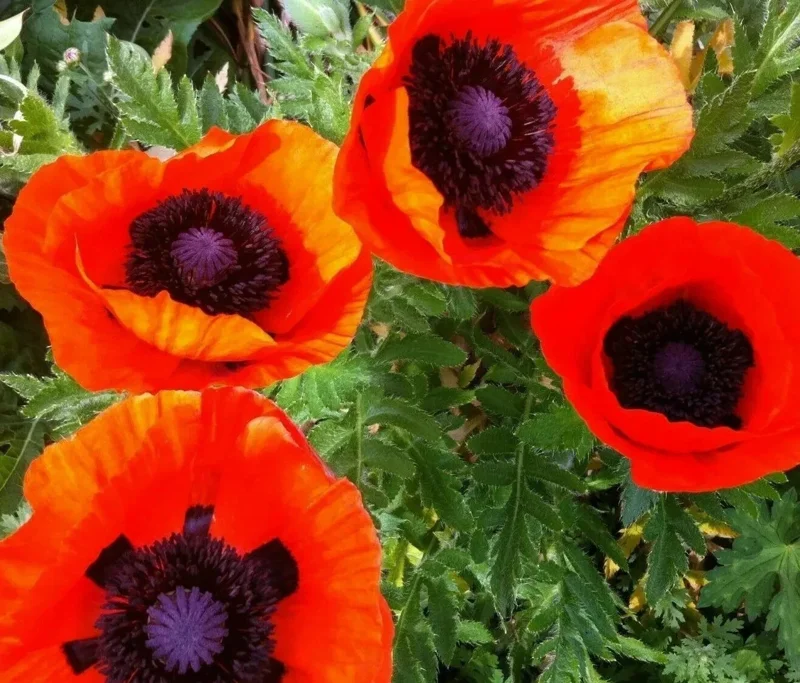
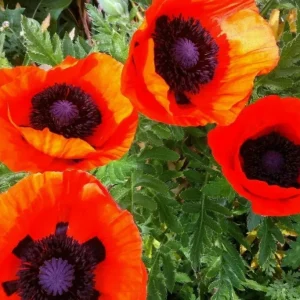
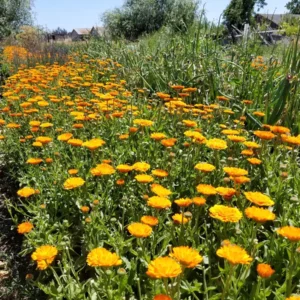
Cultivate a breathtaking display with over 200 oriental poppy seeds. These perennial flowers boast striking reddish-orange blooms, adding bold color and texture to your garden. Ideal for both experienced and novice gardeners looking for an easy grow poppy.
Original price was: $10.36.$5.18Current price is: $5.18.

With our Alive & Thrive Guarantee, we’ve got your back for the first 30 days! If you have any concerns about your plants, just reach out to us. Our team is here to help answer your questions and guide you in selecting the best plants for your garden, climate, and unique preferences. We're excited to help you create the garden of your dreams!
Estimated arrival
Apr 03
Apr 08 - Apr 10
Apr 13 - Apr 17



Product Details
-
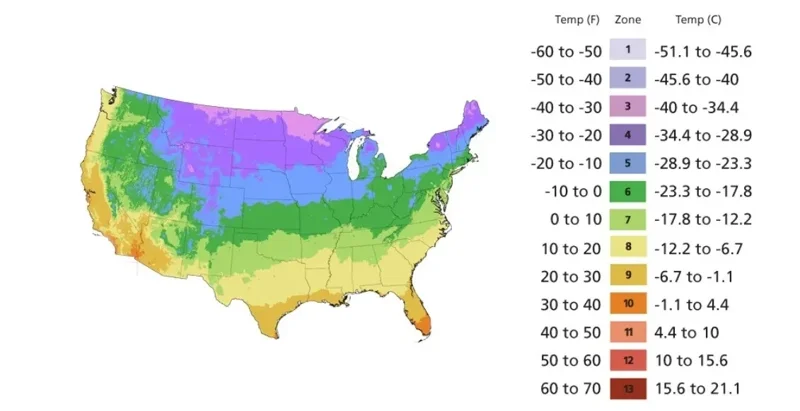
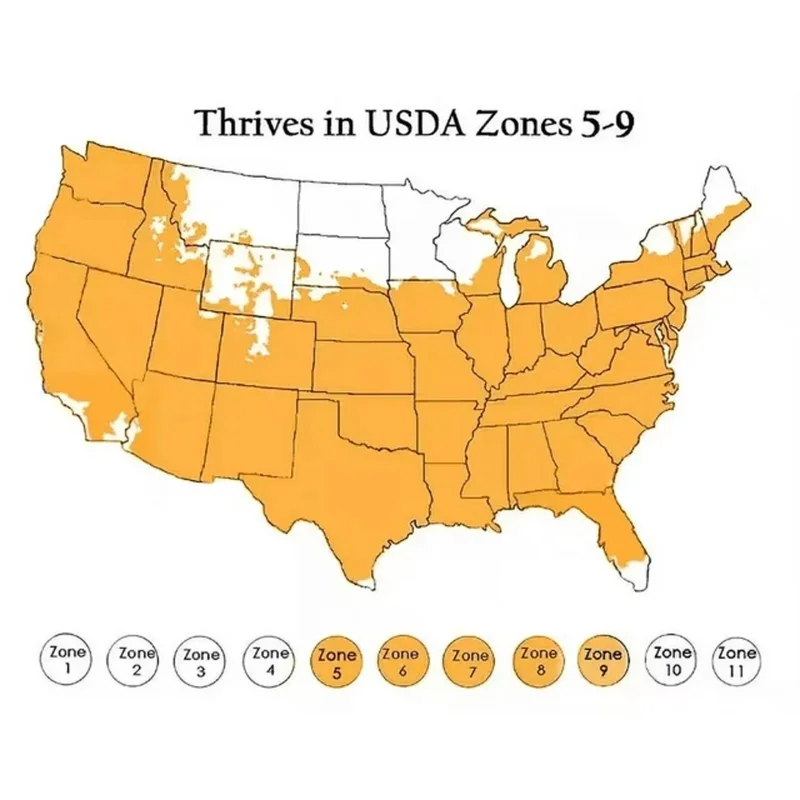
USDA Hardiness Zone
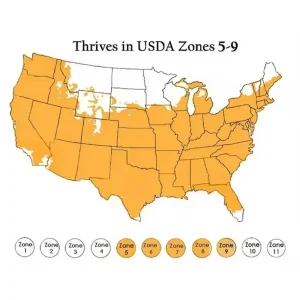
USDA Zones 3-7 -
Soil type
Well-draining loamy soil -
Sunlight Exposure
Full Sun -
Expected Planting Period
Late summer or early fall
Overview
Transform your garden into a vibrant spectacle with these premium oriental poppy seeds. Each packet contains over 200 high-quality seeds, ready to sprout into magnificent perennial flowers. Known for their dramatic, cup-shaped blooms and striking reddish-orange hue, Oriental Poppies (Papaver orientale) are a beloved addition to cottage gardens, borders, and naturalized landscapes. These hardy perennials return year after year, providing an explosion of color and architectural interest in late spring and early summer. The grandeur of these flowers makes them a focal point, attracting beneficial pollinators and adding an old-world charm to your outdoor space.
Whether you’re an avid gardener or just starting, growing oriental poppy seeds is a rewarding experience. These plants are relatively low-maintenance once established, thriving in sunny locations with well-draining soil. Their unique texture and bold coloration make them an excellent choice for creating visual impact and contrast in your garden design. Prepare to be enchanted by the fleeting yet unforgettable beauty of these reddish-orange blossoms.
Key Benefits
Adding oriental poppy seeds to your garden offers a multitude of advantages, contributing both aesthetic appeal and ecological benefits. These robust flowers are a fantastic choice for anyone seeking impactful, long-lasting color.
- Stunning Visual Impact: The large, vibrant reddish-orange flowers create an immediate focal point in any garden, drawing the eye with their intense color and unique texture. These blooms are truly show-stopping.
- Perennial Growth: As a perennial poppy, these plants return year after year, saving you the effort of replanting annually. They establish a strong root system, ensuring continuous beauty for many seasons.
- Attracts Pollinators: The open, accessible flowers are highly attractive to bees and other pollinators, contributing to the biodiversity and health of your garden ecosystem.
- Low Maintenance: Once established, Oriental Poppies are quite drought-tolerant and require minimal care, making them an excellent choice for busy gardeners or those new to gardening. They are a truly an easy grow poppy.
- Deer Resistant: Generally, deer tend to avoid poppies, making them a good option for gardens in areas where deer browse is a concern.
- Versatile Landscaping: Perfect for borders, rock gardens, mass plantings, or as cut flowers, their dramatic presence enhances various garden styles.
- Long Bloom Season: While individual blooms are short-lived, a mature plant will produce a succession of flowers over several weeks in late spring to early summer, extending the period of vibrant color.
Plant Care & Growing Tips
Cultivating beautiful Oriental Poppies from oriental poppy seeds is straightforward with the right care. These plants prefer specific conditions to truly flourish and produce their iconic reddish-orange blooms.
Sunlight Requirements: Oriental Poppies thrive in full sun, meaning they need at least 6-8 hours of direct sunlight per day. While they can tolerate some partial shade, especially in hotter climates, too much shade can lead to leggy growth and fewer flowers. For optimal blooming and sturdy stems, choose a location in your garden that receives abundant sunshine throughout the day. This strong light is crucial for developing the intense colors of the reddish orange poppy.
Watering Schedule & Soil Moisture: Once established, Oriental Poppies are quite drought-tolerant. They prefer consistently moist, but not waterlogged, soil during their active growth and blooming period in spring. After flowering, the foliage often dies back, and the plant goes dormant in summer, requiring very little water during this time. Overwatering, especially in dormant periods, can lead to root rot. Ensure the top inch or two of soil dries out between waterings. Proper watering is key for healthy garden poppy seeds to mature.
Soil Type & Drainage: The most crucial factor for success with this perennial poppy is excellent drainage. Oriental Poppies prefer rich, well-draining soil. Sandy loam or loamy soil with a neutral to slightly alkaline pH (6.5-7.5) is ideal. Amend heavy clay soils with organic matter like compost, sand, or grit to improve drainage and aeration, preventing water from pooling around the roots. They are quite adaptable but absolutely detest wet feet.
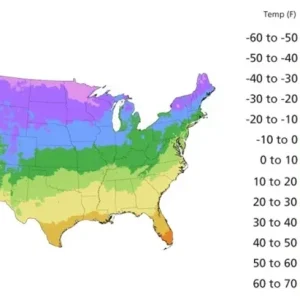
Temperature Range & USDA Hardiness Zone: These hardy perennials are best suited for USDA Zones 3-7. They require a period of cold dormancy to perform well. They can tolerate a wide range of temperatures, from cold winters to warm summers, provided they have good drainage. Planting your oriental poppy seeds in the fall allows them to establish before winter, promoting strong growth in spring.
Fertilization: Oriental Poppies are not heavy feeders. A light application of a balanced, all-purpose granular fertilizer in early spring, just as new growth emerges, is usually sufficient. Avoid excessive nitrogen, which can promote lush foliage at the expense of flowers. Alternatively, top-dressing with a layer of compost in spring can provide adequate nutrients for your easy grow poppy.
Common Problems & Solutions: The most common issue is root rot due to poor drainage. Ensure your soil is well-draining. Pests are generally not a major problem, but watch for aphids or spider mites, which can be treated with insecticidal soap. Powdery mildew can occur in humid conditions; ensure good air circulation. Deadhead spent blooms to prevent self-seeding and encourage more vigorous growth, though allowing some to go to seed can provide future plants.
Size & Details
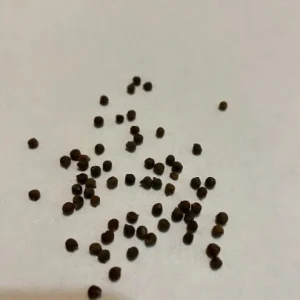
This offering includes over 200 oriental poppy seeds, providing ample opportunity to establish a beautiful patch of these striking perennials. Once mature, Oriental Poppies typically grow to a height of 2-3 feet (60-90 cm) and spread about 1-2 feet (30-60 cm) wide, forming attractive clumps. The large, showy flowers can reach 4-6 inches (10-15 cm) in diameter. These seeds are shipped as a dry seed packet, ready for planting. With proper care, you can expect your plants to begin flowering in late spring to early summer, usually within the second year after planting.
Frequently Asked Questions
- Q: How big do Oriental Poppy plants typically get? A: Mature oriental poppy seeds plants generally reach a height of 2-3 feet (60-90 cm) and spread about 1-2 feet (30-60 cm) wide, forming a substantial clump in your garden.
- Q: Are these poppy seeds suitable for indoor or outdoor planting? A: These oriental poppy seeds are primarily intended for outdoor planting. They require a period of cold dormancy to thrive and produce their beautiful flowers. While you can start them indoors, they must eventually be transplanted outside.
- Q: How much sunlight does an oriental poppy need? A: Oriental Poppies perform best in full sun, meaning they need at least 6-8 hours of direct sunlight every day. Adequate sun is crucial for abundant blooms and strong plant health.
- Q: Is this plant easy to care for? Is it good for beginners? A: Yes, Oriental Poppies are considered an easy grow poppy once established. They are quite drought-tolerant and require minimal maintenance, making them a great choice for beginner gardeners.
- Q: What condition will the oriental poppy seeds arrive in? A: The oriental poppy seeds will arrive in a sealed packet, ready for planting. They are dry seeds, not live plants or bulbs.
- Q: When is the best time to plant oriental poppy seeds? A: The best time to plant garden poppy seeds is in late summer or early fall. This allows the seeds to experience a period of cold stratification over winter, which aids germination in the spring.
- Q: What USDA zones are suitable for Oriental Poppies? A: Oriental Poppies are hardy perennials and are best suited for USDA Hardiness Zones 3 through 7. They require a cold winter period to establish properly and flower.
Related products
-50%
Original price was: $95.96.$47.98Current price is: $47.98.
-50%

Original price was: $23.96.$11.98Current price is: $11.98.
-50%
Original price was: $23.96.$11.98Current price is: $11.98.
-50%
From Original price was: $55.60.$27.80Current price is: $27.80.
-50%
Original price was: $21.56.$10.78Current price is: $10.78.
-50%
Original price was: $47.96.$23.98Current price is: $23.98.
-50%
Original price was: $23.96.$11.98Current price is: $11.98.
PLANTING & CARE

Growing Glencoe Raspberry: A Complete Guide for Gardeners
If you’re looking to add something unique to your garden, look no further than the
31
Mar
Mar

The Comprehensive Guide to Growing Bay Leaf Plants for a Flavorful Garden
Imagine stepping into your garden, greeted by the earthy aroma of fresh bay leaves, their
09
Feb
Feb

How to Make Comfrey Tea: The Ultimate Organic Plant Food
Growing an organic garden can be surprisingly expensive, especially when most store-bought fertilizers come in
02
Feb
Feb

True Comfrey: 7 Essential Tips Before You Plant This Herb
A staple in permaculture practices across the US, True Comfrey easily earns its reputation as
27
Jan
Jan

7 Heart-Shaped Plants for a Lasting Valentine’s Gift
If you’ve ever bought a bouquet of roses for Valentine’s Day, you know they are
26
Jan
Jan

Best Types of Ivy Plant for Houses: How to Choose the Perfect Ones for Your Home
Are you a garden lover looking to introduce some greenery into your home? Maybe you’ve
14
Nov
Nov

When to Harvest Garlic (Especially Fall-Planted Garlic)
TIMING IS EVERYTHING, they say – and for garlic, that truth hits with surprising accuracy.
13
Nov
Nov

11 of the Best Sweet Potato Varieties to Grow for Your Garden
If you’ve ever tried growing sweet potatoes, you know that picking the right variety can
12
Nov
Nov