Sweet Potato Seed for Planting – 1000g USDA Certified Red Potato Bulbs
-50%


Sweet Potato Seed for Planting – 1000g USDA Certified Red Potato Bulbs
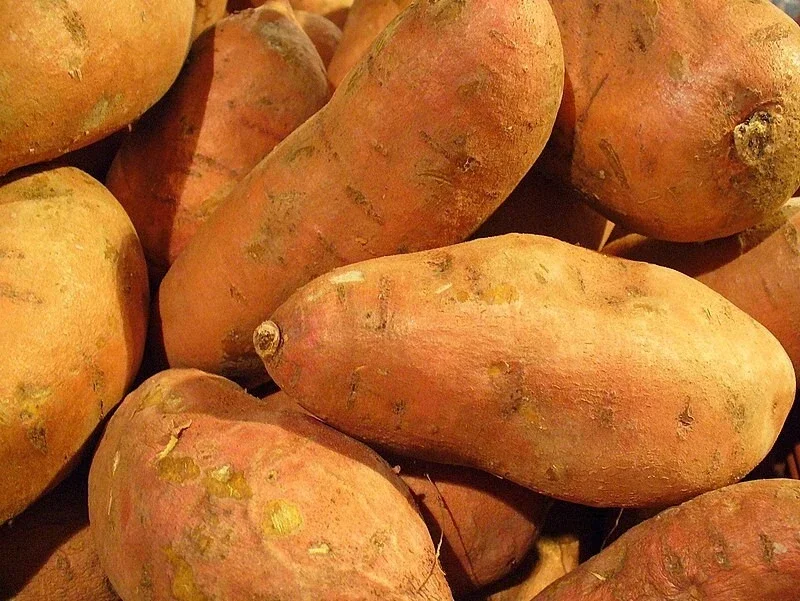
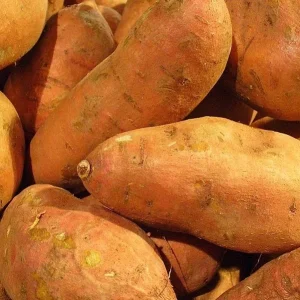
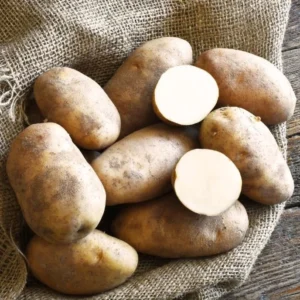
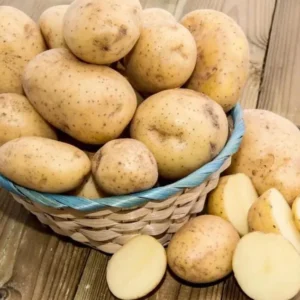
Start your own garden with sweet potato seed for planting. This 1000g seed potato package contains USDA certified bulbs, ideal for both indoor and outdoor cultivation. Enjoy a bountiful harvest of delicious red sweet potatoes.
Original price was: $58.76.$29.38Current price is: $29.38.

With our Alive & Thrive Guarantee, we’ve got your back for the first 30 days! If you have any concerns about your plants, just reach out to us. Our team is here to help answer your questions and guide you in selecting the best plants for your garden, climate, and unique preferences. We're excited to help you create the garden of your dreams!
Estimated arrival
Apr 03
Apr 08 - Apr 10
Apr 13 - Apr 17






Product Details
-
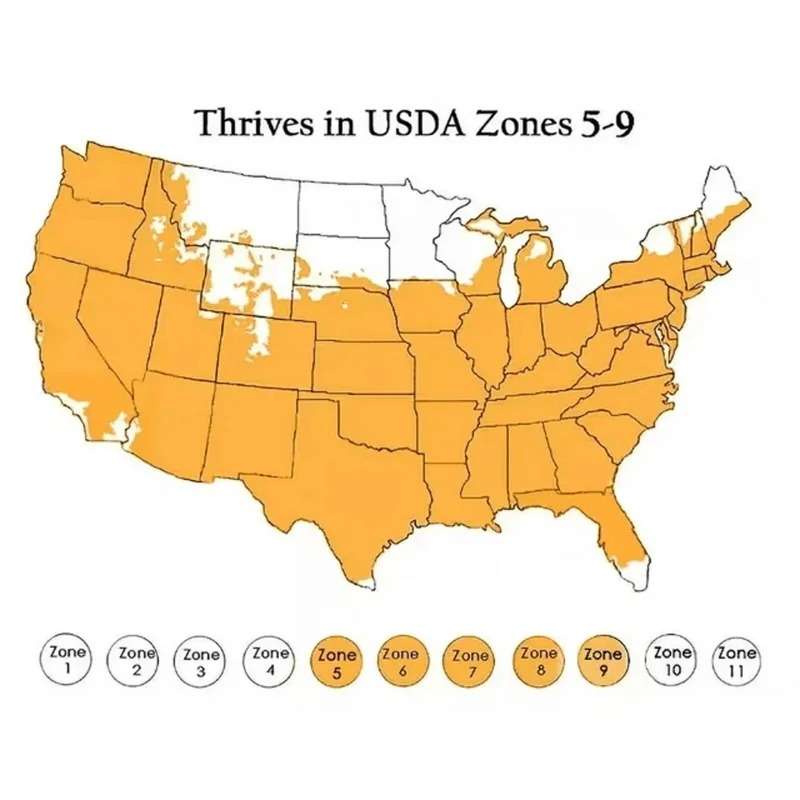
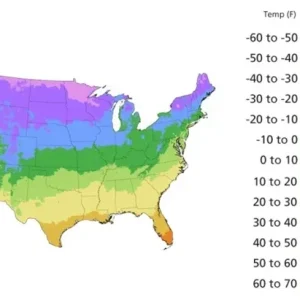
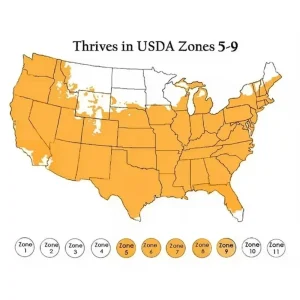
USDA Hardiness Zone
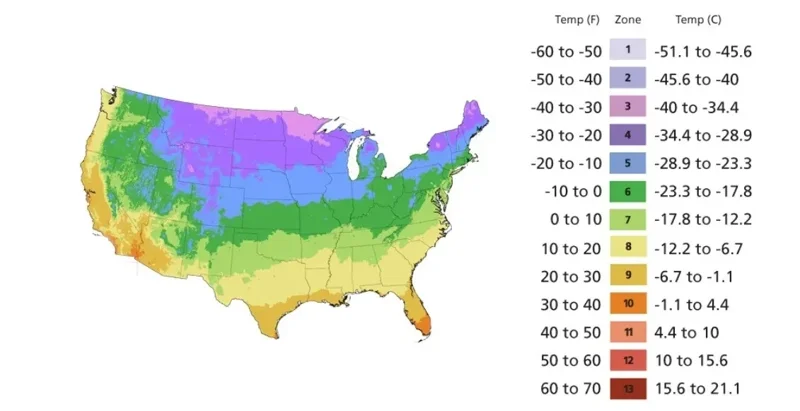
USDA zones 8-11 (as perennials) or annuals in cooler zones -
Soil type
Well-draining sandy loam -
Sunlight Exposure
Full Sun -
Expected Planting Period
Spring to early summer
Overview
Embark on a rewarding gardening journey with our premium sweet potato seed, specifically cultivated for planting. This generous 1000g seed potato offering provides ample material for establishing a thriving sweet potato patch in your home garden. These USDA certified seed potatoes are carefully selected to ensure high quality and vigorous growth, promising a bountiful harvest of delicious and nutritious sweet potatoes. Whether you’re an experienced gardener or just starting, these red potato bulbs are an excellent choice for a successful growing season. Sweet potatoes, botanically known as Ipomoea batatas, are a versatile and easy-to-grow vegetable, perfect for adding a staple crop to your food supply.
Our commitment to quality means you receive only the best for your garden. The sweet potato for planting is sourced from healthy, disease-free stock, ensuring a strong start for your plants. These bulbs are ready to be planted and will quickly develop into robust vines, producing an abundance of tubers. Growing your own sweet potatoes allows you to enjoy fresh, organic produce right from your backyard, enhancing your culinary experiences with homegrown flavor.
Key Benefits
Cultivating your own sweet potatoes offers numerous advantages, from fresh produce to a rewarding gardening experience. Our sweet potato seed ensures you start with the best possible foundation for success.
- High Yield Potential: These 1000g seed potato bulbs are selected for their robust growth, promising a generous harvest of sweet potatoes from your garden. Enjoy an abundance of healthy tubers perfect for cooking and storage.
- USDA Certified Quality: Rest assured that these seed potatoes meet stringent USDA standards, guaranteeing a healthy start and reliable performance in your garden. This certification ensures you’re planting top-quality material.
- Versatile Culinary Use: Homegrown sweet potatoes are incredibly versatile in the kitchen, suitable for baking, roasting, frying, or mashing. Their natural sweetness and rich texture make them a favorite for many dishes.
- Easy to Grow: Sweet potatoes are known for being relatively low-maintenance and forgiving, making them an excellent choice for gardeners of all skill levels. They adapt well to various climates and soil types.
- Nutrient-Rich Harvest: Enjoy the health benefits of freshly harvested sweet potatoes, which are packed with vitamins, minerals, and antioxidants. Growing your own ensures you have access to fresh, healthy produce.
- Vining Growth Habit: The sweet potato plants exhibit a vining growth habit, which can be attractive in the garden and can help suppress weeds. This natural spread contributes to a healthy growing environment.
- Indoor & Outdoor Suitability: While primarily grown outdoors, these seed potatoes can also be started indoors in containers before transplanting, or grown in large containers on patios, offering flexibility for different gardening setups.
Plant Care & Growing Tips
Proper care is essential for a successful sweet potato harvest. Our sweet potato seed is designed for ease of growth, but understanding their needs will maximize your yield. Sweet potatoes thrive in warm climates and require a long growing season. They prefer full sun, meaning at least 6-8 hours of direct sunlight per day. If you live in a cooler region, starting your sweet potato for planting indoors about 4-6 weeks before the last frost can give them a head start.
The ideal soil for red potato bulbs is well-draining, sandy loam with a slightly acidic to neutral pH (5.5-7.0). Avoid heavy clay soils, as these can hinder tuber development. Amend your soil with compost or well-rotted manure to improve fertility and drainage. Plant the seed potatoes about 10-12 inches apart in rows that are 3-4 feet apart. Ensure the soil remains consistently moist, especially during dry spells, but avoid overwatering, which can lead to rot. Fertilize sparingly with a balanced fertilizer, focusing on potassium for tuber development rather than excessive nitrogen which promotes leafy growth. Regular weeding is important to prevent competition for nutrients and water.
Sweet potatoes are generally hardy and resistant to many pests, but monitoring for common garden issues is always recommended. They are typically harvested before the first hard frost, usually about 90-120 days after planting, depending on the variety. Gently dig around the plants to avoid damaging the tubers. Curing the sweet potatoes for a week or two after harvest in a warm, humid environment will improve their flavor and storage life. This attention to detail will ensure your 1000g seed potato yields a fantastic crop.
Size & Details
This offering includes 1000g sweet potato seed for planting, providing a substantial quantity for most home gardens. The individual seed potatoes (bulbs) are typically medium-sized, ideal for sprouting and vigorous growth. Sweet potato vines exhibit a vining growth habit, spreading across the ground or climbing if given support. They typically grow to about 6 to 12 inches tall, with vines spreading several feet wide, making them suitable for larger garden beds or spacious containers. The tubers themselves will vary in size, generally reaching a mature length of 4 to 8 inches, depending on growing conditions and duration.
The sweet potato seed will arrive as dormant bulbs, ready for you to begin the sprouting process. These are annual plants in most temperate climates, meaning they complete their life cycle within one growing season. With a planting time of approximately 10 weeks before the last frost for slips, and a harvest typically in the fall, you can expect a full growing cycle from spring to autumn. This particular variety is known to produce attractive red-skinned sweet potatoes, offering both visual appeal and delicious flavor. The cultivating difficulty is considered very easy, making this an accessible project for gardeners seeking to grow sweet potatoes.
Frequently Asked Questions
- Q: How big does this plant get? A: Sweet potato plants have a vining growth habit. The vines can spread several feet, while the foliage typically reaches 6 to 12 inches in height. The tubers themselves can grow to 4-8 inches long.
- Q: What is included in the 1000g sweet potato seed package? A: The 1000g sweet potato seed package contains high-quality, USDA certified sweet potato bulbs (seed potatoes) specifically prepared for planting. This quantity is sufficient for a good-sized home garden.
- Q: Is this an indoor or outdoor plant? A: While sweet potatoes are primarily grown outdoors in warm climates, you can start the sweet potato for planting indoors to produce slips before transplanting them outside. They can also be grown in large containers outdoors.
- Q: How much sunlight does it need? A: Sweet potato plants require full sun, which means at least 6-8 hours of direct sunlight per day, to produce the best yields of tubers.
- Q: Is this plant easy to care for? A: Yes, sweet potatoes are generally considered very easy to grow and are suitable for beginners. They are relatively low-maintenance, requiring consistent moisture and warmth for optimal growth.
- Q: What condition will the 1000g seed potato arrive in? A: Your 1000g seed potato will arrive as dormant, healthy bulbs, ready for you to begin the slip-growing process or direct planting in appropriate conditions.
- Q: How long until I can harvest the sweet potatoes? A: Sweet potatoes are typically ready for harvest 90-120 days after planting the slips, usually in the fall before the first hard frost.
- Q: What kind of soil is best for growing sweet potatoes? A: Sweet potatoes prefer well-draining, sandy loam soil with a pH between 5.5 and 7.0. Amending heavy soils with organic matter will improve drainage and fertility.
- Q: Will these red potato bulbs survive winter in my zone? A: Sweet potatoes are annuals in most temperate zones and will not survive winter frosts. They are best grown in USDA zones 8-11 as perennials, or as annuals in cooler zones.
- Q: When is the best time to plant sweet potato seed? A: The best time to plant sweet potato slips (derived from these seed potatoes) is after all danger of frost has passed and soil temperatures have warmed, typically in late spring or early summer.
Related products
-48%
Original price was: $28.99.$14.99Current price is: $14.99.
-50%


Original price was: $39.96.$19.98Current price is: $19.98.
-48%
Original price was: $28.99.$14.99Current price is: $14.99.
-48%
Original price was: $28.99.$14.99Current price is: $14.99.
-48%
Original price was: $28.99.$14.99Current price is: $14.99.
-48%
Original price was: $28.99.$14.99Current price is: $14.99.
-50%
Original price was: $15.96.$7.98Current price is: $7.98.
PLANTING & CARE

Growing Glencoe Raspberry: A Complete Guide for Gardeners
If you’re looking to add something unique to your garden, look no further than the
31
Mar
Mar

The Comprehensive Guide to Growing Bay Leaf Plants for a Flavorful Garden
Imagine stepping into your garden, greeted by the earthy aroma of fresh bay leaves, their
09
Feb
Feb

How to Make Comfrey Tea: The Ultimate Organic Plant Food
Growing an organic garden can be surprisingly expensive, especially when most store-bought fertilizers come in
02
Feb
Feb

True Comfrey: 7 Essential Tips Before You Plant This Herb
A staple in permaculture practices across the US, True Comfrey easily earns its reputation as
27
Jan
Jan

7 Heart-Shaped Plants for a Lasting Valentine’s Gift
If you’ve ever bought a bouquet of roses for Valentine’s Day, you know they are
26
Jan
Jan

Best Types of Ivy Plant for Houses: How to Choose the Perfect Ones for Your Home
Are you a garden lover looking to introduce some greenery into your home? Maybe you’ve
14
Nov
Nov

When to Harvest Garlic (Especially Fall-Planted Garlic)
TIMING IS EVERYTHING, they say – and for garlic, that truth hits with surprising accuracy.
13
Nov
Nov

11 of the Best Sweet Potato Varieties to Grow for Your Garden
If you’ve ever tried growing sweet potatoes, you know that picking the right variety can
12
Nov
Nov