Judas Tree Seeds (Cercis siliquastrum) – Mediterranean Redbud Flowers, Hardy
-50%







Judas Tree Seeds (Cercis siliquastrum) – Mediterranean Redbud Flowers, Hardy
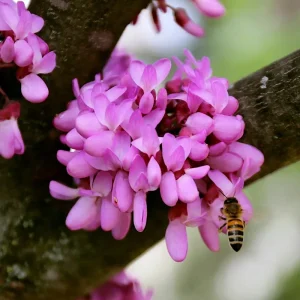
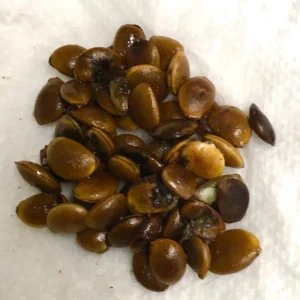
Discover the beauty of the Judas Tree seeds (Cercis siliquastrum), also known as the Mediterranean Redbud. These hardy tree seeds are ideal for creating stunning landscapes with their vibrant flowers. Enjoy a fast growing seeds experience, suitable for both indoor and outdoor cultivation.
Original price was: $26.76.$13.38Current price is: $13.38.

With our Alive & Thrive Guarantee, we’ve got your back for the first 30 days! If you have any concerns about your plants, just reach out to us. Our team is here to help answer your questions and guide you in selecting the best plants for your garden, climate, and unique preferences. We're excited to help you create the garden of your dreams!
Estimated arrival
Mar 22
Mar 27 - Mar 29
Apr 01 - Apr 05





Product Details
-
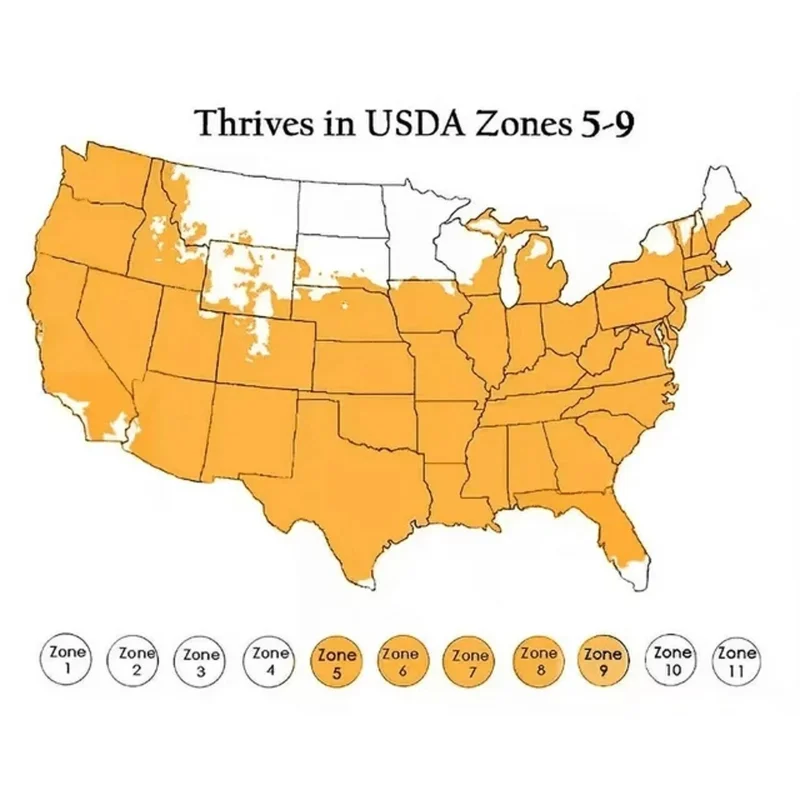
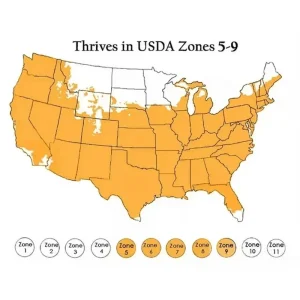
USDA Hardiness Zone
USDA Zones 4-9 -
Soil type
Well-draining soil (Chalk, Clay, Loam, Peat, Sand, Silt) -
Sunlight Exposure
Full Sun to Partial Shade -
Expected Planting Period
Early Spring (after stratification)
Overview
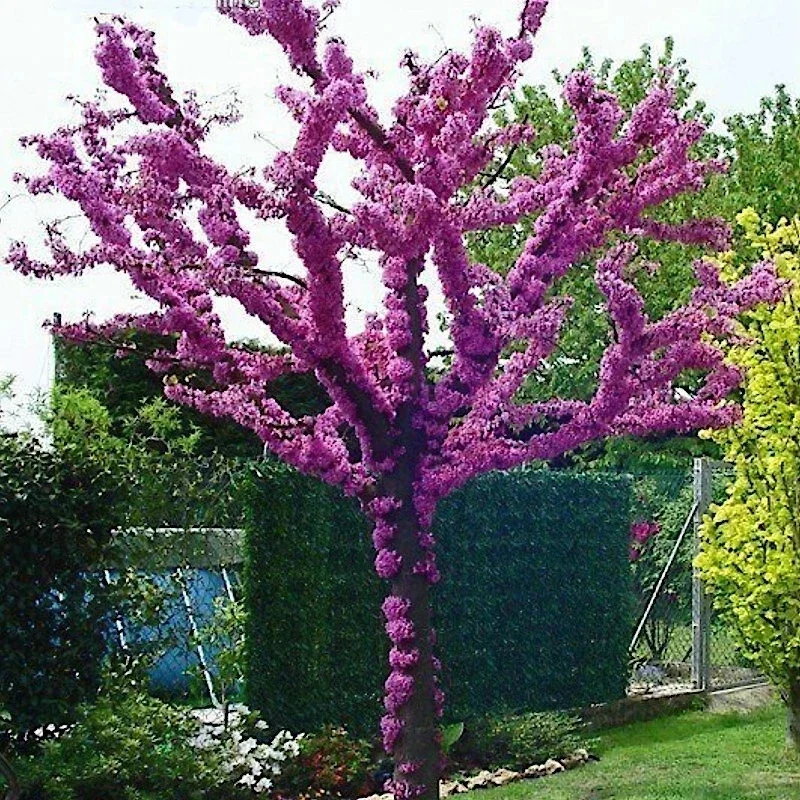
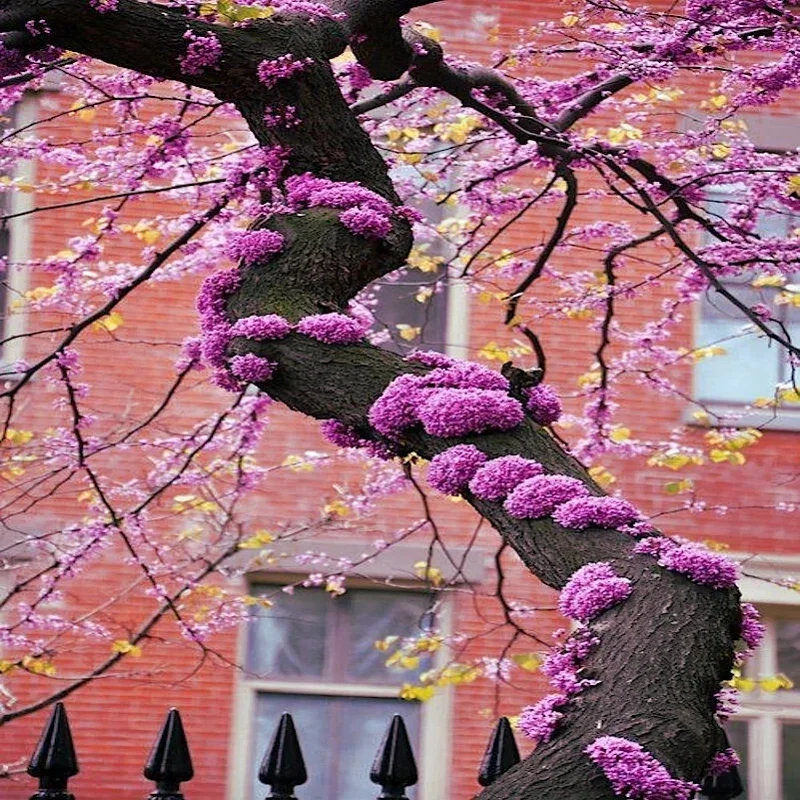
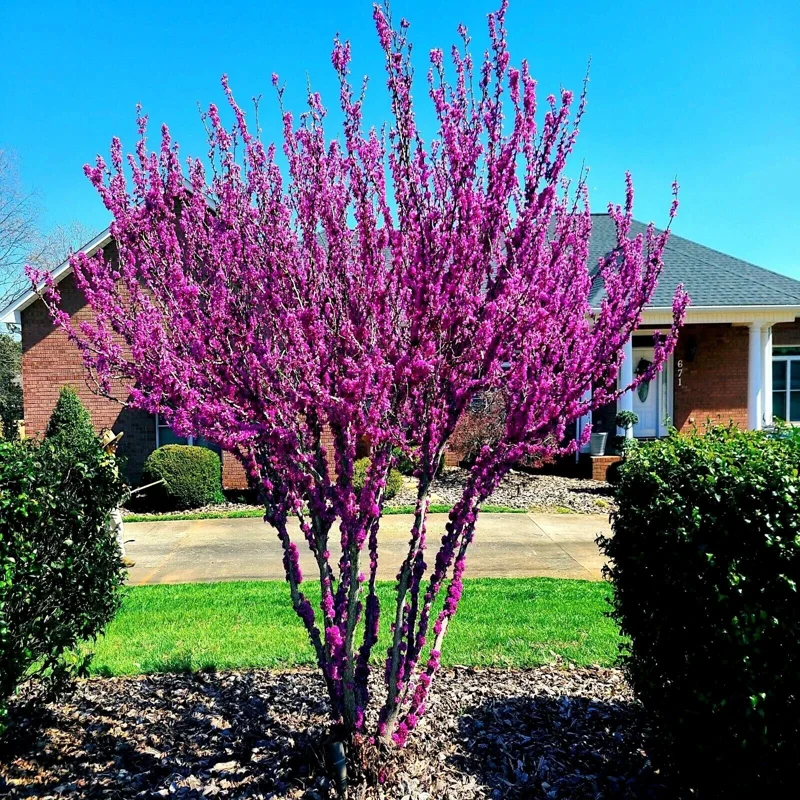
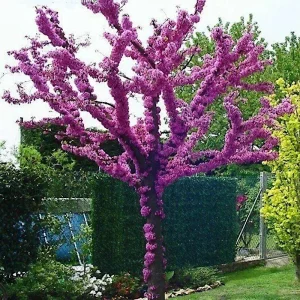
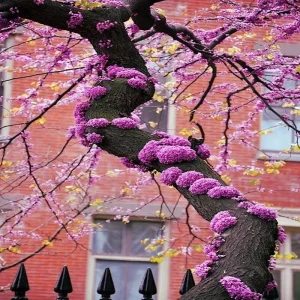
Embark on a rewarding gardening journey with our premium Judas Tree seeds (Cercis siliquastrum). Often referred to as the Mediterranean Redbud, this magnificent tree is celebrated for its breathtaking display of vibrant, purplish-pink flowers that emerge directly from its branches and trunk in early spring, even before the leaves appear. These seeds offer an opportunity to grow a truly spectacular specimen, transforming your garden into a focal point of natural beauty. The Judas Tree is a deciduous tree native to Southern Europe and Western Asia, known for its distinctive heart-shaped leaves and attractive flattened seed pods that follow the blooms. Growing this tree from seed allows you to cultivate a robust and adaptable plant that will provide seasonal interest for many years.
Our Cercis siliquastrum seeds are carefully selected to ensure high viability, providing you with the best chance to successfully grow this beautiful tree. Whether you’re an experienced gardener or a beginner, the process of nurturing these seeds into a mature tree is incredibly fulfilling. The resulting tree is not only aesthetically pleasing but also relatively low-maintenance once established, making it a valuable addition to various garden styles, from formal to naturalized landscapes. The unique flowering habit, where blossoms appear directly on old wood, is a rare and captivating feature that guarantees admiration.
Key Benefits
Cultivating a Judas Tree from seed offers numerous advantages for any gardener looking to enhance their outdoor space with a striking and resilient plant. The Judas Tree seeds promise a future of brilliant blooms and unique foliage.
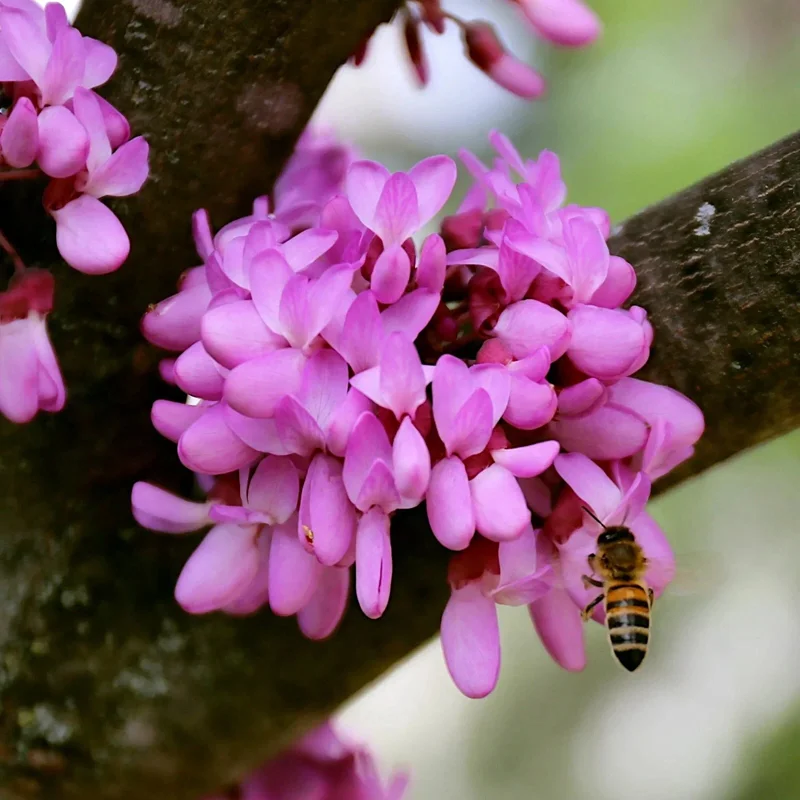
- Stunning Spring Blooms: Enjoy a spectacular show of purplish-pink flowers in early spring, creating a dramatic visual impact before most other trees begin to leaf out. These vibrant blooms cover the branches and even the trunk, making it an unforgettable sight.
- Distinctive Foliage: The heart-shaped, deep green leaves provide attractive texture throughout the summer, turning to beautiful shades of yellow in the fall, offering multi-season interest.
- Hardy & Adaptable: The Mediterranean Redbud is known for its resilience and ability to thrive in a range of climates, making it a reliable choice for many gardeners. It is particularly valued as hardy tree seeds.
- Moderate Growth Rate: While considered fast growing seeds in its early stages, the tree establishes itself well and develops a strong structure, reaching a manageable size for most garden settings.
- Attracts Pollinators: The abundant flowers are a magnet for bees and other beneficial pollinators, contributing to the biodiversity and health of your garden ecosystem.
- Unique Form: The spreading, often multi-stemmed growth habit creates an interesting architectural element in the landscape, adding character and depth.
- Easy Cultivation: With proper care and stratification, growing Cercis siliquastrum from seed is an accessible project for gardeners of varying skill levels.
Plant Care & Growing Tips
Successful germination and growth of your Judas Tree seeds require a few specific steps, primarily cold stratification to mimic natural winter conditions. After stratification, sow the seeds in a well-draining seed-starting mix. Maintain consistent moisture but avoid waterlogging, which can lead to rot. Once seedlings emerge, provide ample light, ideally from a south-facing window or under grow lights, to encourage strong, upright growth. As they grow, gradually acclimate them to outdoor conditions before transplanting.
For established trees, proper care ensures a healthy and vibrant display. The Mediterranean Redbud thrives in full sun to partial shade, ideally receiving at least 6 hours of direct sunlight per day for optimal flowering. It prefers well-draining soil with a neutral to slightly alkaline pH. While it can tolerate various soil types including chalk, clay, loam, peat, sand, and silt, excellent drainage is crucial to prevent root issues. Water regularly during dry spells, especially in the first few years after planting, to help the root system establish. Once mature, it is quite drought-resistant. Fertilize sparingly in spring with a balanced, slow-release fertilizer if soil nutrients are poor. Pruning is generally minimal, focused on removing dead, damaged, or crossing branches to maintain shape and promote air circulation. The Cercis siliquastrum is known to be cold hardy to Zone 4, making it suitable for a wide range of climates.
Size & Details
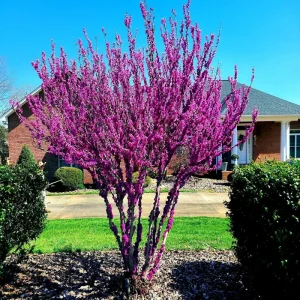
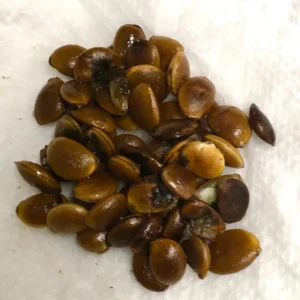
Our Judas Tree seeds provide the foundation for growing a beautiful deciduous tree with a mature height typically ranging from 15 to 25 feet, and a similar spread, forming an attractive rounded or spreading canopy. The growth habit can be either single-stemmed or multi-stemmed, offering flexibility in landscape design. These seeds are designed for easy cultivation, leading to a moderately fast-growing tree, especially in its younger years. The tree will eventually produce attractive flattened seed pods that persist into winter, adding further visual interest. You are purchasing seeds, which will arrive ready for stratification and planting.
The time to maturity for flowering can vary, but typically, a Judas Tree grown from seed will begin to produce its characteristic blooms within 3 to 5 years under ideal growing conditions. These hardy tree seeds are perfect for those looking to invest in a long-term landscape feature that provides seasonal beauty. The tree’s overall size and form make it an excellent choice as a specimen tree, a component of a mixed border, or even for bonsai cultivation, as indicated by the ‘Bonsai Seeds’ type.
Frequently Asked Questions
- Q: How big does this plant get? A: The Judas Tree typically grows to a mature height of 15-25 feet with a similar spread, forming a rounded or spreading canopy. Its ultimate size can be influenced by growing conditions and pruning.
- Q: What size pot does it come in? A: This product consists of Judas Tree seeds, not a potted plant. You will receive seeds that can be started in small seed-starting trays or pots before transplanting.
- Q: Is this an indoor or outdoor plant? A: The Judas Tree (Cercis siliquastrum) is primarily an outdoor deciduous tree. While seedlings can be started indoors, the mature tree requires outdoor conditions to thrive and complete its life cycle.
- Q: How much sunlight does it need? A: For best results and abundant flowering, the Mediterranean Redbud requires full sun to partial shade, ideally receiving at least 6 hours of direct sunlight per day.
- Q: Is this plant easy to care for? A: Yes, once established, the Judas Tree is considered relatively easy to care for, making these fast growing seeds a good choice for various skill levels. It is known for being drought-resistant and cold hardy.
- Q: What condition will it arrive in? A: Your purchase will arrive as high-quality, viable Judas Tree seeds, carefully packaged to ensure their integrity during transit.
- Q: When is the best time to plant? A: After proper cold stratification, the best time to plant hardy tree seeds like these is in early spring, once the danger of hard frost has passed.
- Q: Will it survive winter in my zone? A: The Cercis siliquastrum is cold hardy down to USDA Zone 4. If you live in Zone 4 or warmer, it should successfully overwinter outdoors.
- Q: What’s the minimum temperature it can tolerate? A: This tree is known to be cold resistant and hardy to USDA Zone 4, meaning it can tolerate winter temperatures typically down to -30°F to -20°F (-34°C to -29°C).
- Q: What kind of soil does the Judas tree prefer? A: The Judas Tree prefers well-draining soil and can adapt to various soil types including chalk, clay, loam, peat, sand, and silt, as long as drainage is adequate.
Related products
-50%

Original price was: $159.96.$79.98Current price is: $79.98.
-20%
Original price was: $18.00.$14.40Current price is: $14.40.
-50%
Original price was: $75.96.$37.98Current price is: $37.98.
-20%
Original price was: $34.00.$27.20Current price is: $27.20.
-20%
Original price was: $38.00.$30.40Current price is: $30.40.
-20%
Original price was: $44.00.$35.20Current price is: $35.20.
-20%
Original price was: $26.00.$20.80Current price is: $20.80.
-20%
Original price was: $30.00.$24.00Current price is: $24.00.
PLANTING & CARE

The Comprehensive Guide to Growing Bay Leaf Plants for a Flavorful Garden
Imagine stepping into your garden, greeted by the earthy aroma of fresh bay leaves, their
09
Feb
Feb

How to Make Comfrey Tea: The Ultimate Organic Plant Food
Growing an organic garden can be surprisingly expensive, especially when most store-bought fertilizers come in
02
Feb
Feb

True Comfrey: 7 Essential Tips Before You Plant This Herb
A staple in permaculture practices across the US, True Comfrey easily earns its reputation as
27
Jan
Jan

7 Heart-Shaped Plants for a Lasting Valentine’s Gift
If you’ve ever bought a bouquet of roses for Valentine’s Day, you know they are
26
Jan
Jan

Best Types of Ivy Plant for Houses: How to Choose the Perfect Ones for Your Home
Are you a garden lover looking to introduce some greenery into your home? Maybe you’ve
14
Nov
Nov

When to Harvest Garlic (Especially Fall-Planted Garlic)
TIMING IS EVERYTHING, they say – and for garlic, that truth hits with surprising accuracy.
13
Nov
Nov

11 of the Best Sweet Potato Varieties to Grow for Your Garden
If you’ve ever tried growing sweet potatoes, you know that picking the right variety can
12
Nov
Nov
Pruning Bougainvillea for Winter
Bougainvillea vines are known for their dazzling display of magenta, orange, and fuchsia bracts that
05
Nov
Nov