Madagascar Hibiscus Moscheutos Mallow Live Starter Plant – Perennial, Indoor/Outdoor
-50%



Madagascar Hibiscus Moscheutos Mallow Live Starter Plant – Perennial, Indoor/Outdoor
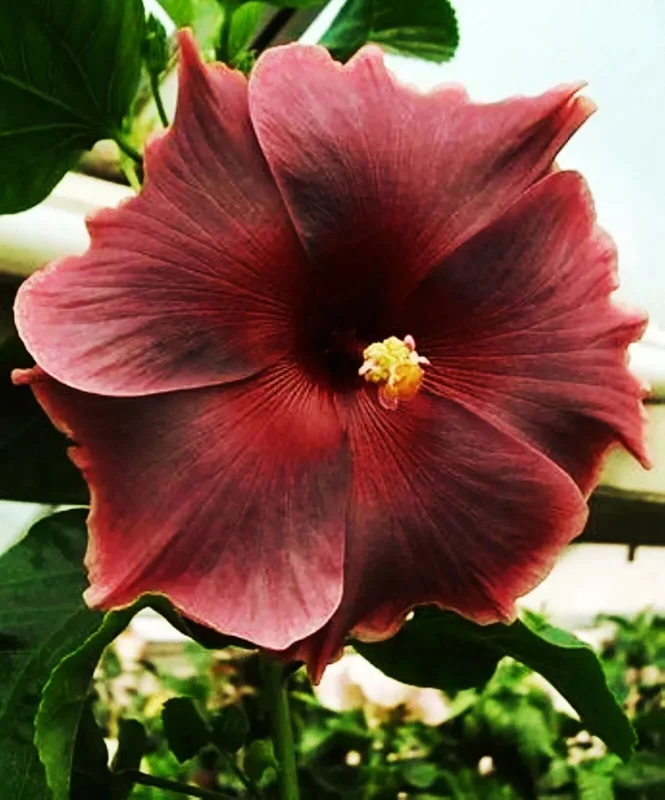
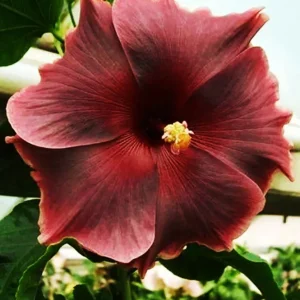
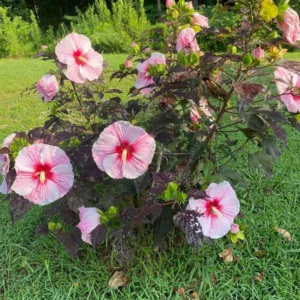
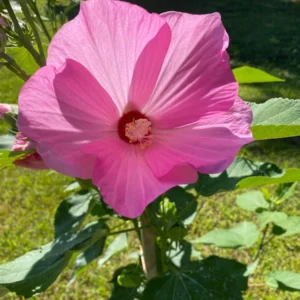
Bring exotic beauty to your garden or home with this Madagascar hibiscus live plant. This robust starter hibiscus plant, known as Moscheutos Mallow, is a versatile perennial perfect for both indoor and outdoor cultivation. Enjoy its stunning blooms and clumping growth habit, making it an excellent choice for any plant enthusiast.
Original price was: $82.76.$41.38Current price is: $41.38.

With our Alive & Thrive Guarantee, we’ve got your back for the first 30 days! If you have any concerns about your plants, just reach out to us. Our team is here to help answer your questions and guide you in selecting the best plants for your garden, climate, and unique preferences. We're excited to help you create the garden of your dreams!
Estimated arrival
Mar 18
Mar 23 - Mar 25
Mar 28 - Apr 01


Product Details
-
USDA Hardiness Zone
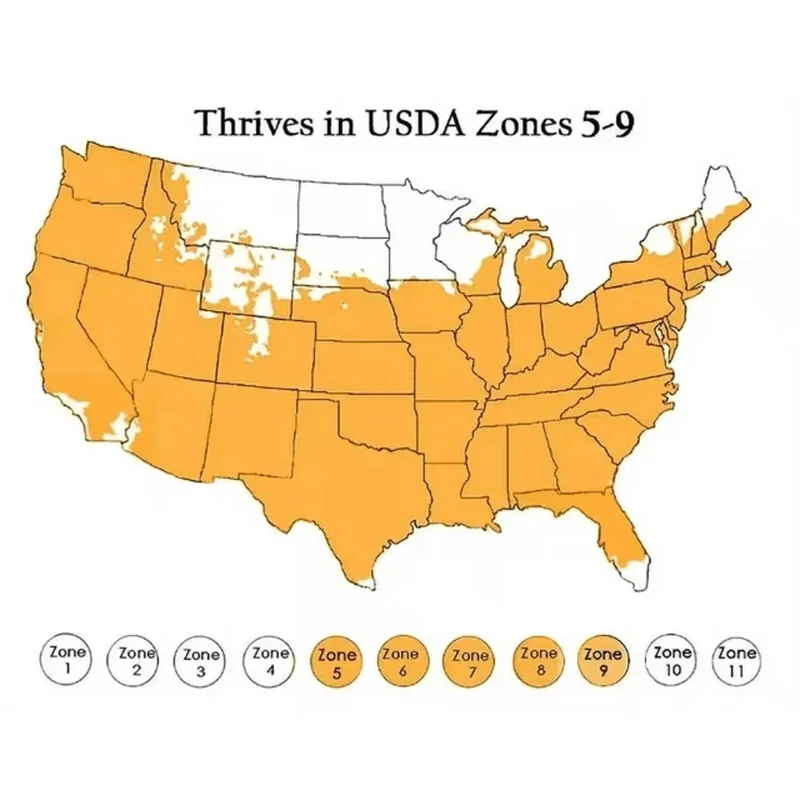
USDA zones unknown (adaptable to various climates) -
Soil type
Well-draining loam, peat, sand mix -
Sunlight Exposure
Full sun to medium sun (6+ hours direct light) -
Expected Planting Period
Spring to early summer (year-round indoors)
Overview
Introduce a touch of tropical elegance to your living space or garden with this exquisite Madagascar hibiscus live plant. This starter plant, scientifically known as Hibiscus moscheutos, is a beautiful mallow variety that promises to be a stunning addition to any collection. Often referred to as Rose of Sharon, this particular species is celebrated for its vigorous growth and captivating blooms. As a perennial, it offers enduring beauty, returning year after year with minimal fuss. Whether you’re an experienced gardener or just starting, this starter hibiscus plant provides an accessible way to cultivate a magnificent flowering specimen.
Originating from regions with diverse climates, this Hibiscus moscheutos is adaptable and resilient, making it suitable for a wide range of environments. Its striking flowers and lush foliage create an instant focal point, enhancing the aesthetic appeal of patios, balconies, or garden beds. The Malvaceae family member boasts a clumping growth habit, ensuring a full and bushy appearance that will impress throughout its blooming season. This live plant arrives ready to be integrated into your home or garden, offering the joy of watching it flourish and produce its characteristic beautiful flowers.
Key Benefits
The Madagascar hibiscus live plant offers a multitude of benefits, making it a highly desirable choice for plant lovers. Its vibrant blooms and easy-care nature contribute significantly to its appeal and provide a rewarding gardening experience. Investing in a perennial hibiscus plant like this ensures lasting beauty and enjoyment.
- Stunning Floral Display: This hibiscus produces large, eye-catching flowers that add a dramatic splash of color to any setting, attracting pollinators and delighting observers.
- Versatile Growth: Suitable for both indoor and outdoor cultivation, it adapts well to various environments, allowing you to enjoy its beauty wherever you choose to place it.
- Low Maintenance: Once established, the moscheutos mallow care requirements are relatively simple, making it an excellent choice for busy individuals or novice gardeners. It’s a remarkably resilient perennial hibiscus plant.
- Air Purifying Qualities: Like many plants, it contributes to a healthier indoor environment by naturally filtering airborne toxins, enhancing the air quality in your home.
- Perennial Durability: As a perennial, it reliably returns each year, providing consistent beauty without the need for annual replanting, offering long-term value.
- Clumping Growth Habit: Its natural clumping habit leads to a full, bushy plant that provides ample foliage and blooms, creating a lush display.
- Deer-Resistant: This plant is known to be deer-resistant, making it a suitable choice for gardens in areas where deer might otherwise be a problem.
Plant Care & Growing Tips
Proper moscheutos mallow care is essential for ensuring your Madagascar hibiscus live plant thrives and produces abundant blooms. While generally robust, understanding its specific needs will help it reach its full potential. This adaptable plant can succeed in various climates, from arid to humid subtropical, demonstrating its remarkable resilience. Ensure it receives adequate light and consistent watering for optimal growth and flowering, especially if you’re aiming for a vibrant perennial hibiscus plant in your landscape.
For sunlight, this hibiscus prefers full sun to medium sun exposure, ideally receiving at least 6 hours of direct sunlight daily, especially when grown outdoors. Indoors, place it near a south or west-facing window where it can get plenty of bright light. Watering should be consistent and light; the soil should be kept moist but not waterlogged. Allow the top inch of soil to dry out slightly between waterings. Well-draining soil is crucial; a mix of loam, peat, and sand is ideal to prevent root rot. The plant is a seedling and will need careful nurturing as it establishes. It can tolerate a range of climates, including continental, highland, and Mediterranean conditions, showcasing its adaptability as an indoor outdoor hibiscus.
Fertilize during the growing season (spring and summer) with a balanced liquid fertilizer every 2-4 weeks. Reduce fertilization in fall and winter. This plant is cold resistant to a degree but may benefit from protection in colder zones. Common issues like yellowing leaves often indicate overwatering or nutrient deficiency. Pests are generally not a major concern, but inspect regularly. Its growth habit is clumping, and it’s deciduous, shedding leaves in colder months. It’s safe for children and pets, making it a worry-free addition to any room or garden. This starter hibiscus plant will grow into a magnificent specimen with the right attention.
Size & Details
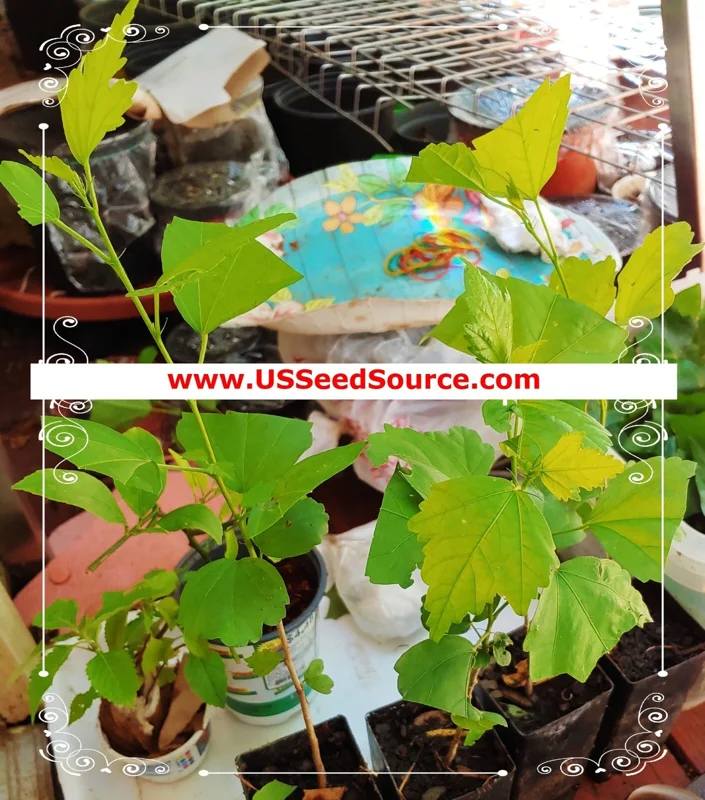
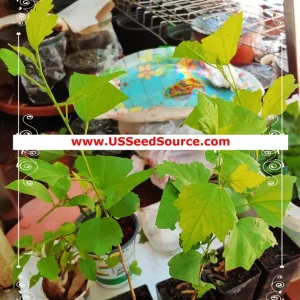
This offering is for a Madagascar hibiscus live plant starter, ready for you to nurture and grow. As a seedling, its initial size will be modest, typically ranging from a few inches to approximately 6-12 inches tall upon arrival. The plant form is bare root, ensuring a healthy start when potted. While specific dimensions like item length, height, and width are variable at the starter stage, with proper care, this hibiscus will develop into a substantial clumping plant, reaching mature sizes that can vary depending on growing conditions and environment (indoor or outdoor).
Expect a moderate to fast growth rate, with the plant showing significant development within its first growing season. It is a perennial, meaning it will return each year, growing larger and more established over time. The plant’s hardy nature and adaptability make it an excellent choice for various garden designs or as a prominent feature in a large container. It is a suitable indoor outdoor hibiscus, making it a versatile choice for many gardeners.
Frequently Asked Questions
- Q: How big does this plant get when mature? A: The mature size of the Madagascar hibiscus live plant can vary significantly based on growing conditions, climate, and care. Typically, it can grow several feet tall and wide, developing a bushy, clumping habit if given adequate space and nutrients.
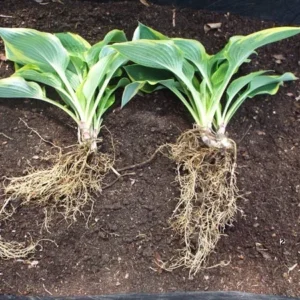
- Q: What condition will the starter plant arrive in? A: This is a starter hibiscus plant and will arrive as a healthy bare root seedling. It will be carefully packaged to ensure its safety during transit, ready for immediate planting upon arrival.
- Q: Is this an indoor or outdoor plant? A: This Hibiscus moscheutos is highly versatile and can thrive as both an indoor outdoor hibiscus. Outdoors, it performs best in full sun. Indoors, ensure it receives ample bright light.
- Q: How much sunlight does it need? A: For optimal growth and flowering, this perennial hibiscus plant requires at least 6 hours of direct sunlight daily if grown outdoors. Indoors, place it in a location with strong, bright light, such as a south or west-facing window.
- Q: Is this plant easy to care for? A: Yes, once established, the moscheutos mallow care requirements are considered relatively easy. It’s a robust plant that tolerates a range of conditions, making it suitable for gardeners of all experience levels.
- Q: How long until it blooms? A: As a bare root starter, the time to first bloom will depend on its establishment and growing conditions. Generally, you can expect blooms within the first one to two growing seasons after planting, especially with good moscheutos mallow care.
- Q: What is the best soil type for this hibiscus? A: This hibiscus prefers well-draining soil. A rich, loamy soil amended with peat and sand is ideal. Good drainage is crucial to prevent root issues and ensure the health of your perennial hibiscus plant.
- Q: Is this plant pet-safe? A: Yes, this particular hibiscus variety is generally considered child-safe and pet-safe, offering peace of mind when adding it to your home or garden.
- Q: When is the best time to plant this starter? A: While it can be planted anytime, spring and early summer are generally ideal for planting a starter hibiscus plant, allowing it ample time to establish before colder weather.
- Q: Will it survive winter in my zone? A: As a perennial, this hibiscus is cold resistant to a certain extent. Its ability to survive winter depends on your specific USDA hardiness zone. In colder zones, it may die back to the ground but regrow in spring, or require winter protection if grown outdoors.
Related products
-81%
Original price was: $68.97.$12.94Current price is: $12.94.
-50%
Original price was: $63.00.$31.50Current price is: $31.50.
-67%
Original price was: $37.47.$12.49Current price is: $12.49.
-80%
Original price was: $113.97.$22.69Current price is: $22.69.
-70%
Original price was: $89.98.$27.00Current price is: $27.00.
-67%
Original price was: $59.97.$19.99Current price is: $19.99.
-10%
Original price was: $149.99.$134.99Current price is: $134.99.
PLANTING & CARE

The Comprehensive Guide to Growing Bay Leaf Plants for a Flavorful Garden
Imagine stepping into your garden, greeted by the earthy aroma of fresh bay leaves, their
09
Feb
Feb

How to Make Comfrey Tea: The Ultimate Organic Plant Food
Growing an organic garden can be surprisingly expensive, especially when most store-bought fertilizers come in
02
Feb
Feb

True Comfrey: 7 Essential Tips Before You Plant This Herb
A staple in permaculture practices across the US, True Comfrey easily earns its reputation as
27
Jan
Jan

7 Heart-Shaped Plants for a Lasting Valentine’s Gift
If you’ve ever bought a bouquet of roses for Valentine’s Day, you know they are
26
Jan
Jan

Best Types of Ivy Plant for Houses: How to Choose the Perfect Ones for Your Home
Are you a garden lover looking to introduce some greenery into your home? Maybe you’ve
14
Nov
Nov

When to Harvest Garlic (Especially Fall-Planted Garlic)
TIMING IS EVERYTHING, they say – and for garlic, that truth hits with surprising accuracy.
13
Nov
Nov

11 of the Best Sweet Potato Varieties to Grow for Your Garden
If you’ve ever tried growing sweet potatoes, you know that picking the right variety can
12
Nov
Nov
Pruning Bougainvillea for Winter
Bougainvillea vines are known for their dazzling display of magenta, orange, and fuchsia bracts that
05
Nov
Nov