-
×
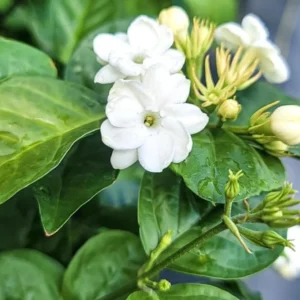 Sambac Jasmine Live Plant – Fragrant Flowering Plant – 8-inch Tall – 3-inch Pot – Indoor/Outdoor
2 × $46.18
Sambac Jasmine Live Plant – Fragrant Flowering Plant – 8-inch Tall – 3-inch Pot – Indoor/Outdoor
2 × $46.18 -
×
 Orange Milkweed Live Starter Plant (2-Pack) - 4-8" Tall - Attracts Monarch Butterflies
2 × $19.99
Orange Milkweed Live Starter Plant (2-Pack) - 4-8" Tall - Attracts Monarch Butterflies
2 × $19.99 -
×
100 Organic Wild Ramps Bulbs - Allium Tricoccum Bare Root Wildflower
2 × $139.20
-
×
Swedish Ivy Creeping Charlie Live Plant – Plectranthus – Indoor Starter Plant
2 × $13.00
-
×
Baptisia 'Solar Flare' False Indigo Live Plant – Perennial – 3-4 ft Tall – Zone 4-9
3 × $30.00
-
×
5 Osage Blackberry Starter Plug - Thornless Berry Live Plant - Early Ripening
1 × $64.00
-
×
Red Milkweed Live Starter Plants - Set of 2, 4-8" Tall, Perennial, Attracts Monarch Butterflies
2 × $19.99
-
×
Natchez Crape Myrtle Live Plant – 1 Gallon Pot – White Flowers – Outdoor Shrub/Tree
1 × $77.90
-
×
Camellia White Live Starter Plant, Japonica, 10-12 Inch, 4 Inch Pot
1 × $21.59
-
×
Thanksgiving Cactus Live Plant – Red Flowering Houseplant – 4 inch Pot
2 × $49.98
-
×
Scheherazade Rose Live Plant - Fragrant Pink Ruffled Shrub, 6 inch Ownroot
1 × $58.00
-
×
Colorful Lotus Water Lily Seeds - Easy Grow Aquatic Plant for Aquariums
1 × $11.38
-
×
Red Riding Hood Mandevilla Live Plant Starter, Set of 2, 4-6" Tall Tropical Vine
1 × $16.99
-
×
8 Fresh Shampoo Ginger Rhizomes - Awapuhi Roots, Zingiber Zerumbet
1 × $29.98
-
×
Red Mini Rose Live Plant – 6-inch Height, 3-inch Pot – Indoor/Outdoor
1 × $44.78
-
×
Philodendron Black Cherry Pink Princess Live Plant – Starter Plant – Indoor Houseplant
2 × $15.68
-
×
Miyabi Japanese Rose Live Plant – Ownroot – 6 Inch Pot – Outdoor Flower
2 × $58.00
-
×
4 Large Organic Transylvanian Garlic Bulbs - Softneck, Long Storage, for Planting
1 × $39.98
-
×
Vigoro Replacement Liners – Garden Accessory – 2 Pack – Indoor/Outdoor
1 × $31.50
-
×
100+ Vinca Minor Periwinkle Live Plants - Evergreen Ground Cover Bare Roots, Zones 4-9
2 × $99.90
-
×
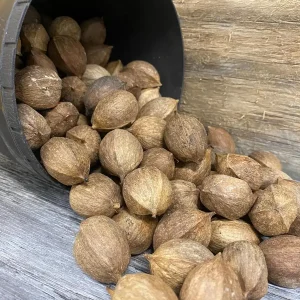
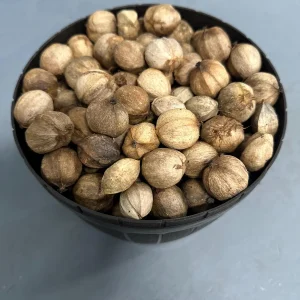
Sweet Gum Balls - Natural Pods for Crafts, Weddings, Decor, & Planting
1 × $13.96
-
×
Daylily Stella d'Oro – Live Plant – Well Rooted – Outdoor/Indoor
1 × $9.50
-
×
Yellow Milkweed Live Starter Plants - Set of 2, 4-8" Tall - Asclepias Syriaca Perennial Flower for Butterflies
1 × $22.24
-
×
Lisianthus Rosanne Brown Plant Plug - 2-3" Tall Starter Plant - Brown Flower
1 × $10.34
-
×
Purple Passionfruit Live Plant - 4-6" Tall - Passiflora edulis Vine
1 × $20.74
-
×
Echeveria Lola Succulent Live Plant – 2-inch Pot – Indoor/Outdoor
1 × $11.76
-
×
Pink Thanksgiving Cactus Live Plant – Zygocactus – 4 inch Pot – Indoor
1 × $55.98
-
×
Pothos Marble Queen Live Plant – Variegated Indoor Houseplant Starter
1 × $17.84
-
×
Lavender Provence Live Plant Plug - Aromatic French Herb Starter, 1-3" Tall
1 × $10.79
-
×
Live cherry plum tree – Cherry Plum – Live plant – Up to 3 ft tall – Outdoor
2 × $80.38
-
×
Live Rosemary Plant - 10-inch Tall Culinary Herb in 4-inch Pot - Indoor/Outdoor
1 × $41.98
-
×
Creeping Thyme 'Pink Chintz' Live Plant - 3in Pot, Groundcover, Soft Pink Blooms
1 × $22.69
-
×
Pickering Mango Tree Live Plant – Grafted Dwarf Tropical Fruit – 2-4 Feet Tall
1 × $179.98
-
×
Incense Cedar Live Tree Seedling - Calocedrus decurrens - Small 1-1.5 Year Old Plant
2 × $17.98
-
×
Spearmint Live Plant - 4-inch Pot - Fragrant Culinary Herb - Indoor/Outdoor
1 × $41.98
-
×
4 Kniphofia Flashpoint Red Hot Poker Live Plants - Torch Lily Perennials
1 × $27.00
-
×
False Indigo Live Plant – Baptisia – Outdoor – Seedling – Blue
3 × $28.00
-
×
Mini Rose Red Live Plant – 6-inch Height – 3-inch Pot – Indoor/Outdoor
2 × $44.78
-
×
Vinca Tattoo Raspberry Seeds - 500 Count - Purple Flowering Annual - Full Sun Outdoor
1 × $11.98
-
×
Sambac Jasmine Live Plant – 12 inch Tall – 3 inch Pot – Fragrant Flowering Shrub
1 × $55.98
-
×
Dark Orange Daylily Bulbs - 3 Bare Roots for Planting - Outdoor Flowers
1 × $27.99
-
×
Heliotrope Fragrant Delight Live Plants - Set of 2, 3-6" Tall, Violet Fragrant Flowers
1 × $13.99
-
×
White Azalea Live Plant - Formosa Shrub, 6-8 Inch Tall, 3 Inch Pot, Outdoor
1 × $21.59
-
×
5 Pawpaw Tree Seeds - Organic Asimina triloba Native American Fruit Tree
1 × $14.40
-
×
50 Timor Black Bamboo Seeds - Clumping Tropical Perennial for Privacy Screen
1 × $11.98
-
×
White Spruce – Live Plant – Outdoor – Seedling – Picea Pungens
1 × $21.94
-
×
3 Live Spider Plant Rooted Cuttings – Indoor Houseplant, Easy Care
2 × $25.42
-
×
Set of 2 Meyer Lemon Trees Live Plants, 2-4 Inch Tall, 4" Pot, Indoor/Outdoor Citrus
1 × $36.99
-
×
Live Sambac Jasmine Plant – 10-inch Tall, 3-inch Pot – Fragrant Flowering Shrub
1 × $51.78
-
×
Macodes Petola Jewel Orchid Starter Plant - Live Houseplant for Indoor Display
1 × $19.36
-
×
Red Mini Rose Live Plant – 6-inch Height – 3-inch Pot – Indoor/Outdoor Perennial
2 × $44.78
-
×
Evolvulus Blue Daze Live Plant – 2 Starter Plants – 3-6" Tall – Drought-Tolerant Groundcover
1 × $12.49
-
×
Pink Thanksgiving Cactus Live Plant – 7in Tall, 6in Pot – Indoor/Outdoor
3 × $90.98
-
×
3 Florida Rose Rabbiteye Blueberry Live Plant - Pink Fruit, Zones 6b-9a
1 × $52.80
-
×
Orange Thanksgiving Cactus Live Plant – Zygocactus – 4 inch Pot – Indoor
2 × $55.98
-
×
Big Zac Tomato Seeds – 25 Organic Heirloom Competition XL Size Vegetable Seeds for Garden
1 × $8.50
-
×
 Dwarf Green Malayan Coconut Seeds - Costa Rican Certified - Non-Sprouted
1 × $79.98
Dwarf Green Malayan Coconut Seeds - Costa Rican Certified - Non-Sprouted
1 × $79.98 -
×
White Thanksgiving Cactus Live Plant - 7" Tall, 6" Pot - Indoor/Outdoor Zygocactus
2 × $90.98
-
×
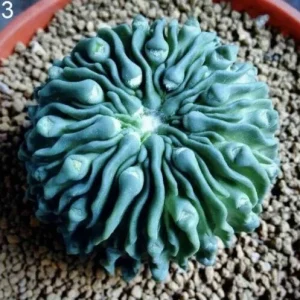
Unique Hexagonal Pattern Cactus Live Plant – Rare Succulent – 2 Inch Diameter – Indoor
1 × $24.50
-
×
Red Milkweed Live Starter Plants - Set of 2, 4-8" Tall, Perennial, Attracts Monarch Butterflies
1 × $19.99
-
×
20 Pawpaw Tree Seeds - Organic Asimina triloba Heirloom Fruit Tree Seeds, Stratified
1 × $30.40
-
×
Pink Bougainvillea Live Plant – Flowering Perennial Vine – Starter 6-8 Inches
1 × $27.99
-
×
Colorful Lotus Water Lily Seeds - Easy Grow Aquarium & Pond Plant Bulb
1 × $11.38
-
×
Abutilon Chinese Lantern Live Starter Plant - Flowering Maple - 3.25in Pot
1 × $15.29
-
×
Curly Spider Plant 'Bonnie' - Chlorophytum Comosum Live Plant in 4" Pot, Indoor
1 × $18.18
-
×
Hosta Starter Plant - Live Green Hosta up to 5 inches in 4 inch Pot - Well Rooted
1 × $11.99
-
×
Ranunculus Flower Bulbs 15 Pastel Corms - Buttercup Peony Rose Type
1 × $31.98
-
×
3 Red Hot Poker Perennial Plants - Bareroot, Full Sun, Pollinator
1 × $24.00
-
×
Begonia Rex Maculata 'Angel Wing' Live Plant – Potted Houseplant Indoor
1 × $49.99
-
×
20 Jersey Giant Asparagus Bare Roots - High-Yielding, Disease Resistant
1 × $38.40
-
×
3 Snow Chaser Blueberry Live Plants - Southern Highbush, Early Ripening
1 × $48.00
-
×
Pink Mini Rose Live Plant – 6-inch Height – 3-inch Pot – Indoor/Outdoor
1 × $44.78
-
×
Red & White Crinum Lily Flower Bulbs - 1 Count - Up to 2 ft Tall - Indoor/Outdoor
1 × $60.99
-
×
Thai Lemon Tree Live Plant with Fruits, Dwarf Grafted, 1-3 Ft, 3 Gallon Pot
1 × $72.89
-
×
Red Bougainvillea Live Plant – Flowering Perennial, 6-8 Inches Tall, Outdoor
1 × $27.99
-
×
Dwarf Fig Tree Live Plant - Self-Fertile Fignomenal Variety - Produces Fruit Indoors/Outdoors
1 × $25.60
-
×
Pawpaw Tree – Live Plant – Cold Hardy – Up to 1 ft Tall – Outdoor
1 × $34.00
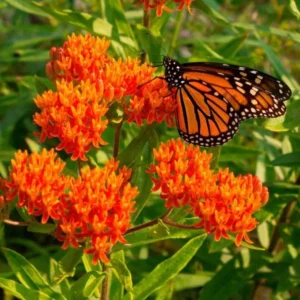 Orange Milkweed Live Starter Plant (2-Pack) - 4-8" Tall - Attracts Monarch Butterflies
 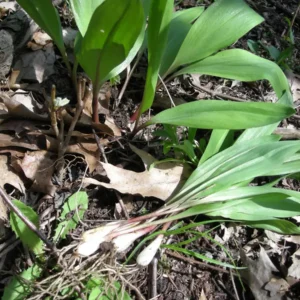 100 Organic Wild Ramps Bulbs - Allium Tricoccum Bare Root Wildflower
 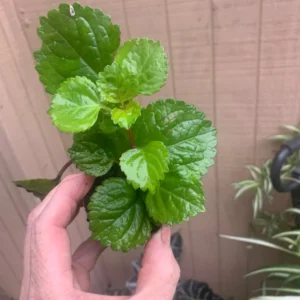 Swedish Ivy Creeping Charlie Live Plant – Plectranthus – Indoor Starter Plant
 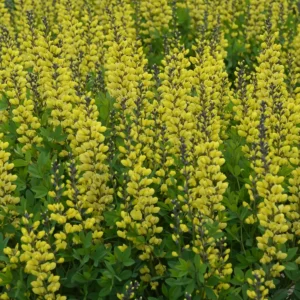 Baptisia 'Solar Flare' False Indigo Live Plant – Perennial – 3-4 ft Tall – Zone 4-9
 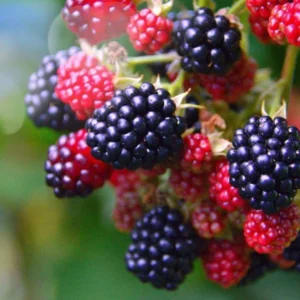 5 Osage Blackberry Starter Plug - Thornless Berry Live Plant - Early Ripening
 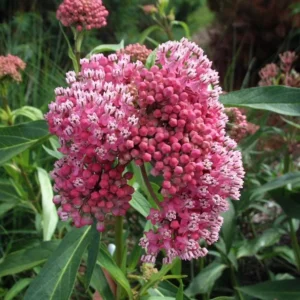 Red Milkweed Live Starter Plants - Set of 2, 4-8" Tall, Perennial, Attracts Monarch Butterflies
 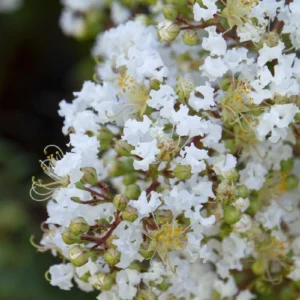 Natchez Crape Myrtle Live Plant – 1 Gallon Pot – White Flowers – Outdoor Shrub/Tree
 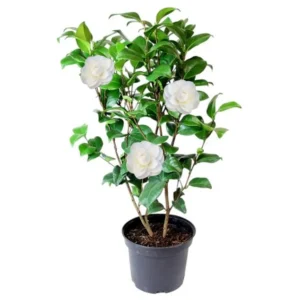 Camellia White Live Starter Plant, Japonica, 10-12 Inch, 4 Inch Pot
 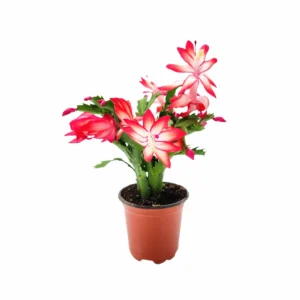 Thanksgiving Cactus Live Plant – Red Flowering Houseplant – 4 inch Pot
 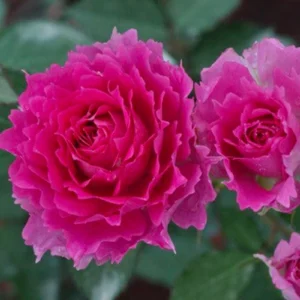 Scheherazade Rose Live Plant - Fragrant Pink Ruffled Shrub, 6 inch Ownroot
 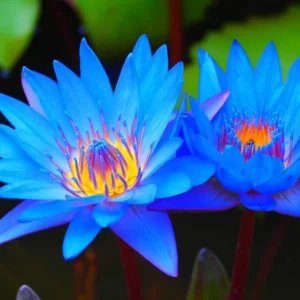 Colorful Lotus Water Lily Seeds - Easy Grow Aquatic Plant for Aquariums
 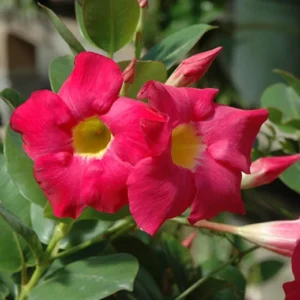 Red Riding Hood Mandevilla Live Plant Starter, Set of 2, 4-6" Tall Tropical Vine
 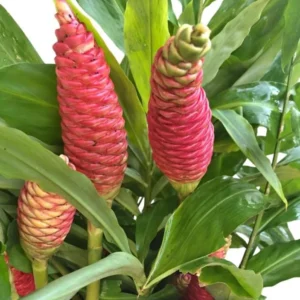 8 Fresh Shampoo Ginger Rhizomes - Awapuhi Roots, Zingiber Zerumbet
 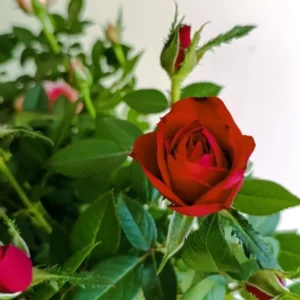 Red Mini Rose Live Plant – 6-inch Height, 3-inch Pot – Indoor/Outdoor
 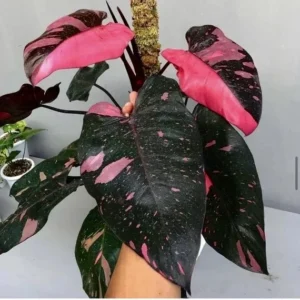 Philodendron Black Cherry Pink Princess Live Plant – Starter Plant – Indoor Houseplant
 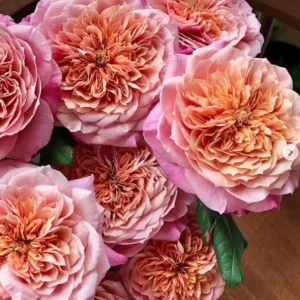 Miyabi Japanese Rose Live Plant – Ownroot – 6 Inch Pot – Outdoor Flower
 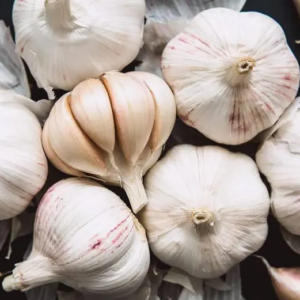 4 Large Organic Transylvanian Garlic Bulbs - Softneck, Long Storage, for Planting
 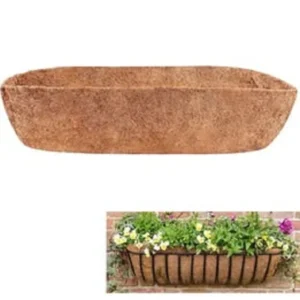 Vigoro Replacement Liners – Garden Accessory – 2 Pack – Indoor/Outdoor
 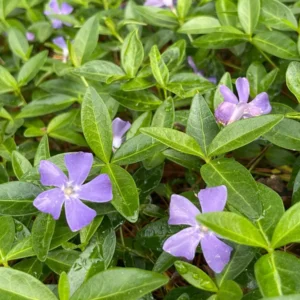 100+ Vinca Minor Periwinkle Live Plants - Evergreen Ground Cover Bare Roots, Zones 4-9
 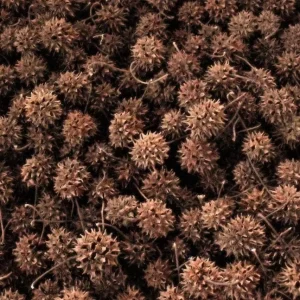 Sweet Gum Balls - Natural Pods for Crafts, Weddings, Decor, & Planting
 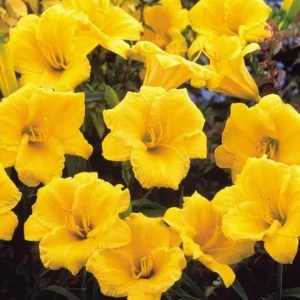 Daylily Stella d'Oro – Live Plant – Well Rooted – Outdoor/Indoor
 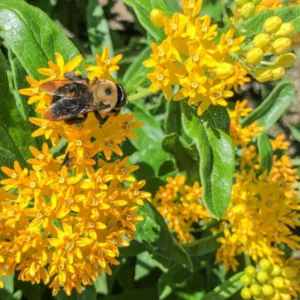 Yellow Milkweed Live Starter Plants - Set of 2, 4-8" Tall - Asclepias Syriaca Perennial Flower for Butterflies
 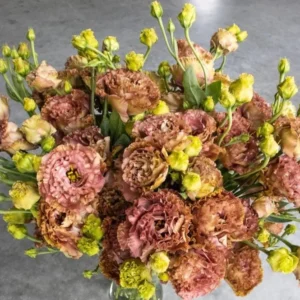 Lisianthus Rosanne Brown Plant Plug - 2-3" Tall Starter Plant - Brown Flower
 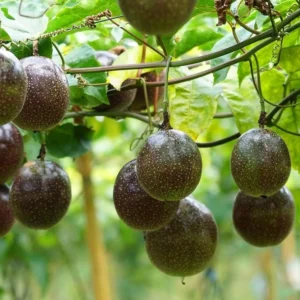 Purple Passionfruit Live Plant - 4-6" Tall - Passiflora edulis Vine
 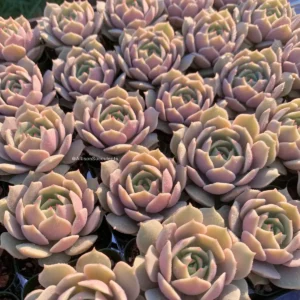 Echeveria Lola Succulent Live Plant – 2-inch Pot – Indoor/Outdoor
 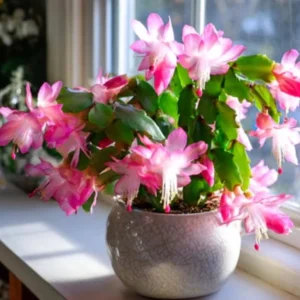 Pink Thanksgiving Cactus Live Plant – Zygocactus – 4 inch Pot – Indoor
 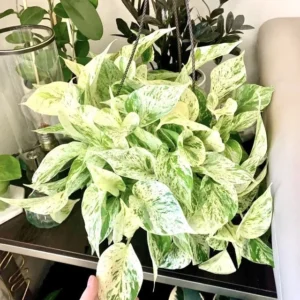 Pothos Marble Queen Live Plant – Variegated Indoor Houseplant Starter
 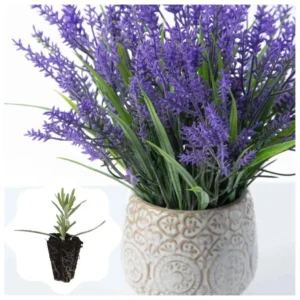 Lavender Provence Live Plant Plug - Aromatic French Herb Starter, 1-3" Tall
 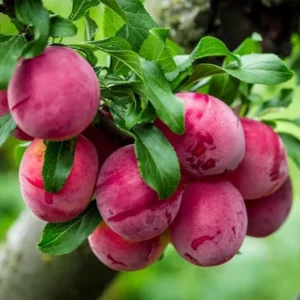 Live cherry plum tree – Cherry Plum – Live plant – Up to 3 ft tall – Outdoor
 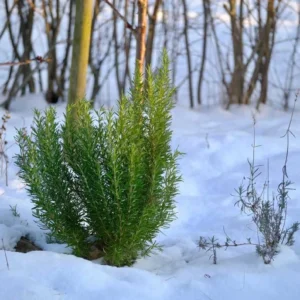 Live Rosemary Plant - 10-inch Tall Culinary Herb in 4-inch Pot - Indoor/Outdoor
 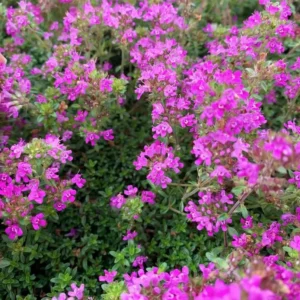 Creeping Thyme 'Pink Chintz' Live Plant - 3in Pot, Groundcover, Soft Pink Blooms
 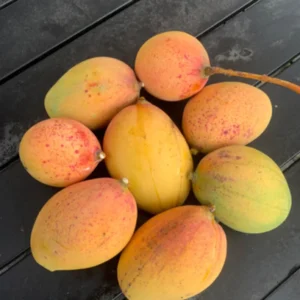 Pickering Mango Tree Live Plant – Grafted Dwarf Tropical Fruit – 2-4 Feet Tall
 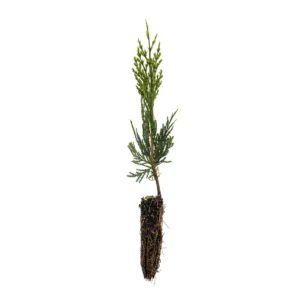 Incense Cedar Live Tree Seedling - Calocedrus decurrens - Small 1-1.5 Year Old Plant
 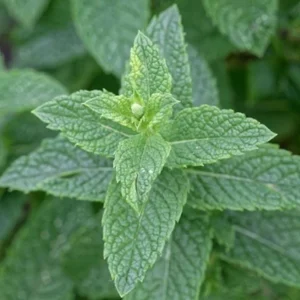 Spearmint Live Plant - 4-inch Pot - Fragrant Culinary Herb - Indoor/Outdoor
 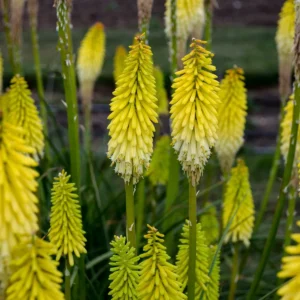 4 Kniphofia Flashpoint Red Hot Poker Live Plants - Torch Lily Perennials
 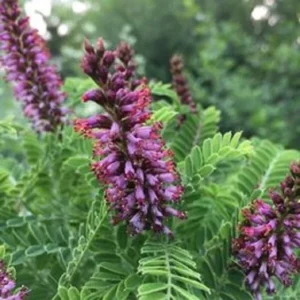 False Indigo Live Plant – Baptisia – Outdoor – Seedling – Blue
 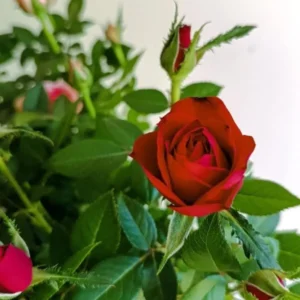 Mini Rose Red Live Plant – 6-inch Height – 3-inch Pot – Indoor/Outdoor
  Vinca Tattoo Raspberry Seeds - 500 Count - Purple Flowering Annual - Full Sun Outdoor
 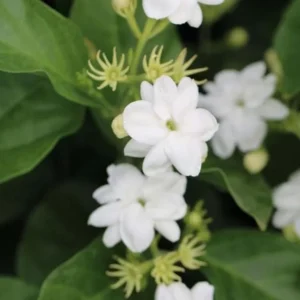 Sambac Jasmine Live Plant – 12 inch Tall – 3 inch Pot – Fragrant Flowering Shrub
 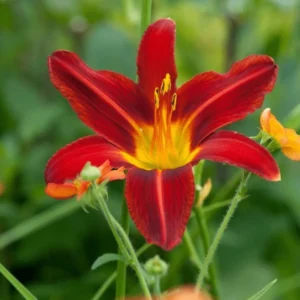 Dark Orange Daylily Bulbs - 3 Bare Roots for Planting - Outdoor Flowers
 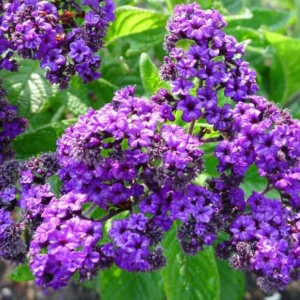 Heliotrope Fragrant Delight Live Plants - Set of 2, 3-6" Tall, Violet Fragrant Flowers
 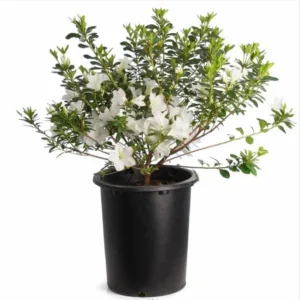 White Azalea Live Plant - Formosa Shrub, 6-8 Inch Tall, 3 Inch Pot, Outdoor
 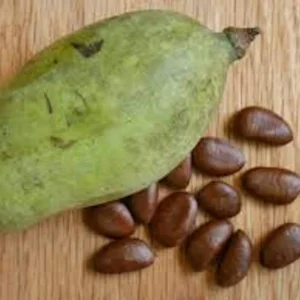 5 Pawpaw Tree Seeds - Organic Asimina triloba Native American Fruit Tree
 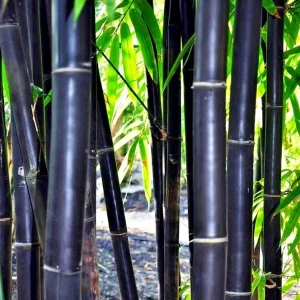 50 Timor Black Bamboo Seeds - Clumping Tropical Perennial for Privacy Screen
 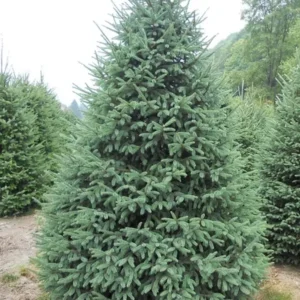 White Spruce – Live Plant – Outdoor – Seedling – Picea Pungens
 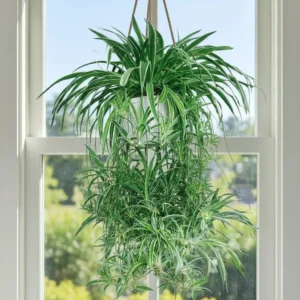 3 Live Spider Plant Rooted Cuttings – Indoor Houseplant, Easy Care
 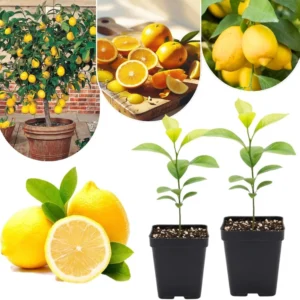 Set of 2 Meyer Lemon Trees Live Plants, 2-4 Inch Tall, 4" Pot, Indoor/Outdoor Citrus
 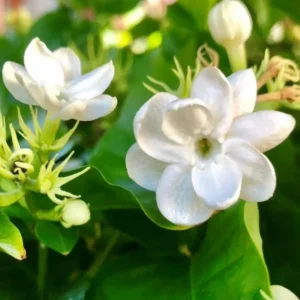 Live Sambac Jasmine Plant – 10-inch Tall, 3-inch Pot – Fragrant Flowering Shrub
 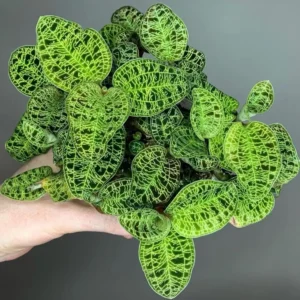 Macodes Petola Jewel Orchid Starter Plant - Live Houseplant for Indoor Display
 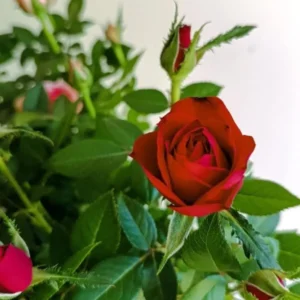 Red Mini Rose Live Plant – 6-inch Height – 3-inch Pot – Indoor/Outdoor Perennial
 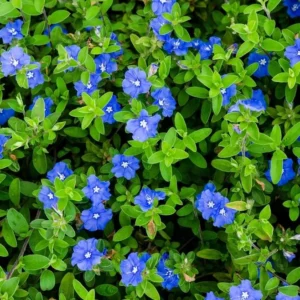 Evolvulus Blue Daze Live Plant – 2 Starter Plants – 3-6" Tall – Drought-Tolerant Groundcover
 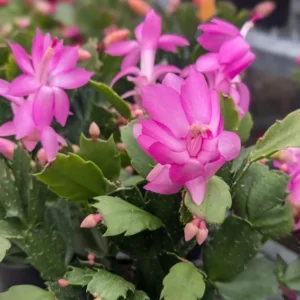 Pink Thanksgiving Cactus Live Plant – 7in Tall, 6in Pot – Indoor/Outdoor
  3 Florida Rose Rabbiteye Blueberry Live Plant - Pink Fruit, Zones 6b-9a
 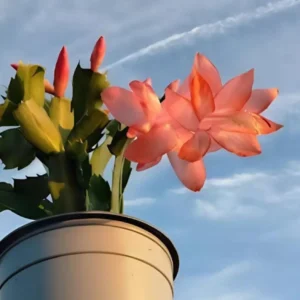 Orange Thanksgiving Cactus Live Plant – Zygocactus – 4 inch Pot – Indoor
 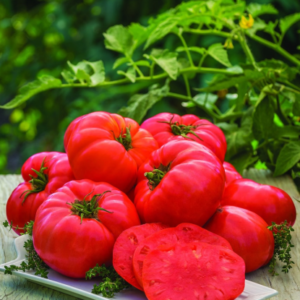 Big Zac Tomato Seeds – 25 Organic Heirloom Competition XL Size Vegetable Seeds for Garden
  Dwarf Green Malayan Coconut Seeds - Costa Rican Certified - Non-Sprouted
 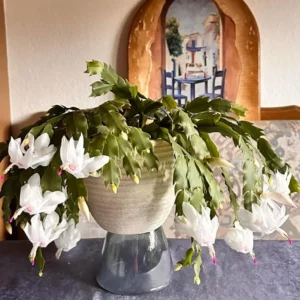 White Thanksgiving Cactus Live Plant - 7" Tall, 6" Pot - Indoor/Outdoor Zygocactus
 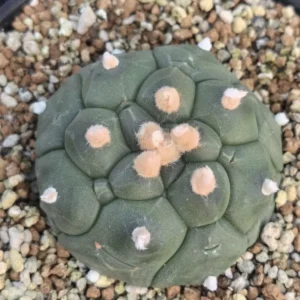 Unique Hexagonal Pattern Cactus Live Plant – Rare Succulent – 2 Inch Diameter – Indoor
 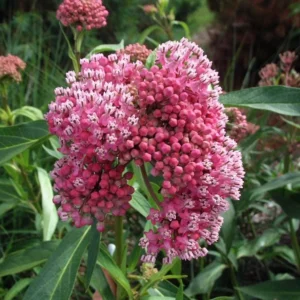 Red Milkweed Live Starter Plants - Set of 2, 4-8" Tall, Perennial, Attracts Monarch Butterflies
 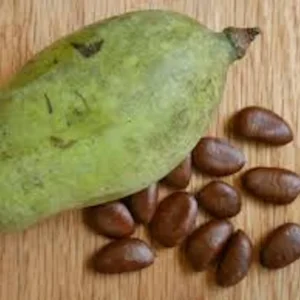 20 Pawpaw Tree Seeds - Organic Asimina triloba Heirloom Fruit Tree Seeds, Stratified
 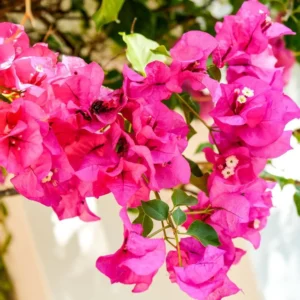 Pink Bougainvillea Live Plant – Flowering Perennial Vine – Starter 6-8 Inches
 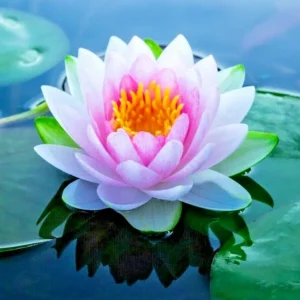 Colorful Lotus Water Lily Seeds - Easy Grow Aquarium & Pond Plant Bulb
 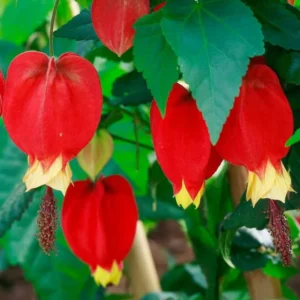 Abutilon Chinese Lantern Live Starter Plant - Flowering Maple - 3.25in Pot
 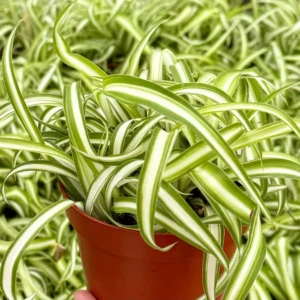 Curly Spider Plant 'Bonnie' - Chlorophytum Comosum Live Plant in 4" Pot, Indoor
 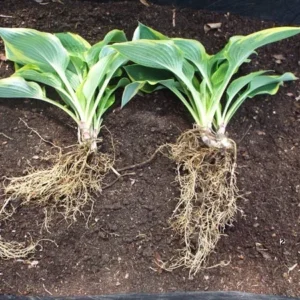 Hosta Starter Plant - Live Green Hosta up to 5 inches in 4 inch Pot - Well Rooted
 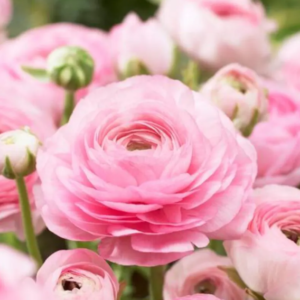 Ranunculus Flower Bulbs 15 Pastel Corms - Buttercup Peony Rose Type
 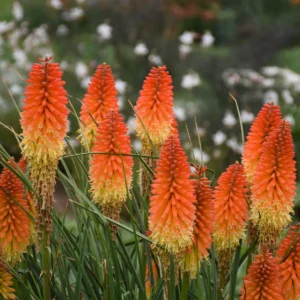 3 Red Hot Poker Perennial Plants - Bareroot, Full Sun, Pollinator
 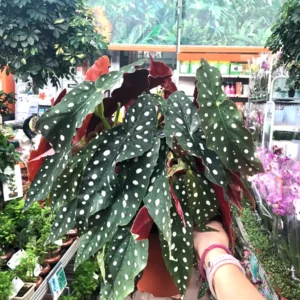 Begonia Rex Maculata 'Angel Wing' Live Plant – Potted Houseplant Indoor
 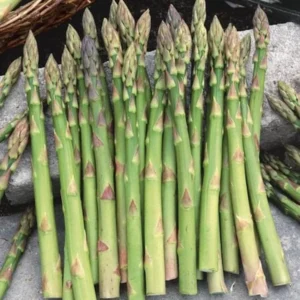 20 Jersey Giant Asparagus Bare Roots - High-Yielding, Disease Resistant
 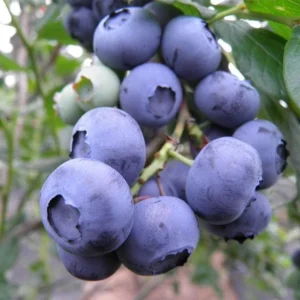 3 Snow Chaser Blueberry Live Plants - Southern Highbush, Early Ripening
 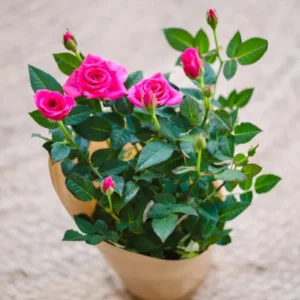 Pink Mini Rose Live Plant – 6-inch Height – 3-inch Pot – Indoor/Outdoor
 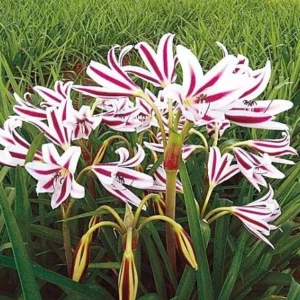 Red & White Crinum Lily Flower Bulbs - 1 Count - Up to 2 ft Tall - Indoor/Outdoor
 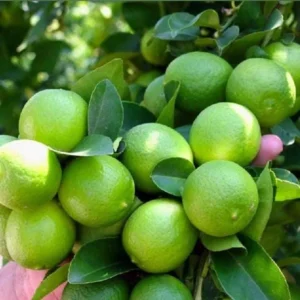 Thai Lemon Tree Live Plant with Fruits, Dwarf Grafted, 1-3 Ft, 3 Gallon Pot
 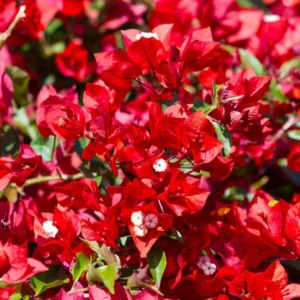 Red Bougainvillea Live Plant – Flowering Perennial, 6-8 Inches Tall, Outdoor
 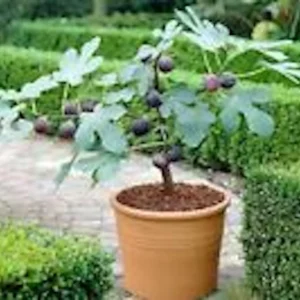 Dwarf Fig Tree Live Plant - Self-Fertile Fignomenal Variety - Produces Fruit Indoors/Outdoors
 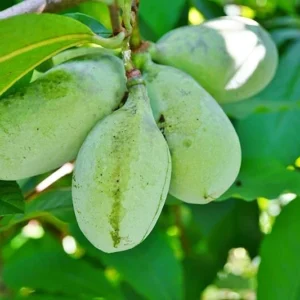 Pawpaw Tree – Live Plant – Cold Hardy – Up to 1 ft Tall – Outdoor
 Echeveria Setosa v. Deminuta Seeds – 20 Pack – Rare Succulent Seeds for Garden
-50%
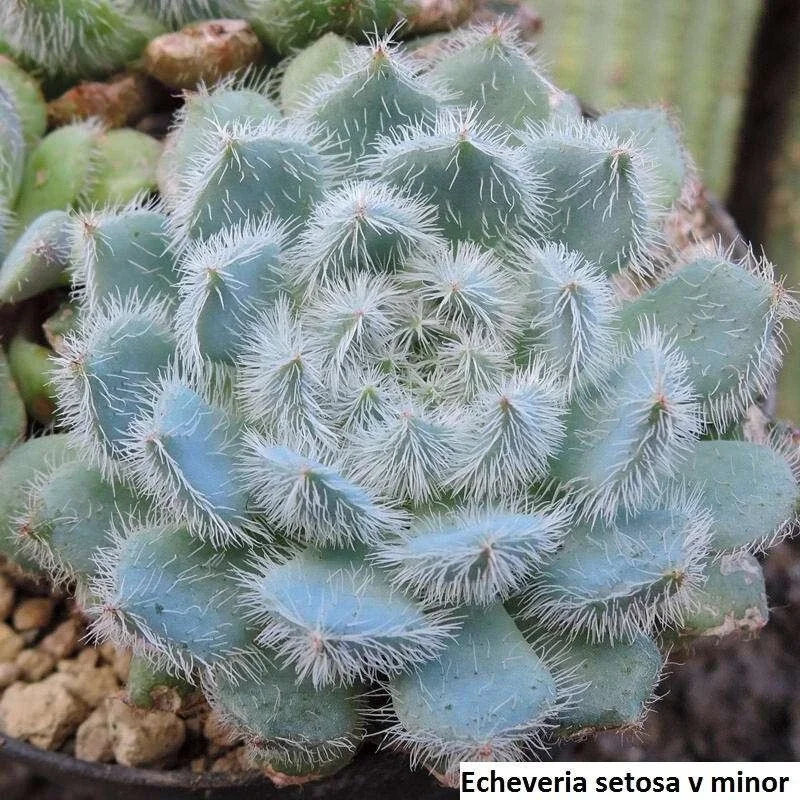
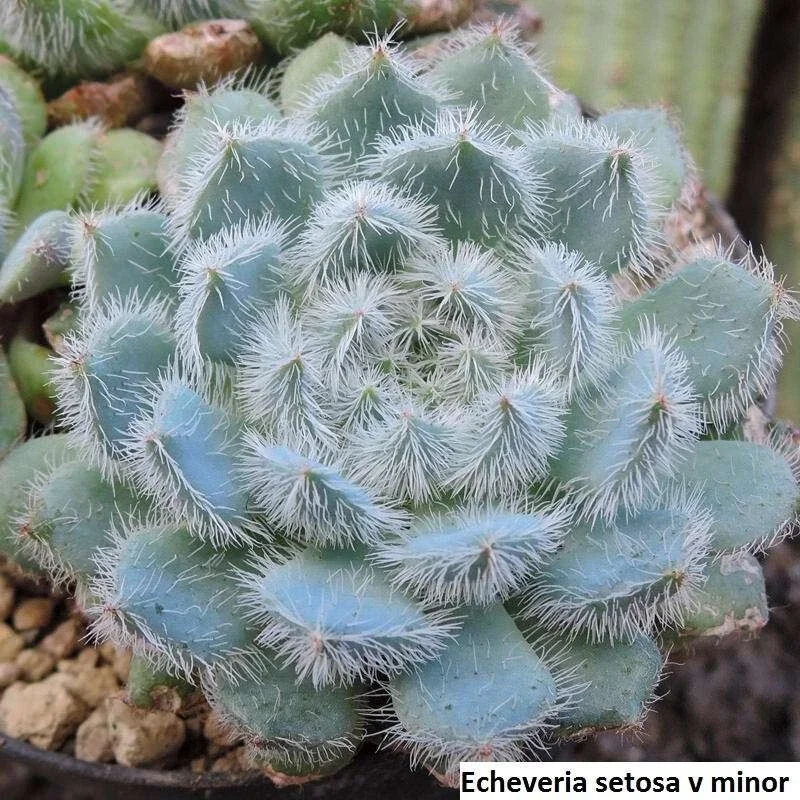
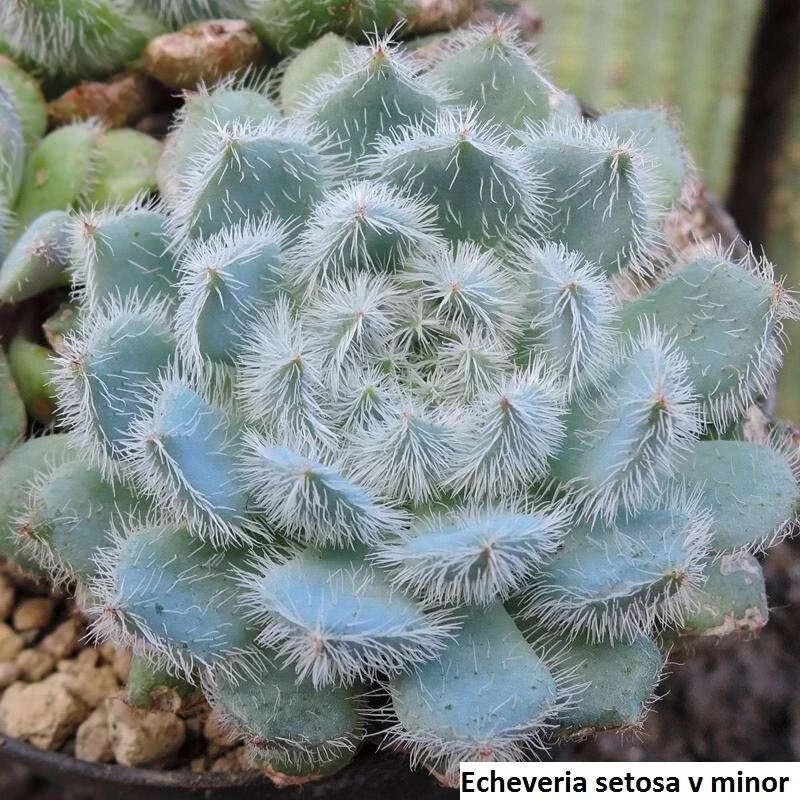
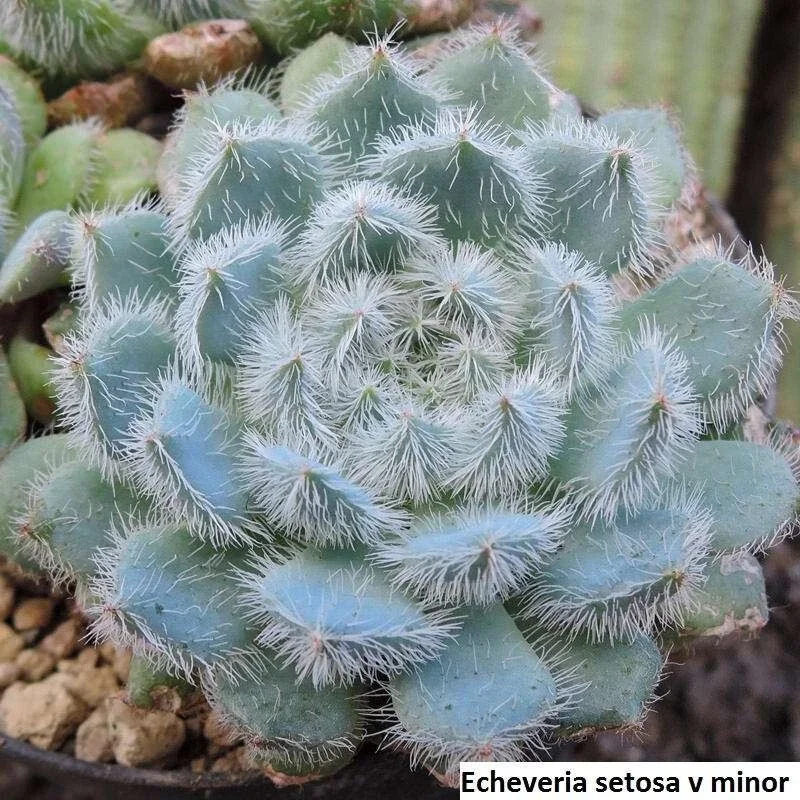
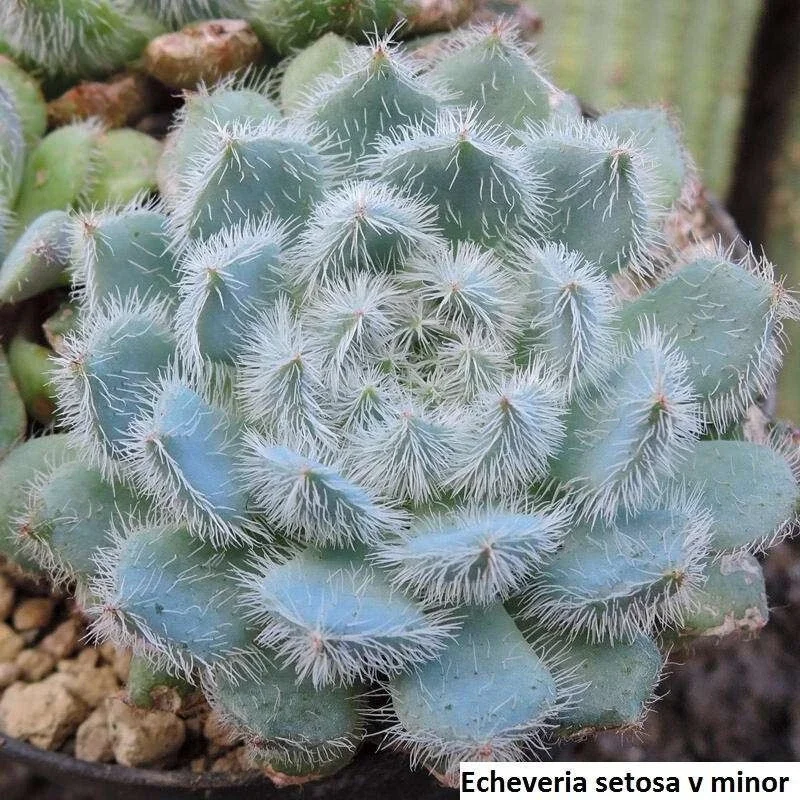
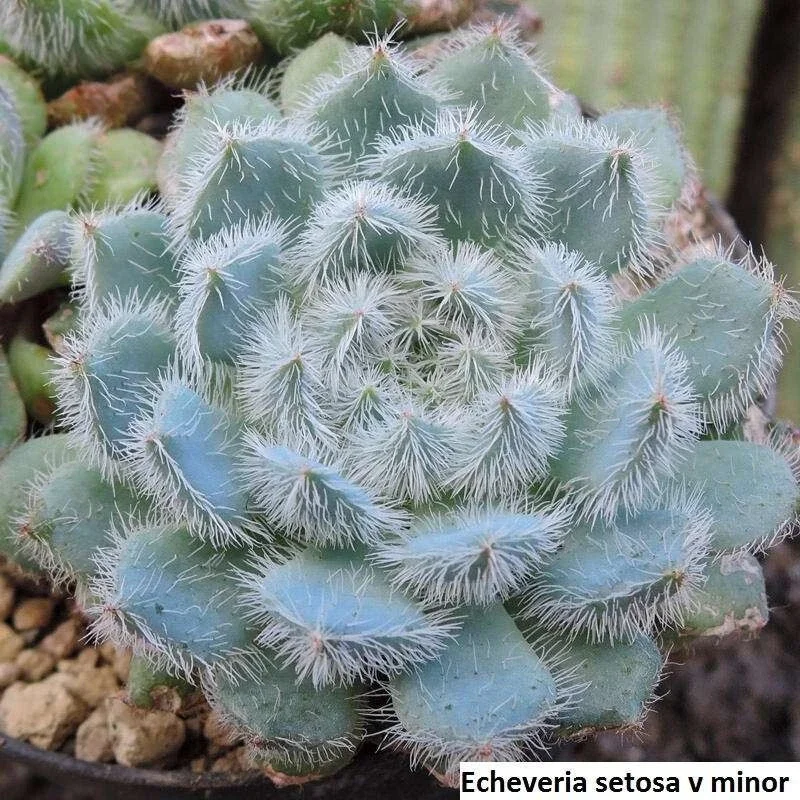
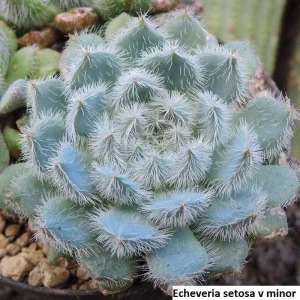
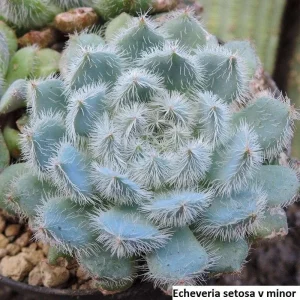
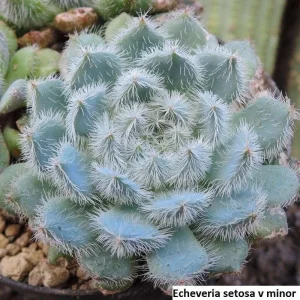
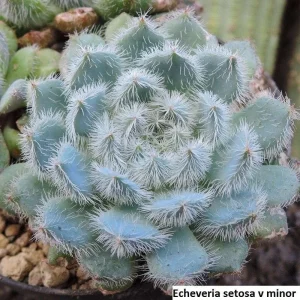
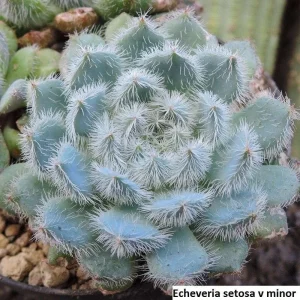
Echeveria Setosa v. Deminuta Seeds – 20 Pack – Rare Succulent Seeds for Garden
Cultivate an exotic succulent garden with this Echeveria Setosa v. Deminuta seeds 20-pack. These rare succulent seeds are ideal for both indoor and outdoor growing, offering a unique addition to any plant collection. Enjoy the satisfying process of growing these beautiful plants from seed.
Original price was: $18.76.$9.38Current price is: $9.38.

With our Alive & Thrive Guarantee, we’ve got your back for the first 30 days! If you have any concerns about your plants, just reach out to us. Our team is here to help answer your questions and guide you in selecting the best plants for your garden, climate, and unique preferences. We're excited to help you create the garden of your dreams!
Estimated arrival
Apr 03
Apr 08 - Apr 10
Apr 13 - Apr 17
Product Details
-
USDA Hardiness Zone
USDA Zones 9-11 -
Soil type
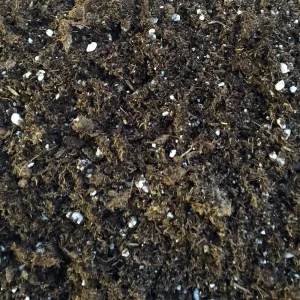
Well-draining succulent or cactus mix -
Sunlight Exposure
Full sun to bright indirect light -
Expected Planting Period
Year-round indoors, Spring to Summer outdoors
Overview
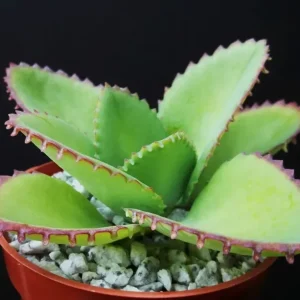
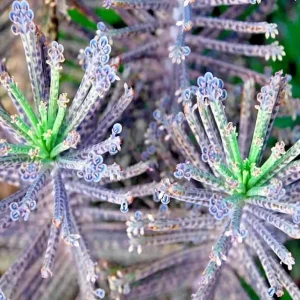
Embark on a rewarding gardening journey with our premium Echeveria Setosa v. Deminuta seeds. This offering includes a generous 20-pack of seeds, providing ample opportunity to cultivate these captivating succulents. The ‘Deminuta’ variety of Echeveria Setosa is renowned for its fuzzy, compact rosettes and vibrant coloration, making it a highly sought-after specimen among succulent enthusiasts. Growing Echeveria Setosa v. Deminuta seeds allows you to witness the fascinating transformation from a tiny seed into a mature, striking plant. This particular Echeveria is celebrated for its unique texture and resilience, thriving in various conditions and adding a touch of exotic beauty to any space.
Each seed in this 20-pack holds the potential for a new, vibrant plant, perfect for expanding your existing collection or starting a brand-new succulent display. These are not live plants but high-quality seeds, ensuring a fresh start for your gardening project. Whether you are an experienced gardener or just beginning your adventure with succulents, cultivating Echeveria Setosa v. Deminuta seeds offers an engaging and fulfilling experience. Prepare to unveil the exotic beauty these plants promise, creating a miniature desert landscape or a charming potted accent.
Key Benefits
Discover the numerous advantages of choosing to grow these exquisite Echeveria succulents from seed:
- Unique Aesthetic Appeal: The Echeveria Setosa v. Deminuta seeds produce plants with distinctive fuzzy leaves and tight rosettes, offering a unique texture and visual interest unlike many other succulents. Their vibrant hues can range from green to reddish tips, adding a splash of color.
- Drought Tolerance: Like most Echeverias, these plants are highly drought-tolerant once established, requiring minimal watering and making them perfect for busy individuals or water-wise gardens.
- Versatile Decor: These succulents are ideal for various settings, including indoor pots, outdoor rock gardens, arid landscapes, and terrariums. Their compact size makes them suitable for windowsills or desk spaces.
- Rewarding Growing Experience: Starting from rare succulent seeds provides a deeply satisfying gardening experience. Watching the tiny sprouts emerge and grow into mature plants is a testament to your green thumb.
- Low Maintenance: Once germinated and established, Echeveria Setosa v. Deminuta plants are relatively low maintenance. They require good drainage, ample sunlight, and infrequent watering, simplifying care routines.
- Collection Expansion: This 20-pack of Echeveria seeds is an excellent way to expand your succulent collection with a unique and beautiful variety, or to share with fellow plant enthusiasts.
- Year-Round Interest: With proper care, these succulents maintain their attractive appearance throughout the year, providing continuous beauty regardless of the season.
Plant Care & Growing Tips
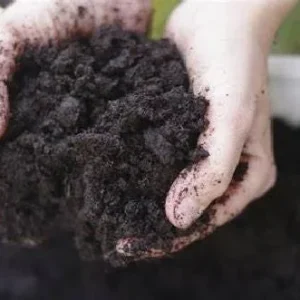
Successfully growing Echeveria Setosa v. Deminuta seeds requires attention to specific environmental factors. For optimal germination, start your seeds in a well-draining seed-starting mix. Lightly scatter the seeds on the surface of the soil and do not cover them, as Echeveria seeds require light to germinate. Maintain consistent moisture with a fine mist sprayer, avoiding overwatering. A humidity dome or plastic wrap can help retain moisture, but ensure proper ventilation to prevent mold. Germination typically occurs within 1-4 weeks, depending on conditions.
Once seedlings emerge, gradually introduce them to more light. Mature Echeveria Setosa v. Deminuta plants thrive in bright, indirect light to full sun. Indoors, a south-facing window or grow lights are ideal. Outdoors, they prefer morning sun and afternoon shade in hot climates to prevent sunburn. The ideal soil for these succulents is a well-draining cactus or succulent mix, which prevents root rot. Water thoroughly only when the soil is completely dry, which may be every 2-4 weeks depending on temperature and humidity. Reduce watering significantly in winter.
Echeverias are generally hardy in USDA Zones 9-11, preferring temperatures between 60-80°F (15-27°C). Protect them from frost if grown outdoors in colder zones. Fertilize sparingly, once or twice during the growing season (spring and summer) with a diluted, balanced liquid fertilizer formulated for succulents. Watch out for common pests like mealybugs or aphids, treating them with insecticidal soap if necessary. Proper air circulation is crucial to prevent fungal issues. By following these guidelines, you can successfully grow Echeveria from seed and enjoy robust, beautiful plants.
Size & Details
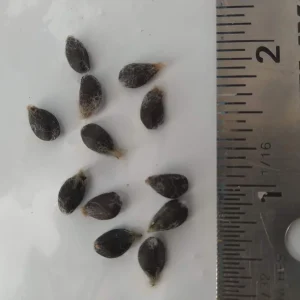
This product includes 20 individual Echeveria Setosa v. Deminuta seeds, packaged for safe delivery and optimal germination. Each seed is small, indicative of the tiny beauty it will eventually become. Once mature, Echeveria Setosa v. Deminuta typically forms compact rosettes, ranging from 2 to 4 inches in diameter and about 2 to 3 inches in height. The growth rate is moderate, with visible development within a few months post-germination. These seeds will arrive in a protective packet, ready for planting. While exact height and width depend on growing conditions, these plants generally maintain a neat, contained form, perfect for small pots or arrangements. Expect to see the first true leaves within a few weeks, and a small rosette forming over the next few months. These characteristics make them ideal for collectors interested in how to grow Echeveria from seed.
Frequently Asked Questions
- Q: How big does this Echeveria get? A: Once mature, the Echeveria Setosa v. Deminuta typically forms rosettes that are about 2 to 4 inches in diameter and 2 to 3 inches tall. Its compact size makes it suitable for various indoor and outdoor displays.
- Q: Is this an indoor or outdoor plant? A: This Echeveria can thrive both indoors and outdoors. If growing indoors, ensure it receives bright, indirect light. Outdoors, it prefers morning sun and protection from intense afternoon heat.
- Q: How much sunlight do these Echeveria Setosa v. Deminuta seeds need to germinate? A: Echeveria seeds require light to germinate, so do not cover them with soil. Place your seed tray in a location that receives bright, indirect light or under grow lights.
- Q: Is this plant easy to care for? A: Once germinated and established, Echeveria Setosa v. Deminuta is considered relatively easy to care for, especially for those familiar with succulents. They are drought-tolerant and require minimal attention, making them a good choice for beginners interested in succulent garden seeds.
- Q: What condition will the seeds arrive in? A: The Echeveria Setosa v. Deminuta seeds will arrive in a protective packet, ensuring they are fresh and viable for planting. They are carefully handled to maintain their quality during transit.
- Q: How long until Echeveria seeds germinate and bloom? A: Germination typically takes 1-4 weeks. It can take anywhere from several months to a year for the plant to mature and potentially bloom, depending on growing conditions and care.
- Q: What is the best way to plant these rare succulent seeds? A: Sprinkle the seeds on the surface of a well-draining succulent soil mix. Do not cover them, as they need light to sprout. Keep the soil consistently moist using a fine mist sprayer until germination occurs.
- Q: Will this Echeveria survive winter in my zone? A: Echeveria Setosa v. Deminuta is hardy in USDA Zones 9-11. If you live in a colder climate, it is best to grow them in pots that can be brought indoors during the winter months to protect them from frost. This is key for those looking to successfully grow Echeveria from seed in diverse climates.
- Q: Are these Echeveria seeds suitable for terrariums? A: Yes, their compact size and low water requirements make them an excellent choice for open terrariums, especially those designed for arid plants. They add a beautiful, textural element to miniature landscapes.
- Q: Do these plants require special soil? A: Yes, they thrive in a specialized succulent or cactus potting mix that provides excellent drainage. Avoid heavy, water-retentive soils to prevent root rot, which is critical for healthy Echeveria seeds development.
Related products
-50%
Original price was: $14.76.$7.38Current price is: $7.38.
-50%
From Original price was: $8.52.$4.26Current price is: $4.26.
-50%
Original price was: $13.48.$6.74Current price is: $6.74.
-50%
Original price was: $26.76.$13.38Current price is: $13.38.
-50%
Original price was: $26.76.$13.38Current price is: $13.38.
-50%
From Original price was: $8.52.$4.26Current price is: $4.26.
-50%
From Original price was: $134.00.$67.00Current price is: $67.00.
PLANTING & CARE

Growing Glencoe Raspberry: A Complete Guide for Gardeners
If you’re looking to add something unique to your garden, look no further than the
31
Mar
Mar

The Comprehensive Guide to Growing Bay Leaf Plants for a Flavorful Garden
Imagine stepping into your garden, greeted by the earthy aroma of fresh bay leaves, their
09
Feb
Feb

How to Make Comfrey Tea: The Ultimate Organic Plant Food
Growing an organic garden can be surprisingly expensive, especially when most store-bought fertilizers come in
02
Feb
Feb

True Comfrey: 7 Essential Tips Before You Plant This Herb
A staple in permaculture practices across the US, True Comfrey easily earns its reputation as
27
Jan
Jan

7 Heart-Shaped Plants for a Lasting Valentine’s Gift
If you’ve ever bought a bouquet of roses for Valentine’s Day, you know they are
26
Jan
Jan

Best Types of Ivy Plant for Houses: How to Choose the Perfect Ones for Your Home
Are you a garden lover looking to introduce some greenery into your home? Maybe you’ve
14
Nov
Nov

When to Harvest Garlic (Especially Fall-Planted Garlic)
TIMING IS EVERYTHING, they say – and for garlic, that truth hits with surprising accuracy.
13
Nov
Nov

11 of the Best Sweet Potato Varieties to Grow for Your Garden
If you’ve ever tried growing sweet potatoes, you know that picking the right variety can
12
Nov
Nov