20 Eastern Redbud Tree Seeds (Cercis Canadensis) – Pink Flowering Native
-50%




20 Eastern Redbud Tree Seeds (Cercis Canadensis) – Pink Flowering Native
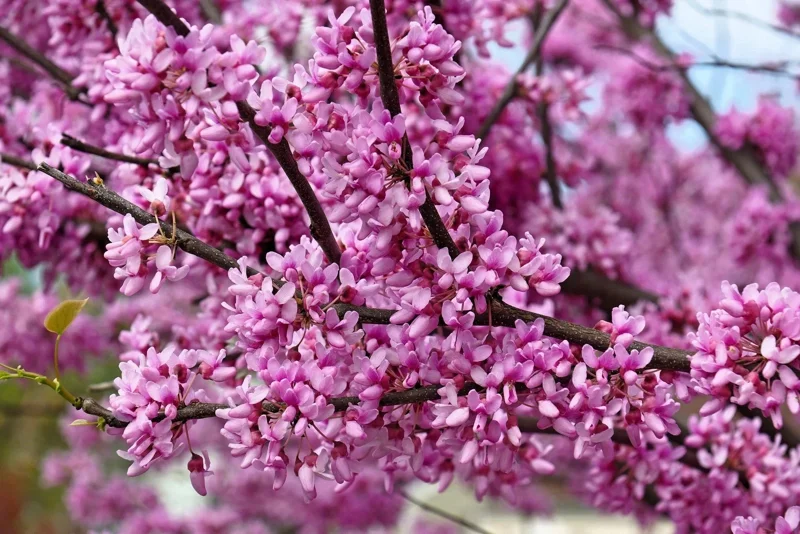
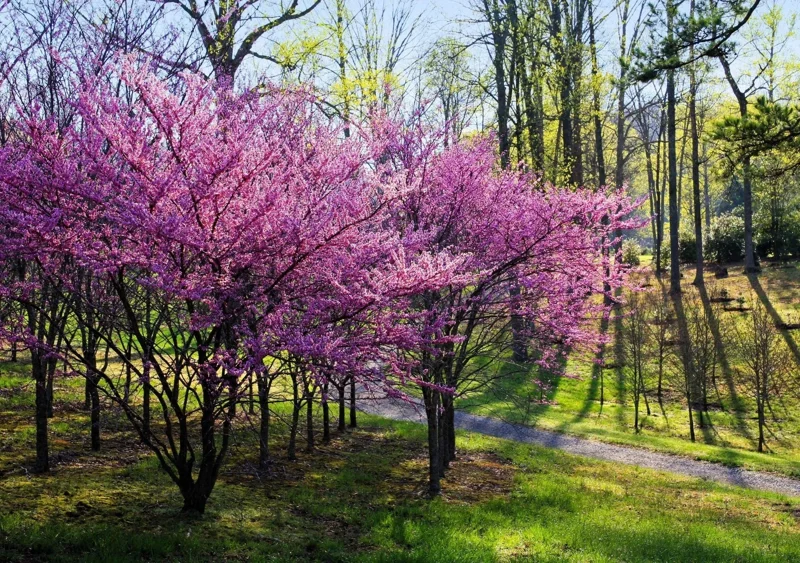
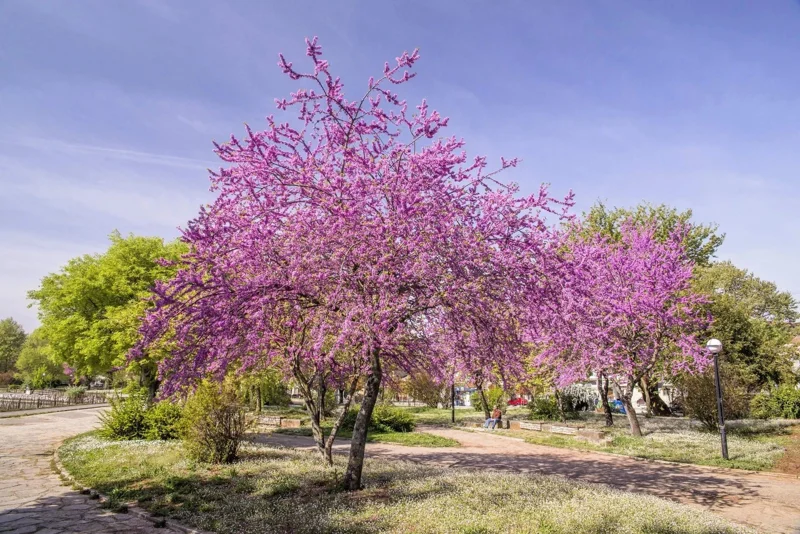
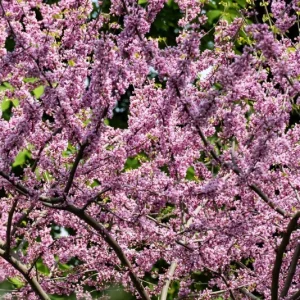
Cultivate the beauty of the American landscape with Eastern Redbud Tree seeds. These Cercis Canadensis seeds produce stunning pink flowers, making them a perfect addition to any outdoor garden.
- 20 Eastern Redbud Tree seeds
- Produces vibrant pink flowers
- Native and perennial tree
- Suitable for full sun exposure
Original price was: $12.00.$6.00Current price is: $6.00.

With our Alive & Thrive Guarantee, we’ve got your back for the first 30 days! If you have any concerns about your plants, just reach out to us. Our team is here to help answer your questions and guide you in selecting the best plants for your garden, climate, and unique preferences. We're excited to help you create the garden of your dreams!
Estimated arrival
Mar 22
Mar 27 - Mar 29
Apr 01 - Apr 05

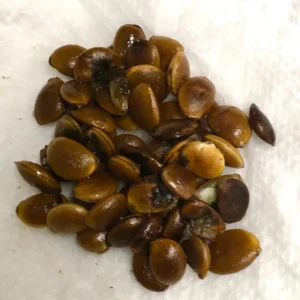
Product Details
-
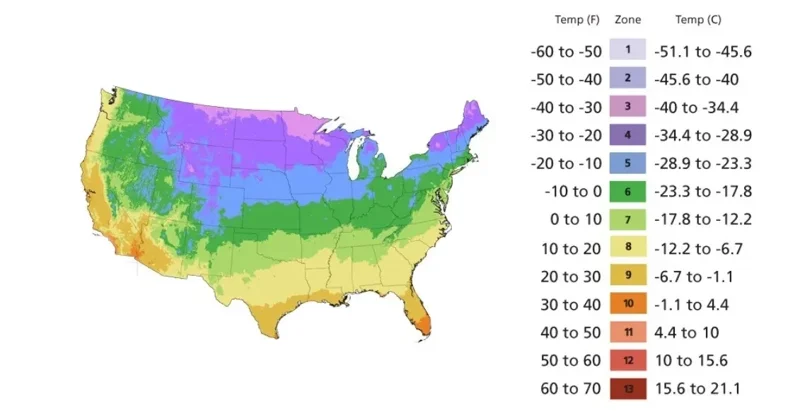
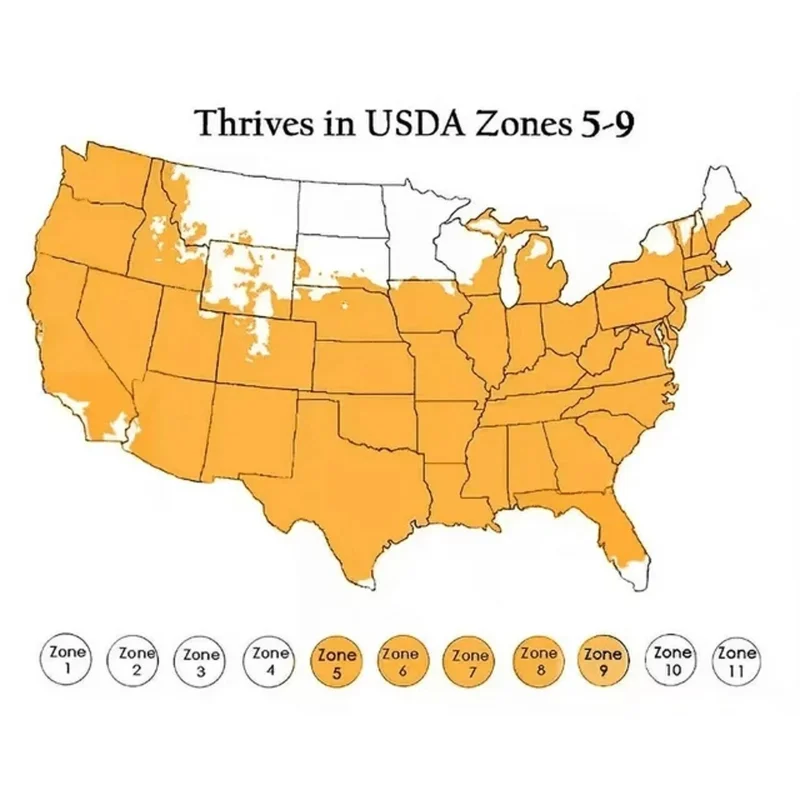
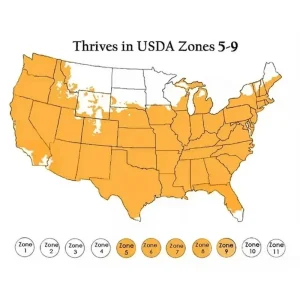
USDA Hardiness Zone
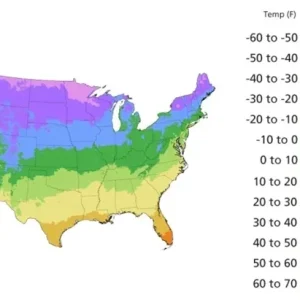
USDA Zones 4-9 -
Soil type
Loam, Clay, Well-draining soil -
Sunlight Exposure
Full Sun -
Expected Planting Period
Spring
Overview
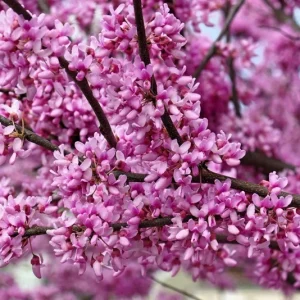
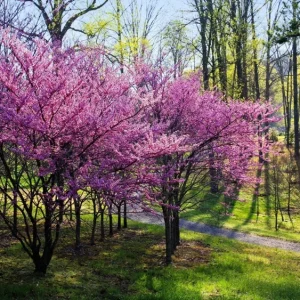
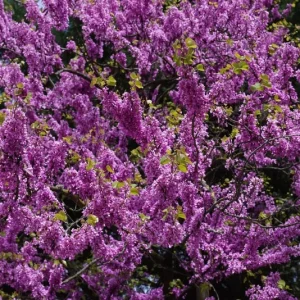
Embark on a rewarding gardening journey by cultivating the magnificent Eastern Redbud Tree seeds. Known scientifically as Cercis Canadensis, this particular offering includes 20 Eastern Redbud Tree seeds, providing an excellent opportunity to grow a beautiful, native tree in your own garden. The Eastern Redbud is celebrated for its spectacular early spring display of vibrant pink flowers that emerge directly from its branches, even before the leaves appear. This deciduous tree is a true harbinger of spring, transforming landscapes with its cheerful color. As a native tree, it is well-adapted to various climates and provides significant ecological benefits, including attracting pollinators like bees and butterflies. Growing from Cercis Canadensis seeds allows you to witness the full life cycle of this remarkable plant, from a tiny seed to a mature, flowering tree, enhancing your outdoor space with natural elegance.
Key Benefits
The Eastern Redbud Tree offers numerous advantages for both home gardeners and the environment. Its beautiful appearance and ecological contributions make it a highly desirable addition to any landscape.
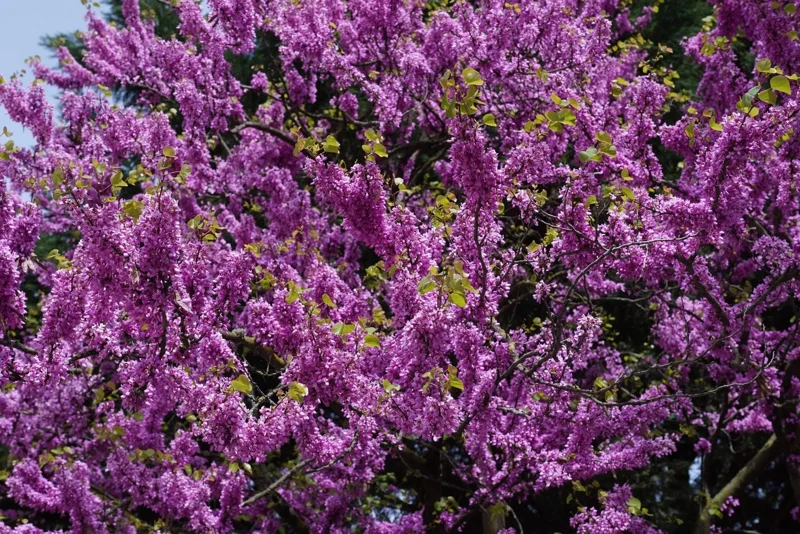
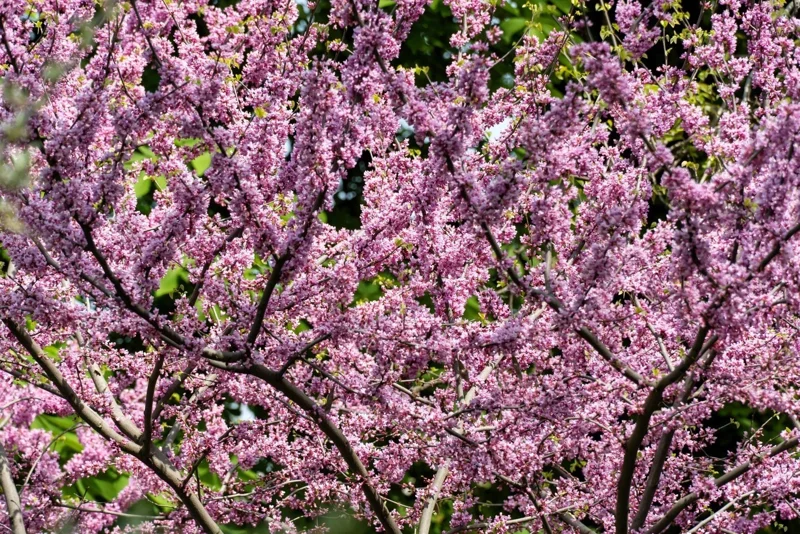
- Stunning Spring Blooms: Enjoy a breathtaking display of small, pea-like, vibrant pink flowering tree seeds that adorn the branches in early spring, often before other trees have leafed out. These flowers provide a welcome splash of color after winter.
- Native and Adaptable: As a native tree seeds, the Eastern Redbud is naturally suited to the climate and soil conditions of many regions in the United States, making it a low-maintenance choice for sustainable landscaping.
- Pollinator Friendly: The early spring flowers are a vital food source for early emerging bees and other pollinators, supporting local ecosystems and biodiversity in your garden.
- Attractive Foliage and Form: After the blooms fade, heart-shaped leaves emerge, providing attractive green foliage throughout the summer and turning yellow in the fall, adding seasonal interest.
- Moderate Size: The Eastern Redbud typically grows to a moderate height, making it suitable for various garden sizes, from small urban yards to larger rural properties.
- Perennial Beauty: These perennial tree seeds ensure a long-lasting presence in your garden, providing beauty year after year with minimal effort once established.
- Erosion Control: Its root system can help stabilize soil, making it useful in preventing erosion on slopes or along banks.
Plant Care & Growing Tips
Successfully growing Eastern Redbud Tree seeds requires a few key steps to ensure strong germination and healthy development. Stratification is crucial for these Cercis Canadensis seeds. Begin by scarifying the seeds, which involves gently nicking the seed coat with a file or sandpaper to allow water to penetrate. Following scarification, cold stratification is necessary. Place the seeds in a moist medium like sand or peat moss in a sealed plastic bag and refrigerate for 6-8 weeks. This process mimics natural winter conditions and breaks seed dormancy.
Once stratified, sow the seeds about 1/4 inch deep in a well-draining soil mixture. A blend of loam and clay is suitable, with a neutral soil pH. Provide full sun exposure, meaning at least six hours of direct sunlight per day, which is ideal for this pink flowering tree seeds. Keep the soil consistently moist but not waterlogged, especially during germination and the initial growth phases. Watering should be medium, allowing the topsoil to dry slightly between waterings. The Eastern Redbud is a perennial tree seeds that thrives in USDA zones 4-9. Fertilize sparingly in the first year; established trees benefit from a balanced, slow-release fertilizer in early spring. Watch for common issues like canker disease and apply appropriate fungicides if necessary, ensuring good air circulation around the tree. With proper care, your native tree seeds will flourish into a beautiful Eastern Redbud.
Size & Details
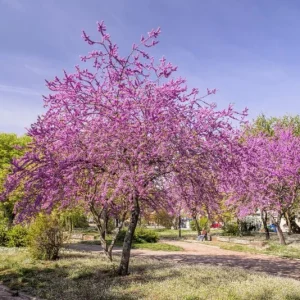
This offering includes 20 Eastern Redbud Tree seeds, ready for you to plant and cultivate. The Eastern Redbud (Cercis Canadensis) typically grows to a height of 20-30 feet with a similar spread, forming a beautiful, rounded canopy. Its growth rate is moderate, meaning it will add about 13-24 inches of height per year. The seeds are suitable for outdoor planting and will develop into a mature tree that flowers in the summer and fall seasons. These Cercis Canadensis seeds are shipped as dormant seeds, ready for scarification and stratification before planting. With optimal conditions, you can expect the first blooms within a few years of planting, bringing vibrant pink color to your landscape.
Frequently Asked Questions
- Q: How many Eastern Redbud Tree seeds are included? A: This package contains 20 high-quality Eastern Redbud Tree seeds, providing a great start for your gardening project.
- Q: What is the scientific name for the Eastern Redbud? A: The scientific name for the Eastern Redbud is Cercis Canadensis. These Cercis Canadensis seeds are ready for planting after proper preparation.
- Q: What color are the flowers of the Eastern Redbud? A: The Eastern Redbud produces beautiful, vibrant pink flowers that emerge in early spring, making it a truly eye-catching pink flowering tree seeds.
- Q: Is this tree native to the United States? A: Yes, the Eastern Redbud is a native North American tree, making these native tree seeds an excellent choice for supporting local ecosystems.
- Q: Is the Eastern Redbud a perennial or annual? A: The Eastern Redbud is a perennial tree, meaning it will return and bloom year after year, offering long-lasting beauty from your perennial tree seeds.
- Q: What kind of sunlight does this tree need? A: Eastern Redbud trees thrive in full sun conditions, requiring at least 6 hours of direct sunlight daily for optimal growth and flowering.
- Q: What type of soil is best for Eastern Redbud trees? A: They prefer well-draining soil, typically a mix of loam and clay, with a neutral pH. Good drainage is crucial to prevent root rot.
- Q: How tall does an Eastern Redbud tree grow? A: A mature Eastern Redbud typically reaches a height of 20-30 feet with a similar spread.
- Q: When is the best time to plant Eastern Redbud seeds? A: After scarification and cold stratification, the seeds are best planted in early spring after the last frost.
- Q: What USDA Hardiness Zones are suitable for Eastern Redbud? A: The Eastern Redbud is hardy in USDA Zones 4-9, able to withstand a wide range of temperatures.
Related products
-50%

Original price was: $19.96.$9.98Current price is: $9.98.
-20%
Original price was: $44.00.$35.20Current price is: $35.20.
-20%
Original price was: $26.00.$20.80Current price is: $20.80.
-20%
Original price was: $20.00.$16.00Current price is: $16.00.
-50%
Original price was: $23.96.$11.98Current price is: $11.98.
-50%
Original price was: $75.96.$37.98Current price is: $37.98.
-20%
Original price was: $34.00.$27.20Current price is: $27.20.
-20%
Original price was: $25.00.$20.00Current price is: $20.00.
PLANTING & CARE

The Comprehensive Guide to Growing Bay Leaf Plants for a Flavorful Garden
Imagine stepping into your garden, greeted by the earthy aroma of fresh bay leaves, their
09
Feb
Feb

How to Make Comfrey Tea: The Ultimate Organic Plant Food
Growing an organic garden can be surprisingly expensive, especially when most store-bought fertilizers come in
02
Feb
Feb

True Comfrey: 7 Essential Tips Before You Plant This Herb
A staple in permaculture practices across the US, True Comfrey easily earns its reputation as
27
Jan
Jan

7 Heart-Shaped Plants for a Lasting Valentine’s Gift
If you’ve ever bought a bouquet of roses for Valentine’s Day, you know they are
26
Jan
Jan

Best Types of Ivy Plant for Houses: How to Choose the Perfect Ones for Your Home
Are you a garden lover looking to introduce some greenery into your home? Maybe you’ve
14
Nov
Nov

When to Harvest Garlic (Especially Fall-Planted Garlic)
TIMING IS EVERYTHING, they say – and for garlic, that truth hits with surprising accuracy.
13
Nov
Nov

11 of the Best Sweet Potato Varieties to Grow for Your Garden
If you’ve ever tried growing sweet potatoes, you know that picking the right variety can
12
Nov
Nov
Pruning Bougainvillea for Winter
Bougainvillea vines are known for their dazzling display of magenta, orange, and fuchsia bracts that
05
Nov
Nov