Yellow Mustard Seeds – 500+ Count, Microgreens & Culinary, Indoor/Outdoor
-50%


Yellow Mustard Seeds – 500+ Count, Microgreens & Culinary, Indoor/Outdoor
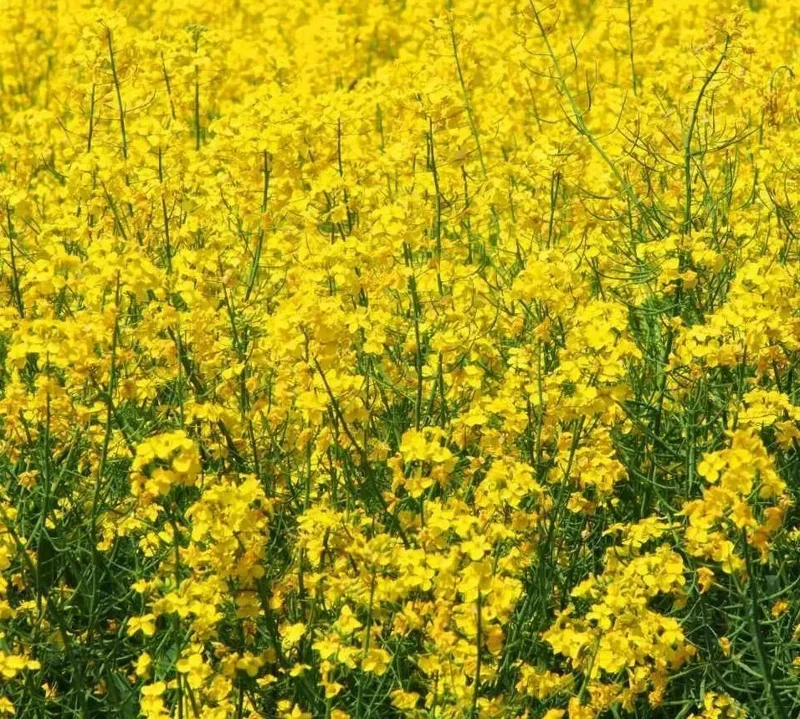
Cultivate your own flavorful yellow mustard seeds with this generous pack of 500+ seeds. Ideal for growing fresh mustard microgreens or for traditional gardening. These versatile seeds allow you to make your own mustard from scratch, adding a unique zest to your culinary creations. Suitable for both indoor and outdoor growing.
Original price was: $8.52.$4.26Current price is: $4.26.

With our Alive & Thrive Guarantee, we’ve got your back for the first 30 days! If you have any concerns about your plants, just reach out to us. Our team is here to help answer your questions and guide you in selecting the best plants for your garden, climate, and unique preferences. We're excited to help you create the garden of your dreams!
Estimated arrival
Apr 03
Apr 08 - Apr 10
Apr 13 - Apr 17



Product Details
-
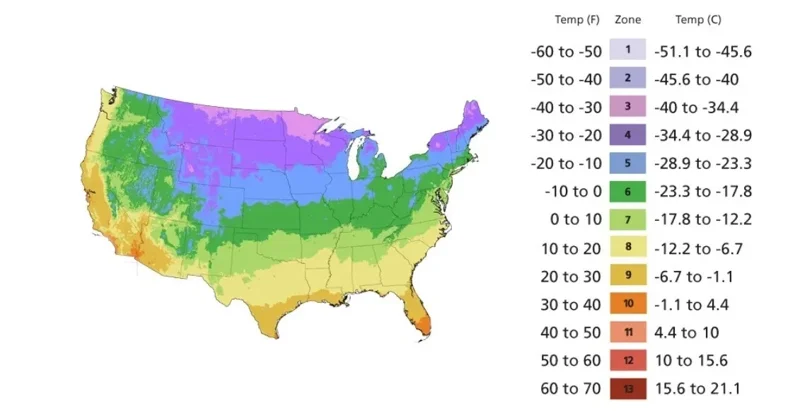
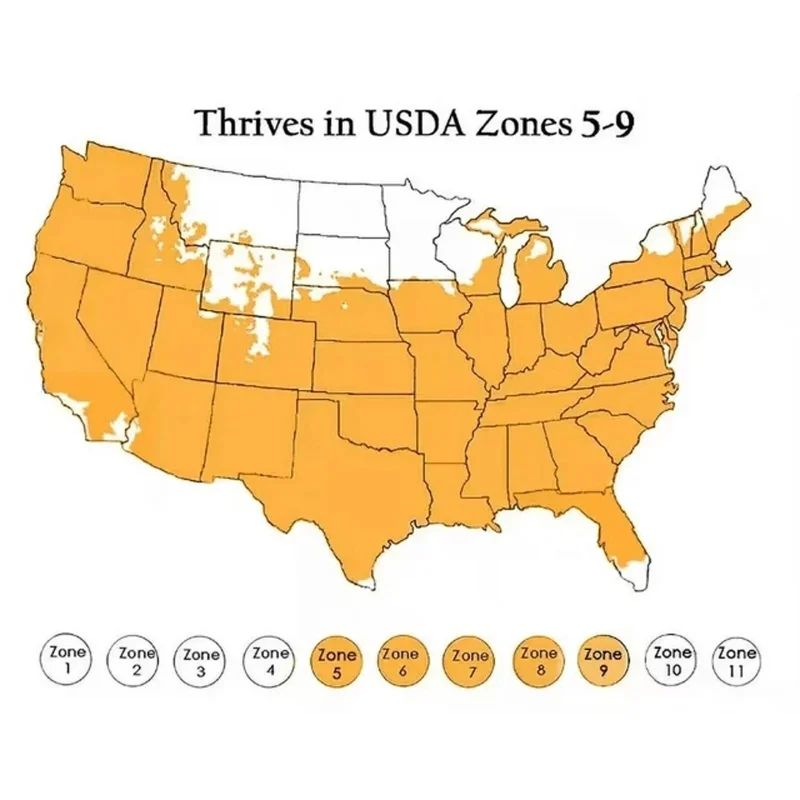
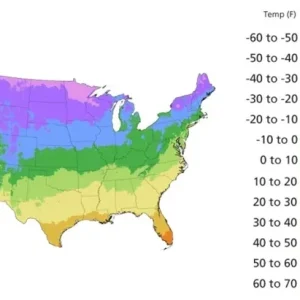
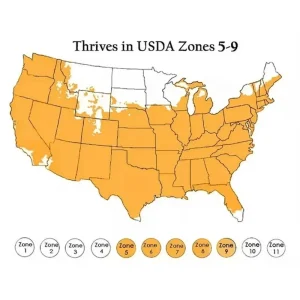
USDA Hardiness Zone
unknown -
Soil type
Well-draining, fertile soil -
Sunlight Exposure
Full sun to partial shade -
Expected Planting Period
Spring to Fall
Overview
Unlock a world of culinary and gardening possibilities with our premium yellow mustard seeds. This generous pack contains over 500 high-quality seeds, perfect for enthusiasts looking to cultivate their own greens or create homemade condiments. Yellow mustard, scientifically known as Brassica hirta or Sinapis alba, is a fast-growing annual herb renowned for its pungent flavor and ease of cultivation. Whether you’re aiming to grow tender mustard microgreens for salads and sandwiches, or planning to harvest mature seeds to make your own mustard, these seeds provide an excellent starting point. They are an essential addition to any home garden, offering both beauty and utility, and can be grown indoors or outdoors depending on your climate and space.
These yellow mustard seeds are selected for their viability and vigor, ensuring a successful growing experience for gardeners of all skill levels. They are a fantastic choice for those who appreciate fresh, homegrown ingredients and enjoy the satisfaction of seeing their efforts blossom into delicious results. The vibrant yellow flowers that precede the seed pods also add a charming touch to any garden space.
Key Benefits
Growing your own yellow mustard seeds offers numerous advantages, from fresh culinary ingredients to engaging gardening projects. These seeds are incredibly versatile and beneficial for various uses.
- Fresh Microgreens: Harvest tender, spicy mustard microgreens in just 7-14 days. These nutrient-dense greens are packed with vitamins and minerals, perfect for adding a peppery kick to salads, sandwiches, and smoothies. Growing them at home ensures you have a fresh supply readily available.
- Homemade Mustard: Experience the joy of creating your own gourmet mustard. With these edible mustard seeds, you can experiment with different recipes, customizing the flavor and consistency to your preference. Homemade mustard offers a depth of flavor unmatched by store-bought varieties.
- Easy to Grow: Yellow mustard is known for its resilience and rapid growth, making it an excellent choice for beginner gardeners. It thrives in a variety of conditions and requires minimal specialized care, promising a rewarding growing experience.
- Soil Improvement: When grown as a cover crop, mustard plants can help improve soil health by adding organic matter and suppressing weeds. This natural method enhances the fertility and structure of your garden beds, benefiting subsequent plantings.
- Culinary Versatility: Beyond microgreens and mustard, the mature leaves can be used in stir-fries or as a cooked green, offering a robust flavor. The seeds themselves can also be used whole or ground in pickling, spice blends, and various international cuisines.
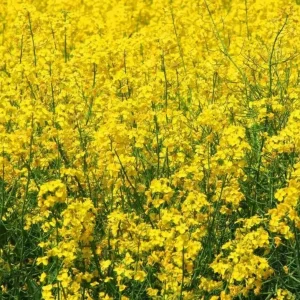
- Attractive Foliage and Flowers: The plants produce bright green leaves and cheerful yellow flowers, adding visual appeal to your garden or indoor growing setup.
Plant Care & Growing Tips
Cultivating yellow mustard seeds is a straightforward process, whether you’re growing them for microgreens or mature plants. For optimal growth, these seeds prefer a sunny location, ideally receiving 6-8 hours of direct sunlight per day. If growing indoors, a south-facing window or a grow light will provide sufficient illumination. The ideal soil for mustard seeds is well-draining, fertile, and rich in organic matter. A slightly acidic to neutral pH (6.0-7.0) is generally preferred. For container growing, a good quality potting mix designed for vegetables or herbs works well.
Watering should be consistent, especially during germination and early growth. Keep the soil consistently moist but not waterlogged. Once established, mustard plants are somewhat drought-tolerant, but regular watering will encourage lush growth. Fertilization is typically not heavily required if planted in rich soil. However, a balanced liquid fertilizer can be applied every 2-4 weeks for more vigorous growth, especially if you are growing for a continuous harvest of leaves or microgreens. Mustard seeds for planting can be sown directly into the garden after the last frost, or started indoors 2-4 weeks before the last frost date. They are quite cold-hardy and can tolerate light frosts, making them suitable for early spring and late fall planting.
When growing mustard microgreens, sow seeds densely on a thin layer of soil in a shallow tray. Cover lightly with soil or vermiculite, mist thoroughly, and keep moist until germination. Harvest when the first true leaves appear, usually within 7-14 days. For mature plants, thin seedlings to 4-6 inches apart to allow for proper development. Watch out for common pests like aphids and flea beetles; organic pest control methods can be effective. Providing good air circulation also helps prevent fungal diseases. The plants thrive in cooler temperatures of fall and spring, though some varieties can tolerate summer heat.
Size & Details
This package contains over 500 yellow mustard seeds, providing ample supply for multiple plantings. Each seed is small, typically round and yellow, indicative of the Sinapis alba variety. When grown as microgreens, the seedlings reach a height of approximately 2-4 inches before harvesting. Mature mustard plants can grow to an average height of 1-3 feet, with a spread of about 1 foot, depending on growing conditions and variety. The seeds are suitable for direct sowing or starting indoors. Expect germination within 3-10 days under ideal conditions. For microgreens, harvest can begin in as little as 7-14 days. For mature leaves, expect a harvest in 30-45 days, and for seed production, plants typically mature in 60-90 days. These edible mustard seeds are a versatile choice for any gardener, offering both rapid growth and diverse applications.
Frequently Asked Questions
- Q: How many yellow mustard seeds are included in this pack? A: This pack contains over 500 yellow mustard seeds, offering a substantial quantity for multiple planting cycles or larger growing projects.
- Q: Can I grow these mustard seeds indoors? A: Yes, these yellow mustard seeds are excellent for indoor cultivation, especially for growing mustard microgreens. Ensure they receive adequate light, such as from a sunny window or grow light.
- Q: What is the best way to plant yellow mustard seeds for microgreens? A: To grow mustard microgreens, sow the seeds densely on a thin layer of moist potting mix in a shallow tray. Lightly cover with soil, mist, and keep consistently moist until germination and harvest.
- Q: How long does it take for these seeds to germinate? A: Under optimal conditions, mustard seeds for planting typically germinate within 3 to 10 days after sowing.
- Q: Can I use these seeds to make my own mustard? A: Absolutely! These are high-quality edible mustard seeds perfect for grinding and mixing with other ingredients to make your own mustard.
- Q: What kind of sunlight do yellow mustard plants need? A: Yellow mustard plants thrive in full sun, requiring at least 6-8 hours of direct sunlight per day for the best growth and seed production.
- Q: How tall do mature yellow mustard plants get? A: Mature yellow mustard plants typically reach a height of 1 to 3 feet, developing lovely yellow flowers before producing seed pods.
- Q: When is the best time to plant yellow mustard seeds? A: For outdoor planting, sow mustard seeds for planting in early spring after the last frost, or in late summer for a fall harvest. They prefer cooler temperatures.
- Q: Are these yellow mustard seeds suitable for culinary use beyond making mustard? A: Yes, these edible mustard seeds can be used whole or ground in various dishes, pickling, sauces, and spice blends, adding a distinct flavor profile.
- Q: What kind of soil is best for growing yellow mustard? A: Yellow mustard prefers well-draining, fertile soil rich in organic matter, with a pH between 6.0 and 7.0 for optimal growth.
Related products
-50%
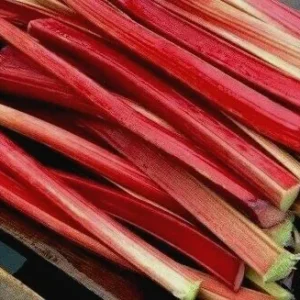
Original price was: $19.00.$9.50Current price is: $9.50.
-50%
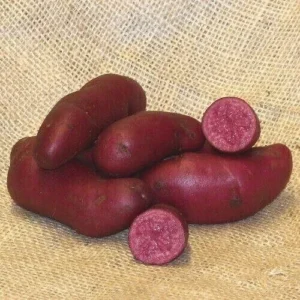

Original price was: $39.96.$19.98Current price is: $19.98.
-50%
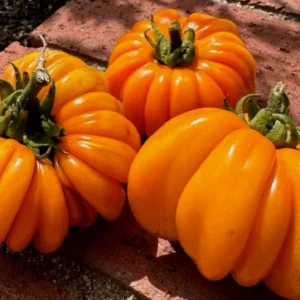

Original price was: $15.00.$7.50Current price is: $7.50.
-50%
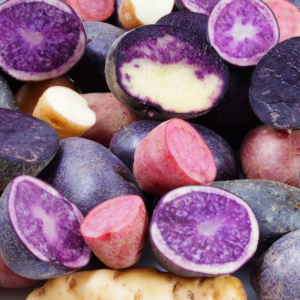
Original price was: $51.96.$25.98Current price is: $25.98.
-50%
Original price was: $39.96.$19.98Current price is: $19.98.
-50%
Original price was: $59.96.$29.98Current price is: $29.98.
-48%
Original price was: $28.99.$14.99Current price is: $14.99.
PLANTING & CARE

Growing Glencoe Raspberry: A Complete Guide for Gardeners
If you’re looking to add something unique to your garden, look no further than the
31
Mar
Mar

The Comprehensive Guide to Growing Bay Leaf Plants for a Flavorful Garden
Imagine stepping into your garden, greeted by the earthy aroma of fresh bay leaves, their
09
Feb
Feb

How to Make Comfrey Tea: The Ultimate Organic Plant Food
Growing an organic garden can be surprisingly expensive, especially when most store-bought fertilizers come in
02
Feb
Feb

True Comfrey: 7 Essential Tips Before You Plant This Herb
A staple in permaculture practices across the US, True Comfrey easily earns its reputation as
27
Jan
Jan

7 Heart-Shaped Plants for a Lasting Valentine’s Gift
If you’ve ever bought a bouquet of roses for Valentine’s Day, you know they are
26
Jan
Jan

Best Types of Ivy Plant for Houses: How to Choose the Perfect Ones for Your Home
Are you a garden lover looking to introduce some greenery into your home? Maybe you’ve
14
Nov
Nov

When to Harvest Garlic (Especially Fall-Planted Garlic)
TIMING IS EVERYTHING, they say – and for garlic, that truth hits with surprising accuracy.
13
Nov
Nov

11 of the Best Sweet Potato Varieties to Grow for Your Garden
If you’ve ever tried growing sweet potatoes, you know that picking the right variety can
12
Nov
Nov