Parsnip Seeds Harris Early Model – 200+ Vegetable Garden Seeds for Culinary Use, Outdoor
-50%



Parsnip Seeds Harris Early Model – 200+ Vegetable Garden Seeds for Culinary Use, Outdoor
Cultivate your own delicious root vegetables with over 200 parsnip seeds, Harris Early Model parsnip seeds. These high-quality vegetable seeds are perfect for outdoor gardens, offering a rewarding culinary harvest. Enjoy fresh, homegrown parsnips with ease.
Original price was: $8.52.$4.26Current price is: $4.26.

With our Alive & Thrive Guarantee, we’ve got your back for the first 30 days! If you have any concerns about your plants, just reach out to us. Our team is here to help answer your questions and guide you in selecting the best plants for your garden, climate, and unique preferences. We're excited to help you create the garden of your dreams!
Estimated arrival
Apr 03
Apr 08 - Apr 10
Apr 13 - Apr 17



Product Details
-
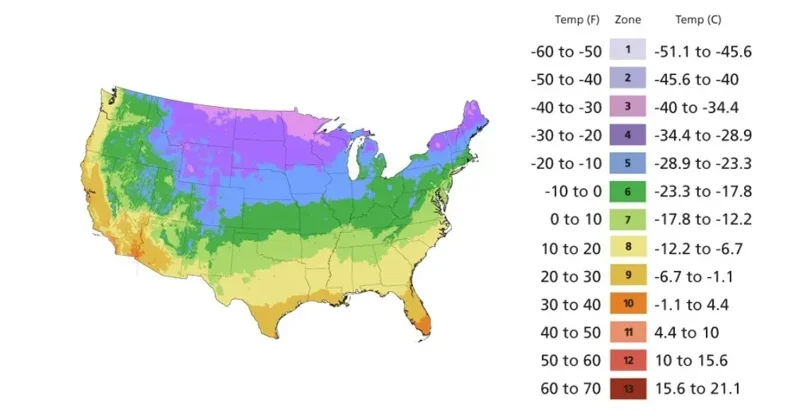
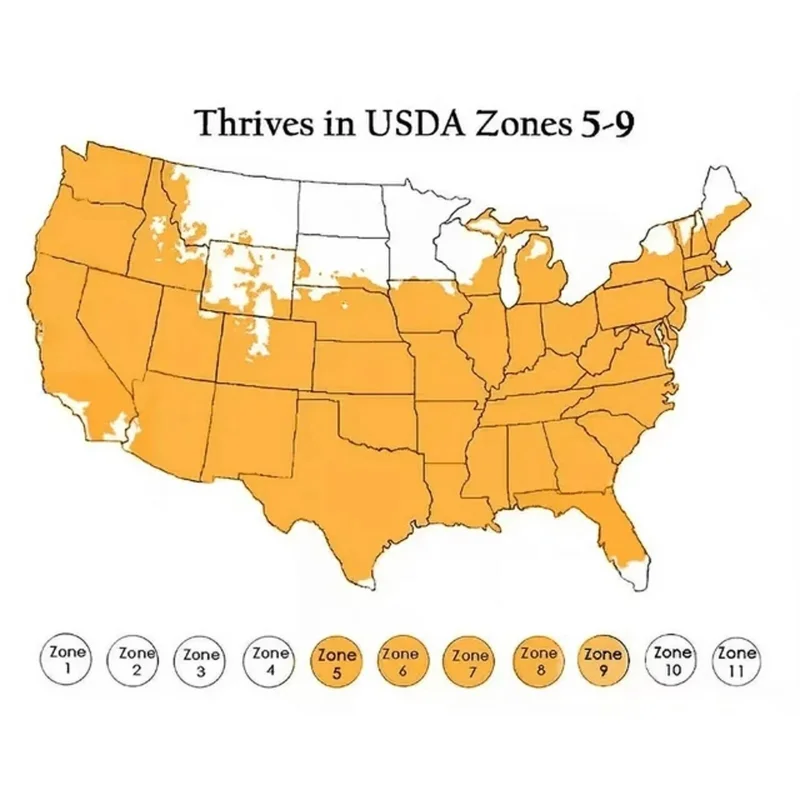
USDA Hardiness Zone
unknown -
Soil type
Loamy, well-draining soil -
Sunlight Exposure
Full Sun -
Expected Planting Period
Early Spring
Overview
Embark on a rewarding gardening journey with our premium selection of over 200 parsnip seeds, specifically the renowned Harris Early Model variety. These high-quality vegetable seeds are carefully chosen for their robust growth and delicious flavor, making them an excellent addition to any home garden. Parsnips, scientifically known as Pastinaca sativa, are root vegetables closely related to carrots, known for their sweet, earthy flavor that intensifies after a touch of frost. The Harris Early Model is celebrated for its early maturity and reliable performance, providing bountiful harvests of tender, flavorful roots. Whether you’re a seasoned gardener or just starting out, growing your own parsnip vegetable seeds offers the satisfaction of fresh, organic produce right from your backyard. These seeds are perfect for creating a vibrant and productive culinary space, bringing the joy of farm-to-table dining to your home.
Key Benefits
Our parsnip seeds offer numerous advantages for the home gardener and culinary enthusiast alike:
- Exceptional Flavor: The Harris Early Model variety is known for producing roots with a rich, sweet, and nutty flavor that is often enhanced after exposure to cool temperatures. These parsnips are perfect for roasting, soups, stews, or purees, adding a gourmet touch to your meals.
- High Yielding: With over 200 seeds, you can anticipate a generous harvest, providing plenty of fresh parsnips for your family and perhaps even some to share. This variety is selected for its prolific production, ensuring a satisfying yield from your efforts.
- Early Maturity: As the name suggests, the Harris Early Model matures quicker than many other parsnip varieties, allowing you to enjoy your homegrown vegetables sooner. This makes it an excellent choice for gardeners looking for efficient crop rotation.
- Versatile Culinary Use: Beyond their delightful taste, these culinary parsnip roots are incredibly versatile in the kitchen. They can be baked, boiled, fried, mashed, or even eaten raw, offering a healthy and delicious alternative to potatoes or carrots.
- Easy to Grow: Parsnips are relatively easy to cultivate, making them suitable for gardeners of all experience levels. With proper soil preparation and consistent care, you can successfully grow parsnips that are both healthy and delicious.
- Nutrient-Rich: Parsnips are packed with essential vitamins and minerals, including Vitamin C, Vitamin K, folate, and dietary fiber, contributing to a healthy diet. Growing your own ensures you have access to fresh, wholesome produce.
- Outdoor Garden Essential: These seeds thrive in outdoor garden settings, making them a perfect choice for expanding your vegetable patch and enjoying the benefits of fresh, homegrown produce.
Plant Care & Growing Tips
Successfully growing parsnip seeds requires attention to a few key environmental factors to ensure a healthy and abundant harvest. Parsnips prefer a long, cool growing season and deep, well-drained soil. They are outdoor plants and thrive in full sun, requiring at least 6-8 hours of direct sunlight per day. Prepare your garden bed by loosening the soil deeply, ideally to about 12-18 inches, to accommodate the long taproots. Remove any rocks or debris that could cause the roots to fork. Incorporate organic matter, such as compost, to improve soil structure and fertility. Parsnips prefer a slightly acidic to neutral soil pH, ideally between 6.0 and 7.0. While they are adaptable, a balanced soil environment will lead to the best results when you grow parsnips.
Watering is crucial, especially during germination and dry spells. Keep the soil consistently moist but not waterlogged. Once established, parsnips are somewhat drought-tolerant but will produce larger, more tender roots with regular watering. Fertilize sparingly; too much nitrogen can encourage leafy growth at the expense of root development. A balanced, all-purpose fertilizer can be applied once the plants are established. The optimal time to plant Harris Early Model parsnip seeds is in early spring, as soon as the soil can be worked. They can be slow to germinate, so be patient. Thin seedlings to 3-6 inches apart once they are a few inches tall to allow for proper root development. For best flavor, harvest parsnips after the first few frosts, as cold temperatures convert starches into sugars, enhancing their sweetness. You’ll find that cultivating these parsnip vegetable seeds is a rewarding experience, leading to a delightful harvest.
Size & Details
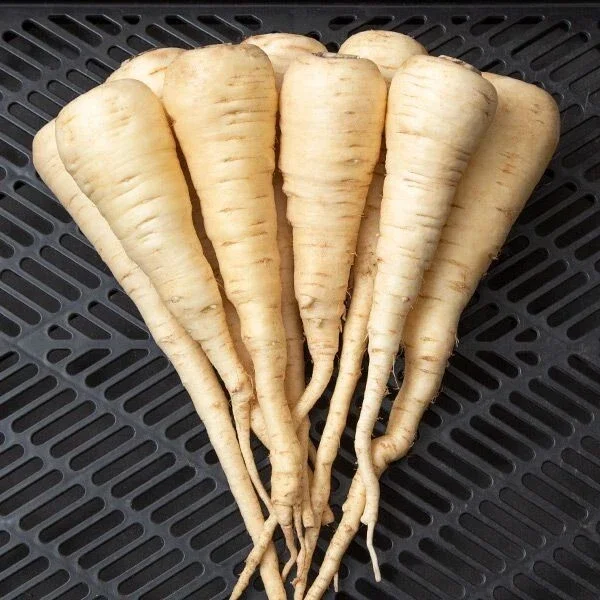
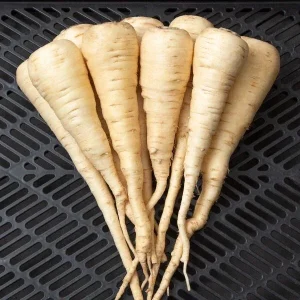
This package contains over 200 parsnip seeds of the Harris Early Model variety, providing ample opportunity for a successful and generous harvest. Each seed is carefully selected to ensure high germination rates, giving your garden the best possible start. Parsnip plants typically grow to a height of 12-18 inches with a spread of 6-12 inches, while the edible roots can reach lengths of 8-12 inches, depending on growing conditions and soil depth. These seeds are designed for outdoor planting and will develop into annual plants, completing their life cycle within one growing season. With consistent care, expect to begin harvesting your delicious culinary parsnip roots approximately 100-120 days after planting. The roots typically grow into a conical shape, broadening at the top and tapering towards the bottom. They are shipped as a packet of high-quality seeds, ready for direct sowing into your garden bed.
Frequently Asked Questions
- Q: How big do these parsnip plants get? A: Parsnip plants typically reach a height of 12-18 inches with a foliage spread of 6-12 inches. The edible roots of the Harris Early Model parsnip seeds can grow to be 8-12 inches long, depending on soil conditions and care.
- Q: Is this an indoor or outdoor plant? A: Parsnips are outdoor plants. These parsnip seeds are best sown directly into your garden bed and require ample sunlight and space to develop their root systems properly.
- Q: How much sunlight do parsnip seeds need? A: Parsnips thrive in full sun, meaning they need at least 6-8 hours of direct sunlight per day to grow vigorously and produce healthy roots.
- Q: Is this plant easy to care for? A: Parsnips are considered relatively easy to care for, making them suitable for beginners. Key requirements include deep, loose soil, consistent moisture, and thinning seedlings. Learning to grow parsnips is a straightforward process.
- Q: What condition will the seeds arrive in? A: The product will arrive as a packet containing over 200 high-quality parsnip vegetable seeds, ready for planting. They are packaged to ensure viability and freshness upon arrival.
- Q: When is the best time to plant parsnip seeds? A: The ideal time to plant parsnip seeds is in early spring, as soon as the soil can be worked. They prefer cool soil for germination and a long growing season.
- Q: What is the ideal soil type for growing parsnips? A: Parsnips prefer deep, loose, well-draining soil that is free of rocks and debris. A loamy soil enriched with organic matter provides the best environment for their long taproots to develop.
- Q: Can I use these parsnips for cooking? A: Absolutely! These culinary parsnip seeds are specifically chosen for their excellent flavor profile, making the harvested roots perfect for a wide range of culinary applications, including roasting, soups, and stews.
- Q: How long until parsnips are ready to harvest? A: The Harris Early Model parsnips typically mature and are ready for harvest approximately 100-120 days after planting. For enhanced sweetness, it’s often recommended to harvest them after the first few frosts.
- Q: Is fertilization necessary for parsnips? A: Fertilize sparingly. While parsnips benefit from fertile soil, too much nitrogen can promote leafy growth over root development. A balanced, all-purpose fertilizer can be applied once plants are established.
Related products
-50%
Original price was: $15.96.$7.98Current price is: $7.98.
-50%
Original price was: $19.00.$9.50Current price is: $9.50.
-50%

Original price was: $59.96.$29.98Current price is: $29.98.
-50%

Original price was: $11.00.$5.50Current price is: $5.50.
-50%


Original price was: $19.96.$9.98Current price is: $9.98.
-50%
Original price was: $15.96.$7.98Current price is: $7.98.
-50%
Original price was: $15.96.$7.98Current price is: $7.98.
-48%
Original price was: $28.99.$14.99Current price is: $14.99.
PLANTING & CARE

Growing Glencoe Raspberry: A Complete Guide for Gardeners
If you’re looking to add something unique to your garden, look no further than the
31
Mar
Mar

The Comprehensive Guide to Growing Bay Leaf Plants for a Flavorful Garden
Imagine stepping into your garden, greeted by the earthy aroma of fresh bay leaves, their
09
Feb
Feb

How to Make Comfrey Tea: The Ultimate Organic Plant Food
Growing an organic garden can be surprisingly expensive, especially when most store-bought fertilizers come in
02
Feb
Feb

True Comfrey: 7 Essential Tips Before You Plant This Herb
A staple in permaculture practices across the US, True Comfrey easily earns its reputation as
27
Jan
Jan

7 Heart-Shaped Plants for a Lasting Valentine’s Gift
If you’ve ever bought a bouquet of roses for Valentine’s Day, you know they are
26
Jan
Jan

Best Types of Ivy Plant for Houses: How to Choose the Perfect Ones for Your Home
Are you a garden lover looking to introduce some greenery into your home? Maybe you’ve
14
Nov
Nov

When to Harvest Garlic (Especially Fall-Planted Garlic)
TIMING IS EVERYTHING, they say – and for garlic, that truth hits with surprising accuracy.
13
Nov
Nov

11 of the Best Sweet Potato Varieties to Grow for Your Garden
If you’ve ever tried growing sweet potatoes, you know that picking the right variety can
12
Nov
Nov