Elephant Garlic Seeds – Fresh Harvest, USA Grown – Easy to Plant Perennial
-50%
Elephant Garlic Seeds – Fresh Harvest, USA Grown – Easy to Plant Perennial
Cultivate robust and flavorful elephant garlic seeds in your home garden. These USA garlic seeds are freshly harvested, ensuring high germination rates for a bountiful yield. Ideal for both indoor and outdoor cultivation, these perennial garlic seeds offer an easy-to-grow option for gardeners of all skill levels.
From Original price was: $8.12.$4.06Current price is: $4.06.

With our Alive & Thrive Guarantee, we’ve got your back for the first 30 days! If you have any concerns about your plants, just reach out to us. Our team is here to help answer your questions and guide you in selecting the best plants for your garden, climate, and unique preferences. We're excited to help you create the garden of your dreams!
Estimated arrival
Apr 03
Apr 08 - Apr 10
Apr 13 - Apr 17



Product Details
-
USDA Hardiness Zone
USDA zones 3-9 -
Soil type
Well-draining, fertile, slightly alkaline soil -
Sunlight Exposure
Full sun -
Expected Planting Period
Early spring or fall
Overview
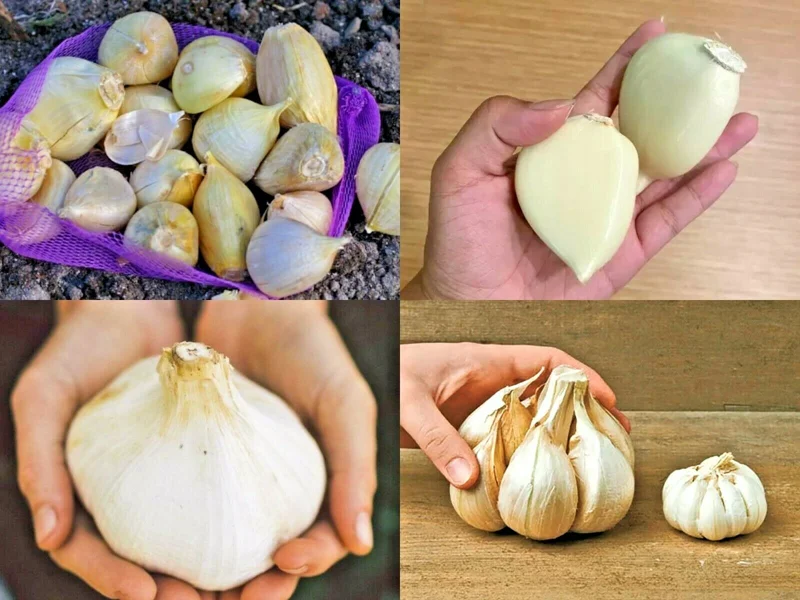
Embark on a rewarding gardening journey with our premium elephant garlic seeds, freshly harvested and ready for planting. Often mistaken for a true garlic, elephant garlic is actually a type of leek (Allium ampeloprasum) that produces large, mild-flavored cloves. These substantial bulbs are a culinary delight, perfect for roasting, grilling, or adding a gentle garlic essence to your favorite dishes. Our USA garlic seeds are sourced from healthy, robust plants, ensuring you receive the highest quality starting material for your garden. Whether you’re an experienced gardener or just beginning, learning to grow elephant garlic from seed is a straightforward and satisfying endeavor that yields impressive results. The unique characteristics of elephant garlic make it a fantastic addition to any vegetable patch, offering both visual appeal and gastronomic pleasure.
Unlike traditional garlic, which is typically planted from cloves, these elephant garlic seeds allow you to start your crop from the very beginning, giving you full control over the growing process. The resulting plants are hardy and resilient, thriving in a variety of climates. With proper care, you’ll be able to enjoy a fresh, homegrown supply of this versatile vegetable. Prepare to transform your garden into a productive and flavorful haven with these exceptional seeds.
Key Benefits
Choosing to plant our elephant garlic seeds offers a multitude of benefits for both your garden and your kitchen. These seeds provide an excellent opportunity to cultivate a unique and delicious crop that stands out from standard garlic varieties.
- Large, Mild-Flavored Bulbs: Enjoy significantly larger cloves compared to regular garlic, possessing a milder, sweeter flavor profile that’s less pungent and more versatile for cooking. This makes it a favorite for those who appreciate a subtle garlic taste.
- Easy to Grow: Elephant garlic is known for its relatively easy cultivation, making it suitable for gardeners of all experience levels. The seeds germinate reliably, and the plants are generally robust.
- Versatile Culinary Use: The mild flavor of elephant garlic makes it excellent for roasting whole, slicing into salads, or incorporating into dishes where a delicate garlic note is desired. It’s a fantastic substitute for onions or leeks.
- Long Storage Life: Once harvested and properly cured, elephant garlic bulbs can be stored for several months, providing a continuous supply of fresh produce from your garden.
- Attractive Garden Addition: Beyond its edible qualities, the tall stalks and impressive flower heads of elephant garlic add an ornamental touch to your garden landscape.
- Perennial Growth: As perennial garlic seeds, these plants can return year after year if left undisturbed, providing ongoing harvests with minimal effort. This makes them a sustainable choice for long-term gardening.
- Healthy and Nutritious: Like other alliums, elephant garlic is packed with vitamins and minerals, contributing to a healthy diet. Learning to grow elephant garlic at home ensures you have fresh, chemical-free produce.
Plant Care & Growing Tips
Successfully cultivating elephant garlic seeds requires attention to a few key growing conditions. Elephant garlic thrives in well-draining soil and prefers a sunny location. Plant your seeds in early spring or fall, about 1 inch deep and 6-8 inches apart, in rows that are at least 12 inches apart. Ensure the soil remains consistently moist, especially during germination and the initial growth phases. While considered drought-resistant once established, regular watering promotes larger, healthier bulbs. Aim for about 1 inch of water per week, either from rainfall or irrigation, particularly during dry spells.
For optimal growth, elephant garlic planting benefits from fertile, slightly alkaline soil (pH 6.0-7.5) rich in organic matter. Amend heavy clay soils with compost or sand to improve drainage. Full sun exposure, meaning at least 6-8 hours of direct sunlight daily, is crucial for developing large bulbs. Fertilize your plants with a balanced, all-purpose granular fertilizer or compost tea every 4-6 weeks during the growing season. Protect young plants from extreme cold with a layer of mulch if planting in late fall. Common pests are generally minimal, but watch for aphids and use organic pest control methods if necessary. Harvesting typically occurs in mid-summer when the lower leaves start to yellow and fall over. Dig carefully to avoid damaging the bulbs, then cure them in a warm, dry, well-ventilated area for 2-3 weeks before storing. These USA garlic seeds are accustomed to American climates, making them a reliable choice for your garden.
Size & Details
These elephant garlic seeds are offered in various quantities, allowing you to choose the perfect amount for your garden size and planting ambitions. Each seed promises the potential for a robust plant that typically produces a single large bulb in its first year, sometimes followed by smaller cloves in subsequent years if left as perennial garlic seeds. When mature, elephant garlic bulbs can reach impressive sizes, often weighing several ounces each, with individual cloves being much larger than those of standard garlic. The plants themselves can grow quite tall, reaching heights of 2-3 feet with dramatic flowering stalks. Seeds are shipped in protective packaging to ensure their viability upon arrival, ready for immediate planting. Expect germination within 2-3 weeks under ideal conditions, with full harvest typically occurring within 90-120 days from planting. A comprehensive growing guide is included to assist you in successfully establishing and nurturing your elephant garlic crop.
Frequently Asked Questions
- Q: How big does this plant get? A: A mature elephant garlic plant can reach heights of 2-3 feet, with the bulbs themselves growing significantly larger than regular garlic, often weighing several ounces each.
- Q: What size pot does it come in? A: This product consists of elephant garlic seeds, not a potted plant. You will receive a packet of seeds to start your own plants.
- Q: Is this an indoor or outdoor plant? A: Elephant garlic is primarily an outdoor plant, thriving in garden beds. However, it can be started indoors in containers before transplanting.
- Q: How much sunlight does it need? A: Elephant garlic requires full sun exposure, meaning at least 6-8 hours of direct sunlight per day, for optimal growth and bulb development.
- Q: Is this plant easy to care for? A: Yes, elephant garlic planting is considered relatively easy, making it a good choice for both novice and experienced gardeners. It’s quite forgiving once established.
- Q: Is it good for beginners? A: Absolutely! Its robust nature and straightforward growing requirements make it an excellent vegetable for beginners looking to cultivate their own produce.
- Q: What condition will it arrive in? A: Your elephant garlic seeds will arrive fresh and carefully packaged to ensure their viability and readiness for planting.
- Q: Is it shipped in soil? A: No, this product is solely for seeds and does not include soil. You will receive a packet of seeds.
- Q: Can I use elephant garlic in cooking? A: Yes, elephant garlic is highly prized for its culinary uses. Its mild flavor is perfect for roasting, grilling, and adding a subtle garlic taste to many dishes.
- Q: Is it pet-safe? A: Like all members of the Allium family, elephant garlic can be toxic to pets if ingested. It’s best to keep plants and bulbs out of reach of curious animals.
- Q: How long until it blooms? A: Elephant garlic typically produces flower stalks in its second year if left in the ground. The edible bulbs are usually harvested in the first year.
- Q: When is the best time to plant? A: The ideal times for elephant garlic planting are in early spring or in the fall, depending on your climate zone.
- Q: Will it survive winter in my zone? A: Elephant garlic is quite hardy and can survive winters in many USDA zones, especially if mulched. It behaves as a perennial in suitable climates.
- Q: What’s the minimum temperature? A: Elephant garlic can tolerate cold temperatures, generally surviving down to USDA zone 3 with proper mulching.
| Options | 1 Bulb, 1 Clove, 100 Seeds, 2 Cloves, 25 Seeds, 250 Seeds, 50 Seeds |
|---|
Related products
-50%
Original price was: $15.96.$7.98Current price is: $7.98.
-48%
Original price was: $28.99.$14.99Current price is: $14.99.
-50%
Original price was: $39.96.$19.98Current price is: $19.98.
-48%
Original price was: $28.99.$14.99Current price is: $14.99.
-48%
Original price was: $28.99.$14.99Current price is: $14.99.
-50%
Original price was: $15.96.$7.98Current price is: $7.98.
-50%
Original price was: $15.96.$7.98Current price is: $7.98.
-48%
Original price was: $28.99.$14.99Current price is: $14.99.
PLANTING & CARE

Growing Glencoe Raspberry: A Complete Guide for Gardeners
If you’re looking to add something unique to your garden, look no further than the
31
Mar
Mar

The Comprehensive Guide to Growing Bay Leaf Plants for a Flavorful Garden
Imagine stepping into your garden, greeted by the earthy aroma of fresh bay leaves, their
09
Feb
Feb

How to Make Comfrey Tea: The Ultimate Organic Plant Food
Growing an organic garden can be surprisingly expensive, especially when most store-bought fertilizers come in
02
Feb
Feb

True Comfrey: 7 Essential Tips Before You Plant This Herb
A staple in permaculture practices across the US, True Comfrey easily earns its reputation as
27
Jan
Jan

7 Heart-Shaped Plants for a Lasting Valentine’s Gift
If you’ve ever bought a bouquet of roses for Valentine’s Day, you know they are
26
Jan
Jan

Best Types of Ivy Plant for Houses: How to Choose the Perfect Ones for Your Home
Are you a garden lover looking to introduce some greenery into your home? Maybe you’ve
14
Nov
Nov

When to Harvest Garlic (Especially Fall-Planted Garlic)
TIMING IS EVERYTHING, they say – and for garlic, that truth hits with surprising accuracy.
13
Nov
Nov

11 of the Best Sweet Potato Varieties to Grow for Your Garden
If you’ve ever tried growing sweet potatoes, you know that picking the right variety can
12
Nov
Nov