Lemongrass Seeds – 300+ Fresh Non-GMO Lemon Grass Seeds for Indoor & Outdoor Garden
-50%
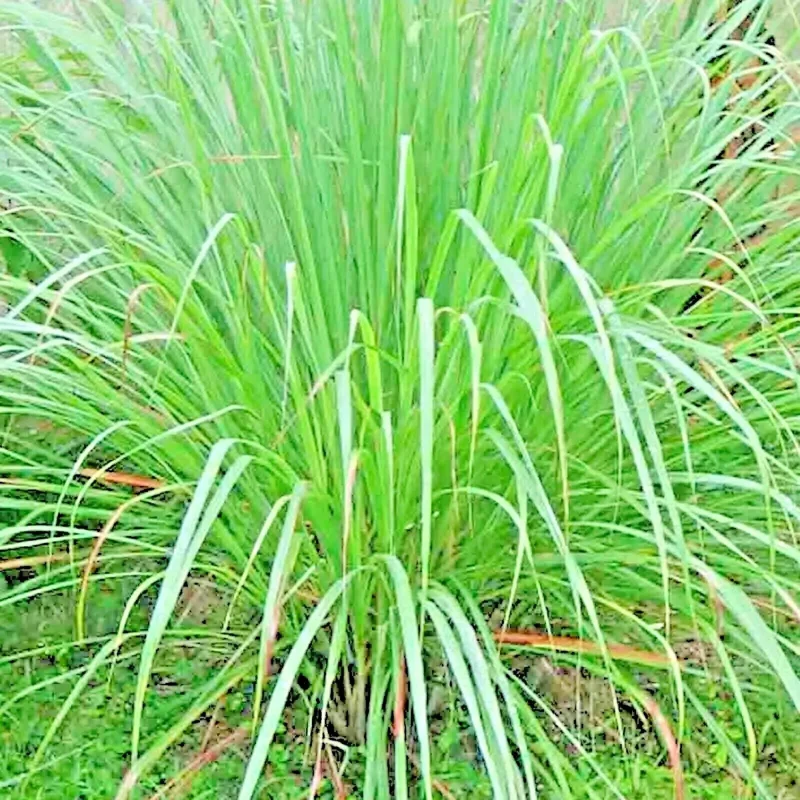
Lemongrass Seeds – 300+ Fresh Non-GMO Lemon Grass Seeds for Indoor & Outdoor Garden
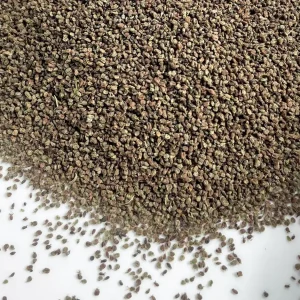
Cultivate aromatic lemongrass effortlessly with this pack of 300+ fresh non-GMO lemon grass seeds. Ideal for both indoor and outdoor gardening, these versatile seeds produce robust plants perfect for culinary, medicinal, and ornamental purposes.
Original price was: $14.76.$7.38Current price is: $7.38.

With our Alive & Thrive Guarantee, we’ve got your back for the first 30 days! If you have any concerns about your plants, just reach out to us. Our team is here to help answer your questions and guide you in selecting the best plants for your garden, climate, and unique preferences. We're excited to help you create the garden of your dreams!
Estimated arrival
Apr 03
Apr 08 - Apr 10
Apr 13 - Apr 17
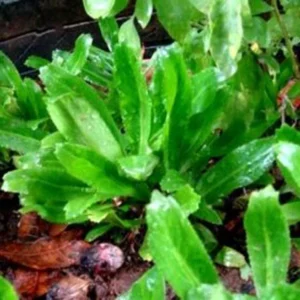

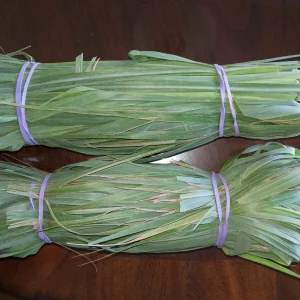
Product Details
-
USDA Hardiness Zone
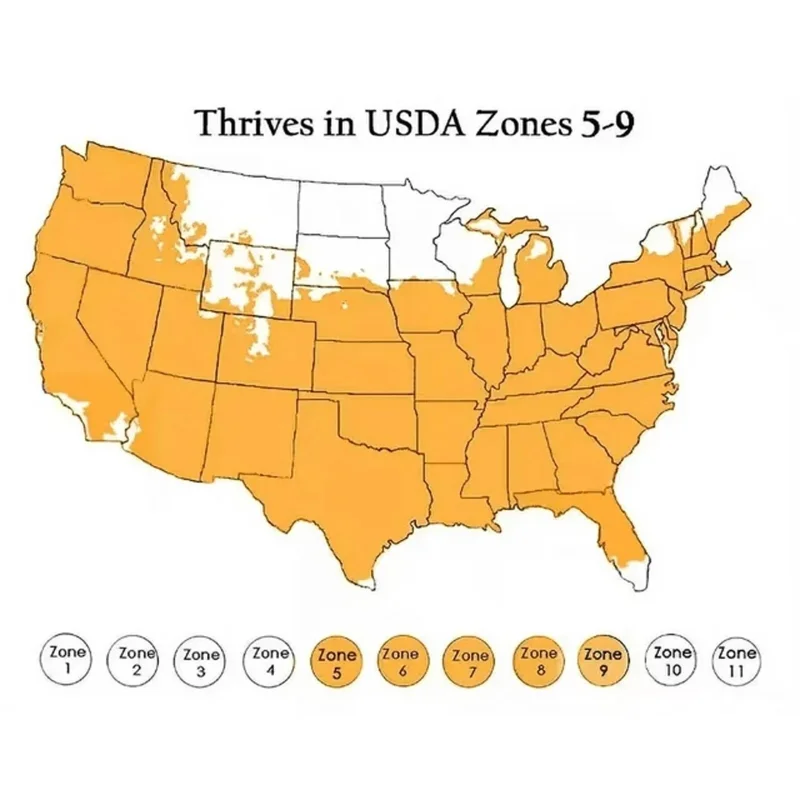
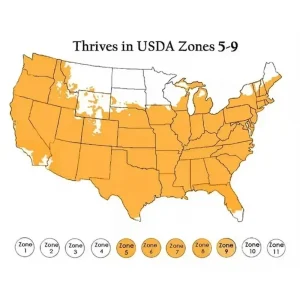
USDA zones 9-11 (as a perennial), otherwise grown as an annual or indoors -
Soil type
Loam, Peat, Sand, Silt; well-draining soil -
Sunlight Exposure
Full Sun, Medium Sun -
Expected Planting Period
Spring to early summer (after last frost)
Overview
Embark on a rewarding gardening journey with our premium selection of lemongrass seeds. This generous packet contains over 300+ fresh non-GMO lemon grass seeds, ensuring a bountiful harvest of this wonderfully fragrant and versatile herb. Lemongrass, scientifically known as Cymbopogon flexuosus, is a tender perennial grass celebrated for its distinct citrusy aroma and flavor. Whether you’re a seasoned gardener or just starting out, these high-quality seeds are perfect for cultivating your own supply of this essential plant, offering both beauty and utility to your home garden. Grow lemongrass easily from seed and enjoy its many benefits.
Key Benefits
Growing your own lemongrass plant from seed offers numerous advantages, transforming your garden and kitchen. Discover the compelling reasons to add these exceptional seeds to your collection:
- Culinary Excellence: Fresh lemon grass adds an unparalleled zesty, lemony flavor to Asian cuisine, teas, soups, and curries, elevating your cooking with its unique aromatic profile.
- Natural Pest Repellent: The strong citrus scent of lemongrass is a natural deterrent for mosquitoes and other pests, making it an excellent choice for planting around patios and outdoor living spaces.
- Medicinal Properties: Traditionally used in herbal remedies, lemongrass is known for its potential anti-inflammatory and antioxidant benefits, often brewed into soothing teas.
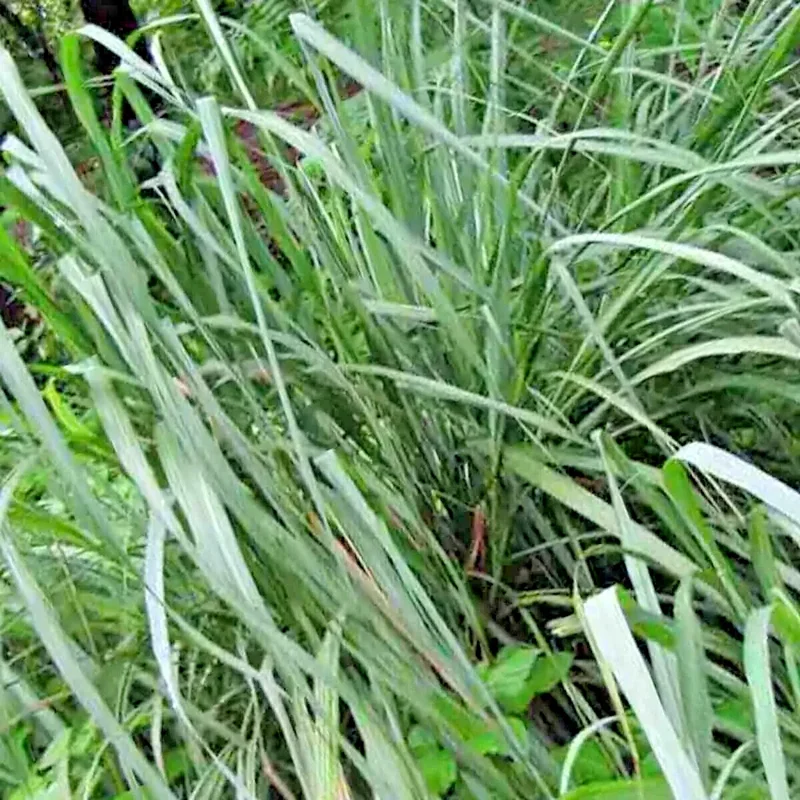
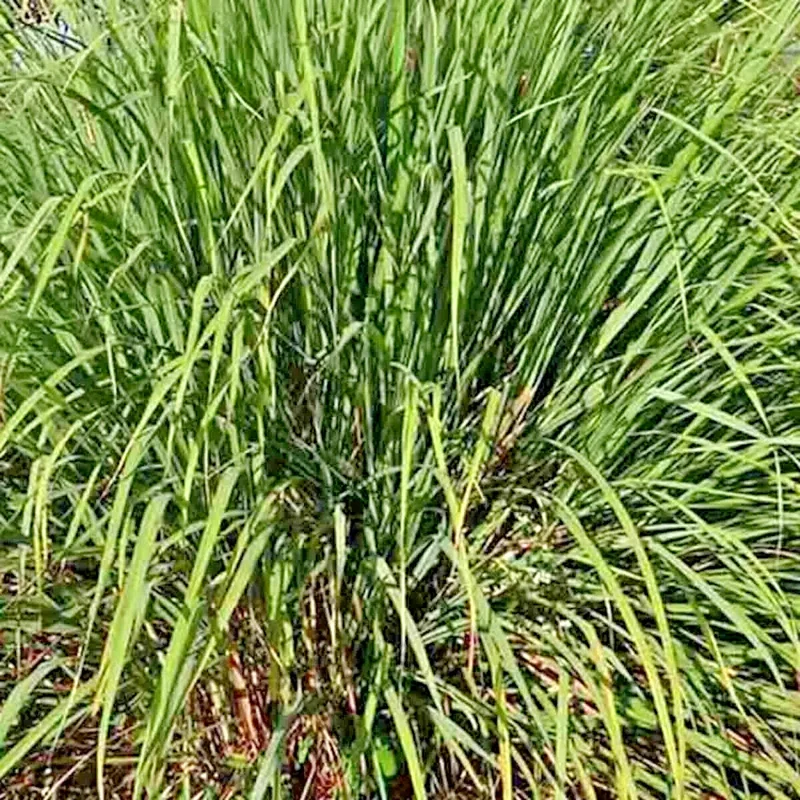
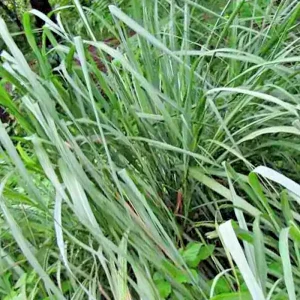
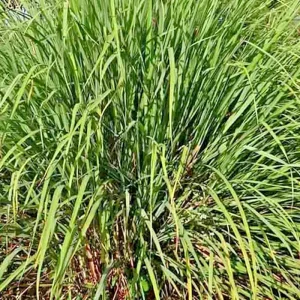
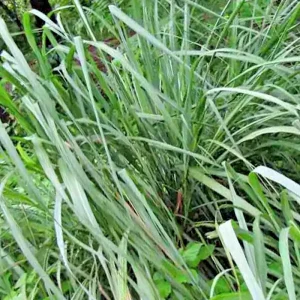
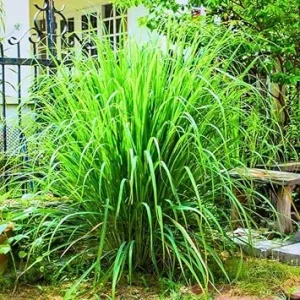
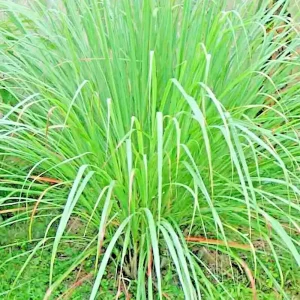
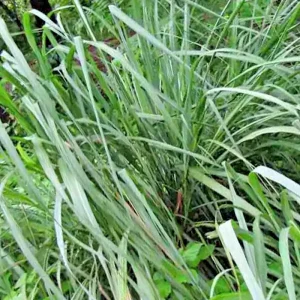
- Aromatic & Ornamental: With its graceful, clumping growth habit and semi-evergreen foliage, lemongrass makes an attractive addition to garden beds, borders, or containers, releasing a refreshing scent.
- Air Purifying Qualities: Like many plants, lemongrass contributes to improved air quality, helping to filter pollutants and create a healthier indoor or outdoor environment.
- Easy to Grow: These lemongrass seeds are easy to cultivate, making them suitable for gardeners of all experience levels. With minimal care, you can enjoy robust growth and a plentiful supply.
- Non-GMO & Heirloom: Our seeds are fresh, non-GMO, and heirloom quality, ensuring you’re planting a natural and sustainable product that will produce true-to-type plants.
Plant Care & Growing Tips
Cultivating lemongrass from seed is a straightforward process that yields rewarding results. These seeds thrive in specific conditions, ensuring robust growth and a healthy lemongrass plant. For best germination, sow lemongrass seeds indoors 5-6 weeks before the last frost date. Lightly cover the seeds with soil and keep them consistently moist. Once seedlings are strong enough and outdoor temperatures are reliably warm, transplant them to their final location. The ideal planting time is typically in spring to early summer, allowing the plant ample time to establish itself before cooler weather.
Lemongrass prefers a location with full sun to medium sun, ideally receiving at least 6-8 hours of direct sunlight per day. While it can tolerate some partial shade, abundant sunlight encourages vigorous growth and stronger aroma. The plant thrives in well-draining soil, with a preference for a pH range of 5.5-7.5. Good soil types include loam, peat, sand, or silt. Ensure excellent drainage to prevent root rot. Watering should be medium; keep the soil consistently moist but not waterlogged. Allow the top inch of soil to dry out slightly between waterings. Fertilize every 4-6 weeks during the growing season with a balanced liquid fertilizer to support healthy foliage development. Cymbopogon flexuosus is a tender perennial, meaning it may not survive harsh winters in colder climates (USDA Zones 9-11 are generally ideal for outdoor perennial growth). In cooler regions, it can be grown as an annual or brought indoors for winter.
Common problems include overwatering, which can lead to root rot, and insufficient sunlight, resulting in leggy growth. Pests are generally not a significant issue due to the plant’s natural pest-repelling properties, but occasional monitoring for common garden pests is always recommended. With these simple care guidelines, you’ll be well on your way to a thriving lemongrass harvest.
Size & Details
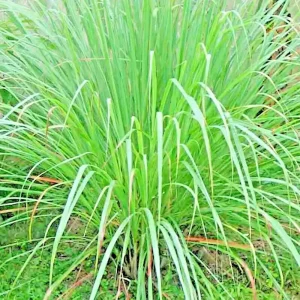
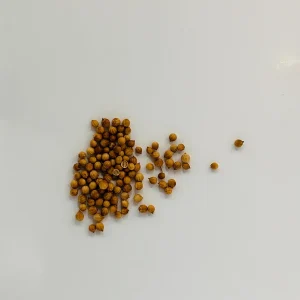
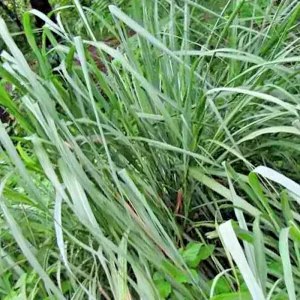
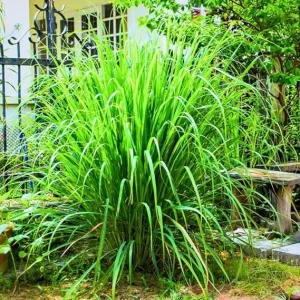
This packet contains over 300+ fresh non-GMO lemon grass seeds, providing an ample supply for multiple planting cycles or a large garden. Lemongrass typically grows as a clumping grass, reaching heights of 3-5 feet and a spread of 2-3 feet when mature, depending on growing conditions and climate. The foliage is semi-evergreen, maintaining its vibrant green color for much of the year in suitable climates. These seeds are designed for easy cultivation, and with proper care, you can expect germination within 10-21 days. The plants will develop quickly, offering harvestable stalks within 3-4 months of planting. You can harvest the outer stalks as needed, allowing the plant to continue producing throughout the growing season. The lemongrass plant is a fast-growing addition to any garden.
Frequently Asked Questions
- Q: How big does this plant get? A: A mature lemongrass plant typically grows to be about 3-5 feet tall and 2-3 feet wide, forming a dense clump of attractive, semi-evergreen foliage. Its size can vary based on growing conditions and climate.
- Q: Is this an indoor or outdoor plant? A: Lemongrass can be grown both indoors and outdoors. It thrives outdoors in warm climates (USDA Zones 9-11) as a tender perennial, and can be grown as an annual or overwintered indoors in cooler regions.
- Q: How much sunlight does it need? A: For optimal growth and aroma, lemongrass requires full sun to medium sun, meaning at least 6-8 hours of direct sunlight per day. It can tolerate partial shade but may not grow as vigorously.
- Q: Is this plant easy to care for? A: Yes, lemongrass is considered an easy-to-grow plant, making these lemongrass seeds suitable for beginners. It requires consistent moisture, good drainage, and plenty of sunlight.
- Q: What condition will the seeds arrive in? A: The 300+ fresh non-GMO lemon grass seeds will arrive securely packaged to ensure their viability and freshness, ready for planting upon arrival.
- Q: Can I use lemongrass in cooking? A: Absolutely! Lemongrass is a staple in many cuisines, especially Asian dishes. Its stalks are used to impart a fresh, lemony flavor to teas, soups, curries, and stir-fries.
- Q: When is the best time to plant these seeds? A: The best time to plant lemongrass seeds is in late winter or early spring indoors, about 5-6 weeks before the last expected frost. Transplant outdoors after all danger of frost has passed.
- Q: What are the main uses of lemongrass? A: The primary uses for the lemongrass plant include culinary flavoring, herbal teas for medicinal benefits, and as a natural insect repellent, particularly for mosquitoes, due to its citronella content.
- Q: Is this the same as Cymbopogon flexuosus? A: Yes, these lemongrass seeds are from the species Cymbopogon flexuosus, known for its strong aromatic qualities and common use in culinary and essential oil applications.
- Q: What kind of soil is best for growing lemongrass? A: Lemongrass prefers well-draining soil with a pH between 5.5 and 7.5. A good quality potting mix amended with compost or a blend of loam, peat, sand, or silt works well.
Related products
-50%
Original price was: $44.78.$22.39Current price is: $22.39.
-50%
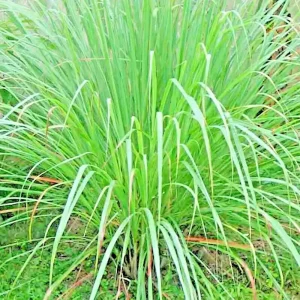
Original price was: $8.12.$4.06Current price is: $4.06.
-50%
From Original price was: $64.00.$32.00Current price is: $32.00.
-50%
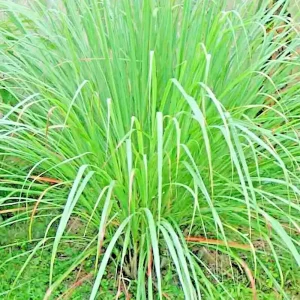
Original price was: $8.12.$4.06Current price is: $4.06.
-50%
Original price was: $26.76.$13.38Current price is: $13.38.
PLANTING & CARE

Growing Glencoe Raspberry: A Complete Guide for Gardeners
If you’re looking to add something unique to your garden, look no further than the
31
Mar
Mar

The Comprehensive Guide to Growing Bay Leaf Plants for a Flavorful Garden
Imagine stepping into your garden, greeted by the earthy aroma of fresh bay leaves, their
09
Feb
Feb

How to Make Comfrey Tea: The Ultimate Organic Plant Food
Growing an organic garden can be surprisingly expensive, especially when most store-bought fertilizers come in
02
Feb
Feb

True Comfrey: 7 Essential Tips Before You Plant This Herb
A staple in permaculture practices across the US, True Comfrey easily earns its reputation as
27
Jan
Jan

7 Heart-Shaped Plants for a Lasting Valentine’s Gift
If you’ve ever bought a bouquet of roses for Valentine’s Day, you know they are
26
Jan
Jan

Best Types of Ivy Plant for Houses: How to Choose the Perfect Ones for Your Home
Are you a garden lover looking to introduce some greenery into your home? Maybe you’ve
14
Nov
Nov

When to Harvest Garlic (Especially Fall-Planted Garlic)
TIMING IS EVERYTHING, they say – and for garlic, that truth hits with surprising accuracy.
13
Nov
Nov

11 of the Best Sweet Potato Varieties to Grow for Your Garden
If you’ve ever tried growing sweet potatoes, you know that picking the right variety can
12
Nov
Nov