10 Fresh Turmeric Root Plants – Curcuma longa Live Rhizomes for Planting
-50%












10 Fresh Turmeric Root Plants – Curcuma longa Live Rhizomes for Planting
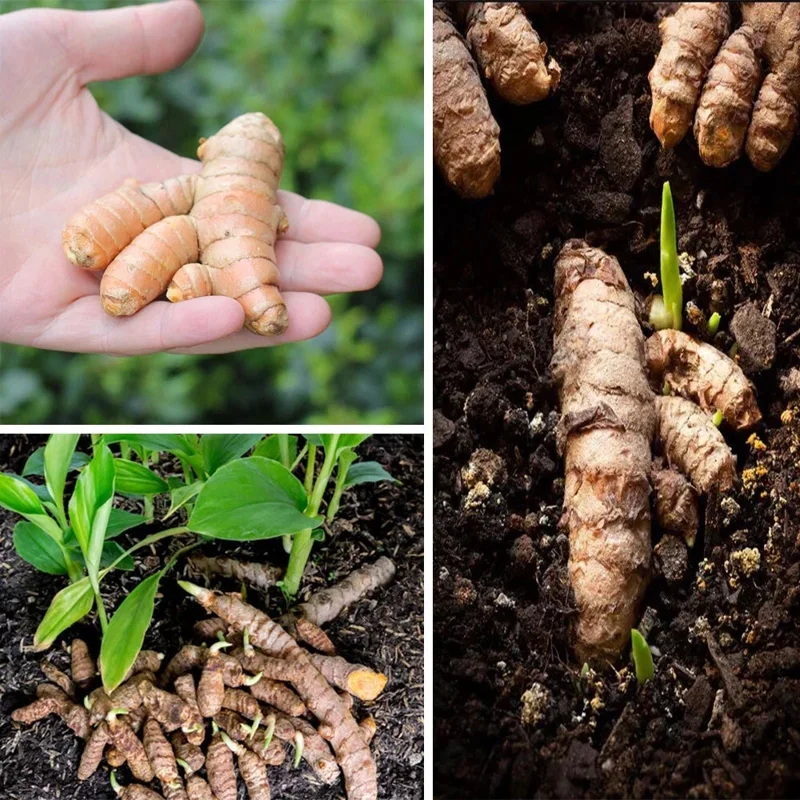
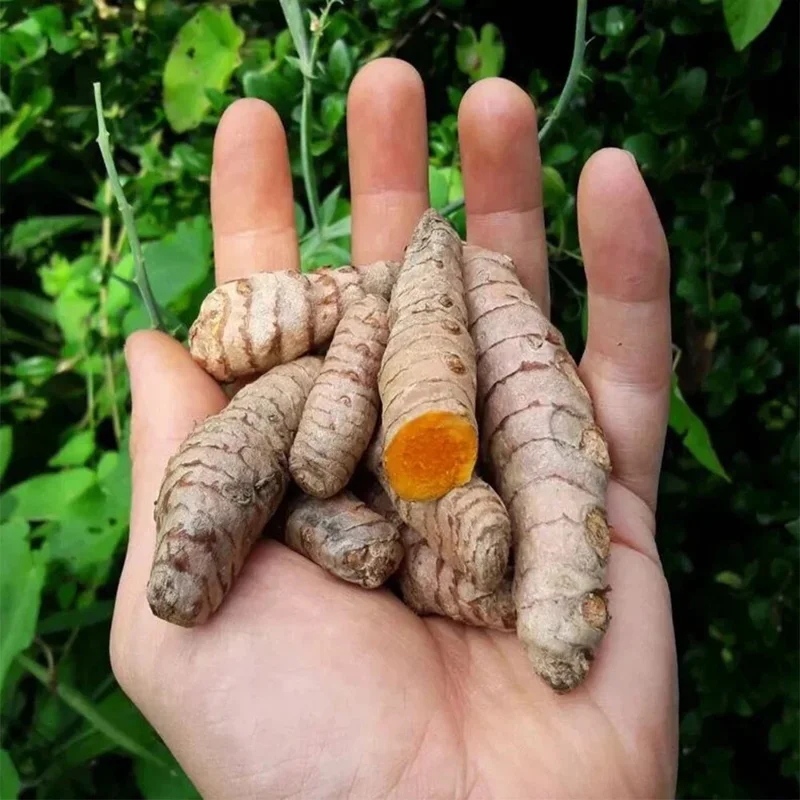
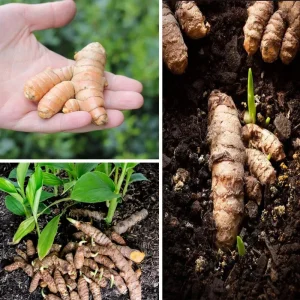
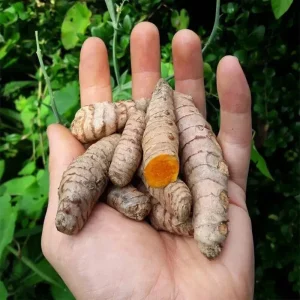
Cultivate your own vibrant spice with these 10 Fresh Turmeric Root Plants (Curcuma longa). These curcuma longa rhizomes are ready for planting, offering a rewarding gardening experience for both culinary and ornamental purposes. Enjoy fresh, homegrown turmeric root plants.
Original price was: $50.76.$25.38Current price is: $25.38.

With our Alive & Thrive Guarantee, we’ve got your back for the first 30 days! If you have any concerns about your plants, just reach out to us. Our team is here to help answer your questions and guide you in selecting the best plants for your garden, climate, and unique preferences. We're excited to help you create the garden of your dreams!
Estimated arrival
Apr 03
Apr 08 - Apr 10
Apr 13 - Apr 17
Product Details
-
USDA Hardiness Zone
USDA Zones 9-11 (outdoors) or year-round indoors -
Soil type
Rich, well-draining soil with organic matter -
Sunlight Exposure
Partial shade to full sun (4-6 hours direct light) -
Expected Planting Period
Late winter to early spring
Overview
Embark on a rewarding gardening journey with these high-quality turmeric root plants. This offering includes 10 Fresh Turmeric Root Plants of the renowned Curcuma longa variety, provided as live rhizomes ready for immediate planting. Turmeric, a staple in many kitchens and traditional medicine systems, is surprisingly easy to grow at home, allowing you to enjoy the freshest possible spice. These robust curcuma longa rhizomes are selected for their viability, ensuring a higher chance of successful growth. Whether you’re an experienced gardener or just starting, learning to grow turmeric at home is a fantastic way to access this beneficial plant.
Known for its vibrant orange-yellow color and earthy, slightly pungent flavor, turmeric is much more than just a spice. The plant itself is beautiful, with broad green leaves and sometimes delicate white or pink flowers, making it a lovely addition to any garden or indoor space. These fresh turmeric for planting rhizomes are the foundation for a continuous supply of this incredible root.
Key Benefits
Growing your own turmeric offers a multitude of advantages, from fresh culinary ingredients to natural beauty. These turmeric root plants provide both aesthetic appeal and practical uses.
- Fresh Culinary Ingredient: Enjoy the superior flavor and potency of freshly harvested turmeric in your cooking, far surpassing store-bought powdered varieties.
- Health and Wellness: Turmeric is celebrated for its potential anti-inflammatory and antioxidant properties, making homegrown root a valuable addition to your diet.
- Easy to Grow: These curcuma longa rhizomes are straightforward to plant and maintain, making them suitable for gardeners of all skill levels.
- Ornamental Value: The lush, tropical foliage of the turmeric plant adds a beautiful, exotic touch to your garden or indoor plant collection.
- Sustainable Harvesting: With proper care, you can continuously harvest turmeric from your plants, ensuring a fresh supply year after year.
- Educational Experience: A wonderful project for families, teaching about plant growth, healthy eating, and sustainable living.
- Versatility: Use the fresh root in curries, smoothies, teas, or even homemade beauty products.
Plant Care & Growing Tips
To successfully grow turmeric at home and ensure your turmeric root plants thrive, follow these essential care guidelines. Turmeric prefers a warm, humid environment, mimicking its tropical origins. Choose a location that receives ample sunlight but is protected from harsh, direct afternoon sun in very hot climates. For indoor growing, a bright, south-facing window with some afternoon shade is ideal.
Sunlight Requirements: Turmeric thrives in partial shade to full sun, ideally receiving 4-6 hours of direct sunlight per day. In hotter climates, protect it from intense midday sun to prevent leaf scorch. Indoors, place it near a bright window, ensuring it doesn’t get too much direct, unfiltered light which can be too strong.
Watering Schedule and Soil Moisture: Keep the soil consistently moist but not waterlogged. Water thoroughly when the top inch of soil feels dry to the touch. Reduce watering during the dormant period (usually in cooler months) when leaves may yellow and die back. Good drainage is crucial to prevent rhizome rot.
Soil Type and Drainage: Plant your curcuma longa rhizomes in rich, well-draining soil with a pH between 6.0 and 7.0. A mix of potting soil, compost, and sand or perlite works well to provide both nutrients and excellent drainage. Ensure pots have drainage holes if growing in containers.
Temperature Range and USDA Hardiness Zone: Turmeric is a tropical plant and prefers temperatures between 68°F and 95°F (20°C-35°C). It is sensitive to frost. In USDA Zones 9-11, it can be grown outdoors year-round. In cooler zones, it should be grown in containers and brought indoors before the first frost, or treated as an annual. These turmeric root plants will go dormant in cooler temperatures.
Fertilization: Fertilize every 2-4 weeks during the growing season (spring and summer) with a balanced liquid fertilizer. Organic options like compost tea or fish emulsion are also beneficial for promoting healthy rhizome development.
Common Problems: Watch out for common pests like spider mites and aphids, especially indoors. Ensure good air circulation to prevent fungal issues. Yellowing leaves can indicate overwatering, underwatering, or nutrient deficiency. Proper turmeric plant care can prevent most issues.
Size & Details
This offering provides 10 Fresh Turmeric Root Plants, specifically live rhizomes (root sections) of Curcuma longa, each carefully selected for optimal growth. The individual rhizomes are typically 1-3 inches in length and width, with visible ‘eyes’ or buds indicating active growth points. When planted, these fresh turmeric for planting rhizomes will sprout and develop into mature plants that can reach heights of 3-5 feet with a spread of 1-2 feet, depending on growing conditions and pot size. They are shipped as dormant or semi-dormant rhizomes, ready to awaken and grow once planted in suitable conditions. Expect to see sprouts emerge within 3-6 weeks after planting, with harvest typically possible 8-10 months after planting. These are excellent for those looking to start their own batch of turmeric root plants.
Frequently Asked Questions
- Q: How big do these turmeric root plants get? A: When mature, the turmeric plant can grow to be 3-5 feet tall with a spread of 1-2 feet. The size can vary based on growing conditions, climate, and whether it’s grown in the ground or in a container.
- Q: Are these curcuma longa rhizomes suitable for indoor growing? A: Yes, turmeric can be grown successfully indoors in a large pot, provided it receives adequate light, warmth, and humidity. It makes an attractive indoor foliage plant before harvest.
- Q: How much sunlight does a turmeric plant need? A: Turmeric prefers partial shade to full sun, ideally 4-6 hours of direct sunlight. In very hot climates, it benefits from protection from intense afternoon sun.
- Q: When is the best time to plant these fresh turmeric for planting rhizomes? A: The ideal time to plant is in late winter or early spring, after the danger of frost has passed and soil temperatures are consistently above 60°F (15°C).
- Q: How long until I can harvest the turmeric? A: Turmeric is typically ready for harvest 8-10 months after planting, usually when the leaves start to yellow and die back. You can gently dig up the rhizomes for use.
- Q: Is this plant easy to care for? A: Yes, turmeric is considered relatively easy to care for, especially in warm climates. Consistent watering, good drainage, and adequate warmth are the main requirements for successful turmeric plant care.
- Q: What condition will the rhizomes arrive in? A: The 10 Fresh Turmeric Root Plants will arrive as healthy, dormant or semi-dormant rhizomes, ready to be planted. They are carefully packaged to ensure their vitality during transit.
- Q: Can I use the turmeric from these plants for culinary purposes? A: Absolutely! These are the same curcuma longa rhizomes used to produce the turmeric spice found in kitchens. Growing your own ensures a fresh, potent supply.
- Q: What USDA Hardiness Zones are suitable for growing turmeric? A: Turmeric can be grown outdoors year-round in USDA Zones 9-11. In cooler zones, it should be grown in containers and brought indoors before frost or treated as an annual.
- Q: What type of soil is best for these turmeric root plants? A: A rich, well-draining soil mix is best, ideally with a good amount of organic matter like compost. Ensure good drainage to prevent waterlogging.
Related products
-30%
Original price was: $59.98.$41.98Current price is: $41.98.
-67%
Original price was: $75.72.$25.24Current price is: $25.24.
-10%
Original price was: $75.00.$67.50Current price is: $67.50.
-10%
Original price was: $23.99.$21.59Current price is: $21.59.
-50%
Original price was: $79.96.$39.98Current price is: $39.98.
-67%
Original price was: $75.72.$25.24Current price is: $25.24.
-67%
From Original price was: $35.22.$11.74Current price is: $11.74.
-30%
Original price was: $99.98.$69.98Current price is: $69.98.
PLANTING & CARE

Growing Glencoe Raspberry: A Complete Guide for Gardeners
If you’re looking to add something unique to your garden, look no further than the
31
Mar
Mar

The Comprehensive Guide to Growing Bay Leaf Plants for a Flavorful Garden
Imagine stepping into your garden, greeted by the earthy aroma of fresh bay leaves, their
09
Feb
Feb

How to Make Comfrey Tea: The Ultimate Organic Plant Food
Growing an organic garden can be surprisingly expensive, especially when most store-bought fertilizers come in
02
Feb
Feb

True Comfrey: 7 Essential Tips Before You Plant This Herb
A staple in permaculture practices across the US, True Comfrey easily earns its reputation as
27
Jan
Jan

7 Heart-Shaped Plants for a Lasting Valentine’s Gift
If you’ve ever bought a bouquet of roses for Valentine’s Day, you know they are
26
Jan
Jan

Best Types of Ivy Plant for Houses: How to Choose the Perfect Ones for Your Home
Are you a garden lover looking to introduce some greenery into your home? Maybe you’ve
14
Nov
Nov

When to Harvest Garlic (Especially Fall-Planted Garlic)
TIMING IS EVERYTHING, they say – and for garlic, that truth hits with surprising accuracy.
13
Nov
Nov

11 of the Best Sweet Potato Varieties to Grow for Your Garden
If you’ve ever tried growing sweet potatoes, you know that picking the right variety can
12
Nov
Nov