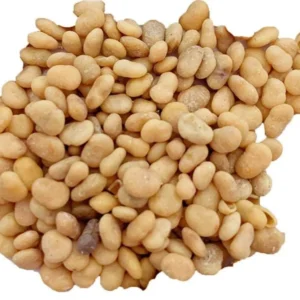
Winged Bean (Dau Rong) Seeds – Heirloom Non-GMO Vegetable Seeds
-50%

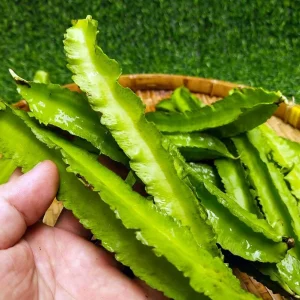

Winged Bean (Dau Rong) Seeds – Heirloom Non-GMO Vegetable Seeds
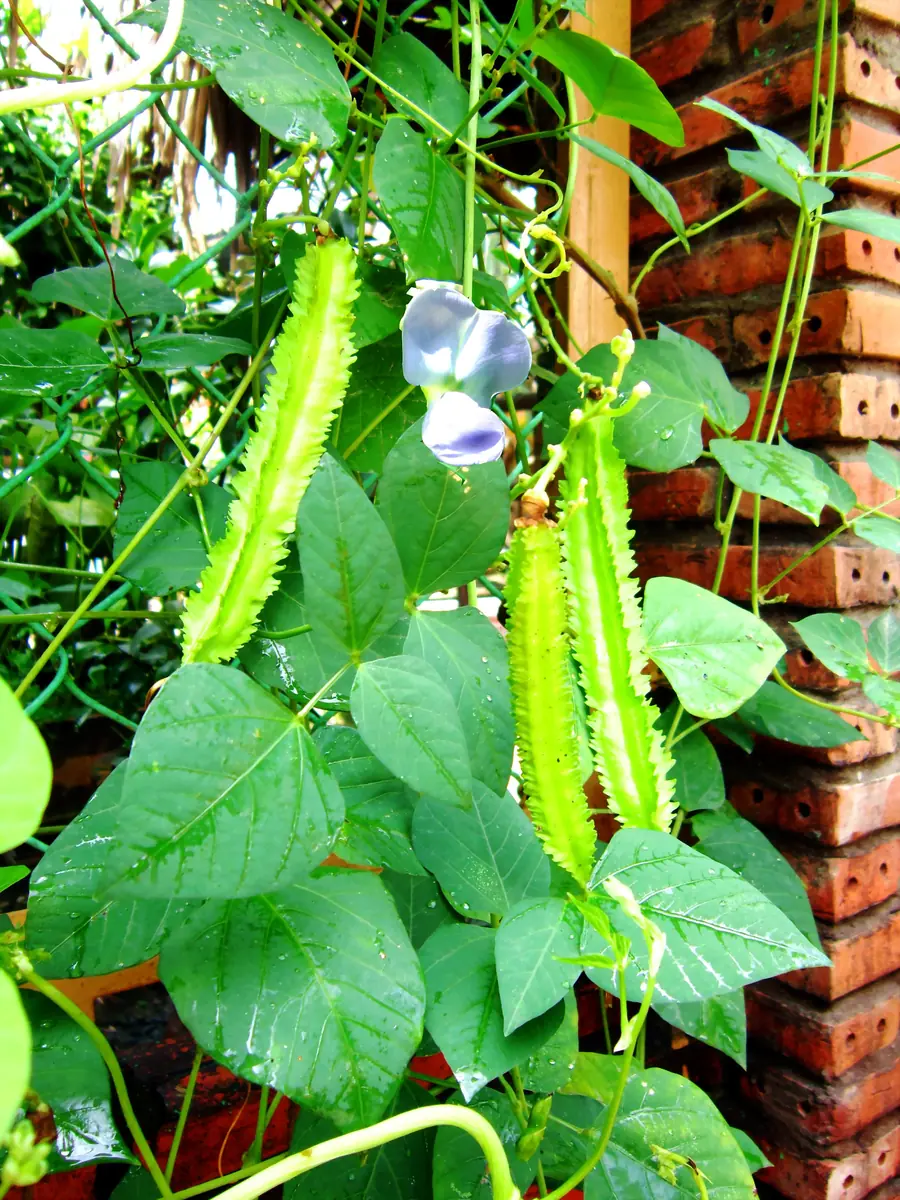
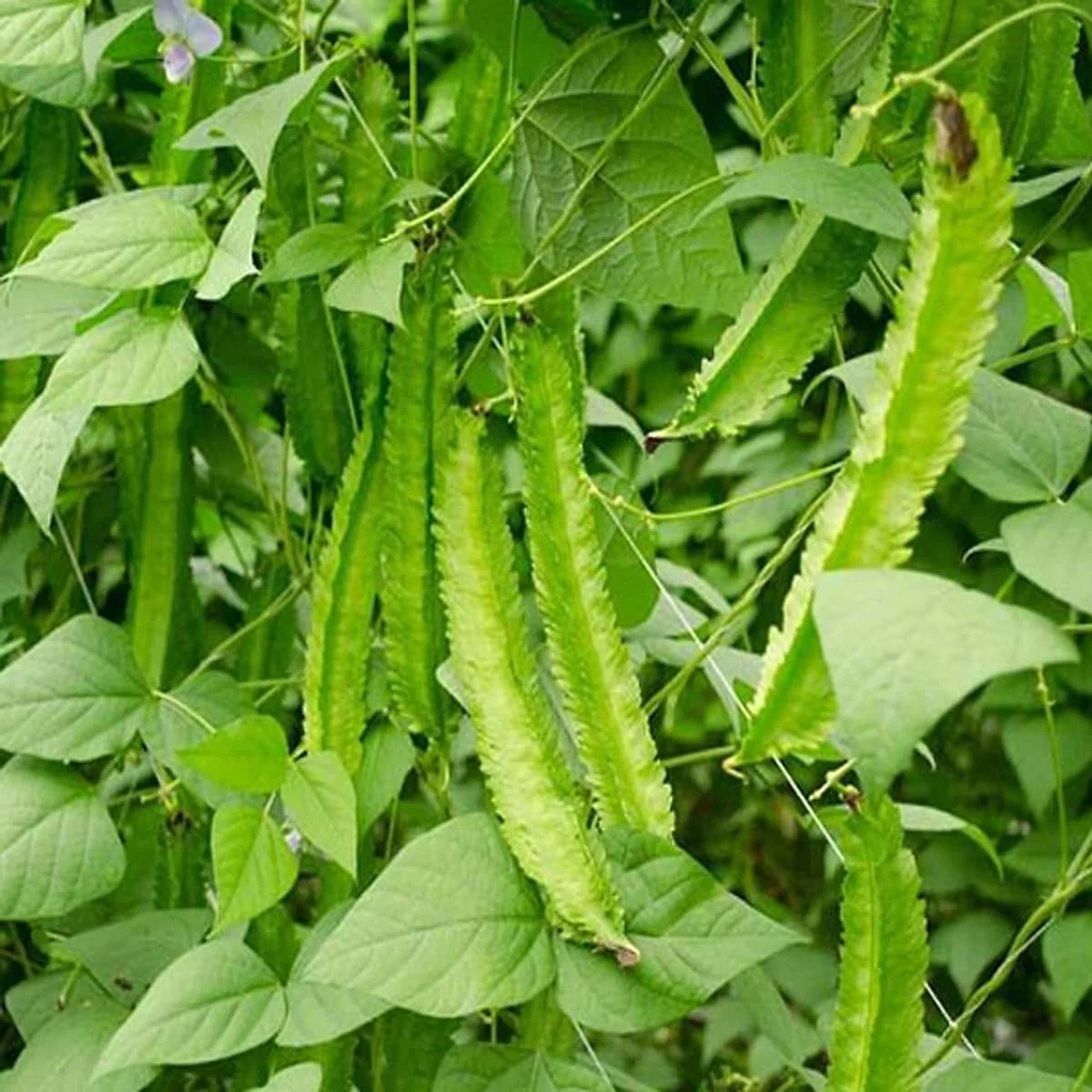
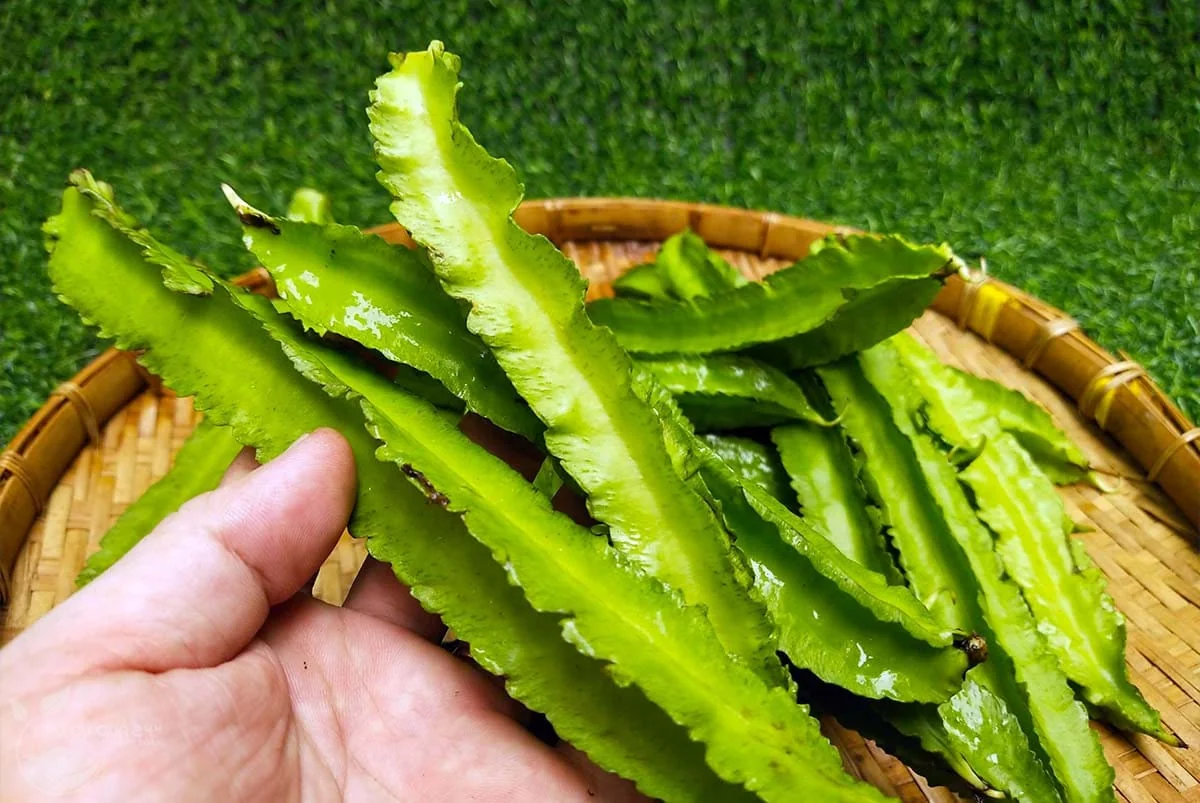
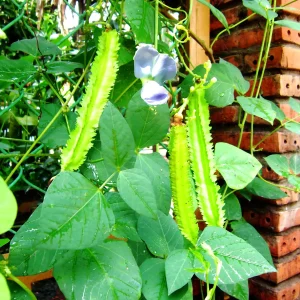
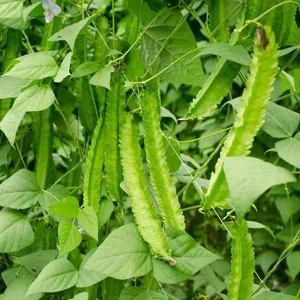
Cultivate the highly nutritious and versatile winged bean seeds (Đậu Rồng) in your garden. These heirloom winged bean seeds are non-GMO and produce a plant where almost every part is edible, from the beans to the leaves and roots. Ideal for warm, sunny locations, providing a rich source of protein and vitamins.
From Original price was: $10.00.$5.00Current price is: $5.00.

With our Alive & Thrive Guarantee, we’ve got your back for the first 30 days! If you have any concerns about your plants, just reach out to us. Our team is here to help answer your questions and guide you in selecting the best plants for your garden, climate, and unique preferences. We're excited to help you create the garden of your dreams!
Estimated arrival
Apr 02
Apr 07 - Apr 09
Apr 12 - Apr 16


Product Details
-
USDA Hardiness Zone
USDA zones 9-11 (as an annual in cooler climates) -
Soil type
Fertile, well-draining soil -
Sunlight Exposure
Full sun -
Expected Planting Period
Spring to early summer
Overview
Discover the culinary versatility of winged bean seeds, also known as Đậu Rồng, Asparagus Pea, Winged Pea, Four Angled Bean, Manila Bean (sigarilyas), Princess Bean, and Dragon Bean. These heirloom winged bean seeds offer a unique and highly nutritious addition to any garden. Originating from tropical regions, Psophocarpus tetragonolobus is an annual vine celebrated for its edible pods, leaves, flowers, and even roots. This non-GMO variety ensures you’re growing a pure, natural food source. The winged bean is not only delicious but also a powerhouse of nutrition, rich in protein, vitamin A, vitamin C, calcium, and iron. It’s an excellent choice for gardeners looking to diversify their produce with a productive and healthy plant. Whether you’re an experienced grower or new to cultivating tropical vegetables, learning to grow winged bean can be a rewarding experience, providing fresh, homegrown ingredients for a variety of dishes. Our dau rong seeds are carefully selected to ensure high quality and viability.
Key Benefits
Growing winged beans in your garden offers a multitude of advantages, both in terms of culinary use and nutritional value. These benefits make winged bean seeds a superb choice for any home gardener:
- Highly Nutritious: Winged beans are packed with protein, making them an excellent plant-based protein source. They are also rich in essential vitamins like A and C, and minerals such as calcium and iron, contributing significantly to a healthy diet.
- Versatile Edibility: Nearly every part of the winged bean plant is edible. The young pods are consumed like green beans, the leaves can be cooked like spinach, the flowers are a colorful addition to salads, and the tuberous roots are similar to potatoes. Even the dried seeds can be used to make flour.
- Heirloom & Non-GMO: Our heirloom winged bean seeds guarantee a natural, unaltered plant, preserving genetic diversity and traditional flavors. You can be confident in the purity and quality of the food you grow.
- Nitrogen Fixer: Like other legumes, winged beans are nitrogen-fixing plants, meaning they enrich the soil with nitrogen. This natural fertilization can benefit other plants in your garden and improve overall soil health, reducing the need for synthetic fertilizers.
- Vigorous Growth: These annual vines are known for their robust growth, reaching lengths of 9-12 feet. With proper support, they can produce an abundant harvest, providing fresh vegetables throughout the growing season.
- Unique Flavor & Texture: The young pods have a distinctive crisp texture and a flavor often described as a cross between asparagus and green beans, offering a unique taste experience compared to common legumes.
- Educational Experience: For families and new gardeners, learning to grow winged bean offers an engaging and educational experience, teaching about tropical agriculture and sustainable food practices.
Plant Care & Growing Tips
To successfully cultivate winged bean seeds, prepare fertile, well-draining soil in a warm, sunny location. Winged beans thrive in tropical and subtropical climates, requiring consistent warmth for optimal growth. Seeds can be somewhat challenging to germinate, so pre-sprouting is highly recommended. Begin by soaking the seeds in water for 24 hours until they swell. For seeds that don’t swell, gently scarify the seed coat and re-soak. Once swollen or sprouted, keep them at approximately 77°F (25°C) until sprouts emerge. Plant the sprouted seeds directly into your prepared garden bed or pots when all danger of frost has passed and soil temperatures are consistently warm. Maintain consistent soil moisture, ensuring it doesn’t dry out completely but also avoiding waterlogging, which can lead to rot. Fertilize sparingly, as the plant is a nitrogen fixer. Providing a sturdy vertical support, such as a trellis or fence, is crucial as the vigorous vines can reach impressive heights of 9-12 feet. Regular harvesting of pods, ideally when they are up to 3 inches in length, will encourage continuous production. Protecting plants from strong winds and ensuring they receive ample sunlight throughout the day will contribute to a bountiful yield. Understanding how to grow winged bean effectively involves patience during germination and providing the right environmental conditions for its tropical nature. These dau rong seeds will reward you with a prolific harvest when given proper care.
Size & Details
Our winged bean seeds are heirloom and non-GMO, ensuring a natural and authentic growing experience. The Winged Bean plant (Psophocarpus tetragonolobus) is an annual vine that exhibits vigorous growth, typically reaching lengths of 9-12 feet when provided with adequate vertical support. The edible beans are best harvested when they are young, usually up to 3 inches in length, offering a tender and flavorful vegetable. Beyond the pods, the leaves can be harvested and cooked like spinach, and the roots offer a starchy, potato-like edible tuber. The dried seeds can also be utilized for flour. This product consists of a packet of quality seeds, ready for planting. Expect germination to require specific pre-treatment as detailed in the care section. Once established, the plants will produce continuously throughout the warm growing season, providing a steady supply of fresh, nutritious produce. Cultivating these asparagus pea seeds will add a unique and productive element to your garden.
Frequently Asked Questions
- Q: How big does this plant get? A: The winged bean seeds produce vigorous vines that can reach an impressive length of 9-12 feet, requiring vertical support like a trellis or fence to thrive.
- Q: Is this an indoor or outdoor plant? A: Winged beans are primarily an outdoor plant, flourishing in warm, sunny tropical and subtropical climates. They can be grown in containers outdoors in regions with suitable conditions.
- Q: How much sunlight does it need? A: For optimal growth and fruit production, winged beans require a warm, sunny location with at least 6-8 hours of direct sunlight per day.
- Q: Is this plant easy to care for? A: While germination of heirloom winged bean seeds can be a bit challenging, requiring pre-soaking and scarification, once established, the plants are relatively easy to care for, needing consistent moisture and vertical support.
- Q: What condition will the seeds arrive in? A: Our dau rong seeds will arrive as dried, viable seeds, ready for you to prepare and plant according to the provided instructions.
- Q: Can I use winged bean in cooking? A: Absolutely! Almost every part of the winged bean plant is edible. The young pods are excellent in stir-fries, salads, and curries, while the leaves can be cooked like spinach, and the roots are similar to potatoes.
- Q: When is the best time to plant? A: The best time to plant asparagus pea seeds is after all danger of frost has passed and soil temperatures are consistently warm, typically in late spring or early summer in most regions.
- Q: What is the ideal soil type for winged beans? A: Winged beans prefer fertile, well-draining soil. A rich loamy soil with good organic matter content will support strong growth and abundant harvests.
- Q: How long until it produces beans? A: After planting, winged bean plants typically begin to produce pods within 2-3 months, and they will continue to yield throughout the warm growing season.
- Q: Are these seeds non-GMO? A: Yes, these are non-GMO winged bean seeds, ensuring you are growing a natural and unaltered food source in your garden.
| Seeds | 10+, 100+, 25+, 5+, 50+ |
|---|
Related products
-48%
Original price was: $28.99.$14.99Current price is: $14.99.
-50%

Original price was: $15.96.$7.98Current price is: $7.98.
-48%
Original price was: $28.99.$14.99Current price is: $14.99.
-50%

Original price was: $15.00.$7.50Current price is: $7.50.
-48%
Original price was: $28.99.$14.99Current price is: $14.99.
-50%

Original price was: $59.96.$29.98Current price is: $29.98.
-50%
Original price was: $39.96.$19.98Current price is: $19.98.
-48%
Original price was: $28.99.$14.99Current price is: $14.99.
PLANTING & CARE

Growing Glencoe Raspberry: A Complete Guide for Gardeners
If you’re looking to add something unique to your garden, look no further than the
31
Mar
Mar

The Comprehensive Guide to Growing Bay Leaf Plants for a Flavorful Garden
Imagine stepping into your garden, greeted by the earthy aroma of fresh bay leaves, their
09
Feb
Feb

How to Make Comfrey Tea: The Ultimate Organic Plant Food
Growing an organic garden can be surprisingly expensive, especially when most store-bought fertilizers come in
02
Feb
Feb

True Comfrey: 7 Essential Tips Before You Plant This Herb
A staple in permaculture practices across the US, True Comfrey easily earns its reputation as
27
Jan
Jan

7 Heart-Shaped Plants for a Lasting Valentine’s Gift
If you’ve ever bought a bouquet of roses for Valentine’s Day, you know they are
26
Jan
Jan

Best Types of Ivy Plant for Houses: How to Choose the Perfect Ones for Your Home
Are you a garden lover looking to introduce some greenery into your home? Maybe you’ve
14
Nov
Nov

When to Harvest Garlic (Especially Fall-Planted Garlic)
TIMING IS EVERYTHING, they say – and for garlic, that truth hits with surprising accuracy.
13
Nov
Nov

11 of the Best Sweet Potato Varieties to Grow for Your Garden
If you’ve ever tried growing sweet potatoes, you know that picking the right variety can
12
Nov
Nov