Vietnamese Culantro Seeds – Heirloom Ngo Gai, Non-GMO, Tabasco Parsley
-50%
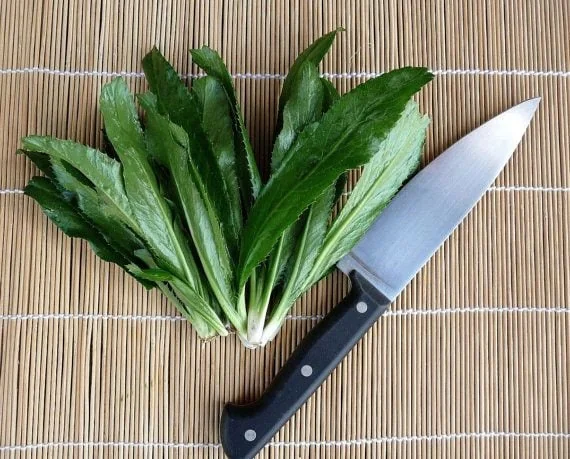
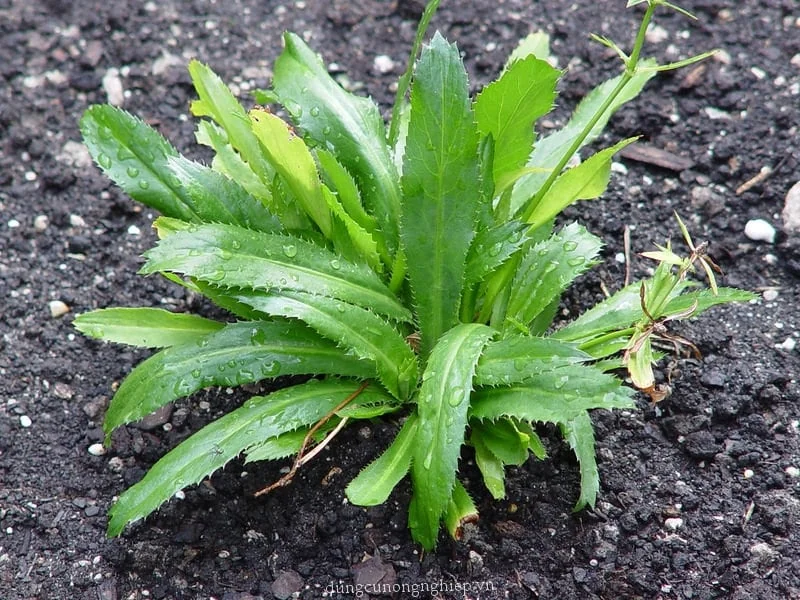

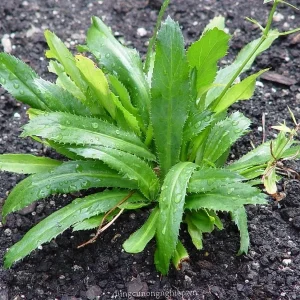

Vietnamese Culantro Seeds – Heirloom Ngo Gai, Non-GMO, Tabasco Parsley
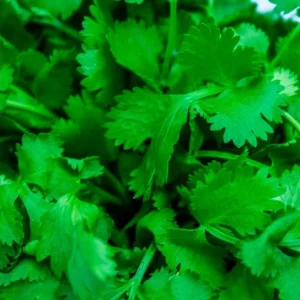
Cultivate the distinctive flavor of Vietnamese Culantro seeds, also known as Ngo Gai seeds. These heirloom, non-GMO seeds produce plants with a stronger taste than traditional cilantro, perfect for authentic Asian and Latin American cuisine. Easy to grow in warm climates.
From Original price was: $12.00.$6.00Current price is: $6.00.

With our Alive & Thrive Guarantee, we’ve got your back for the first 30 days! If you have any concerns about your plants, just reach out to us. Our team is here to help answer your questions and guide you in selecting the best plants for your garden, climate, and unique preferences. We're excited to help you create the garden of your dreams!
Estimated arrival
Apr 05
Apr 10 - Apr 12
Apr 15 - Apr 19

Product Details
-
USDA Hardiness Zone
USDA zones 9-11 (as short-lived perennial), typically grown as annual -
Soil type
Fertile, well-draining soil -
Sunlight Exposure
Part shade -
Expected Planting Period
Spring to summer
Overview
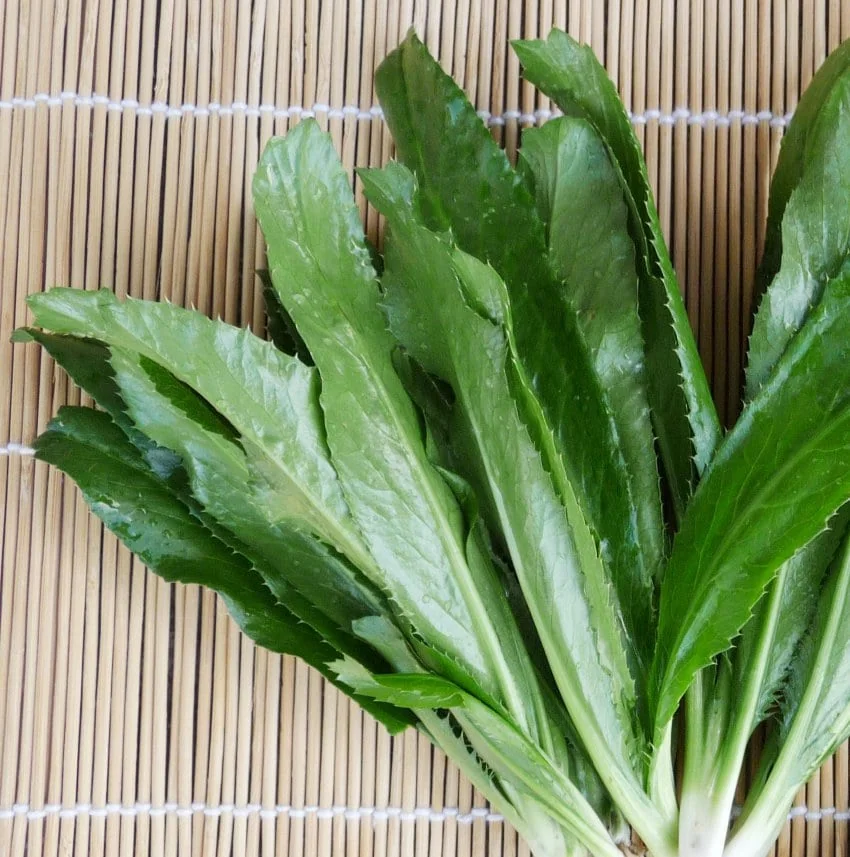
Discover the unique and robust flavor of Vietnamese Culantro seeds, an essential ingredient in many Southeast Asian and Latin American dishes. Also widely known as Ngo Gai, Tabasco parsley, Recao, Mexican coriander, fitweed, thorny coriander, or spiny coriander, this herb offers a taste similar to cilantro but with a significantly stronger and more pungent profile. Our heirloom, non-GMO Ngo Gai seeds ensure you can grow this versatile herb with confidence, bringing authentic culinary experiences right to your garden. The botanical name for this remarkable plant is Eryngium foetidum, and it is cherished for its intense aroma and flavor that holds up exceptionally well in cooking, even when dried. Growing your own Vietnamese Culantro seeds allows you to have a fresh supply of this irreplaceable herb, enhancing your stews, soups, and marinades with its distinctive kick.
This warm-season annual typically reaches maturity in 80-90 days, providing a continuous harvest of its unique saw-toothed leaves. While often grown as an annual, in mild climates, it can behave as a short-lived perennial, offering extended enjoyment. Whether you’re an experienced gardener or new to growing herbs, cultivating Mexican coriander seeds is a rewarding endeavor. The plant thrives in part shade during spring and summer, requiring consistent moisture to prevent premature bolting. Prepare to enjoy the rich, aromatic leaves of Culantro, a staple in many global cuisines, fresh from your garden.
Key Benefits
Growing Vietnamese Culantro seeds offers a multitude of benefits, from enriching your culinary adventures to providing a unique aesthetic in your herb garden. This herb is celebrated for its potent flavor and ease of cultivation in suitable conditions.
- Intense Culinary Flavor: Provides a much stronger and more distinctive flavor than cilantro, making it perfect for authentic Vietnamese, Thai, Indian, and Latin American dishes. It’s a key ingredient for sofrito and adds depth to soups, stews, and marinades.
- Heirloom & Non-GMO: Our Ngo Gai seeds are heirloom and non-GMO, ensuring you’re planting a natural, traditional variety that can be saved and replanted for future seasons.
- Versatile Usage: The thick leaves retain their color and flavor exceptionally well, even when dried. This makes them ideal for various culinary applications, including fresh garnishes, cooked dishes, and flavorings for sauces and chutneys.
- Warm Season Adaptability: Thrives in warm climates and can be grown as an annual, or a short-lived perennial in milder regions, making it a great addition to diverse garden settings.
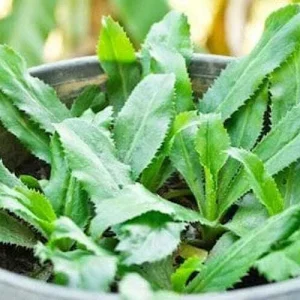
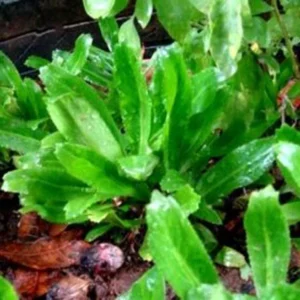
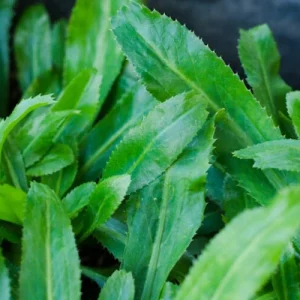
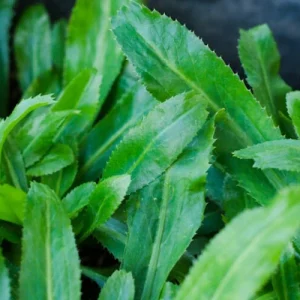
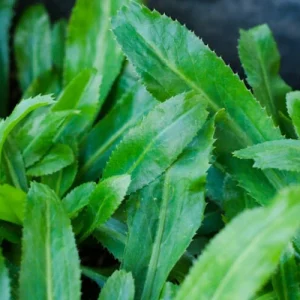
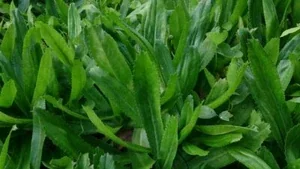
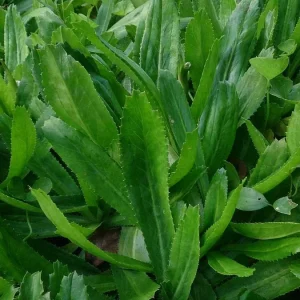
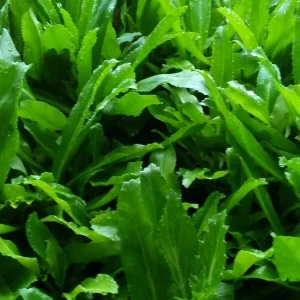
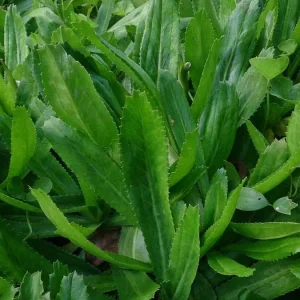
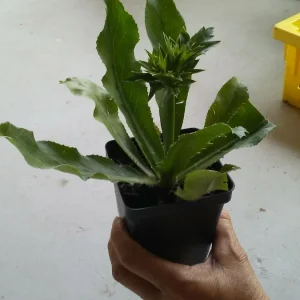
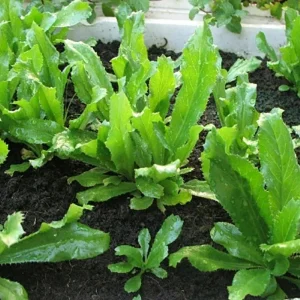
- Unique Appearance: The long, saw-toothed leaves grow in a rosette from the base, offering an interesting texture and form to your herb garden.
- Extended Harvest: Leaves are harvested by cutting the entire rosette, encouraging continuous growth before the plant flowers, ensuring a prolonged supply of fresh herbs.
- Easy to Grow: With proper care, including well-drained soil and consistent moisture, grow culantro successfully from seed, providing a rewarding gardening experience for both novices and experts.
Plant Care & Growing Tips
Successfully growing Vietnamese Culantro seeds requires attention to specific conditions that mimic its natural habitat. This herb prefers a warm, moist environment and well-drained soil to thrive. Begin by preparing a fertile, well-drained soil bed or potting mix. Sow the seeds in part shade during the spring or summer months. Consistent moisture is crucial, especially during germination and early growth, to prevent bolting – the premature development of flower stalks, which can diminish leaf production and flavor. The germination period for these seeds can be lengthy, sometimes taking up to 25 days, so patience is key.
If you choose to transplant seedlings, exercise extreme care as Culantro plants are sensitive to root disturbance. It’s often best to sow Ngo Gai seeds directly into their final growing location if possible. Maintain consistent soil moisture throughout the plant’s life cycle; never allow the soil to dry out completely. Fertilize as needed with a balanced liquid fertilizer to support healthy leaf development. For optimal germination rates, it is recommended to store the seeds at 41°F (5°C) until you are ready to plant. This cold stratification can help break seed dormancy. While tolerant of some direct sun, providing part shade, particularly during the hottest parts of the day, will help the leaves stay tender and prevent scorching, allowing you to successfully grow culantro with robust flavor.
In mild climates (USDA zones 9-11), Mexican coriander seeds can produce plants that behave as short-lived perennials, offering harvests over a longer period. However, in most regions, it is cultivated as an annual. Proper care ensures a bountiful supply of this aromatic herb, perfect for all your culinary needs. Keep an eye out for pests, though Culantro is generally quite resilient. Focus on providing consistent water and appropriate light conditions to ensure vigorous growth and flavorful leaves.
Size & Details
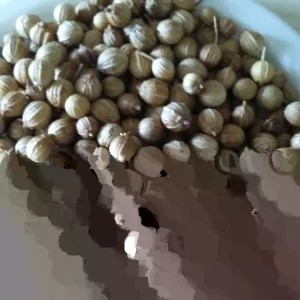
Our Vietnamese Culantro seeds are sold in packages containing approximately 30,000 seeds per ounce, providing ample opportunity to establish a thriving patch of this unique herb. These heirloom, non-GMO seeds are ideal for gardeners looking to grow culantro from scratch. Plants typically reach maturity in 80-90 days from seeding. The mature plants will form a rosette of long, saw-toothed leaves, which are harvested by cutting the entire rosette at the base before the plant begins to flower. Individual leaves typically grow 6-12 inches long, forming a compact plant that spreads approximately 6-8 inches wide.
This warm-season annual thrives in temperatures above 60°F (15°C) and prefers a humid environment. While it can be a short-lived perennial in mild climates, it is generally cultivated as an annual in most regions. The seeds are best stored at 41°F (5°C) for optimal germination. Expect a germination period of up to 25 days. These seeds will produce robust plants perfect for culinary use, adding a powerful flavor to your dishes. When you grow culantro, you’re cultivating a piece of global culinary heritage.
Frequently Asked Questions
- Q: How big does this Culantro plant get? A: Culantro typically grows into a compact rosette, with leaves reaching about 6-12 inches in length and the plant spreading 6-8 inches wide. It’s an ideal size for garden beds or containers.
- Q: Is this an indoor or outdoor plant? A: While Culantro thrives outdoors in warm, humid conditions with part shade, it can also be grown indoors in a bright spot, especially in cooler climates. Ensure it receives consistent moisture.
- Q: How much sunlight do Vietnamese Culantro seeds need? A: Culantro prefers part shade, especially in hot climates. It can tolerate some morning sun but should be protected from harsh afternoon sun to prevent scorching and bolting.
- Q: Is this plant easy to care for? A: Yes, grow culantro is relatively easy with consistent moisture and proper light. The main challenges are preventing bolting in hot, dry conditions and being careful with root disturbance during transplanting.
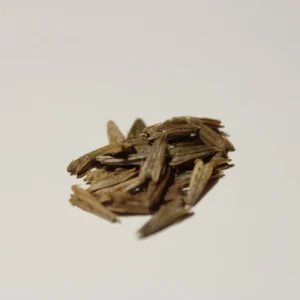
- Q: What condition will the Ngo Gai seeds arrive in? A: Your Ngo Gai seeds will arrive as dry, viable seeds, ready for planting. They should be stored at 41°F until planting for best germination results.
- Q: Can I use Culantro in cooking? A: Absolutely! Culantro is a culinary powerhouse, widely used in Southeast Asian and Latin American cuisines. It’s perfect for soups, stews, marinades, sofrito, and as a strong cilantro substitute.
- Q: How long until Mexican coriander seeds germinate? A: Germination can take up to 25 days, so patience is required. Consistent moisture and appropriate temperature will aid in the process of your Mexican coriander seeds sprouting.
- Q: What’s the best time to plant heirloom herb seeds? A: Sow heirloom herb seeds like Culantro in spring or early summer when soil temperatures are warm and all danger of frost has passed.
- Q: Will Culantro survive winter in my zone? A: Culantro is a warm-season annual. In most regions, it will not survive winter outdoors. In USDA zones 9-11, it may act as a short-lived perennial.
- Q: What is the flavor profile of Culantro compared to cilantro? A: Culantro has a similar, but significantly stronger and more pungent flavor than cilantro. It’s often described as a more robust and earthy version.
| Package | 1000 Seeds, 2000 Seeds, 500 Seeds |
|---|
Related products


PLANTING & CARE

Growing Glencoe Raspberry: A Complete Guide for Gardeners
If you’re looking to add something unique to your garden, look no further than the
31
Mar
Mar

The Comprehensive Guide to Growing Bay Leaf Plants for a Flavorful Garden
Imagine stepping into your garden, greeted by the earthy aroma of fresh bay leaves, their
09
Feb
Feb

How to Make Comfrey Tea: The Ultimate Organic Plant Food
Growing an organic garden can be surprisingly expensive, especially when most store-bought fertilizers come in
02
Feb
Feb

True Comfrey: 7 Essential Tips Before You Plant This Herb
A staple in permaculture practices across the US, True Comfrey easily earns its reputation as
27
Jan
Jan

7 Heart-Shaped Plants for a Lasting Valentine’s Gift
If you’ve ever bought a bouquet of roses for Valentine’s Day, you know they are
26
Jan
Jan

Best Types of Ivy Plant for Houses: How to Choose the Perfect Ones for Your Home
Are you a garden lover looking to introduce some greenery into your home? Maybe you’ve
14
Nov
Nov

When to Harvest Garlic (Especially Fall-Planted Garlic)
TIMING IS EVERYTHING, they say – and for garlic, that truth hits with surprising accuracy.
13
Nov
Nov

11 of the Best Sweet Potato Varieties to Grow for Your Garden
If you’ve ever tried growing sweet potatoes, you know that picking the right variety can
12
Nov
Nov