Organic Green Stem Malabar Spinach Seeds – Alugbati Mong Toi Poi Sang Ceylon
-50%
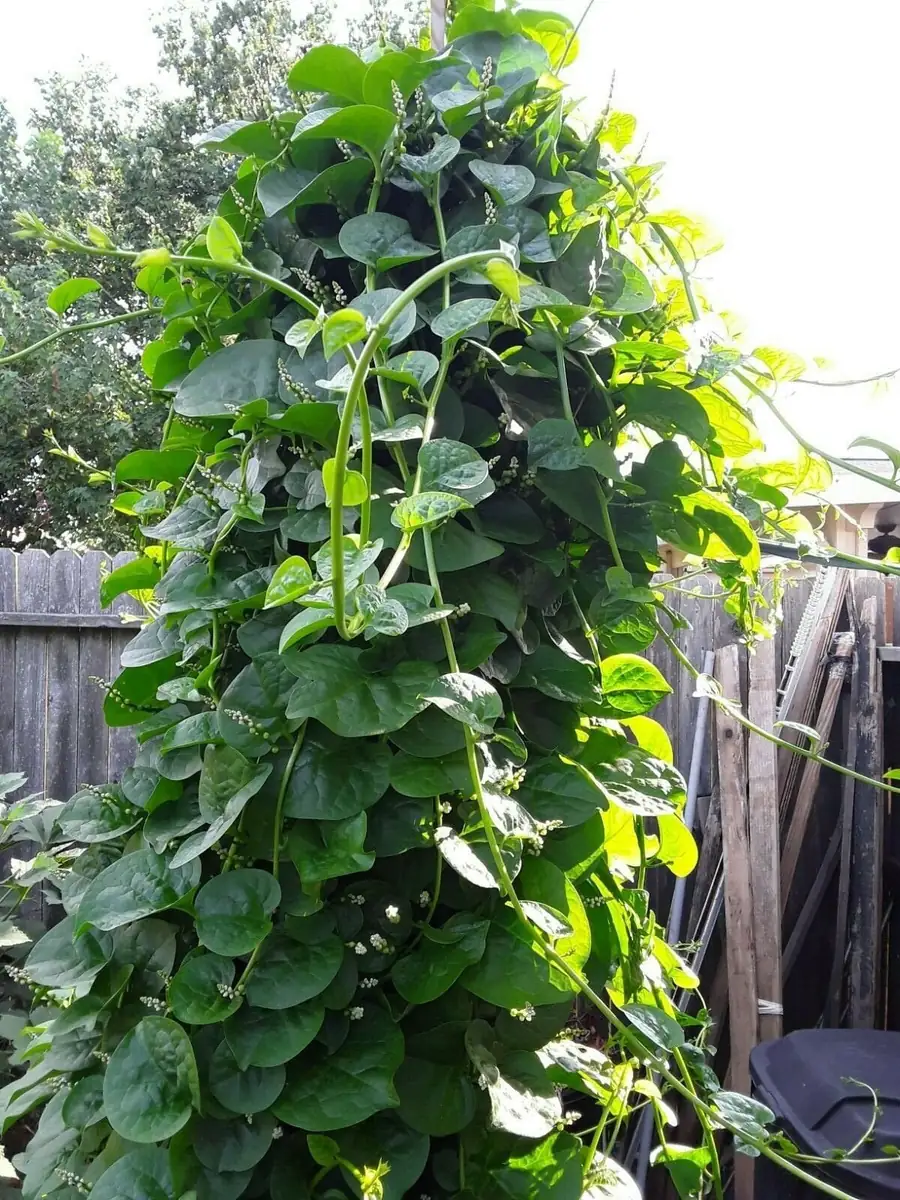
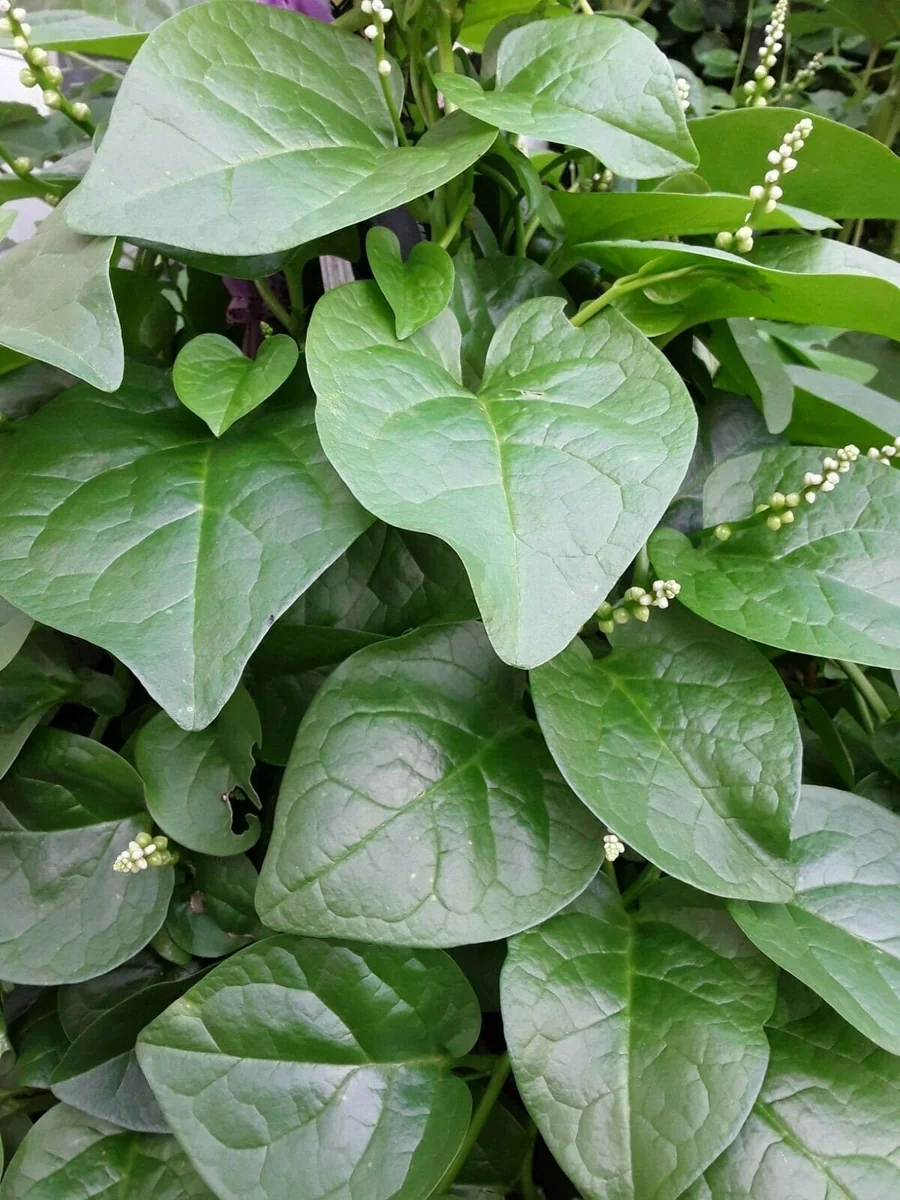

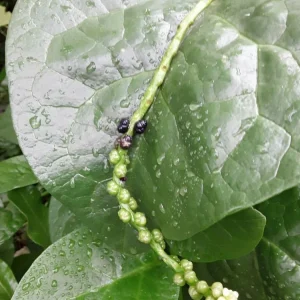

Organic Green Stem Malabar Spinach Seeds – Alugbati Mong Toi Poi Sang Ceylon
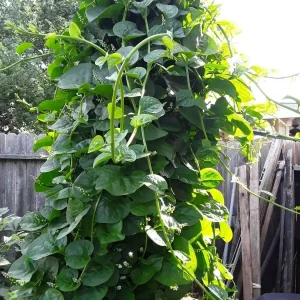
Cultivate your own organic supply of Malabar spinach seeds. This versatile climbing vine, also known as Alugbati or Mong Toi, produces glossy, nutritious leaves perfect for stir-fries and hotpots. Enjoy its ornamental appeal in edible landscapes or container gardens. Rich in vitamins A & C, magnesium, calcium, and iron.
From Original price was: $9.98.$4.99Current price is: $4.99.

With our Alive & Thrive Guarantee, we’ve got your back for the first 30 days! If you have any concerns about your plants, just reach out to us. Our team is here to help answer your questions and guide you in selecting the best plants for your garden, climate, and unique preferences. We're excited to help you create the garden of your dreams!
Estimated arrival
Apr 03
Apr 08 - Apr 10
Apr 13 - Apr 17



Product Details
-
USDA Hardiness Zone
USDA Zones 9-10 (as perennial), annual elsewhere -
Soil type
Well-draining, fertile soil -
Sunlight Exposure
Full sun -
Expected Planting Period
Late spring to early summer (after last frost)
Overview
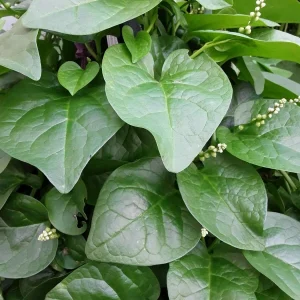
Discover the joy of growing your own Malabar spinach seeds, a unique and highly nutritious leafy green vegetable. Often called Alugbati, Mong Toi, Poi Sang, or Ceylon Spinach, this climbing vine is a staple in Southeast Asian cuisine and an excellent addition to any home garden. Unlike traditional spinach, Malabar spinach thrives in warm, humid conditions, making it a perfect choice for gardeners in warmer climates or those looking for a heat-tolerant leafy green. Its glossy, waxy leaves and vibrant green stems not only offer culinary delights but also provide a beautiful ornamental touch to your edible landscape. These seeds will allow you to cultivate vigorous vines that are both productive and visually appealing, enriching your garden and your diet with minimal fuss.
This remarkable plant is not only a culinary gem but also a nutritional powerhouse. It is exceptionally rich in essential vitamins such as A and C, and provides a good source of B-6, magnesium, calcium, and iron. Its robust growth habit makes it suitable for various gardening setups, from traditional garden beds to innovative container gardening solutions. With these organic spinach seeds, you’re not just planting a vegetable; you’re cultivating a resilient, nutritious, and attractive plant that offers continuous harvests throughout the growing season.
Key Benefits
Growing Malabar spinach seeds offers a multitude of advantages for both the home gardener and the health-conscious individual. This plant provides a continuous supply of fresh, organic greens right from your backyard, enhancing your culinary endeavors and nutritional intake.
- Nutrient-Rich Harvest: Enjoy a continuous supply of fresh, organic leaves packed with vitamins A and C, as well as essential minerals like B-6, magnesium, calcium, and iron. Incorporate this superfood into your daily diet for enhanced well-being.
- Heat-Tolerant & Easy to Grow: Unlike traditional spinach, Malabar spinach thrives in hot and humid conditions, making it an ideal choice for summer gardens where other greens might wilt. It’s a forgiving plant, suitable for gardeners of all experience levels.
- Versatile Culinary Uses: Its glossy, waxy leaves have a mild, slightly peppery flavor that is excellent in stir-fries, curries, soups, and hotpots. The tender stems can also be cooked, adding texture and flavor to various dishes.
- Ornamental Edible Landscape: The vigorous climbing vines and attractive green leaves make Malabar spinach a beautiful addition to an edible landscape. Use it to cover trellises, arbors, or fences, blending beauty with productivity.
- Container Gardening Friendly: This plant adapts well to container growing, making it perfect for balconies, patios, or small spaces. With proper support, it can provide a bountiful harvest even in limited urban environments.
- Promotes Continuous Growth: Regular harvesting of leaves and tender stems encourages the plant to produce new shoots, ensuring a steady supply of greens throughout the growing season. This makes it a highly productive choice for your garden.
- Supports Sustainable Practices: By choosing organic spinach seeds, you are contributing to sustainable gardening practices and ensuring that your homegrown produce is free from synthetic pesticides and fertilizers.
Plant Care & Growing Tips
Successful cultivation of Malabar spinach seeds begins with proper planting and attentive care. These seeds may take 1 to 3 weeks to germinate, ideally at temperatures between 65°F-75°F. For best results, sow seeds indoors, in a cold frame, or greenhouse at least 5 weeks before the last expected frost. Once seedlings are at least 2 inches tall or have half a dozen leaves, they can be transplanted outdoors. It’s crucial to wait until mid to late spring when the danger of frost has passed, as temperatures below 40°F can stunt their growth. Plant individual seedlings about 12 inches apart in well-prepared soil.
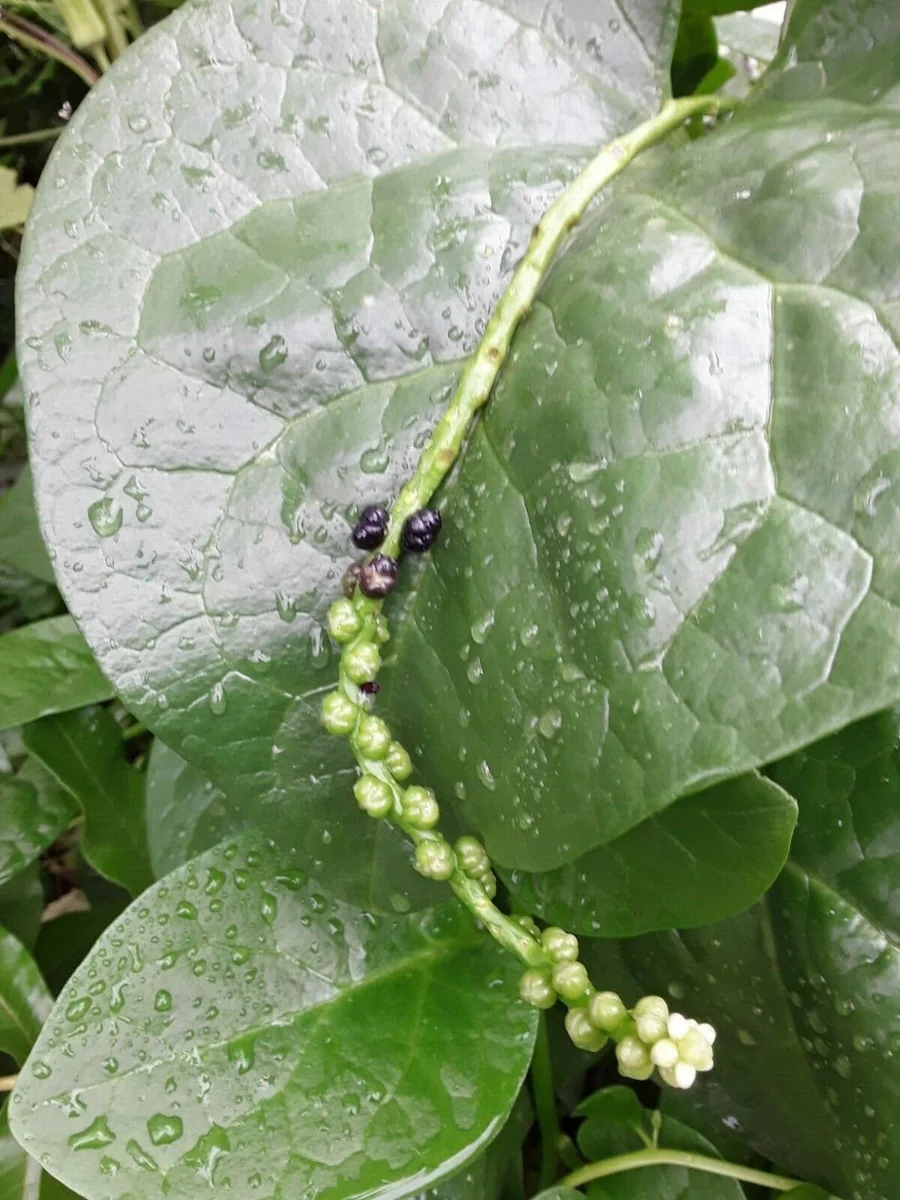
Malabar spinach thrives in full sun, loving heat and humidity. Adequate moisture is essential, so ensure consistent watering, especially during dry spells. Trellis support is highly recommended for these climbing vines to maximize aerial coverage and sun exposure. Arbors, chain-link fences, or cattle panels also make excellent supports. The vines, leaves, and flowers are considered ornamental, making this a must-have for any edible landscape. You can harvest just the leaves, or cut off the tender stems to encourage new growth. For those exploring innovative methods, consider the three-sister gardening technique, pairing Malabar spinach with waxy corn and Japanese purple yam for efficient space utilization. This resilient plant is an excellent choice for those looking to grow Malabar spinach successfully.
For container gardening, Malabar spinach performs very well. A container size of 3 gallons or larger is preferred. Ensure containers have proper drainage holes. Tomato cages or ropes tied to nearby structures can provide the necessary support for the climbing vines. If you have larger containers (20 gallons or more), you can even experiment with a three-sister technique, combining dwarf blue jade sweet corn, Thai basil, Asian yam, and Malabar spinach. With proper care, you’ll enjoy a bountiful harvest of this delicious and healthy leafy green. Remember, consistent warmth and moisture are key to a thriving tropical spinach plant.
Size & Details
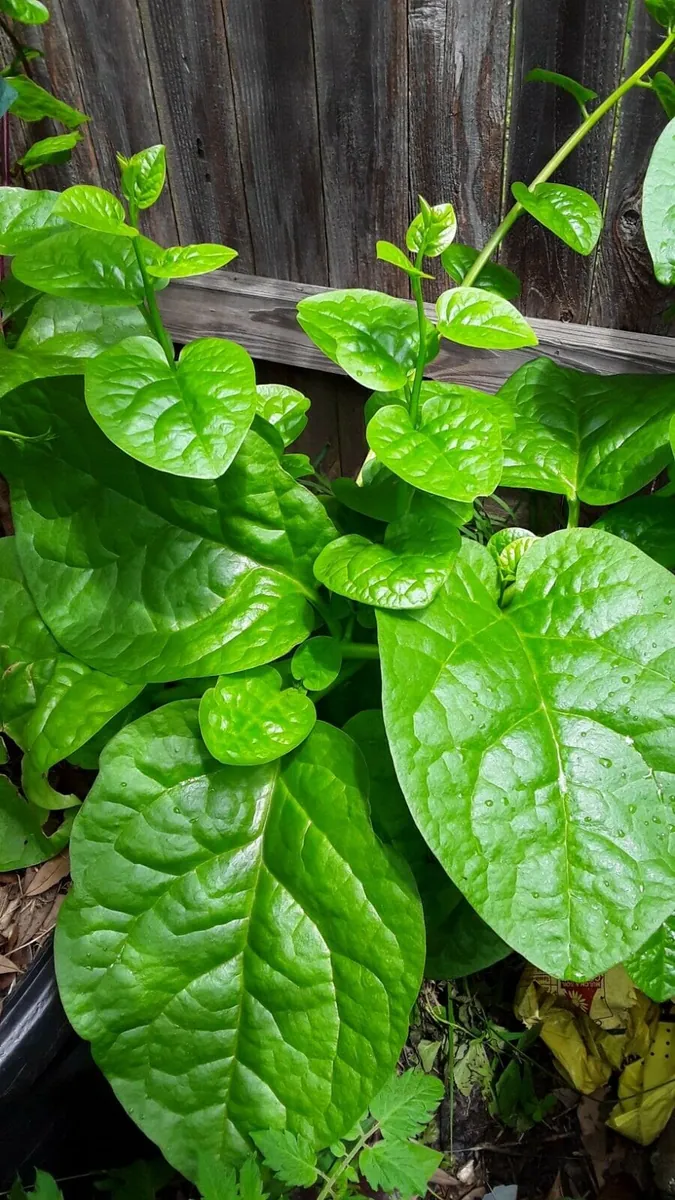
These Malabar spinach seeds will produce vigorous climbing vines that typically reach lengths of 6 to 10 feet, provided with adequate support. The plant features glossy, heart-shaped to oval leaves of a vibrant green hue, and succulent stems that can also be harvested for culinary use. When grown in USDA Zones 9 and 10, these vines can survive mild winters, behaving as perennials and offering multiple seasons of harvest. In colder climates, they are typically grown as annuals, completing their life cycle within a single warm growing season.
Each packet contains a generous quantity of seeds, allowing for multiple plantings or an abundant harvest from a single sowing. The seeds are suitable for sowing indoors 5 weeks before the last frost, and then transplanting outdoors in mid to late spring. Expect germination within 1 to 3 weeks under ideal conditions (65°F-75°F). The mature plants, whether grown in the ground or in containers (3-gallon or larger recommended), will provide a continuous yield of fresh leaves and tender stems throughout the warm months, making it a highly productive choice for your garden. This edible landscape plant is known for its relatively fast growth rate once established.
Frequently Asked Questions
- Q: How big does Malabar spinach get? A: Malabar spinach is a climbing vine that can reach lengths of 6 to 10 feet when provided with suitable support. It’s a vigorous grower that will readily climb trellises, fences, or other structures.
- Q: Is Malabar spinach an indoor or outdoor plant? A: While it thrives outdoors in warm climates (USDA Zones 9-10 as a perennial, elsewhere as an annual), it can be grown indoors in containers with sufficient light and warmth, especially during colder months.
- Q: How much sunlight does Malabar spinach need? A: Malabar spinach prefers full sun, ideally receiving at least 6-8 hours of direct sunlight per day. It loves heat and humidity, which contributes to vigorous growth.
- Q: Is this plant easy to care for? A: Yes, Malabar spinach is known for being relatively easy to care for, especially in warm climates. Its main requirements are full sun, consistent moisture, and vertical support for climbing.
- Q: What condition will the Malabar spinach seeds arrive in? A: Your Malabar spinach seeds will arrive in a sealed packet, ready for planting. They are carefully packaged to ensure freshness and viability upon arrival.
- Q: When is the best time to plant Malabar spinach seeds? A: Sow seeds indoors 5 weeks before the last frost, then transplant outdoors in mid to late spring when temperatures are consistently above 40°F.
- Q: Can I use Malabar spinach in cooking? A: Absolutely! Malabar spinach is excellent in stir-fries, hotpots, curries, and soups. Both the glossy leaves and tender stems are edible and nutritious, offering a mild, slightly peppery taste.
- Q: Will Malabar spinach survive winter in my zone? A: In USDA Zones 9 and 10, Malabar spinach can survive mild winters and grow as a perennial. In colder zones, it is typically grown as an annual and will need to be replanted each spring.
- Q: What type of soil does Malabar spinach prefer? A: It prefers well-draining, fertile soil. Amending with compost or other organic matter will promote healthy growth and a bountiful harvest for your tropical spinach.
- Q: Can I grow Malabar spinach in containers? A: Yes, Malabar spinach is well-suited for container gardening. Use a container of at least 3 gallons with good drainage and provide a trellis or support for the climbing vines.
| Count | 100+, 20+, 50+, 500+ |
|---|
Related products
-48%
Original price was: $28.99.$14.99Current price is: $14.99.
-48%
Original price was: $28.99.$14.99Current price is: $14.99.
-50%


Original price was: $19.96.$9.98Current price is: $9.98.
-48%
Original price was: $28.99.$14.99Current price is: $14.99.
-48%
Original price was: $28.99.$14.99Current price is: $14.99.
-50%

Original price was: $19.00.$9.50Current price is: $9.50.
-48%
Original price was: $28.99.$14.99Current price is: $14.99.
PLANTING & CARE

Growing Glencoe Raspberry: A Complete Guide for Gardeners
If you’re looking to add something unique to your garden, look no further than the
31
Mar
Mar

The Comprehensive Guide to Growing Bay Leaf Plants for a Flavorful Garden
Imagine stepping into your garden, greeted by the earthy aroma of fresh bay leaves, their
09
Feb
Feb

How to Make Comfrey Tea: The Ultimate Organic Plant Food
Growing an organic garden can be surprisingly expensive, especially when most store-bought fertilizers come in
02
Feb
Feb

True Comfrey: 7 Essential Tips Before You Plant This Herb
A staple in permaculture practices across the US, True Comfrey easily earns its reputation as
27
Jan
Jan

7 Heart-Shaped Plants for a Lasting Valentine’s Gift
If you’ve ever bought a bouquet of roses for Valentine’s Day, you know they are
26
Jan
Jan

Best Types of Ivy Plant for Houses: How to Choose the Perfect Ones for Your Home
Are you a garden lover looking to introduce some greenery into your home? Maybe you’ve
14
Nov
Nov

When to Harvest Garlic (Especially Fall-Planted Garlic)
TIMING IS EVERYTHING, they say – and for garlic, that truth hits with surprising accuracy.
13
Nov
Nov

11 of the Best Sweet Potato Varieties to Grow for Your Garden
If you’ve ever tried growing sweet potatoes, you know that picking the right variety can
12
Nov
Nov