West Indian Lemongrass Seeds – Non-GMO Culinary Herb for Garden & Repellent
-50%
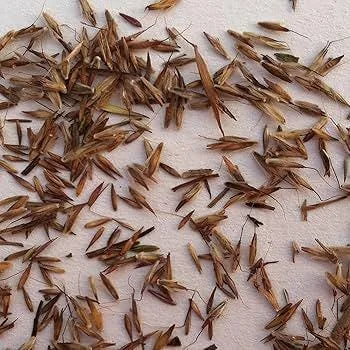
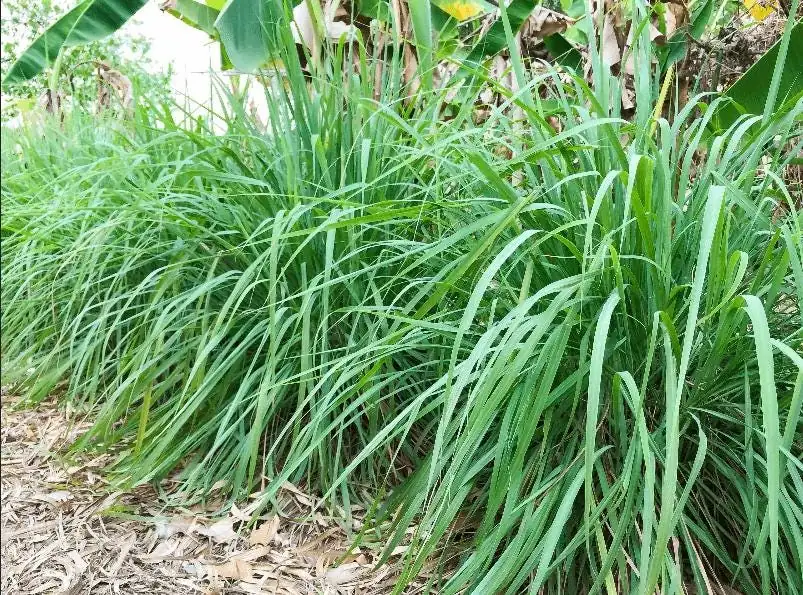
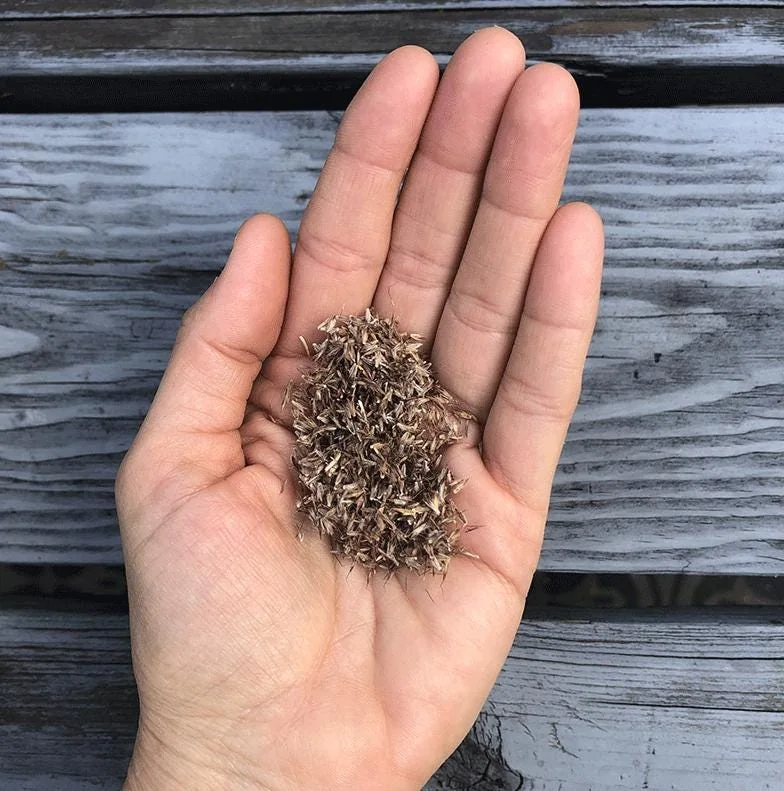


West Indian Lemongrass Seeds – Non-GMO Culinary Herb for Garden & Repellent
Cultivate your own tender and flavorful West Indian lemongrass seeds. These non-GMO seeds grow into a versatile culinary herb, perfect for adding a minty, citrusy zest to dishes, and also known as a natural mosquito repellent for your garden.
From Original price was: $8.00.$4.00Current price is: $4.00.

With our Alive & Thrive Guarantee, we’ve got your back for the first 30 days! If you have any concerns about your plants, just reach out to us. Our team is here to help answer your questions and guide you in selecting the best plants for your garden, climate, and unique preferences. We're excited to help you create the garden of your dreams!
Estimated arrival
Apr 06
Apr 11 - Apr 13
Apr 16 - Apr 20


Product Details
-
USDA Hardiness Zone
USDA zones 9-11 (Perennial), Annual in colder zones -
Soil type
Well-draining, fertile soil -
Sunlight Exposure
Full sun -
Expected Planting Period
Early spring to late spring (indoors), after last frost (outdoors)
Overview
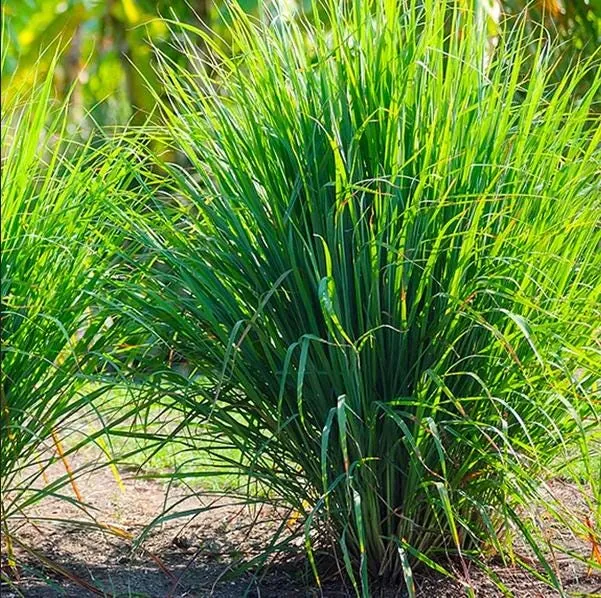
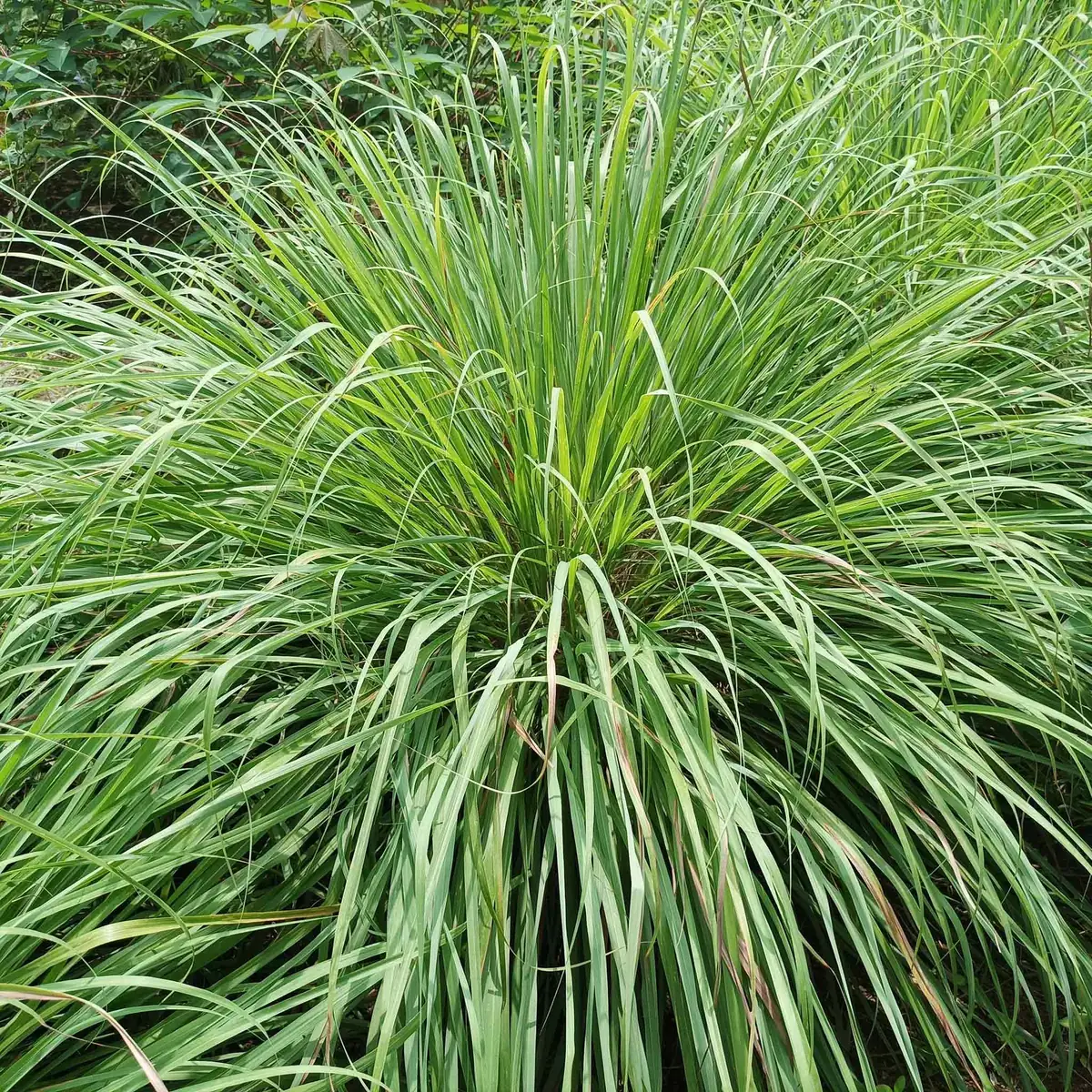
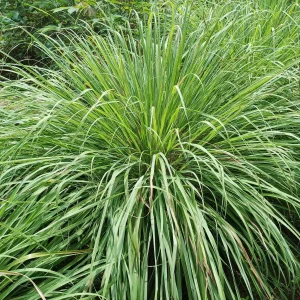
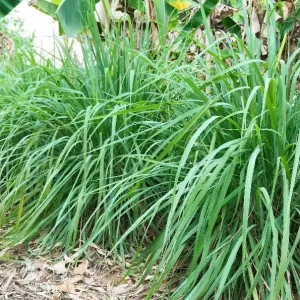
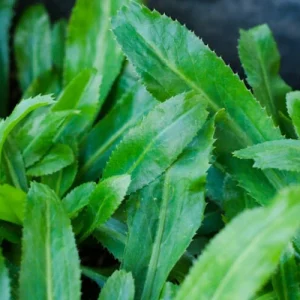
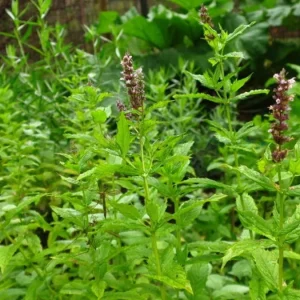
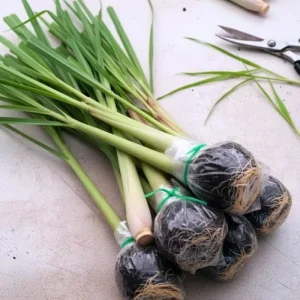
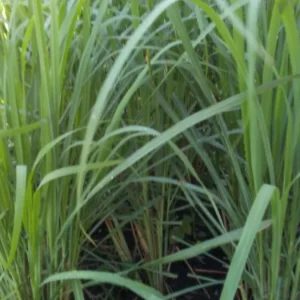
Start your own aromatic garden with these high-quality West Indian lemongrass seeds. Renowned for its tender, edible blades and refreshing citrus-mint aroma, West Indian lemongrass (Botanical Name: Cymbopogon citratus seeds) is a must-have for any culinary enthusiast or gardener seeking a functional and beautiful plant. Unlike its more fibrous relatives, this variety is prized for its delicious culinary applications, making it an excellent choice for soups, stir-fries, and marinades. Beyond the kitchen, its natural fragrance also acts as a subtle natural mosquito repellent, enhancing the comfort of your outdoor spaces. These fresh, non-GMO seeds offer a rewarding growing experience, transforming into elegant, grass-like plants that can reach heights of 24-48 inches, adding both beauty and utility to your garden or patio.
Growing lemongrass from seed is a fulfilling project, offering the satisfaction of nurturing a plant from its very beginning. With a germination time of 7-10 days and maturity in 90-100 days, you’ll soon be harvesting your own fresh lemongrass. Whether you’re an experienced gardener or just starting, these seeds provide an opportunity to cultivate a versatile herb that thrives in warm climates and can be grown as an annual in cooler regions. Enjoy the dual benefits of a flavorful ingredient and an effective insect deterrent with this exceptional plant.
Key Benefits
Integrating West Indian lemongrass seeds into your garden brings a multitude of advantages, from culinary delight to practical garden solutions. Discover why this herb is a cherished addition:
- Culinary Versatility: The tender, minty, and citrus-flavored blades of West Indian lemongrass are perfect for a wide array of dishes. Use them fresh in soups, curries, marinades, salad dressings, and stir-fries to impart a unique, bright flavor. It’s also excellent for brewing herbal teas.
- Natural Insect Repellent: The fresh, lemony scent of Cymbopogon citratus seeds is not only pleasant to humans but also acts as a natural mosquito repellent, helping to keep your outdoor living areas more comfortable without harsh chemicals.
- Aromatic Appeal: Beyond its culinary and pest-repelling qualities, lemongrass offers a delightful fragrance that can enhance your garden’s ambiance. It’s a popular choice in natural fragrances and soaps due to its clean, uplifting scent.
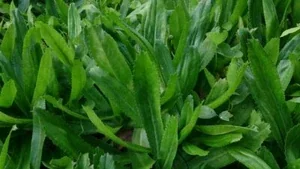
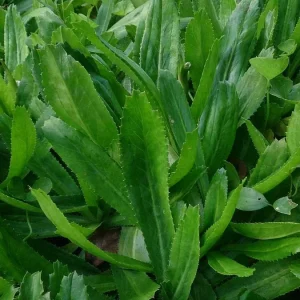
- Ornamental Value: Growing to an impressive height of 24-48 inches, this lemongrass variety serves as an attractive ornamental grass in the garden. Its elegant, upright growth habit provides a lovely textural element to landscapes, similar to festuca grass.
- Easy to Grow: With proper care and attention to germination, grow lemongrass from seed can be a straightforward process. Once established, these plants are relatively low-maintenance, making them suitable for gardeners of various skill levels.
- Freshness Guaranteed: By cultivating your own lemongrass, you ensure a constant supply of fresh, non-GMO herbs, readily available whenever you need them for cooking or for their aromatic benefits.
- Health and Wellness: Lemongrass is often used in traditional medicine for its various potential health benefits, adding another layer of value to growing this herb at home.
Plant Care & Growing Tips
Successfully cultivating West Indian lemongrass seeds requires attention to detail, especially during the germination phase. To grow lemongrass from seed, start by preparing a seed tray filled with a high-quality, well-draining seed-starting mix. Lightly moisten the soil before sowing the seeds on the surface, covering them very lightly with a thin layer of soil. Mist the newly planted seeds with water to ensure good seed-to-soil contact. To create an ideal mini-greenhouse environment, cover the tray with a clear plastic dome or plastic wrap, which helps maintain consistent moisture and warmth, crucial for the germination of Cymbopogon citratus seeds.
Maintain the seed tray in a warm, bright spot with temperatures between 70-80°F (21-27°C) for optimal germination. A heating mat can be very beneficial for maintaining consistent warmth. Keep the soil consistently moist but never waterlogged, as overwatering can lead to rot. Patience is key, as West Indian lemongrass seeds can take 1-3 weeks to germinate. Once seedlings appear, remove the plastic cover and continue to keep the soil moist but not soaked. When soil temperatures reliably reach 70°F, usually after the last frost, seedlings can be transplanted into larger pots or directly into the garden. For established plants, provide full sun exposure (at least 6-8 hours of direct sunlight daily) and well-draining soil. In warmer climates, it can be grown year-round, while in cooler zones, it’s best treated as an annual or brought indoors during winter. Fertilize sparingly with a balanced liquid fertilizer during the growing season. This care will ensure healthy and productive plants, offering both culinary delight and a natural mosquito repellent.
Size & Details
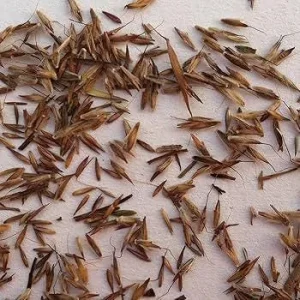
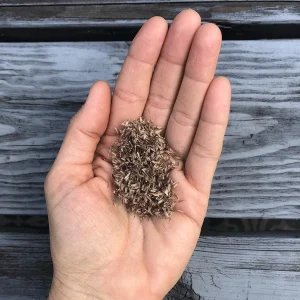
These West Indian lemongrass seeds will grow into mature plants typically reaching a height of 24 to 48 inches (60-120 cm) and a similar spread, forming attractive clumps of grass-like foliage. The plant’s growth habit is upright and vigorous, contributing a strong vertical element to garden designs. Days to maturity for harvesting the flavorful blades is approximately 90-100 days from seeding, while germination usually occurs within 7-10 days under ideal conditions. Each packet contains fresh, non-GMO seeds, ready for planting to help you grow lemongrass from seed. The seeds are suitable for starting indoors on a heating mat or in a warm, bright location before transplanting outdoors once soil temperatures are consistently warm. This variety, Cymbopogon citratus seeds, is specifically chosen for its tender, culinary-grade leaves.
Frequently Asked Questions
- Q: How big does this plant get? A: West Indian lemongrass typically grows to a height of 24 to 48 inches (2-4 feet) with a similar spread, forming dense clumps of upright foliage. Its size makes it suitable for both garden beds and larger containers.
- Q: Is this an indoor or outdoor plant? A: While it thrives outdoors in warm climates (USDA zones 9-11) as a perennial, in cooler regions, it is best grown as an annual outdoors or brought indoors during colder months. It can also be grown year-round in pots indoors with sufficient light.
- Q: How much sunlight does it need? A: Lemongrass requires full sun exposure, meaning at least 6-8 hours of direct sunlight per day, to achieve its best growth and flavor. In very hot climates, some afternoon shade can be beneficial.
- Q: Is this plant easy to care for? A: Once germinated and established, lemongrass is relatively easy to care for, requiring consistent moisture and plenty of sunlight. The most critical step is ensuring proper germination conditions for the West Indian lemongrass seeds.
- Q: Can I use West Indian lemongrass in cooking? A: Absolutely! This variety is specifically prized for its tender, minty, citrus-flavored blades, making it an excellent culinary herb for soups, curries, teas, marinades, and stir-fries. It’s a key ingredient in many Asian cuisines.
- Q: How long until I can harvest the lemongrass? A: You can typically begin harvesting the outer stalks of your lemongrass about 90-100 days after planting the seeds, once the plant is well established and has several mature stalks.
- Q: What condition will the seeds arrive in? A: The seeds are packaged fresh and non-GMO, ready for planting upon arrival. They should be stored in a cool, dry place until you are ready to sow them.
- Q: Do these seeds produce a natural mosquito repellent? A: Yes, the strong, fresh, lemony scent produced by the mature Cymbopogon citratus seeds plants is known to be a natural mosquito repellent, making it a great addition to patios and outdoor seating areas.
- Q: What is the best time to plant these seeds? A: The best time to start grow lemongrass from seed indoors is 6-8 weeks before your last expected frost date. You can transplant seedlings outdoors once all danger of frost has passed and soil temperatures consistently reach 70°F.
- Q: What kind of soil does lemongrass prefer? A: Lemongrass thrives in fertile, well-draining soil. A good quality potting mix or garden soil amended with compost will provide the necessary nutrients and drainage for strong growth.
| Seeds | 100 Seeds, 25 Seeds, 250 Seeds, 50 Seeds, 500 Seeds |
|---|
Related products
-50%
From Original price was: $64.00.$32.00Current price is: $32.00.
-50%
Original price was: $32.00.$16.00Current price is: $16.00.



PLANTING & CARE

Growing Glencoe Raspberry: A Complete Guide for Gardeners
If you’re looking to add something unique to your garden, look no further than the
31
Mar
Mar

The Comprehensive Guide to Growing Bay Leaf Plants for a Flavorful Garden
Imagine stepping into your garden, greeted by the earthy aroma of fresh bay leaves, their
09
Feb
Feb

How to Make Comfrey Tea: The Ultimate Organic Plant Food
Growing an organic garden can be surprisingly expensive, especially when most store-bought fertilizers come in
02
Feb
Feb

True Comfrey: 7 Essential Tips Before You Plant This Herb
A staple in permaculture practices across the US, True Comfrey easily earns its reputation as
27
Jan
Jan

7 Heart-Shaped Plants for a Lasting Valentine’s Gift
If you’ve ever bought a bouquet of roses for Valentine’s Day, you know they are
26
Jan
Jan

Best Types of Ivy Plant for Houses: How to Choose the Perfect Ones for Your Home
Are you a garden lover looking to introduce some greenery into your home? Maybe you’ve
14
Nov
Nov

When to Harvest Garlic (Especially Fall-Planted Garlic)
TIMING IS EVERYTHING, they say – and for garlic, that truth hits with surprising accuracy.
13
Nov
Nov

11 of the Best Sweet Potato Varieties to Grow for Your Garden
If you’ve ever tried growing sweet potatoes, you know that picking the right variety can
12
Nov
Nov