Catnip Seeds – 1000+ NON-GMO Perennial Herb for Garden, Cats & Tea
-50%


Catnip Seeds – 1000+ NON-GMO Perennial Herb for Garden, Cats & Tea
Cultivate your own supply of catnip seeds with this generous pack of over 1000 NON-GMO catnip herb seeds. Ideal for gardeners, cat owners, and tea enthusiasts, these perennial seeds promise robust growth and versatile uses. Enjoy the aromatic foliage and small blue flowers that attract beneficial pollinators.
From Original price was: $12.00.$6.00Current price is: $6.00.

With our Alive & Thrive Guarantee, we’ve got your back for the first 30 days! If you have any concerns about your plants, just reach out to us. Our team is here to help answer your questions and guide you in selecting the best plants for your garden, climate, and unique preferences. We're excited to help you create the garden of your dreams!
Estimated arrival
Mar 18
Mar 23 - Mar 25
Mar 28 - Apr 01



Product Details
-
USDA Hardiness Zone
USDA zones 3-9 -
Soil type
Well-draining, sandy or loamy soil -
Sunlight Exposure
Full sun to partial shade -
Expected Planting Period
Spring to early summer
Overview
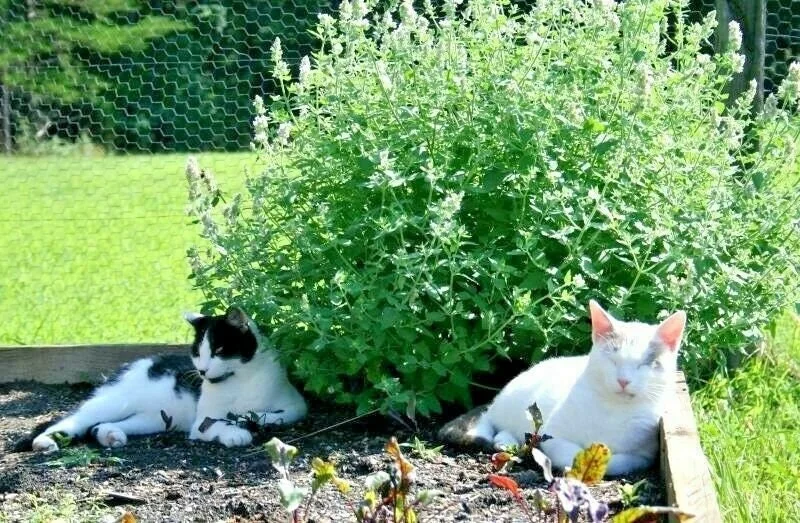
Cultivate your own vibrant garden and delight your feline friends with this generous pack of catnip seeds. These NON-GMO catnip herb seeds (Nepeta cataria) offer an abundant supply for a variety of uses, from attracting beneficial pollinators to providing a natural stimulant for cats and a calming tea for humans. Known for its distinctive mint-like fragrance and attractive greenish-gray foliage, catnip is a hardy perennial that thrives in many garden settings. Growing your own catnip from seed is a rewarding experience, allowing you to enjoy fresh, organic catnip right from your backyard or patio.
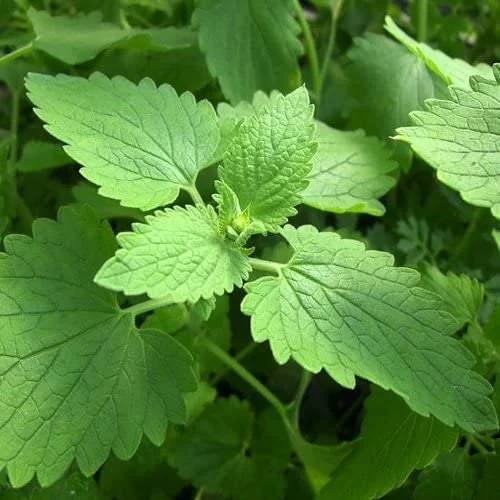
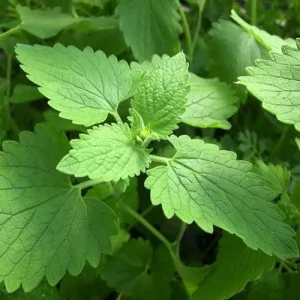
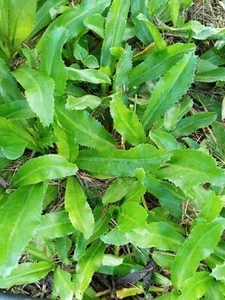
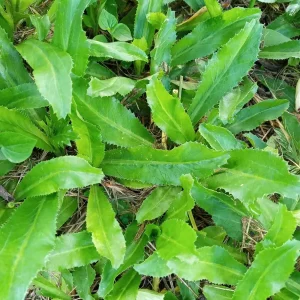
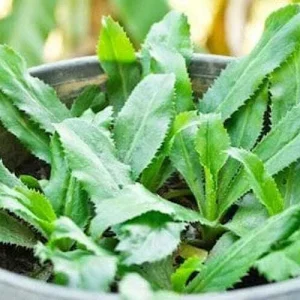
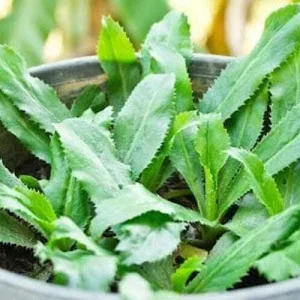
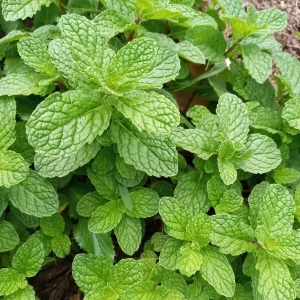
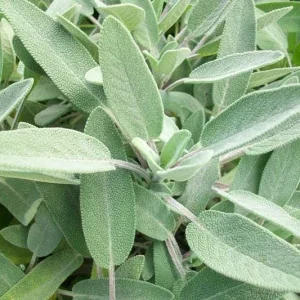
Known also as “catmints,” these heirloom plants are members of the mint family and are remarkably easy to grow. They develop into upright perennial herbs, reaching heights of 1-3 feet during the warmer seasons. The aromatic catnip foliage provides an herbaceous, minty scent with edible, sage-colored leaves that grow jagged and 1-3 inches long by summer. Small bilabiate blooms can be white, spotted with purple or pink, adding a delicate beauty to your garden. This product provides approximately 1 lb, which translates to over 768,000 seeds, ensuring a plentiful harvest for years to come.
Key Benefits
Growing your own catnip herb offers a multitude of benefits for both your garden and your household. These versatile plants are not only easy to cultivate but also provide enjoyment and utility in various forms.
- Attract Beneficial Pollinators: The fragrant flowers of the catnip herb are a magnet for bees and butterflies, helping to support local ecosystems and enhance the biodiversity of your garden.
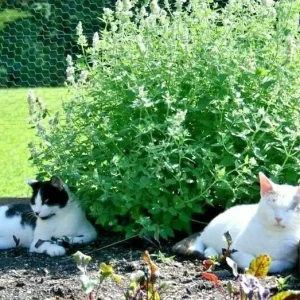
- Natural Cat Stimulant & Calmer: Freshly grown or dried catnip provides a safe and natural way to stimulate play and exercise in cats, or conversely, to help calm anxious felines, making it an excellent natural toy.
- Culinary and Medicinal Uses: Beyond its appeal to cats, catnip leaves can be used by humans to steep a calming, minty herbaceous tea. It can also serve as an aromatic garnish for salads or a seasoning in soups.
- Easy to Grow Perennial: As a hardy perennial, catnip requires minimal maintenance once established, returning year after year with lush foliage and fragrant blooms. It’s an ideal choice for both novice and experienced gardeners.
- Heirloom & NON-GMO Quality: These catnip seeds are heirloom and NON-GMO, ensuring you’re planting a pure, natural variety free from genetic modification, contributing to a healthier garden.
- Aromatic Garden Addition: The distinctive mint-like fragrance of catnip adds a pleasant aroma to your garden space, creating a sensory experience that is both refreshing and inviting.
- Versatile Garden Placement: Catnip can be grown in garden beds, containers, or even as an ornamental plant, making it suitable for various garden designs and spaces.
Plant Care & Growing Tips
To successfully grow catnip from these catnip seeds, understanding its basic care requirements is essential. Catnip (Nepeta cataria) is a resilient herb that thrives in temperate climates, making it relatively easy to cultivate. It generally prefers full sun to partial shade, meaning it should receive at least 6 hours of direct sunlight daily for optimal growth, though it can tolerate some afternoon shade in hotter regions. When considering how to grow catnip, remember that good drainage is crucial to prevent root rot.
For soil, catnip is not overly particular but prefers well-draining soil with a neutral to slightly alkaline pH. Sandy or loamy soils are ideal. Water regularly during dry spells, especially when the plants are young, but allow the soil to dry out between waterings. Established plants are quite drought-tolerant. Catnip is typically hardy in USDA zones 3-9. While it can reach 1-3 feet in height, pinching back flowers can help control its spread and encourage bushier growth. Fertilization is generally not heavily needed; a light application of a balanced organic fertilizer in spring is usually sufficient. Keep an eye out for common garden pests, though catnip is generally resistant.
Size & Details
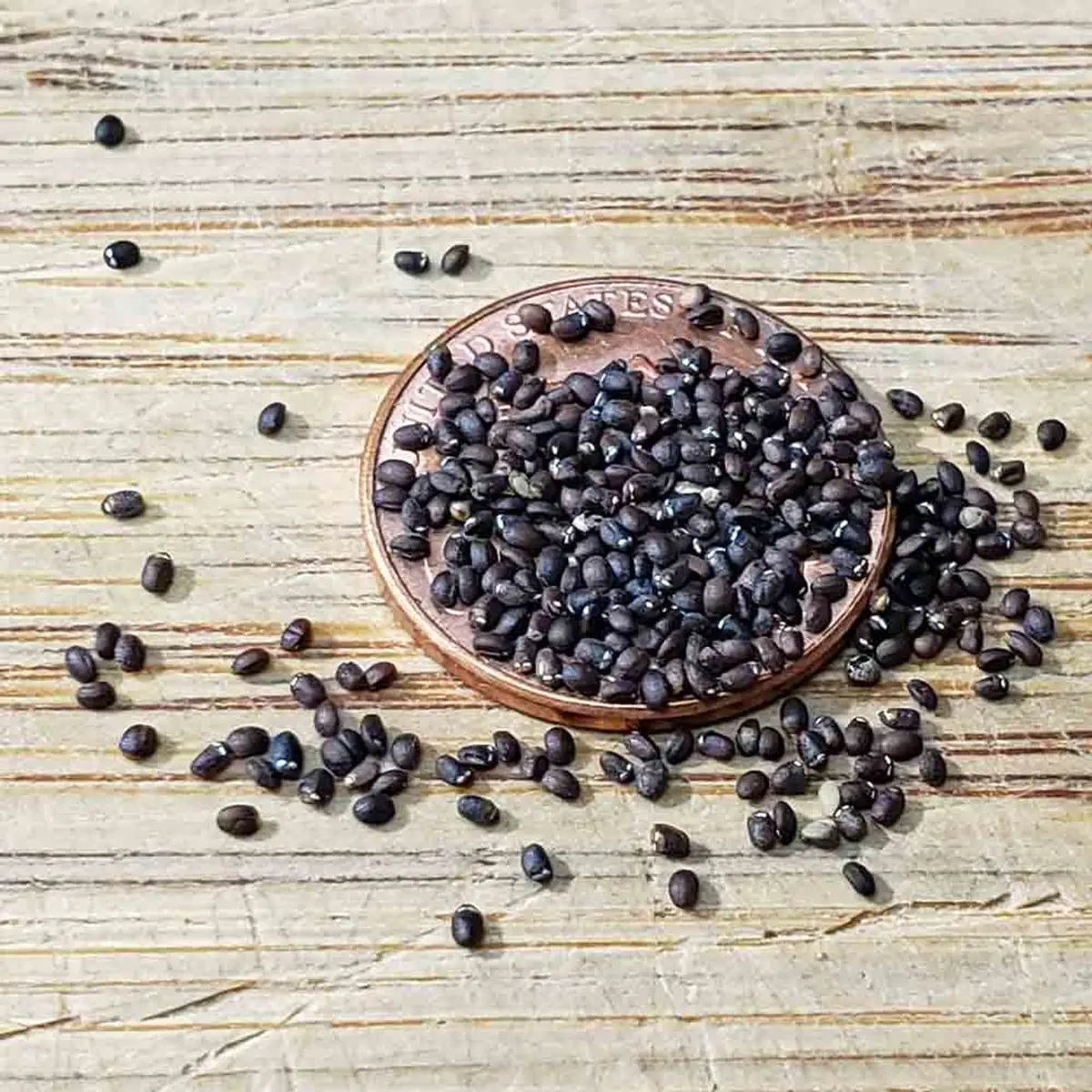
This package contains approximately 1 pound of catnip seeds, which translates to an impressive count of over 768,000 seeds, ensuring a robust and long-lasting supply for your gardening needs. The Catnip Herb (Nepeta cataria) plants will grow as upright perennial herbs, typically reaching a mature height of 1-3 feet (approximately 30-90 cm) during the warmer growing season. The aromatic foliage features sage-colored leaves that are jagged and can grow 1-3 inches long. Small bilabiate blooms, which can be white, spotted with purple or pink, appear throughout the growing season.
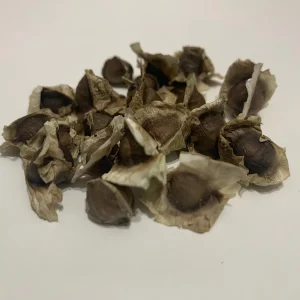
Seeds are shipped in a protective packet, ready for planting. The typical germination period for these nepeta cataria seeds can vary, but with proper conditions, you can expect seedlings to emerge within 7-14 days. The plant will establish quickly and begin producing fragrant foliage and flowers. The dried herb has a distinct mint-like fragrance, and the plant is native to dry temporal climates, thriving in mild conditions. This quantity allows for extensive planting, whether for a large herb garden, attracting wildlife, or providing treats for multiple feline companions.
Frequently Asked Questions
- Q: How big does this catnip plant get? A: The catnip herb plants typically grow as upright perennials, reaching a height of 1-3 feet (30-90 cm) during the warmer growing season. Its spread can be controlled by pinching back flowers.
- Q: What are the primary uses for these catnip seeds? A: These catnip seeds are primarily used for growing catnip plants that can attract beneficial pollinators, provide a natural stimulant or calming agent for cats, and be used by humans to make a calming herbal tea or as a culinary seasoning.
- Q: Is this catnip plant easy to care for? A: Yes, catnip is known for being a very easy-to-care-for perennial herb. It’s quite hardy and drought-tolerant once established, making it suitable for beginners and experienced gardeners alike. Proper soil drainage is key.
- Q: How much sunlight does catnip need to grow? A: Catnip thrives in full sun to partial shade, ideally receiving at least 6 hours of direct sunlight each day. In very hot climates, a bit of afternoon shade can be beneficial.
- Q: When is the best time to plant catnip seeds? A: The best time to plant nepeta cataria seeds is typically in spring after the last frost, or you can start them indoors 6-8 weeks before the last frost date for an earlier harvest.
- Q: Can humans consume catnip? A: Yes, catnip can be consumed by humans in small, single-serving amounts. It’s often steeped into a calming tea. However, it is not recommended for children or pregnant individuals.
- Q: Will growing catnip attract other animals besides cats? A: While cats are famously attracted to catnip, the plant’s fragrant flowers are also very popular with beneficial pollinators such as bees and butterflies, making it a great addition to a pollinator garden.
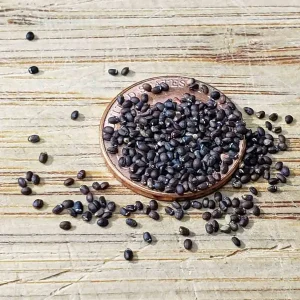
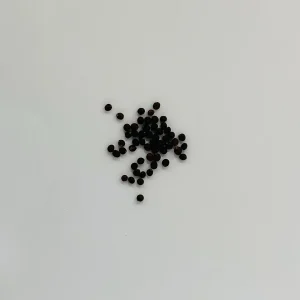
- Q: How many seeds are included in this package? A: This package contains approximately 1 pound of catnip seeds, which is roughly equivalent to over 768,000 individual seeds, providing an abundant supply for extensive planting.
- Q: What kind of soil does catnip prefer? A: Catnip prefers well-draining soil, such as sandy or loamy types, with a neutral to slightly alkaline pH. Good drainage is essential to prevent water accumulation around the roots.
- Q: Is this catnip NON-GMO? A: Yes, these are NON-GMO catnip seeds, ensuring you are planting a natural and unaltered variety of this popular herb.
| Package | 1000 Seeds, 10K Seeds, 5000 Seeds |
|---|
Related products

-50%
From Original price was: $64.00.$32.00Current price is: $32.00.

-50%
Original price was: $32.00.$16.00Current price is: $16.00.
PLANTING & CARE

The Comprehensive Guide to Growing Bay Leaf Plants for a Flavorful Garden
Imagine stepping into your garden, greeted by the earthy aroma of fresh bay leaves, their
09
Feb
Feb

How to Make Comfrey Tea: The Ultimate Organic Plant Food
Growing an organic garden can be surprisingly expensive, especially when most store-bought fertilizers come in
02
Feb
Feb

True Comfrey: 7 Essential Tips Before You Plant This Herb
A staple in permaculture practices across the US, True Comfrey easily earns its reputation as
27
Jan
Jan

7 Heart-Shaped Plants for a Lasting Valentine’s Gift
If you’ve ever bought a bouquet of roses for Valentine’s Day, you know they are
26
Jan
Jan

Best Types of Ivy Plant for Houses: How to Choose the Perfect Ones for Your Home
Are you a garden lover looking to introduce some greenery into your home? Maybe you’ve
14
Nov
Nov

When to Harvest Garlic (Especially Fall-Planted Garlic)
TIMING IS EVERYTHING, they say – and for garlic, that truth hits with surprising accuracy.
13
Nov
Nov

11 of the Best Sweet Potato Varieties to Grow for Your Garden
If you’ve ever tried growing sweet potatoes, you know that picking the right variety can
12
Nov
Nov
Pruning Bougainvillea for Winter
Bougainvillea vines are known for their dazzling display of magenta, orange, and fuchsia bracts that
05
Nov
Nov