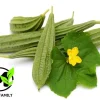
Angled Luffa Seeds – Ridged Sponge Gourd Seeds (Mướp Khía) for Garden
-50%
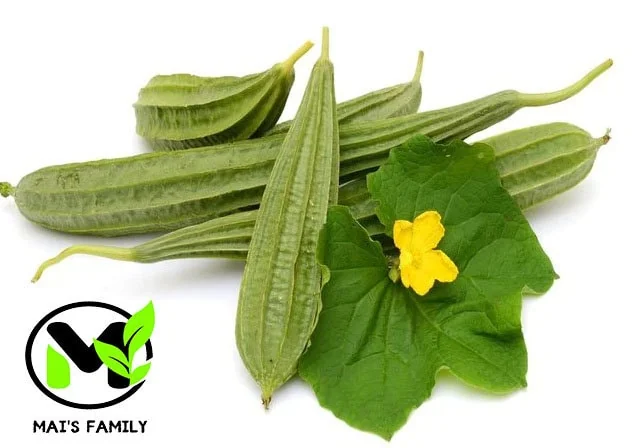
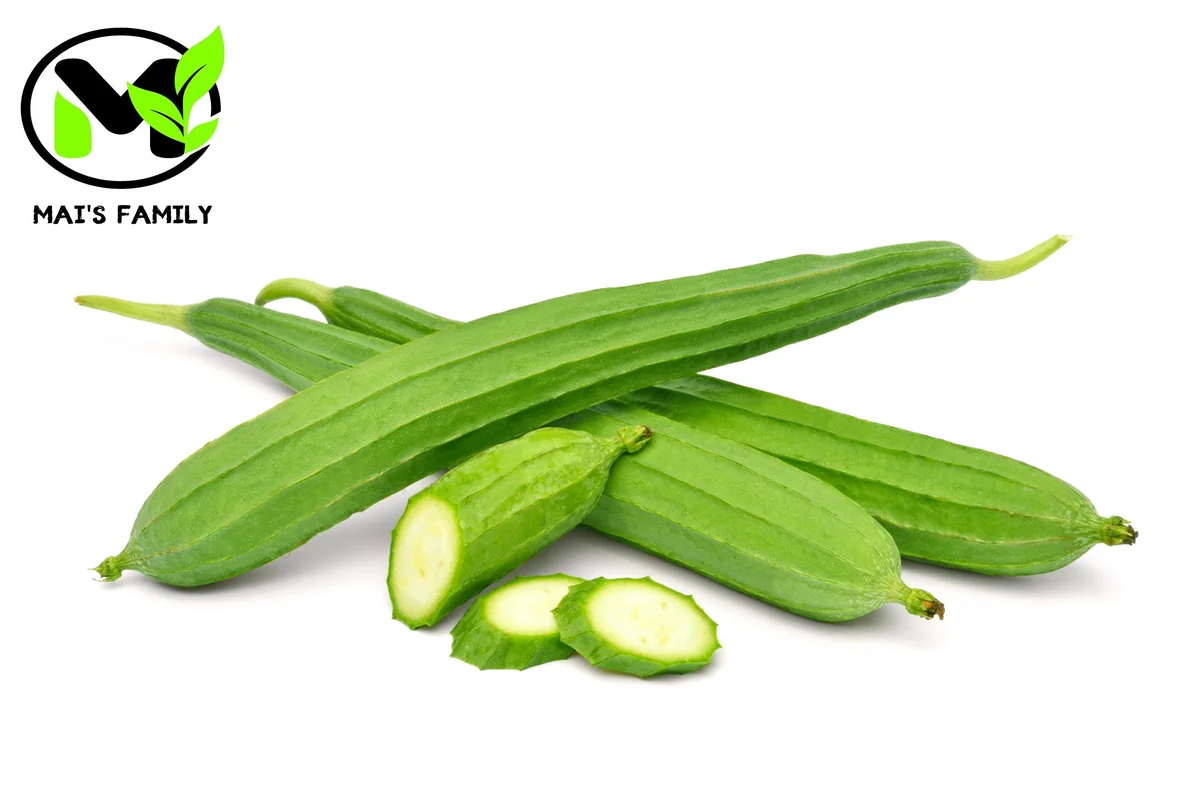


Angled Luffa Seeds – Ridged Sponge Gourd Seeds (Mướp Khía) for Garden
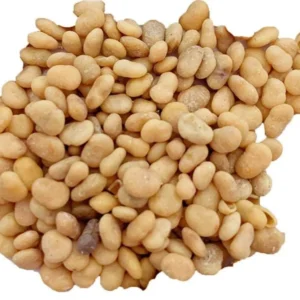
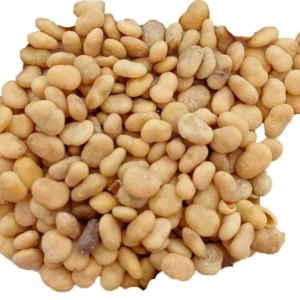
Cultivate your own delicious and versatile angled luffa seeds, also known as ridged sponge gourd seeds or mướp khía seeds. These high-quality seeds are perfect for gardeners looking to add a unique and flavorful vegetable to their home garden, commonly used in various Asian cuisines. Enjoy fresh, home-grown luffa with proper angled luffa plant care.
From Original price was: $10.00.$5.00Current price is: $5.00.

With our Alive & Thrive Guarantee, we’ve got your back for the first 30 days! If you have any concerns about your plants, just reach out to us. Our team is here to help answer your questions and guide you in selecting the best plants for your garden, climate, and unique preferences. We're excited to help you create the garden of your dreams!
Estimated arrival
Apr 03
Apr 08 - Apr 10
Apr 13 - Apr 17











Product Details
-
USDA Hardiness Zone
USDA zones 9-11 (as annual) -
Soil type
Well-draining, fertile soil -
Sunlight Exposure
Full sun (6-8+ hours daily) -
Expected Planting Period
Spring to early summer
Overview
Introduce a unique and delicious vegetable to your garden with these premium angled luffa seeds. Also widely known as ridged luffa or ridged sponge gourd seeds, and colloquially as Mướp Khía, these seeds will grow into vigorous tropical vines producing long, distinctively ridged fruits. The angled luffa (Luffa acutangula) is a prized ingredient in many Asian cuisines, particularly in Southeast Asia and China, where its tender young fruits are used in stir-fries, soups, and curries. Belonging to the Cucurbitaceae family, alongside cucumbers and melons, these plants are not only productive but also offer an interesting visual appeal with their climbing vines. Growing angled luffa from seeds allows you to experience the satisfaction of cultivating your own fresh, organic produce right in your backyard.
These high-quality seeds are selected to ensure robust growth and abundant harvests. Whether you’re an experienced gardener or just starting, the process of growing angled luffa seeds is rewarding. The resulting fruits can be enjoyed fresh, or if allowed to mature, they can even be processed into natural exfoliating sponges, showcasing the plant’s incredible versatility. Prepare your garden for a bountiful yield of this tropical delight, perfect for culinary adventures and sustainable living.
Key Benefits
Growing angled luffa seeds offers a multitude of benefits, from culinary exploration to garden aesthetics and sustainability. These benefits make them an excellent choice for any home gardener.
- Culinary Versatility: The young fruits of the angled luffa are a staple in many Asian dishes. Their mild flavor and tender texture make them perfect for stir-fries, curries, and soups, adding a healthy and delicious element to your meals.
- High Yield Potential: Angled luffa vines are vigorous growers and can produce a significant amount of fruit throughout the growing season, providing a continuous fresh supply for your kitchen.
- Natural Sponges: If left to mature on the vine, the fruits develop a fibrous interior that can be harvested and processed into natural exfoliating sponges, offering a sustainable alternative to synthetic products.
- Attractive Vining Plant: The lush green foliage and climbing habit of the angled luffa plant make it an attractive addition to trellises, fences, or arbors, providing both shade and beauty to your garden.
- Health Benefits: Luffa is known for being low in calories and rich in dietary fiber, vitamins, and minerals, contributing to a healthy diet.
- Engaging Growing Experience: Observing the rapid growth of the vines and the development of the ridged fruits is a rewarding experience for gardeners of all levels, especially when you grow luffa from seeds.
- Supports Pollinators: The flowers of the angled luffa attract bees and other pollinators, contributing to the biodiversity and health of your garden ecosystem.
Plant Care & Growing Tips
Successful cultivation of angled luffa seeds requires attention to specific environmental factors and consistent care. Starting your seeds indoors is recommended about 3-4 weeks before the last expected frost date in your area. Plant the seeds approximately 1 inch deep in well-draining seed-starting mix, ensuring the soil remains consistently moist but not waterlogged. Optimal germination temperatures range between 75-85°F (24-29°C), so place containers in a warm location. Once the danger of frost has passed and seedlings have developed a few sets of true leaves, they are ready for transplanting.
Choose a sunny location in your garden that receives at least 6-8 hours of direct sunlight daily. The soil should be well-draining and enriched with organic matter such as compost or well-rotted manure to improve fertility and moisture retention. Space your angled luffa plants about 3-4 feet apart, as they are vigorous climbers and need ample room to spread. Providing a sturdy trellis, fence, or other support structure is crucial for the vines to climb, as they can grow quite tall and heavy with fruit. Consistent watering is essential throughout the growing season; keep the soil evenly moist, but be careful to avoid overwatering, which can lead to root rot. Apply a balanced fertilizer or compost every few weeks to provide adequate nutrients. Ensure good pollination by encouraging bees in your garden, as the plants rely on them for fruit set. Following these guidelines will help ensure healthy growth and a successful harvest of your mướp khía seeds.
Size & Details
These are high-quality angled luffa seeds, ready for planting to cultivate your own ridged sponge gourd. Each seed packet contains a generous quantity of viable seeds, typically allowing for multiple planting cycles or a substantial harvest from a single planting. The vines are known for their vigorous growth, often reaching lengths of 15-25 feet or more when provided with adequate support. The fruits are best harvested when young and tender, usually around 12-18 inches (30-45 cm) long, before they become fibrous. From planting to harvest, you can expect fruits within 90-120 days, depending on growing conditions and climate. The seeds are packaged to ensure freshness and optimal germination rates, making it easy to grow luffa from seeds.
Frequently Asked Questions
- Q: How big do angled luffa plants get? A: Angled luffa vines are very vigorous and can grow quite long, typically reaching 15-25 feet in length. They require a sturdy support structure like a trellis or fence to climb.
- Q: Is this an indoor or outdoor plant? A: Angled luffa is primarily an outdoor plant that thrives in warm climates and full sun. While it can be started indoors from angled luffa seeds, it needs to be transplanted outdoors once the weather is consistently warm.
- Q: How much sunlight does angled luffa need? A: These plants require full sun, meaning at least 6-8 hours of direct sunlight per day, to produce abundant fruits.
- Q: Is this plant easy to care for? A: Angled luffa is relatively easy to care for, especially if given proper sunlight, consistent water, and a strong support structure. It’s a great choice for gardeners looking for a productive vine. You just need to follow basic angled luffa plant care.
- Q: What condition will the seeds arrive in? A: The ridged sponge gourd seeds will arrive dry and carefully packaged to ensure their viability and readiness for planting upon receipt.
- Q: Can I use ridged sponge gourd in cooking? A: Absolutely! The young, tender fruits of the angled luffa are a delicious vegetable, popular in Asian cuisines for stir-fries, soups, and curries.
- Q: When is the best time to plant angled luffa seeds? A: It’s best to start mướp khía seeds indoors 3-4 weeks before your last frost date, then transplant them outdoors after all danger of frost has passed and the soil has warmed up.
- Q: What USDA zones are suitable for growing angled luffa? A: Angled luffa thrives in warm climates, typically USDA zones 9-11, where it can be grown as an annual. In cooler zones, it must be grown as an annual and started indoors.
- Q: How long until the first harvest? A: You can typically expect to start harvesting young angled luffa fruits within 90-120 days after planting the angled luffa seeds, depending on growing conditions.
- Q: Can these seeds be used to grow luffa for sponges? A: Yes, if you allow the fruits to fully mature and dry on the vine, the fibrous interior can be processed into natural exfoliating sponges. This is a great way to utilize the plant fully.
| Seeds | 10, 100, 20, 5, 50 |
|---|
Related products
-50%

Original price was: $51.96.$25.98Current price is: $25.98.
-48%


Original price was: $28.99.$14.99Current price is: $14.99.
-48%


Original price was: $28.99.$14.99Current price is: $14.99.
-50%
Original price was: $15.96.$7.98Current price is: $7.98.
-48%


Original price was: $28.99.$14.99Current price is: $14.99.
-48%

Original price was: $28.99.$14.99Current price is: $14.99.
-48%


Original price was: $28.99.$14.99Current price is: $14.99.
-50%


Original price was: $15.96.$7.98Current price is: $7.98.
PLANTING & CARE

Growing Glencoe Raspberry: A Complete Guide for Gardeners
If you’re looking to add something unique to your garden, look no further than the
31
Mar
Mar

The Comprehensive Guide to Growing Bay Leaf Plants for a Flavorful Garden
Imagine stepping into your garden, greeted by the earthy aroma of fresh bay leaves, their
09
Feb
Feb

How to Make Comfrey Tea: The Ultimate Organic Plant Food
Growing an organic garden can be surprisingly expensive, especially when most store-bought fertilizers come in
02
Feb
Feb

True Comfrey: 7 Essential Tips Before You Plant This Herb
A staple in permaculture practices across the US, True Comfrey easily earns its reputation as
27
Jan
Jan

7 Heart-Shaped Plants for a Lasting Valentine’s Gift
If you’ve ever bought a bouquet of roses for Valentine’s Day, you know they are
26
Jan
Jan

Best Types of Ivy Plant for Houses: How to Choose the Perfect Ones for Your Home
Are you a garden lover looking to introduce some greenery into your home? Maybe you’ve
14
Nov
Nov

When to Harvest Garlic (Especially Fall-Planted Garlic)
TIMING IS EVERYTHING, they say – and for garlic, that truth hits with surprising accuracy.
13
Nov
Nov

11 of the Best Sweet Potato Varieties to Grow for Your Garden
If you’ve ever tried growing sweet potatoes, you know that picking the right variety can
12
Nov
Nov