Long Bottle Gourd Seeds – F1 Hybrid Calabash Gourd Seeds – NON-GMO
-50%
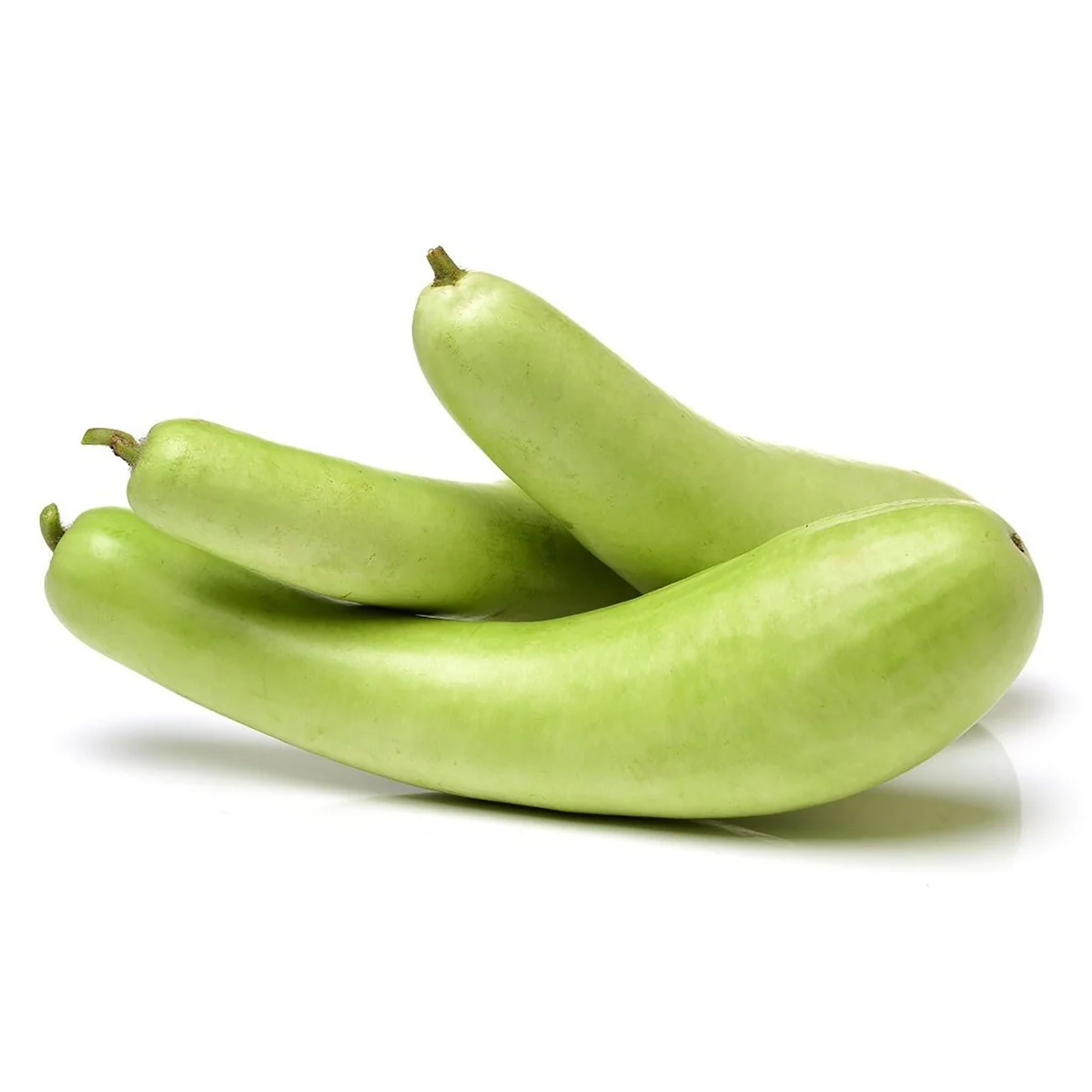
Long Bottle Gourd Seeds – F1 Hybrid Calabash Gourd Seeds – NON-GMO
Cultivate your own delicious and versatile long bottle gourd seeds with these premium F1 hybrid gourd seeds. Perfect for home gardeners, these calabash gourd seeds are non-GMO vegetable seeds and produce vigorous, high-yielding plants. Ideal for cooking or crafting when matured.
From Original price was: $16.00.$8.00Current price is: $8.00.

With our Alive & Thrive Guarantee, we’ve got your back for the first 30 days! If you have any concerns about your plants, just reach out to us. Our team is here to help answer your questions and guide you in selecting the best plants for your garden, climate, and unique preferences. We're excited to help you create the garden of your dreams!
Estimated arrival
Apr 03
Apr 08 - Apr 10
Apr 13 - Apr 17


Product Details
-
USDA Hardiness Zone
unknown -
Soil type
Well-drained, fertile soil -
Sunlight Exposure
Full sun -
Expected Planting Period
Spring to early summer
Overview
Embark on a rewarding gardening journey with our premium long bottle gourd seeds. These exceptional F1 hybrid gourd seeds are meticulously selected to ensure robust growth and abundant harvests, making them a favorite among gardeners and homesteaders alike. Known scientifically as Lagenaria siceraria, the bottle gourd, also commonly referred to as calabash gourd seeds, offers a unique combination of culinary versatility and decorative potential. Our non-GMO seeds promise a natural and healthy start for your garden, supporting your efforts to grow fresh produce right at home. Whether you’re an experienced grower or new to cultivating gourds, these seeds provide an excellent opportunity to expand your garden’s diversity with a plant that thrives in various climates and growing conditions. Enjoy the satisfaction of harvesting your own long, smooth gourds, perfect for a wide array of uses.
These high-quality long bottle gourd seeds are specifically bred for superior performance, ensuring reliable germination and vigorous plant development. The resulting plants are known for their strong growth habit and excellent disease resistance, contributing to a more successful and less labor-intensive gardening experience. By choosing these non-GMO vegetable seeds, you are opting for a product that aligns with sustainable and natural growing practices. Prepare to be delighted by the bountiful yield and the exceptional quality of the gourds you will produce from these remarkable seeds.
Key Benefits
Growing long bottle gourd seeds offers a multitude of advantages for any gardener, providing both practical and aesthetic rewards. From fresh culinary ingredients to unique crafting materials, these gourds are incredibly versatile.
- Exceptional Yield and Vigor: As F1 hybrid gourd seeds, they are bred for superior performance, ensuring a high-yielding harvest of consistently sized and shaped gourds. This genetic advantage means more gourds for your kitchen or crafting projects.
- Culinary Delight: The young gourds have a mild, delicious flavor and firm texture, making them an excellent addition to a variety of dishes. They are perfect for stir-fries, soups, curries, and stews, offering a fresh, healthy vegetable option from your own garden.
- Crafting Potential: When fully matured and dried, the gourds transform into durable, natural containers, bowls, or decorative items. This unique characteristic adds an artistic dimension to your gardening efforts.
- Non-GMO Assurance: Our non-GMO vegetable seeds are carefully sourced, providing peace of mind that you are growing natural, unadulterated produce. This supports healthy eating and sustainable gardening practices for your calabash gourd seeds.
- Easy to Grow: These long bottle gourd seeds are known for their ease of cultivation, making them suitable for gardeners of all skill levels. With basic care, you can expect robust plants and a successful harvest.
- Disease Resistance: The F1 hybrid nature contributes to enhanced disease resistance, reducing the need for chemical interventions and promoting healthier plant growth. This makes for more reliable bottle gourd growing tips.
- Versatile Climate Adaptability: These plants thrive in a variety of climates, adapting well to different environmental conditions, allowing more gardeners to enjoy the benefits of growing their own gourds.
Plant Care & Growing Tips
Successful cultivation of long bottle gourd seeds begins with proper planting and consistent care. These vigorous climbers require warm weather, ample sunlight, and well-drained soil to flourish. Start your seeds indoors 3-4 weeks before the last frost date in your area, or direct sow once soil temperatures consistently reach 70°F (21°C) or warmer. Plant seeds about 1 inch deep and 3-4 feet apart in rows, allowing plenty of space for the vines to spread or climb. Providing a sturdy trellis or support structure is crucial, as the heavy gourds can weigh down the vines. This also helps with air circulation, reducing the risk of fungal diseases.
For optimal growth, ensure your plants receive full sun, which means at least 6-8 hours of direct sunlight daily. The soil should be fertile and well-draining, ideally amended with compost or well-rotted manure before planting. Regular and consistent watering is essential, especially during flowering and fruiting. Aim to keep the soil consistently moist but never waterlogged. Deep watering encourages a strong root system. Fertilize every 3-4 weeks with a balanced organic fertilizer, especially once the plants start producing fruit. Keep an eye out for common pests like squash bugs and cucumber beetles; early detection and organic pest control methods are key. Following these bottle gourd growing tips will lead to a bountiful harvest of your calabash gourd seeds. Proper care will also help your non-GMO vegetable seeds reach their full potential.
Size & Details
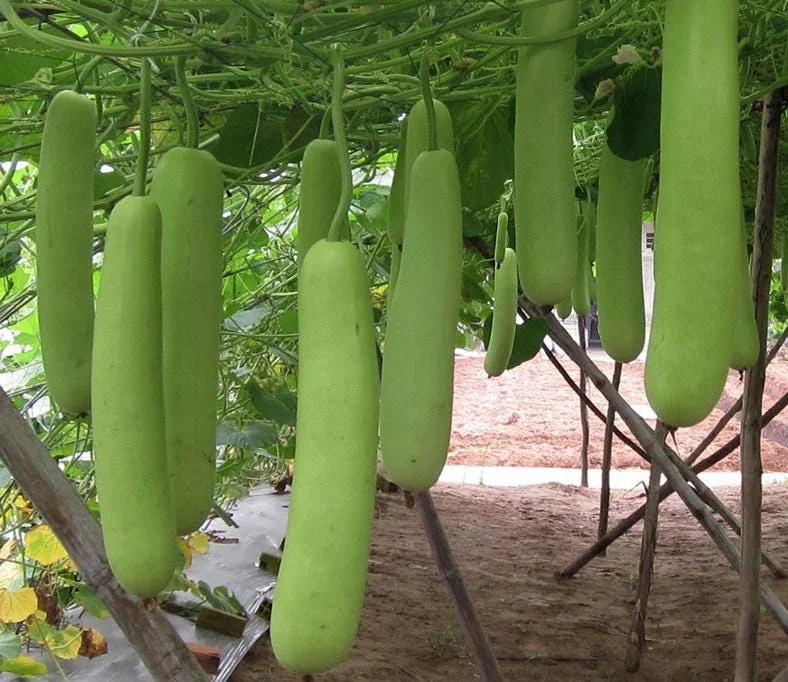
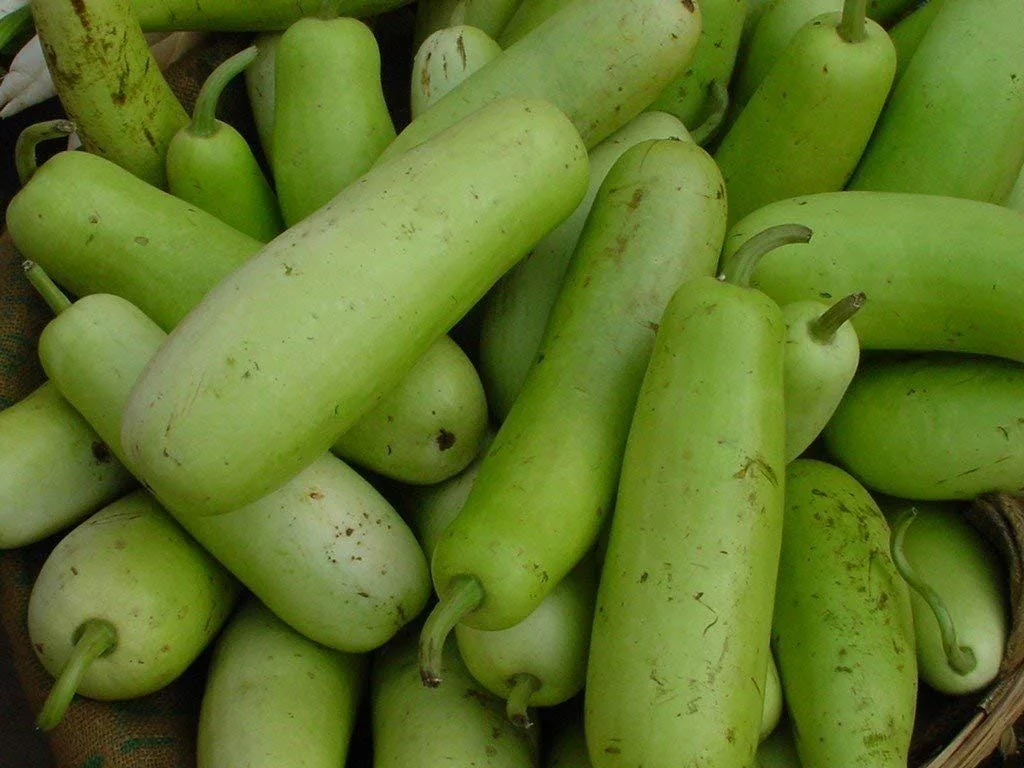
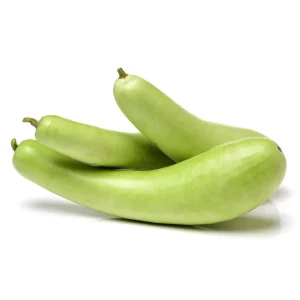
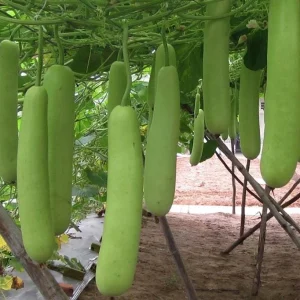
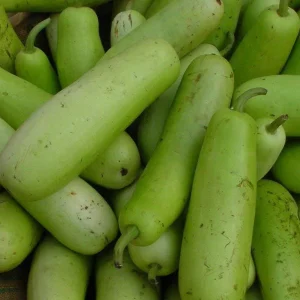
Our long bottle gourd seeds are packaged to ensure viability and freshness, providing you with a strong start for your garden. Each packet contains a generous quantity of premium F1 hybrid gourd seeds, carefully selected for high germination rates. Once established, the vines of these bottle gourds can grow quite long, often reaching 10-15 feet or more, making sturdy support systems like trellises or arbors essential. The gourds themselves can vary in length, typically growing between 12 to 36 inches long, with some varieties even exceeding this. They have a smooth, light green skin when young, maturing to a paler, harder surface if left to dry.
These calabash gourd seeds are typically planted in spring to early summer, with a maturity period of approximately 75-100 days from planting to harvest, depending on growing conditions and desired use. For culinary purposes, harvest the gourds when they are young and tender, usually 6-12 inches long. For crafting, allow them to fully mature on the vine until the skin hardens and turns a pale yellow or brown. You will receive a packet of high-quality, non-GMO vegetable seeds, ready for planting.
Frequently Asked Questions
- Q: How big do these long bottle gourds get? A: Our long bottle gourd seeds typically produce gourds ranging from 12 to 36 inches in length, depending on growing conditions and when they are harvested. The vines themselves can reach up to 15 feet or more.
- Q: Is this an indoor or outdoor plant? A: These calabash gourd seeds are primarily grown outdoors in warm climates. They require full sun and plenty of space to vine, making them unsuitable for most indoor environments unless you have a very large greenhouse.
- Q: How much sunlight do these gourds need? A: For optimal growth and fruiting, long bottle gourd seeds require full sun, meaning at least 6-8 hours of direct sunlight per day. Adequate sunlight is crucial for a successful harvest.
- Q: Is this plant easy to care for? A: Yes, these gourds are relatively easy to grow, making them suitable for beginners who follow basic bottle gourd growing tips. They need consistent watering, fertile soil, and a sturdy support structure for their vines.
- Q: What condition will the seeds arrive in? A: Your long bottle gourd seeds will arrive in a sealed packet, ensuring their freshness and viability. We ensure that our non-GMO vegetable seeds are of the highest quality for successful planting.
- Q: Can I use these gourds in cooking? A: Absolutely! Young calabash gourd seeds produce gourds with a mild, delicious flavor, perfect for culinary use in soups, curries, stir-fries, and other dishes. They are a healthy and versatile vegetable.
- Q: When is the best time to plant these seeds? A: The best time to plant your long bottle gourd seeds is in spring to early summer, after all danger of frost has passed and soil temperatures have warmed sufficiently, typically above 70°F (21°C).
- Q: Will these gourds survive winter in my zone? A: Bottle gourds are annual plants and will not survive winter frosts. They complete their life cycle within one growing season. For continued growth, new non-GMO vegetable seeds must be planted each spring.
- Q: What are the best bottle gourd growing tips for maximizing yield? A: To maximize yield, ensure full sun, rich well-drained soil, consistent watering, and provide a strong trellis for vertical growth. Regular feeding with balanced fertilizer will also boost production of your F1 hybrid gourd seeds.
- Q: Are these calabash gourd seeds edible raw? A: While young bottle gourds can sometimes be eaten raw in small quantities, they are generally best consumed cooked. Cooking helps to enhance their flavor and digestibility.
| Seeds | 100+, 25+, 250+, 50+, 500+ |
|---|
Related products
-50%
Original price was: $17.00.$8.50Current price is: $8.50.
-50%
Original price was: $15.96.$7.98Current price is: $7.98.
-50%
Original price was: $59.96.$29.98Current price is: $29.98.
-50%
Original price was: $19.00.$9.50Current price is: $9.50.
-48%
Original price was: $28.99.$14.99Current price is: $14.99.
-50%
Original price was: $15.00.$7.50Current price is: $7.50.
-50%
Original price was: $15.96.$7.98Current price is: $7.98.
-48%
Original price was: $28.99.$14.99Current price is: $14.99.
PLANTING & CARE

Growing Glencoe Raspberry: A Complete Guide for Gardeners
If you’re looking to add something unique to your garden, look no further than the
31
Mar
Mar

The Comprehensive Guide to Growing Bay Leaf Plants for a Flavorful Garden
Imagine stepping into your garden, greeted by the earthy aroma of fresh bay leaves, their
09
Feb
Feb

How to Make Comfrey Tea: The Ultimate Organic Plant Food
Growing an organic garden can be surprisingly expensive, especially when most store-bought fertilizers come in
02
Feb
Feb

True Comfrey: 7 Essential Tips Before You Plant This Herb
A staple in permaculture practices across the US, True Comfrey easily earns its reputation as
27
Jan
Jan

7 Heart-Shaped Plants for a Lasting Valentine’s Gift
If you’ve ever bought a bouquet of roses for Valentine’s Day, you know they are
26
Jan
Jan

Best Types of Ivy Plant for Houses: How to Choose the Perfect Ones for Your Home
Are you a garden lover looking to introduce some greenery into your home? Maybe you’ve
14
Nov
Nov

When to Harvest Garlic (Especially Fall-Planted Garlic)
TIMING IS EVERYTHING, they say – and for garlic, that truth hits with surprising accuracy.
13
Nov
Nov

11 of the Best Sweet Potato Varieties to Grow for Your Garden
If you’ve ever tried growing sweet potatoes, you know that picking the right variety can
12
Nov
Nov