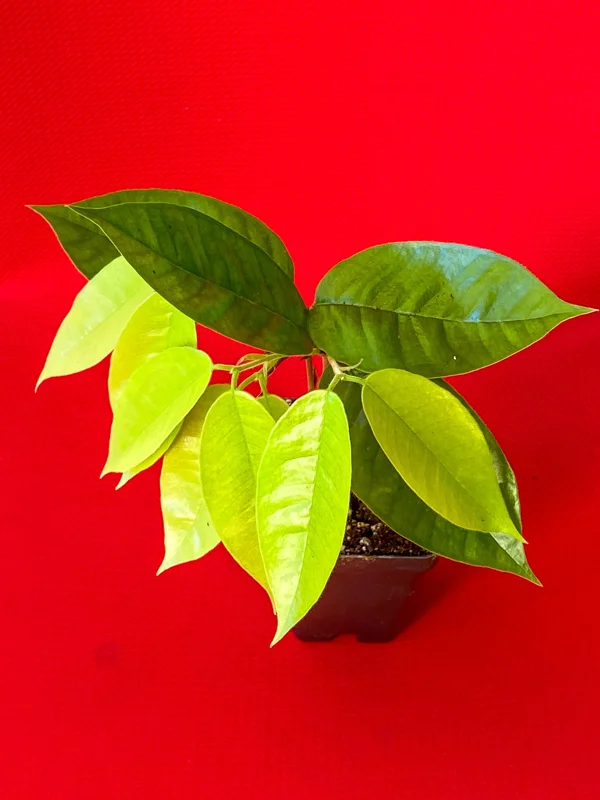
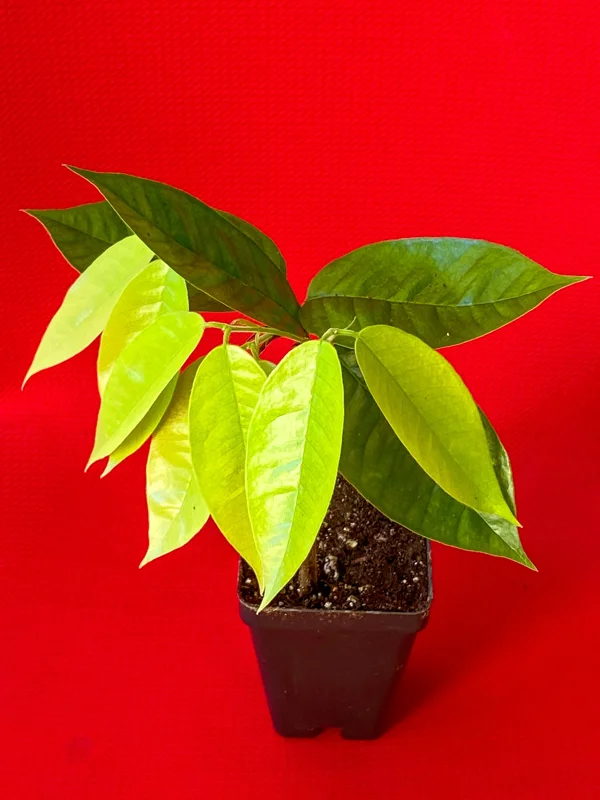
Plinia Edulis Cambuca Seedling Live Plant – 5-9 Inch Tall Potted Fruit Tree
-50%
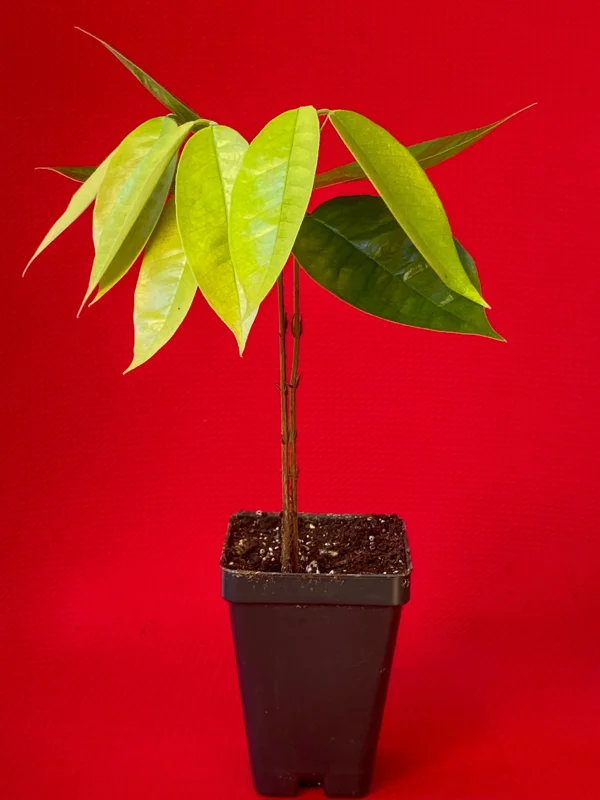
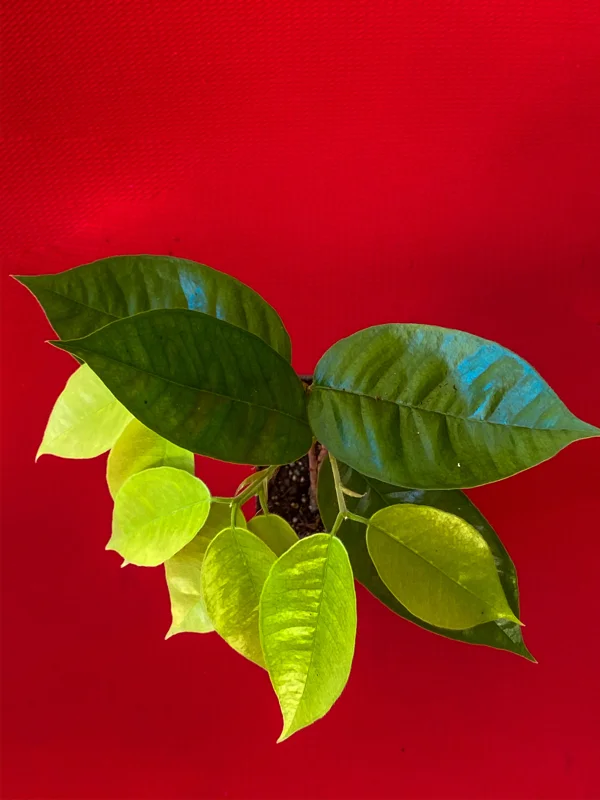
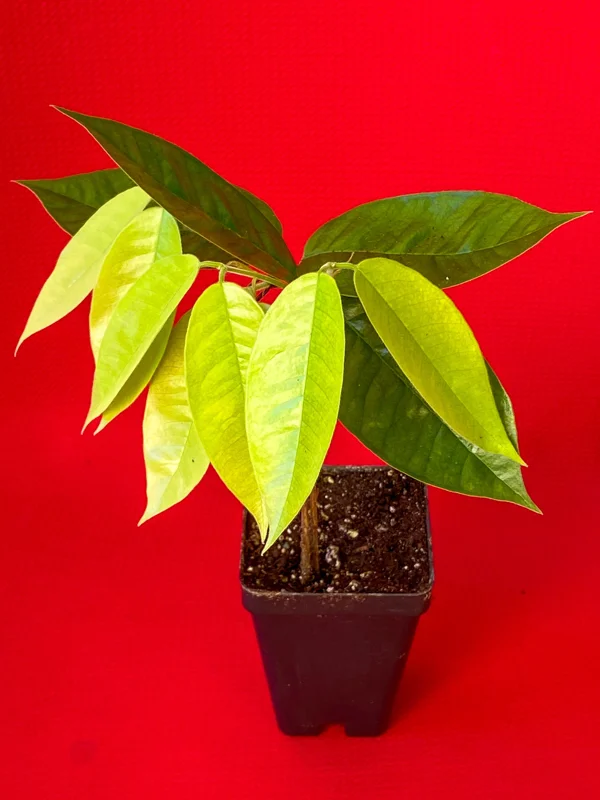
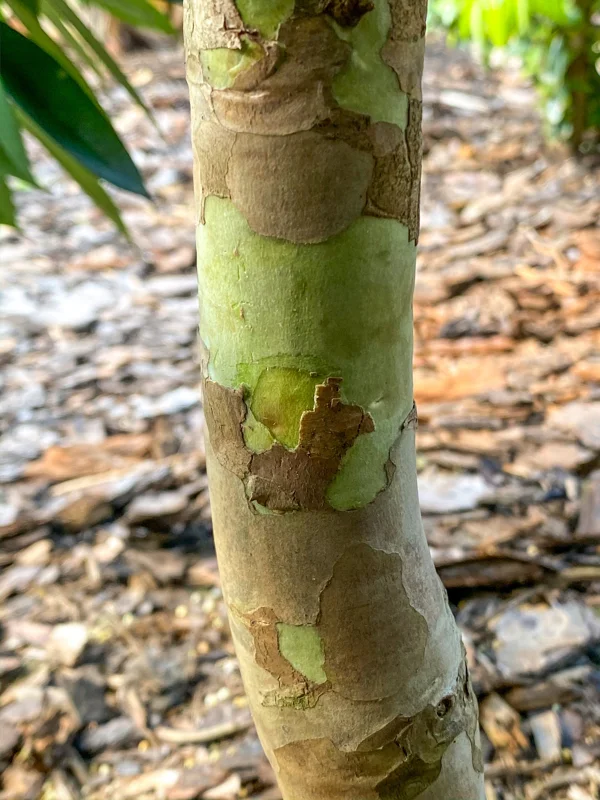
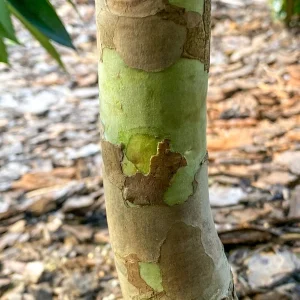
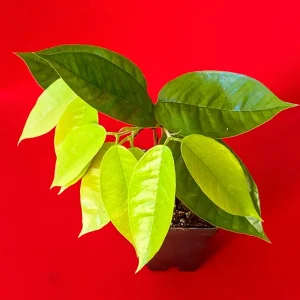
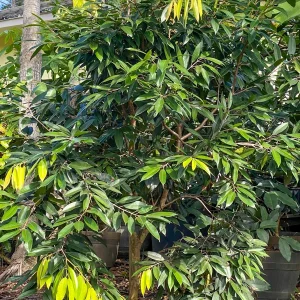
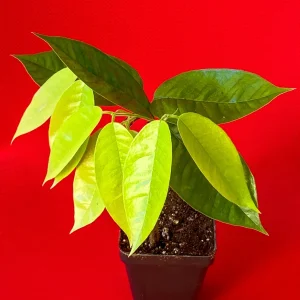
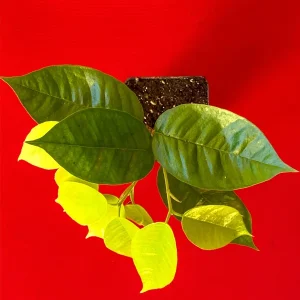
Plinia Edulis Cambuca Seedling Live Plant – 5-9 Inch Tall Potted Fruit Tree
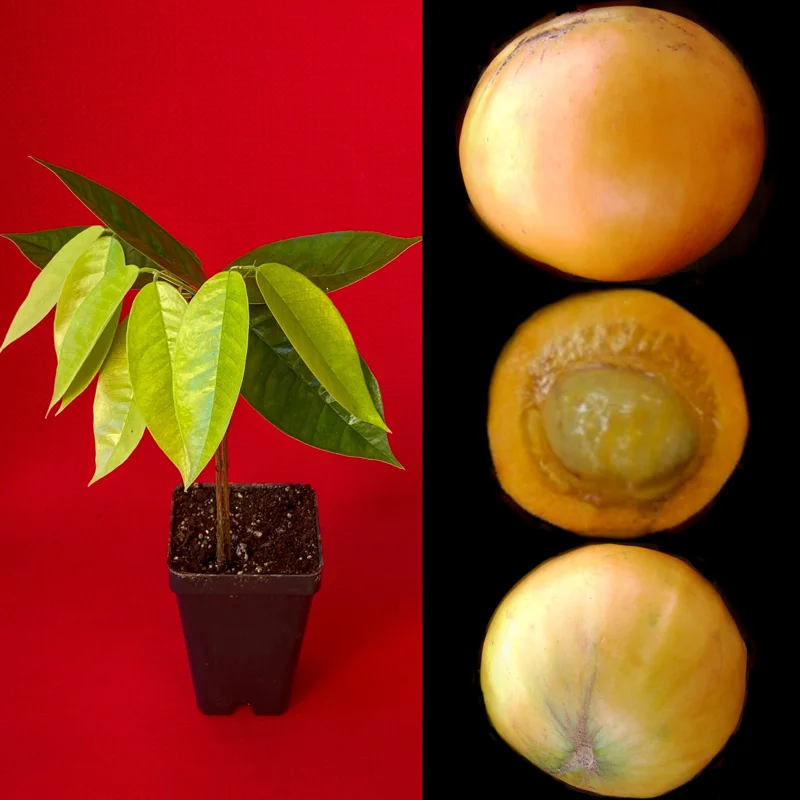
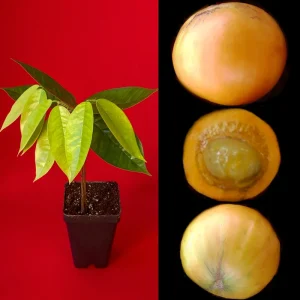
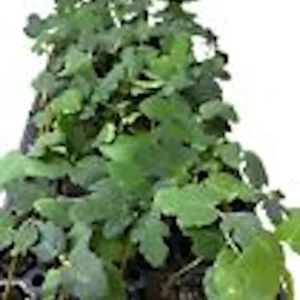
Cultivate a unique addition to your garden with this Plinia Edulis Cambuca seedling. This 5-9 inch tall live plant promises to grow into a beautiful tropical fruit tree, offering succulent, sweet-acidic fruits. Ideal for enhancing any rare plant collection.
Original price was: $63.72.$31.86Current price is: $31.86.

With our Alive & Thrive Guarantee, we’ve got your back for the first 30 days! If you have any concerns about your plants, just reach out to us. Our team is here to help answer your questions and guide you in selecting the best plants for your garden, climate, and unique preferences. We're excited to help you create the garden of your dreams!
Estimated arrival
Mar 23
Mar 28 - Mar 30
Apr 02 - Apr 06
Product Details
-
USDA Hardiness Zone
USDA zones 10-11 (or indoors) -
Soil type
Well-draining potting mix -
Sunlight Exposure
Full shade (young plants), partial sun (mature) -
Expected Planting Period
Year-round indoors or warmer months outdoors
Overview
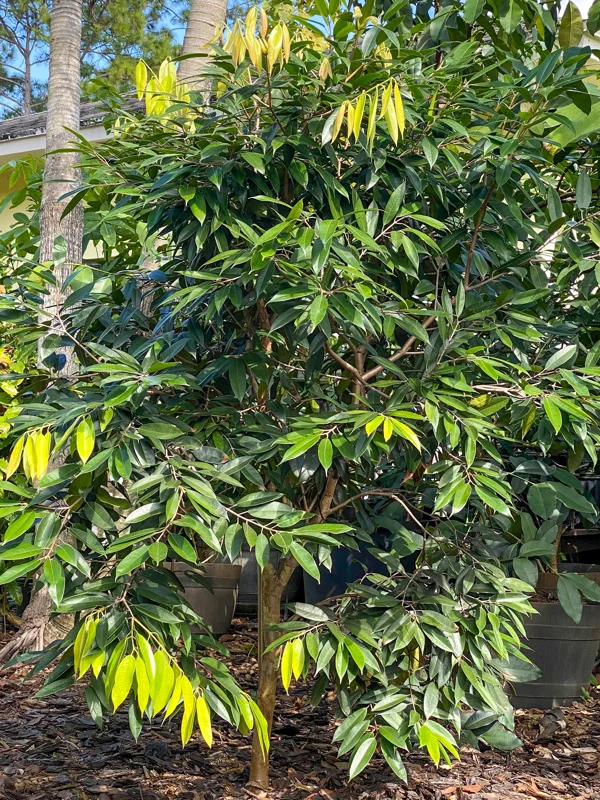
Introduce an extraordinary botanical specimen to your collection with the Plinia Edulis Cambuca seedling. This live plant offers the unique opportunity to grow the highly sought-after Cambuca fruit tree, native to Brazil. Known scientifically as Plinia edulis, this rare evergreen tree can reach impressive heights in its natural habitat but is also suitable for container growing to manage its size. The Cambuca is celebrated for its dense, pyramidal crown and, most notably, its delectable fruits. Each fruit boasts a succulent, fleshy pulp with a distinct sweet-acidic flavor, making it a true delight for any tropical fruit enthusiast. This Plinia Edulis Cambuca seedling arrives as a vibrant starter plant, ready to thrive in your care and eventually bear its exotic treasure.
The Cambuca fruit tree is a must-have for collectors of rare tropical fruits. Its unique taste profile sets it apart from many other common fruits, offering a refreshing and memorable culinary experience. While the thick skin is inedible, the interior pulp is a rich source of flavor. Cultivating this plant from a seedling allows you to witness its growth journey, from a small starter to a mature tree capable of producing these remarkable fruits. Embrace the challenge and reward of nurturing a truly special plant in your home or garden.
Key Benefits
Adding a Plinia Edulis Cambuca seedling to your garden or indoor plant collection brings a host of unique advantages and sensory pleasures. This exceptional plant offers more than just visual appeal; it provides a pathway to enjoying rare and delicious fruits.
- Exotic Fruit Production: Enjoy the unique, sweet-acidic flavor of fresh Cambuca fruits directly from your own tree. This rare fruit is a culinary delight, offering a taste experience unlike any other, making your garden a source of gourmet pleasure.
- Rare Plant Collection Enhancement: As a rare tropical fruit tree, the Plinia Edulis Cambuca significantly elevates the prestige and diversity of any plant collection. It’s a talking point and a valuable specimen for enthusiasts and collectors.
- Beautiful Ornamental Tree: Beyond its fruit, the Plinia edulis features a dense, pyramidal crown that makes it an attractive evergreen ornamental tree. It adds a lush, tropical aesthetic to landscapes or can be maintained as a striking potted plant.
- Long-Term Investment: Growing a Cambuca fruit tree from a seedling is a rewarding long-term endeavor. With proper care, it will provide years of beauty and fruit, maturing into a robust and productive tree.
- Sustainable Gardening: Cultivating your own fruit trees promotes sustainable practices, reducing reliance on commercially grown produce and offering a fresh, organic source of food right at home.
- Educational Experience: Observing the growth and development of such a unique plant provides an enriching educational experience for gardeners of all levels, from novice to expert.
Plant Care & Growing Tips
Proper care is essential for ensuring your Plinia Edulis Cambuca seedling thrives and eventually produces its exotic fruits. This tropical tree requires specific conditions to flourish, making attention to detail crucial. For optimal growth, protect small plants from extreme cold, wind, and direct, harsh sun during their initial adjustment period. Place your newly arrived seedling in a spot with moderate temperatures, ideally between 70-80°F (21-27°C), where it receives good light but no direct sunlight for the first two weeks. Full shade is recommended initially, as direct sun can burn young plants. Gradually acclimate the plant to brighter conditions if you plan to move it outdoors.
When it comes to watering, the Cambuca fruit tree prefers consistently moist but not waterlogged soil. Good drainage is paramount to prevent root rot. Use a well-draining potting mix for container plants. Water when the top inch or two of soil feels dry to the touch, and ensure any excess water can escape freely from the pot. Temperatures falling below 60°F (15°C) can cause damage to this tropical plant, so it’s best suited for warmer climates or as an indoor plant in cooler regions. While the parent plant can grow up to 40ft, it can be kept under 20ft with proper pruning, especially when growing Cambuca from seed in a container.
Fertilization can begin after the plant has established itself, typically a few weeks after transplanting. Use a balanced, slow-release fertilizer formulated for fruit trees or tropical plants, following the manufacturer’s instructions. Regular feeding during the growing season will support strong growth and fruit development. Pay close attention to pest management, as tropical plants can sometimes attract specific insects. Inspect your Plinia Edulis care routine regularly and address any issues promptly to maintain a healthy, productive tree.
Size & Details
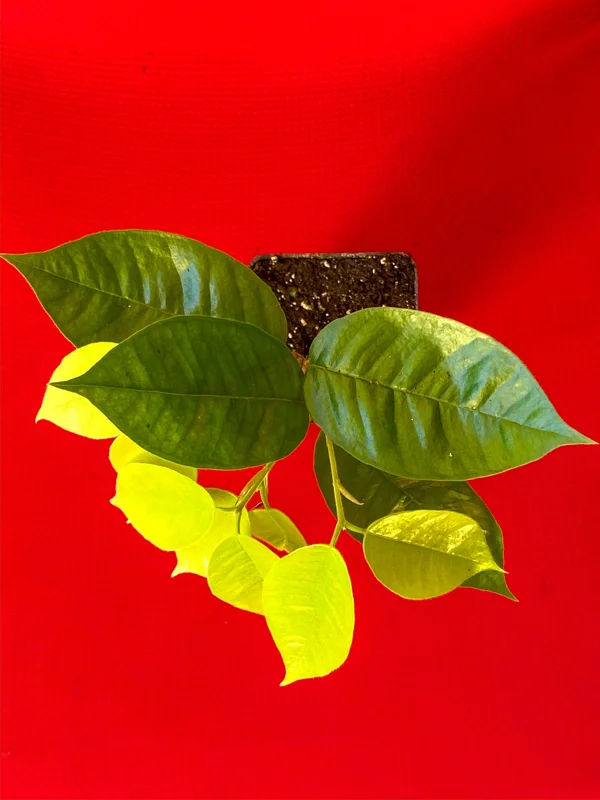
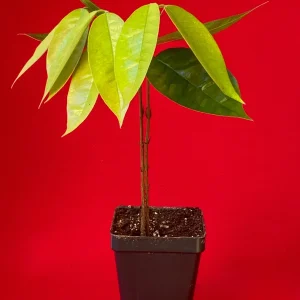
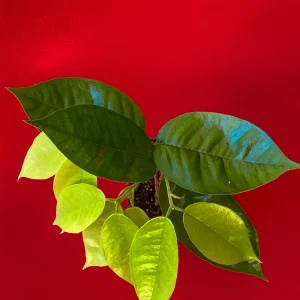
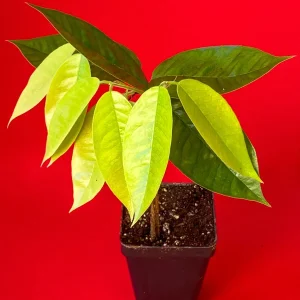
This offering is for one live Plinia Edulis Cambuca seedling, carefully nurtured to be 5–9 inches tall. Please note that this measurement excludes the height of the pot. Each starter plant is securely rooted in a 2.5-inch square pot, providing a healthy foundation for its journey to maturity. The Cambuca (Plinia Edulis) is known for its moderate to fast growth rate under ideal tropical conditions. While mature trees can reach up to 40 feet in height, they can be effectively maintained at a smaller, more manageable size, often under 20 feet, especially when grown in containers or with regular pruning.
The fruit, when mature, reaches up to 5cm in diameter and contains a single, large seed. The tree’s dense, pyramidal crown offers an attractive form, making it a desirable ornamental plant even before it begins bearing fruit. This rare tropical fruit tree is a seed-grown specimen, meaning there might be slight variations from the parent tree, adding to the unique character of each plant. Expect the plant to arrive in a healthy, well-rooted condition, ready for acclimation to its new environment. With proper care, this seedling will develop into a robust tree, eventually yielding its distinctive sweet-acidic fruit.
Frequently Asked Questions
- Q: How big does this Plinia Edulis Cambuca seedling get? A: The Plinia Edulis Cambuca seedling you receive will be 5-9 inches tall. While mature trees can reach up to 40 feet, they can be maintained under 20 feet with pruning, especially in containers.
- Q: Is this an indoor or outdoor plant? A: The Cambuca fruit tree is a tropical plant. It can be grown outdoors in USDA zones where temperatures do not fall below 60°F (15°C). In cooler climates, it is best grown indoors or in a greenhouse.
- Q: How much sunlight does it need? A: Young Plinia Edulis Cambuca seedling plants require full shade initially. As they mature, they prefer good light, eventually tolerating partial sun. Avoid direct, harsh sun for young plants.
- Q: Is this plant easy to care for? A: The Plinia Edulis care requires attention to temperature, light, and watering. While not extremely difficult, it’s best for gardeners who can provide consistent tropical conditions.
- Q: What condition will it arrive in? A: Your Plinia Edulis Cambuca seedling will arrive as a healthy, live starter plant, rooted in a 2.5-inch square pot, ready for acclimation to its new home.
- Q: How long until it fruits? A: Trees grown from seed typically take several years to mature and begin fruiting. The exact timeline can vary depending on growing conditions and care.
- Q: What is the best soil type for growing Cambuca from seed? A: A well-draining, fertile potting mix is ideal for the Cambuca fruit tree. Ensure the pot has drainage holes to prevent waterlogging.
- Q: Does it need protection from cold? A: Yes, this tropical plant is sensitive to cold. Temperatures below 60°F (15°C) can damage it, so protect it from cold winds and frost.
- Q: Can I grow this rare tropical fruit tree in a pot permanently? A: Yes, the Cambuca fruit tree can be successfully grown in a large container, which helps manage its size and allows for moving it indoors during colder months.
- Q: What does Cambuca fruit taste like? A: The fruit of the Plinia Edulis Cambuca seedling is known for its delicious, succulent, sweet-acidic flavor, often described as unique and not comparable to other common fruits.
Related products
-20%
Original price was: $56.00.$44.80Current price is: $44.80.
-20%
Original price was: $80.00.$64.00Current price is: $64.00.
-20%
Original price was: $32.00.$25.60Current price is: $25.60.
-20%
Original price was: $36.00.$28.80Current price is: $28.80.
-20%
Original price was: $80.00.$64.00Current price is: $64.00.
-20%
Original price was: $60.00.$48.00Current price is: $48.00.
-20%
Original price was: $31.98.$25.58Current price is: $25.58.
-20%

Original price was: $34.00.$27.20Current price is: $27.20.
PLANTING & CARE

The Comprehensive Guide to Growing Bay Leaf Plants for a Flavorful Garden
Imagine stepping into your garden, greeted by the earthy aroma of fresh bay leaves, their
09
Feb
Feb

How to Make Comfrey Tea: The Ultimate Organic Plant Food
Growing an organic garden can be surprisingly expensive, especially when most store-bought fertilizers come in
02
Feb
Feb

True Comfrey: 7 Essential Tips Before You Plant This Herb
A staple in permaculture practices across the US, True Comfrey easily earns its reputation as
27
Jan
Jan

7 Heart-Shaped Plants for a Lasting Valentine’s Gift
If you’ve ever bought a bouquet of roses for Valentine’s Day, you know they are
26
Jan
Jan

Best Types of Ivy Plant for Houses: How to Choose the Perfect Ones for Your Home
Are you a garden lover looking to introduce some greenery into your home? Maybe you’ve
14
Nov
Nov

When to Harvest Garlic (Especially Fall-Planted Garlic)
TIMING IS EVERYTHING, they say – and for garlic, that truth hits with surprising accuracy.
13
Nov
Nov

11 of the Best Sweet Potato Varieties to Grow for Your Garden
If you’ve ever tried growing sweet potatoes, you know that picking the right variety can
12
Nov
Nov
Pruning Bougainvillea for Winter
Bougainvillea vines are known for their dazzling display of magenta, orange, and fuchsia bracts that
05
Nov
Nov