Noni Live Plant (Morinda Citrifolia) – Tropical Fruit Tree Starter Seedling 3-7″ Tall
-41%
Noni Live Plant (Morinda Citrifolia) – Tropical Fruit Tree Starter Seedling 3-7″ Tall
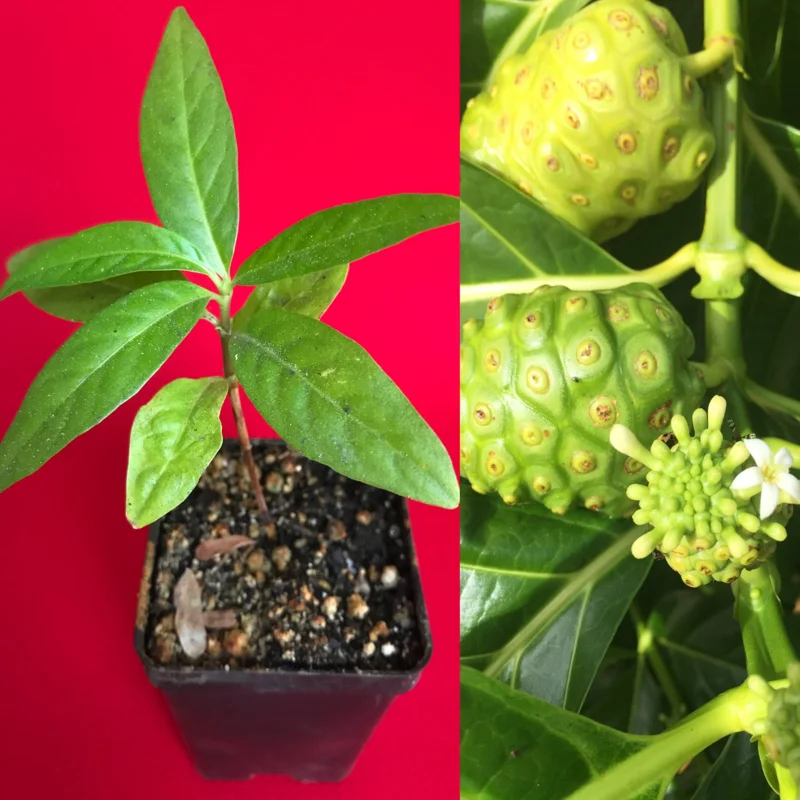
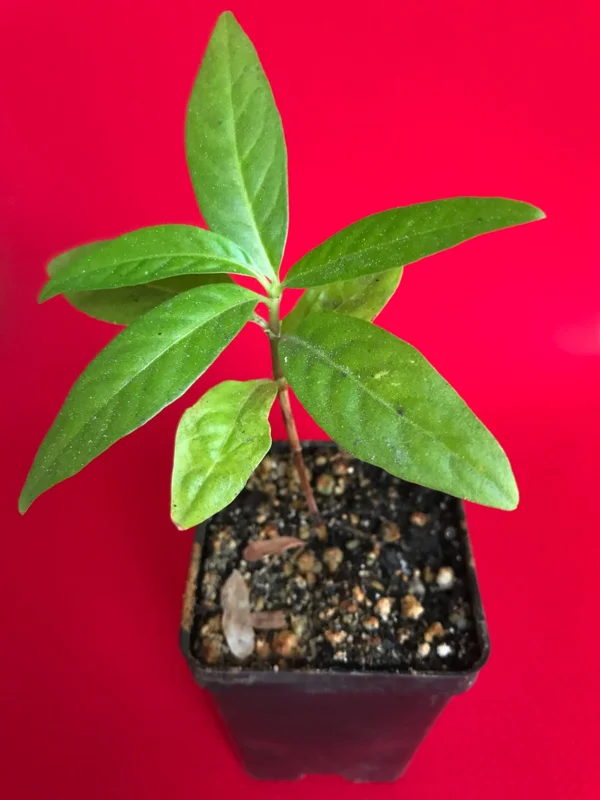
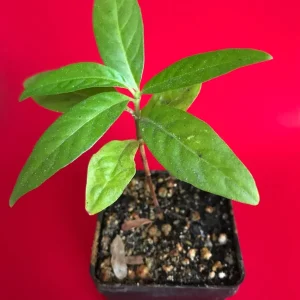
Cultivate your own noni live plant, also known as morinda citrifolia or indian mulberry plant. This tropical starter seedling grows 3-7 inches tall, offering the potential for nutrient-rich fruits. Discover the many noni fruit benefits and add this unique tropical fruit tree to your collection.
Original price was: $44.60.$26.30Current price is: $26.30.

With our Alive & Thrive Guarantee, we’ve got your back for the first 30 days! If you have any concerns about your plants, just reach out to us. Our team is here to help answer your questions and guide you in selecting the best plants for your garden, climate, and unique preferences. We're excited to help you create the garden of your dreams!
Estimated arrival
Mar 28
Apr 02 - Apr 04
Apr 07 - Apr 11

Product Details
-
USDA Hardiness Zone
USDA zones 9-11 (outdoors); suitable for indoor cultivation elsewhere -
Soil type
Well-draining soil -
Sunlight Exposure
Bright indirect light (seedling); Full sun to partial shade (mature) -
Expected Planting Period
Year-round indoors; Spring to summer outdoors in suitable climates
Overview
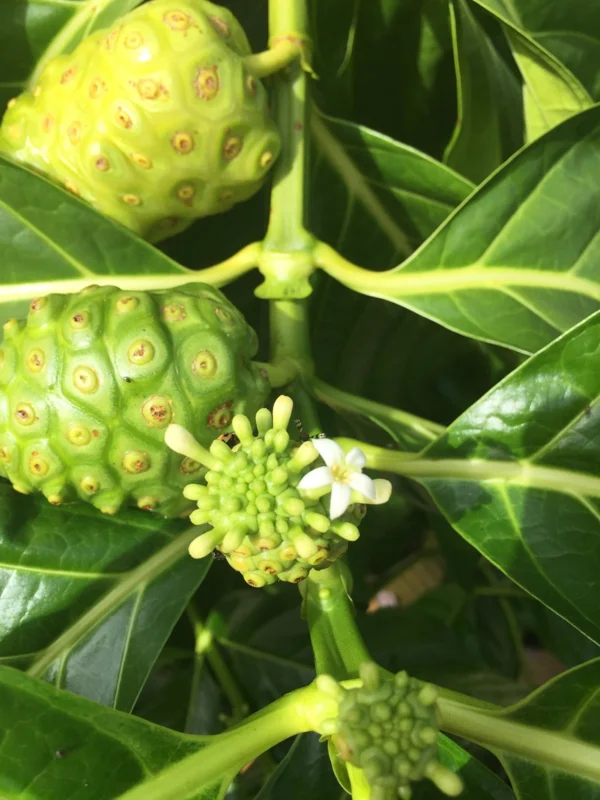
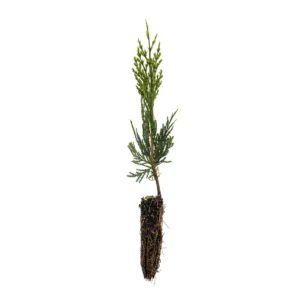
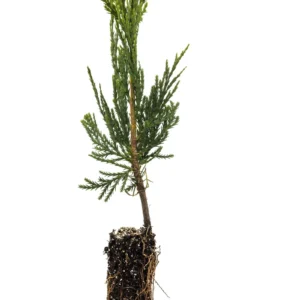
Introduce a piece of the tropics to your garden or indoor space with this vibrant noni live plant. Scientifically known as Morinda Citrifolia, this fascinating tropical fruit tree is also commonly referred to as Great Morinda, Indian Mulberry, Beach Mulberry, and Cheese Fruit. You are purchasing a healthy starter seedling, typically 3-7 inches tall (pot height not included), provided in a 2.5-inch square pot. These seedlings originate from prolific Noni trees, ensuring a good genetic foundation for your new plant. The Morinda Citrifolia is cherished not only for its unique appearance but also for the highly regarded properties of its fruit. This remarkable plant offers an opportunity to grow a piece of Polynesian heritage right in your home or garden.
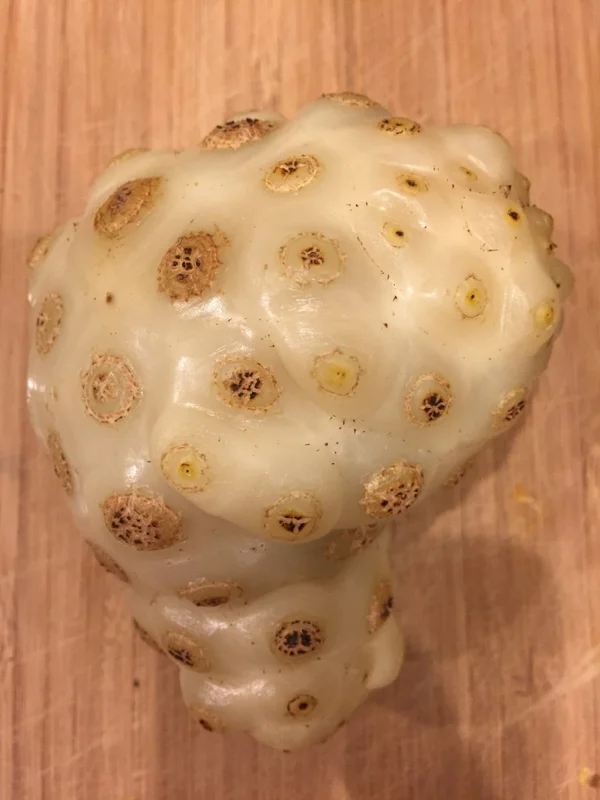
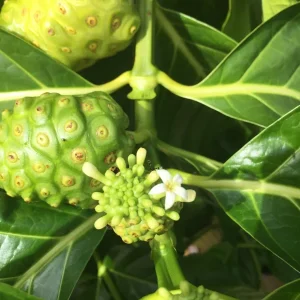
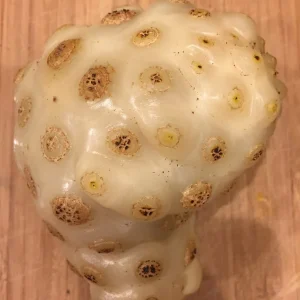
In tropical climates, the noni live plant bears flowers and fruits throughout the year, providing a continuous harvest. The Noni fruit itself is a small, greenish-white tropical fruit, roughly the size of a potato, renowned for being high in antioxidants. Historically, green fruit, leaves, and root/rhizomes of the indian mulberry plant have been utilized in Polynesian cultures as a general tonic and as a traditional famine food. While grown from seed, these plants offer the joy of nurturing a unique tropical fruit tree from its early stages, though it’s important to remember that seedlings may not be identical to the parent tree.
Key Benefits
Beyond its ornamental appeal, the noni live plant offers a spectrum of benefits, particularly from its fruit, which has been valued for centuries. Growing your own tropical fruit tree allows you to experience these advantages firsthand.
- Rich in Antioxidants: Noni fruit is celebrated for its impressive antioxidant content, which helps combat oxidative stress in the body. Cultivating your own noni live plant provides direct access to these beneficial compounds.
- Supports Wellness: Historically, various parts of the Morinda Citrifolia plant have been used in traditional practices for their general tonic properties, contributing to overall well-being.
- Immune System Support: Many proponents suggest that regular consumption of Noni fruit, especially in juice form, can help combat inflammation and boost immunity, making the indian mulberry plant a valuable addition to a health-conscious lifestyle.
- Potential Cholesterol Reduction: Some research indicates that Noni may assist in reducing cholesterol levels, adding to the list of noni fruit benefits.
- Cellular Repair: The compounds found in Noni fruit are believed to contribute to cellular repair, supporting the body’s natural regenerative processes.
- Versatile Use: Beyond the fruit, the leaves and roots have traditional uses, highlighting the plant’s versatility and cultural significance.
- Unique Garden Addition: As a tropical fruit tree, the Noni plant adds an exotic touch to any garden or indoor plant collection, with its lush foliage and interesting fruits.
Plant Care & Growing Tips
Caring for your noni live plant, or Morinda Citrifolia, involves understanding its tropical origins to provide an optimal growing environment. Initially, after shipping, small plants need protection. Place your new plant in a spot with moderate temperatures (70-80°F / 21-27°C) and good light, but ensure it is not in direct sunlight for the first two weeks as it adjusts from shipping. Full shade is recommended during this acclimation period, as direct sun can burn young plants. Allow your indian mulberry plant a week or two to adjust to its new home before considering transplanting or fertilizing. If you plan to move it outdoors, gradually increase its exposure to sunlight and outdoor conditions over time.
The noni live plant thrives in warm conditions. Temperatures falling below 60°F (15°C) can result in plant damage, so it’s crucial to protect it from cold, wind, and dry-out. For soil, a well-draining potting mix is essential to prevent root rot. While the plant is young, ensure consistent moisture without overwatering; the soil should be kept moist but not soggy. Once established, Noni plants are relatively drought-tolerant but will perform best with regular watering, especially during dry spells. Fertilize sparingly with a balanced liquid fertilizer during the growing season. This tropical fruit tree prefers full sun to partial shade once mature, but as a seedling, it requires more protection.
While the noni fruit benefits are numerous, ensuring a healthy plant requires attention to detail. Monitor for common pests and diseases, although Noni plants are generally quite resilient. Good air circulation is also beneficial, particularly for indoor plants. Remember that while this plant is grown organically, providing the right environment is key to its success. With proper care, your morinda citrifolia can grow into a productive and beautiful addition.
Size & Details
This offering is for one noni live plant starter seedling, which typically measures 3-7 inches tall. This measurement does not include the height of the pot. Each seedling comes planted in a 2.5-inch square nursery pot, providing a stable environment for its initial growth. The Morinda Citrifolia is a vigorous grower in ideal conditions, and while it starts small, it has the potential to develop into a substantial tropical fruit tree. The growth rate can vary depending on environmental factors, but with proper care, you can expect steady progress. These seedlings are grown organically, ensuring a natural start for your plant.
The Noni plant is known for its ability to bear fruit year-round in tropical climates, meaning that once your indian mulberry plant matures, you could enjoy a continuous supply of fruit. While specific height and width can vary significantly based on climate and growing conditions, mature Noni trees can reach heights of 10-20 feet in the ground. For container growing, regular pruning can help manage its size. The small size of the starter plant makes it easy to transport and establish, allowing you to cultivate your own source of noni fruit benefits.
Frequently Asked Questions
- Q: How big does this noni live plant get? A: This starter seedling is 3-7 inches tall (excluding pot height). In ideal tropical conditions, mature Noni trees can grow 10-20 feet tall, but can be managed with pruning in containers.
- Q: What size pot does it come in? A: The Morinda Citrifolia seedling is shipped in a 2.5-inch square nursery pot, providing a good base for its initial growth.
- Q: Is this an indoor or outdoor plant? A: The noni live plant is a tropical species. It can be grown outdoors in USDA zones where temperatures remain above 60°F (15°C) year-round. In cooler climates, it should be grown indoors or brought inside during colder months.
- Q: How much sunlight does the indian mulberry plant need? A: Young seedlings require bright, indirect light or full shade for the first two weeks after arrival. Once established, mature plants prefer full sun to partial shade for optimal growth and fruit production.
- Q: Is this plant easy to care for? A: Noni plants are relatively easy to care for once established in the right environment. They require consistent warmth, well-draining soil, and protection from cold temperatures.
- Q: What condition will the tropical fruit tree arrive in? A: Your plant will arrive as a live, healthy starter seedling, carefully packaged to minimize stress during transit. It’s normal for plants to need a short adjustment period after shipping.
- Q: When is the best time to plant? A: This noni live plant can be planted year-round if kept indoors or in a consistently warm, protected outdoor environment. For outdoor planting, wait until all danger of frost has passed and temperatures are consistently warm.
- Q: What are the main noni fruit benefits? A: The main benefits include being rich in antioxidants, supporting overall wellness, potentially boosting immunity, assisting with cellular repair, and having traditional uses for various health purposes.
- Q: Will it survive winter in my zone? A: The Noni plant is tropical and will not survive freezing temperatures. If you live in an area with cold winters, it must be grown indoors or protected in a greenhouse.
- Q: What kind of soil does Morinda Citrifolia prefer? A: It thrives in well-draining soil. A good quality potting mix with added perlite or sand for drainage is ideal, especially for container-grown plants.
Related products
-20%
Original price was: $36.00.$28.80Current price is: $28.80.
-10%
Original price was: $23.99.$21.59Current price is: $21.59.
PLANTING & CARE

The Comprehensive Guide to Growing Bay Leaf Plants for a Flavorful Garden
Imagine stepping into your garden, greeted by the earthy aroma of fresh bay leaves, their
09
Feb
Feb

How to Make Comfrey Tea: The Ultimate Organic Plant Food
Growing an organic garden can be surprisingly expensive, especially when most store-bought fertilizers come in
02
Feb
Feb

True Comfrey: 7 Essential Tips Before You Plant This Herb
A staple in permaculture practices across the US, True Comfrey easily earns its reputation as
27
Jan
Jan

7 Heart-Shaped Plants for a Lasting Valentine’s Gift
If you’ve ever bought a bouquet of roses for Valentine’s Day, you know they are
26
Jan
Jan

Best Types of Ivy Plant for Houses: How to Choose the Perfect Ones for Your Home
Are you a garden lover looking to introduce some greenery into your home? Maybe you’ve
14
Nov
Nov

When to Harvest Garlic (Especially Fall-Planted Garlic)
TIMING IS EVERYTHING, they say – and for garlic, that truth hits with surprising accuracy.
13
Nov
Nov

11 of the Best Sweet Potato Varieties to Grow for Your Garden
If you’ve ever tried growing sweet potatoes, you know that picking the right variety can
12
Nov
Nov
Pruning Bougainvillea for Winter
Bougainvillea vines are known for their dazzling display of magenta, orange, and fuchsia bracts that
05
Nov
Nov