Date Palm Tree Seedling Live Plant – Phoenix Dactylifera Starter – 6-12 inches Tall
-38%
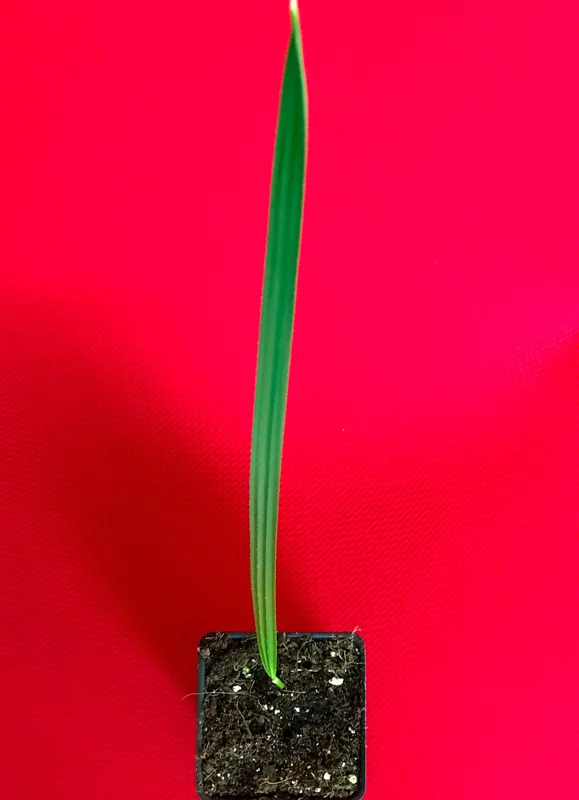
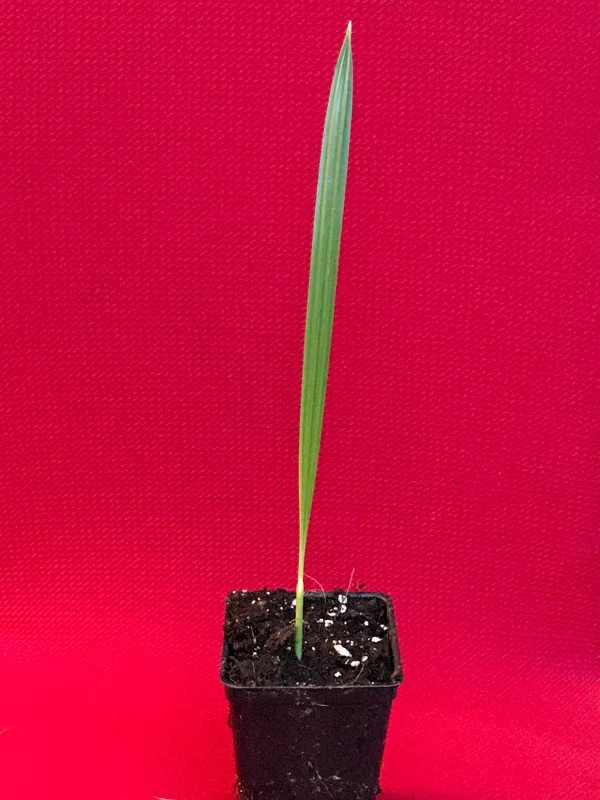
Date Palm Tree Seedling Live Plant – Phoenix Dactylifera Starter – 6-12 inches Tall
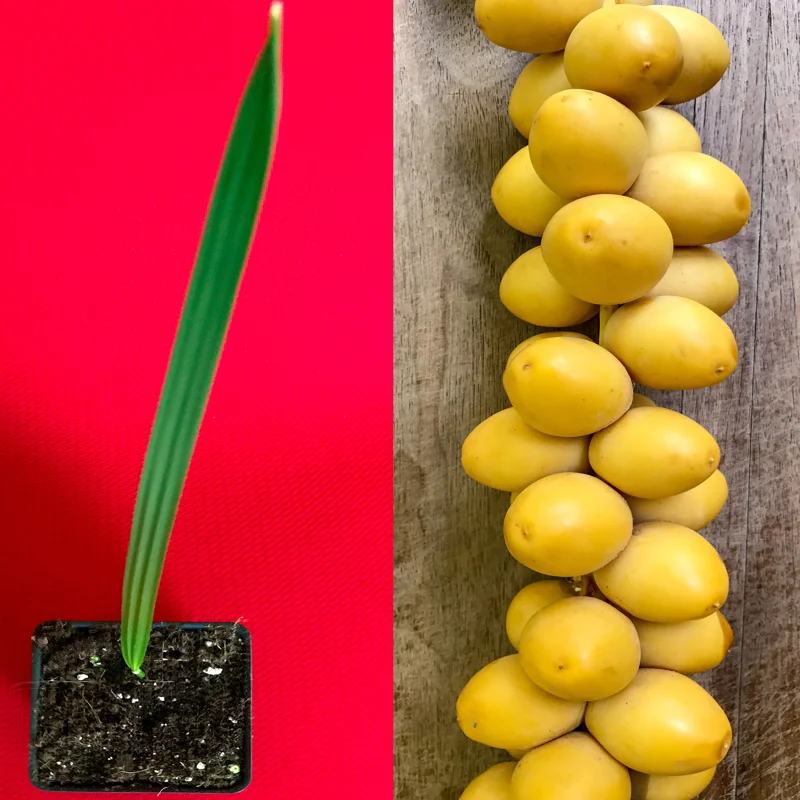
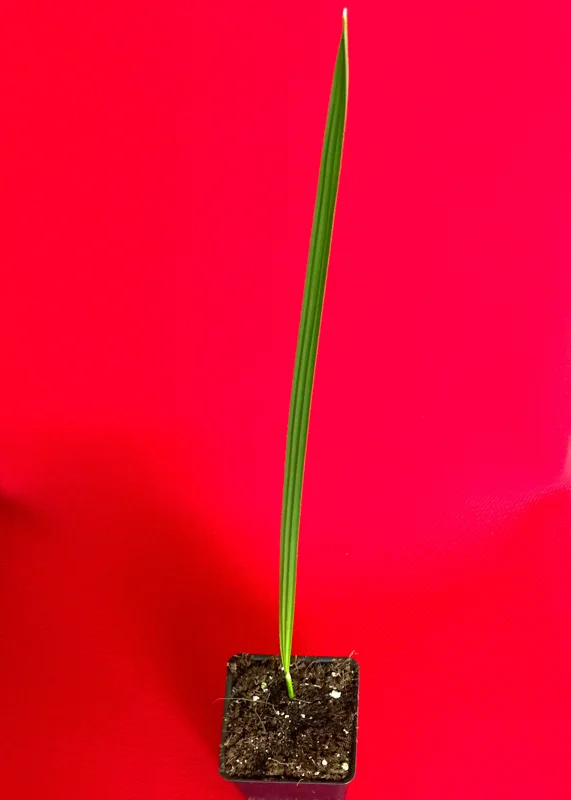
Cultivate your own delicious dates with this vibrant date palm live plant. This 6-12 inch tall Phoenix Dactylifera care seedling is a perfect starter for a robust date fruit tree, ideal for full sun environments. Enjoy the beauty and potential fruit of this majestic palm.
Original price was: $43.32.$26.66Current price is: $26.66.

With our Alive & Thrive Guarantee, we’ve got your back for the first 30 days! If you have any concerns about your plants, just reach out to us. Our team is here to help answer your questions and guide you in selecting the best plants for your garden, climate, and unique preferences. We're excited to help you create the garden of your dreams!
Estimated arrival
Mar 28
Apr 02 - Apr 04
Apr 07 - Apr 11
Product Details
-
USDA Hardiness Zone
USDA Zone 9b -
Soil type
Well-drained, neutral to acidic soil -
Sunlight Exposure
Full Sun -
Expected Planting Period
Year-round in suitable climates, best in spring/early summer
Overview
Embark on an exciting horticultural journey with this exquisite date palm live plant. The Date Palm, scientifically known as Phoenix dactylifera, is a magnificent and iconic tree renowned for its sweet, edible fruits. This offering provides a healthy 6-12 inch tall seedling starter plant, ready to grow into a stately specimen for your garden or landscape. Originating from the Middle East and North Africa, the date palm has been cultivated for thousands of years, cherished not only for its valuable fruit but also for its striking ornamental appeal. This evergreen palm features elegant blue-green to gray-green fronds and develops a textured trunk over time, making it a focal point in any suitable climate. While known for thriving in arid conditions, it adapts well to various warm environments, bringing a touch of the exotic to your outdoor space.
Our date palm live plant is organically grown and carefully prepared for shipment, ensuring you receive a vigorous seedling. These trees are slow-growing but incredibly long-lived, offering decades of beauty. Planting a date palm is an investment in a durable, beautiful, and potentially fruit-bearing tree that will enhance your property for years to come. Please note that trees grown from seeds may not be identical to the parent tree, adding a unique genetic surprise to your gardening experience.
Key Benefits
The date palm live plant offers a multitude of benefits, from its striking aesthetic to its potential for delicious fruit production. It’s a versatile choice for many landscapes, particularly in warmer climates.
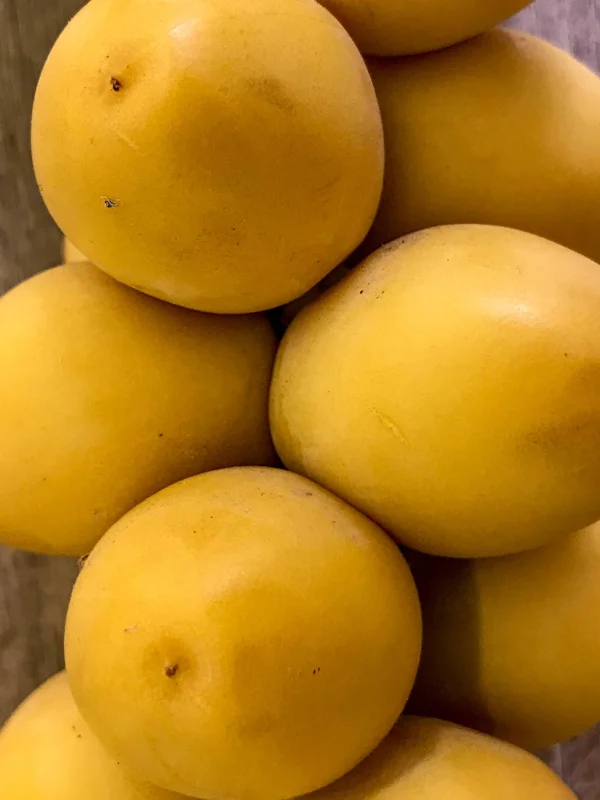
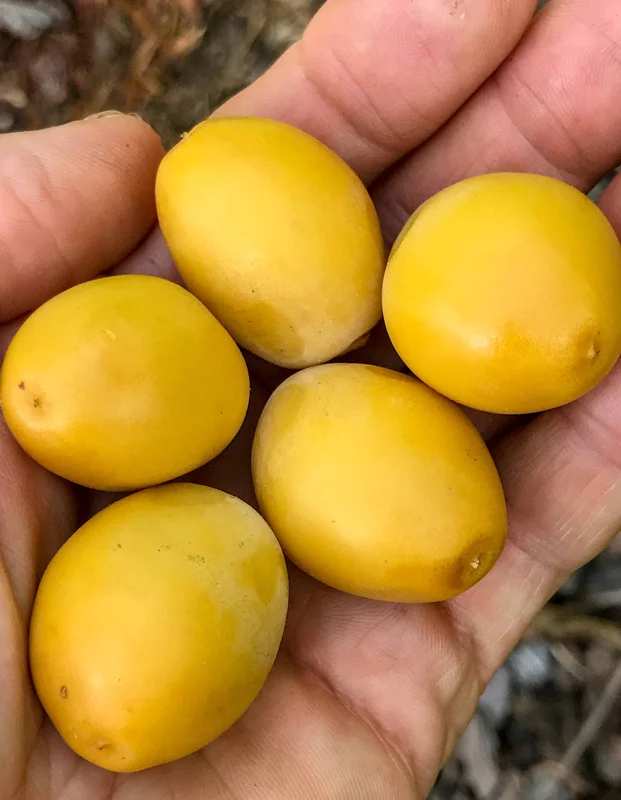
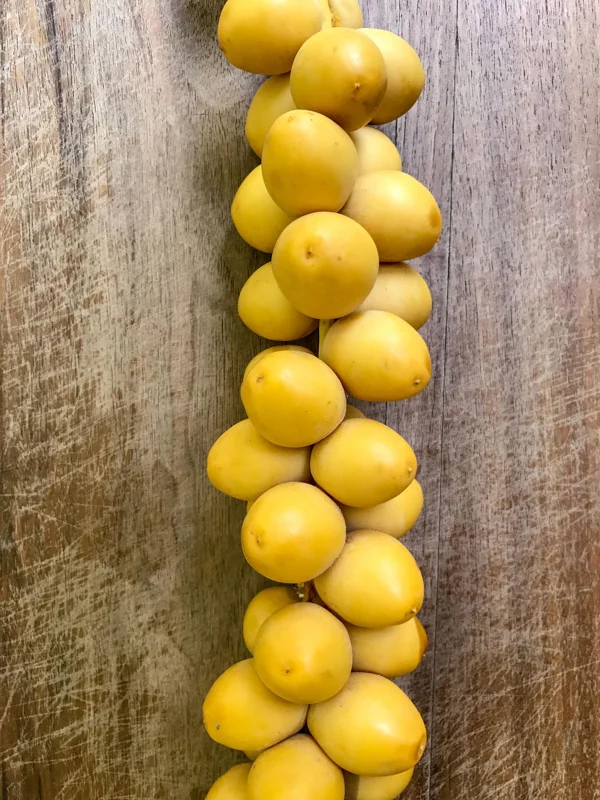
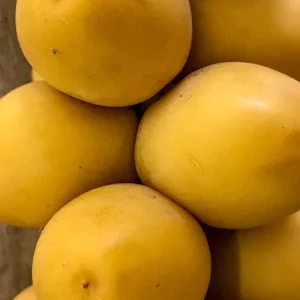
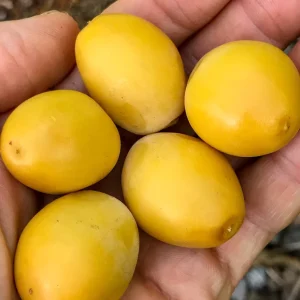
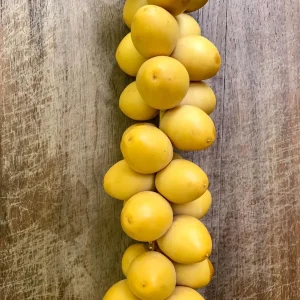
- Produces Edible Dates: With proper care and the presence of both male and female trees for pollination, you can eventually harvest your own sweet, oblong dates, ranging from 1 to 3 inches long, which ripen to orange or red. This makes it a rewarding date fruit tree.
- Stunning Landscape Specimen: The date palm’s blue-green leaves, textured trunk, and bright orange inflorescences create an attractive and majestic focal point in any garden or yard. It adds a tropical and architectural element to outdoor spaces.
- Drought Tolerant: Though it prefers access to water, the date palm is remarkably resilient and well-adapted to dry climates once established, making it an excellent choice for xeriscaping and water-wise gardening. This characteristic is key to understanding Phoenix Dactylifera care.
- Low Maintenance (Once Established): After its initial establishment phase, this palm requires relatively minimal upkeep. It can thrive even with limited root space, making it suitable for street tree applications, though fallen fruit might require occasional tidying.
- Evergreen Foliage: Enjoy lush, vibrant foliage year-round. The pinnately compound fronds remain green, providing continuous beauty and structure to your landscape.
- Hardy in Warm Climates: This palm is suitable for USDA Zone 9b and above, tolerating temperatures down to 15°F, making it a robust choice for many southern US regions.
- Attracts Wildlife: The fruit can attract local birds and other wildlife, adding biodiversity to your garden.
Plant Care & Growing Tips
Proper Phoenix Dactylifera care begins with understanding its environmental needs. The date palm live plant thrives in environments that mimic its native arid or semi-arid habitat. It requires full sun exposure for optimal growth; aim for at least 6-8 hours of direct sunlight daily. While mature trees can withstand significant heat, young seedlings need protection initially. Place your newly arrived seedling in a spot with good light but no direct sun for the first two weeks to allow it to adjust from shipping. Gradually introduce it to increasing sunlight exposure before transplanting to its permanent, full-sun location.
When it comes to soil, the date palm prefers neutral to acidic soils that are well-drained. Avoid heavy, waterlogged soils, as this can lead to root rot. While it can adapt to various soil types, ensuring good drainage is paramount for a healthy date fruit tree. Water regularly during the establishment phase, ensuring the soil remains consistently moist but not saturated. Once established, date palms are quite drought-tolerant, but occasional deep watering during prolonged dry spells will benefit fruit production. Fertilize sparingly in the growing season with a balanced palm fertilizer, following product instructions. The growing date palm benefits from deep watering rather than frequent shallow watering, encouraging deeper root development. Protect young plants from temperatures below 60°F, especially during cold snaps, as they are more sensitive than mature specimens. The tree is generally robust, but trimming lower leaves occasionally can help prevent fungus development in humid climates.
Size & Details
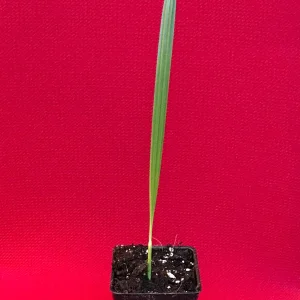
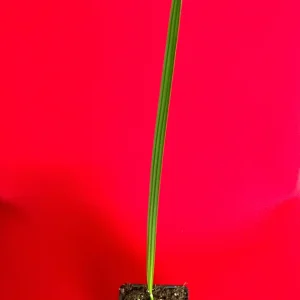
You are purchasing one date palm live plant, a vigorous seedling starter, measuring 6–12 inches tall. This height measurement does not include the pot height. The seedling is rooted in a 2.5-inch square pot, providing a strong foundation for transplanting. Date palms are slow-growing trees but can eventually reach impressive heights of up to 80 feet, with fronds extending up to 20 feet in length. The oblong edible fruits typically measure 1 to 3 inches long. This particular seedling is grown organically, ensuring a healthy start for your future date fruit tree. It’s an ideal size for careful acclimation to its new environment before planting in its permanent location. Expect this plant to mature over many years, offering a long-term addition to your landscape, perfect for those interested in growing date palm. Remember that fruit production requires both male and female plants to be present in close proximity.
Frequently Asked Questions
- Q: How big does this date palm get? A: This date palm live plant is a seedling measuring 6-12 inches tall upon arrival. While slow-growing, mature date palms can reach heights of up to 80 feet, becoming a significant landscape feature.
- Q: What size pot does it come in? A: The seedling is shipped in a 2.5-inch square pot, which is a suitable size for a starter plant. It will need to be transplanted to a larger container or directly into the ground as it grows.
- Q: Is this an indoor or outdoor plant? A: The date palm live plant is primarily an outdoor tree, suitable for warm climates. It requires full sun and is hardy in USDA Zone 9b and above. Young plants can be temporarily kept indoors in a bright, protected spot during colder months if your climate is unsuitable for year-round outdoor growth.
- Q: How much sunlight does it need? A: Date palms require full sun for optimal growth, meaning at least 6-8 hours of direct sunlight per day. Young seedlings need to be gradually introduced to full sun to prevent scorching.
- Q: Is this plant easy to care for? A: Once established, the date palm live plant is relatively low-maintenance, thriving in full sun and well-drained soil. Initial Phoenix Dactylifera care for seedlings involves careful acclimation and protection from extreme temperatures.
- Q: What condition will it arrive in? A: Your date palm seedling will arrive as a live, healthy starter plant, carefully packaged to ensure its well-being during transit. It will be rooted in its 2.5-inch nursery pot.
- Q: How long until it produces fruit? A: Date palms grown from seed can take several years, typically 4-8 years or more, to reach maturity and begin fruiting. Fruit production also requires both male and female trees to be present for pollination. This makes growing date palm a patient endeavor.
- Q: Will it survive winter in my zone? A: This date fruit tree is hardy in USDA Zone 9b and above, tolerating temperatures down to about 15°F. If you are in a colder zone, you will need to provide significant winter protection or grow it in a container that can be moved indoors.
- Q: What kind of soil does it need? A: Date palms prefer well-drained, neutral to acidic soil. Good drainage is crucial to prevent root issues, as they do not tolerate waterlogged conditions.
- Q: Is this date palm a male or female plant? A: Since this plant is grown from seed, its sex is unknown at this seedling stage. Both male and female plants are needed for fruit production, making the desert landscape plant a more complex but rewarding choice for fruit.
Related products
PLANTING & CARE

The Comprehensive Guide to Growing Bay Leaf Plants for a Flavorful Garden
Imagine stepping into your garden, greeted by the earthy aroma of fresh bay leaves, their
09
Feb
Feb

How to Make Comfrey Tea: The Ultimate Organic Plant Food
Growing an organic garden can be surprisingly expensive, especially when most store-bought fertilizers come in
02
Feb
Feb

True Comfrey: 7 Essential Tips Before You Plant This Herb
A staple in permaculture practices across the US, True Comfrey easily earns its reputation as
27
Jan
Jan

7 Heart-Shaped Plants for a Lasting Valentine’s Gift
If you’ve ever bought a bouquet of roses for Valentine’s Day, you know they are
26
Jan
Jan

Best Types of Ivy Plant for Houses: How to Choose the Perfect Ones for Your Home
Are you a garden lover looking to introduce some greenery into your home? Maybe you’ve
14
Nov
Nov

When to Harvest Garlic (Especially Fall-Planted Garlic)
TIMING IS EVERYTHING, they say – and for garlic, that truth hits with surprising accuracy.
13
Nov
Nov

11 of the Best Sweet Potato Varieties to Grow for Your Garden
If you’ve ever tried growing sweet potatoes, you know that picking the right variety can
12
Nov
Nov
Pruning Bougainvillea for Winter
Bougainvillea vines are known for their dazzling display of magenta, orange, and fuchsia bracts that
05
Nov
Nov