Bay Leaf Tree Live Plant – Laurus Nobilis Sweet Bay Laurel – 6 inch Seedling
-50%
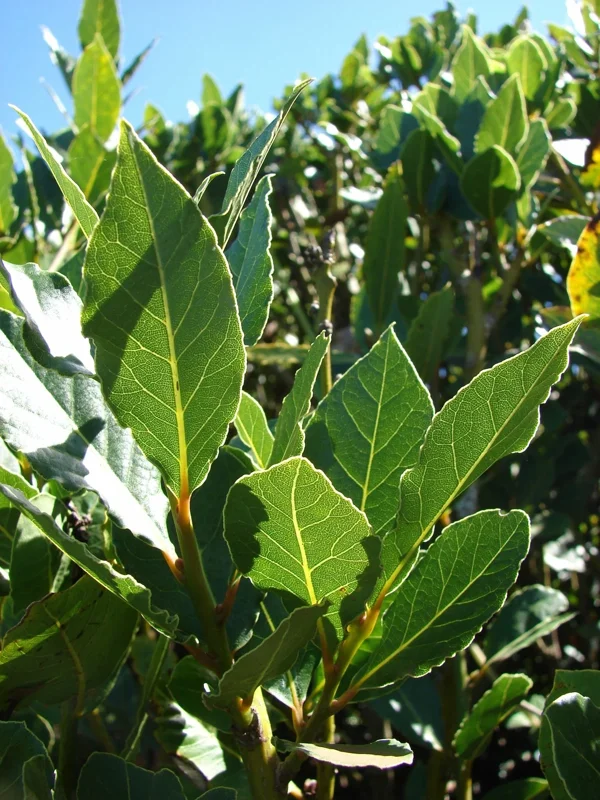
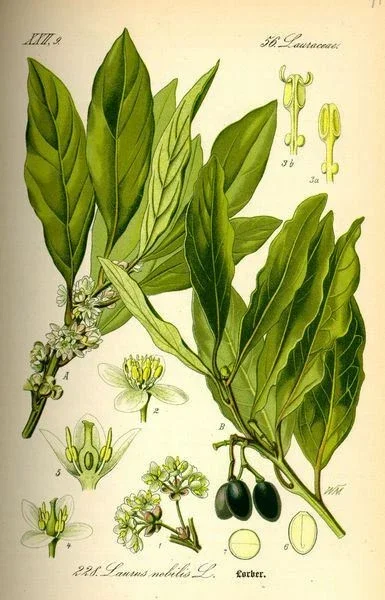
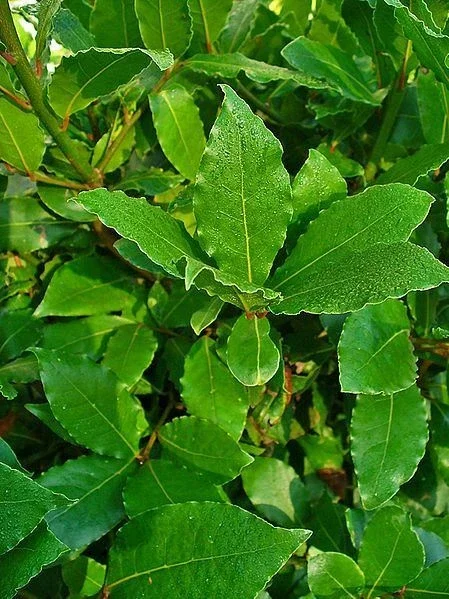
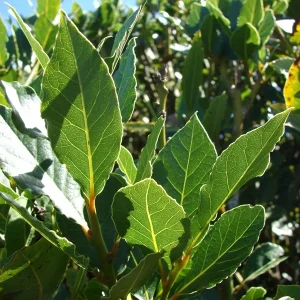
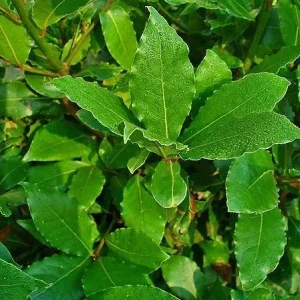
Bay Leaf Tree Live Plant – Laurus Nobilis Sweet Bay Laurel – 6 inch Seedling
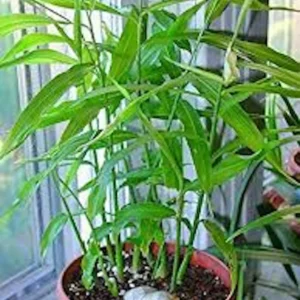
Bring the classic flavor of fresh bay leaves to your kitchen with this bay leaf tree live plant. Also known as Laurus nobilis sweet bay laurel, this evergreen seedling is ideal for culinary use and adds elegant foliage to any patio or garden. Enjoy its aromatic leaves for cooking and its beautiful upright growth habit.
Original price was: $43.96.$21.98Current price is: $21.98.

With our Alive & Thrive Guarantee, we’ve got your back for the first 30 days! If you have any concerns about your plants, just reach out to us. Our team is here to help answer your questions and guide you in selecting the best plants for your garden, climate, and unique preferences. We're excited to help you create the garden of your dreams!
Estimated arrival
Mar 28
Apr 02 - Apr 04
Apr 07 - Apr 11

Product Details
-
USDA Hardiness Zone
7 (0 to 10 °F) and Up -
Soil type
Peat, Loam, Clay (well-draining) -
Sunlight Exposure
Low Sun, Full Sun -
Expected Planting Period
Summer, Spring, Fall (year-round indoors in containers)
Overview
Cultivate your own culinary herbs with this exquisite bay leaf tree live plant. Also known as Laurus nobilis sweet bay laurel or Sweet Bay, this aromatic evergreen is a staple for any home cook or garden enthusiast. Originating from the Mediterranean, the Bay Leaf Tree is renowned for its glossy, dark green leaves that release a pungent, delightful aroma when crushed, making them indispensable for flavoring soups, stews, sauces, and roasts. This particular offering is a healthy, rooted seedling, ready to establish itself in your garden or a decorative pot on your patio. It’s more than just an herb; it’s a beautiful, fragrant addition to your living space, providing both aesthetic appeal and practical benefits. Growing your own edible bay laurel ensures a fresh supply of high-quality leaves for all your culinary adventures.
Key Benefits
Adding a bay leaf tree live plant to your home or garden offers numerous advantages, from enhancing your cooking to beautifying your space. Here are some of the standout benefits:
-
Fresh Culinary Herb Supply
Enjoy a continuous supply of fresh, aromatic bay leaves directly from your garden. Fresh bay leaves offer a more vibrant and complex flavor profile compared to dried ones, elevating your dishes to a new level. The convenience of having an edible bay laurel at your fingertips is unmatched for any cooking enthusiast.
-
Elegant Evergreen Foliage
The Laurus nobilis sweet bay laurel boasts attractive, glossy dark green leaves and an upright growth habit, making it a beautiful ornamental plant. It can be pruned into various shapes, including topiaries, adding a touch of sophisticated greenery to patios, balconies, or garden beds.
-
Aromatic & Fragrant
The leaves release a distinctive, pleasant aroma when bruised or cooked, which can also subtly fragrance your outdoor living areas. This natural scent contributes to a more inviting and sensory garden experience.
-
Low Maintenance & Resilient
Once established, the bay leaf tree live plant is relatively easy to care for, requiring moderate watering and adaptable to various climates. It’s a robust plant that can withstand a range of conditions, making it suitable for both novice and experienced gardeners.
-
Pet Safe & Child Safe
Unlike some other plants, the Bay Leaf Tree is considered safe for households with pets and children, allowing you to grow this versatile herb without concern for accidental ingestion.
-
Versatile Growth
Suitable for both outdoor planting in warmer zones (USDA Hardiness Zone 7 and Up) and as a container plant that can be brought indoors during colder months, offering flexibility for various gardening setups. It’s a fantastic choice for growing bay leaf tree in diverse environments.
-
Year-Round Interest
As an evergreen, the Bay Leaf Tree provides continuous greenery and interest throughout all seasons, maintaining its lush appearance even when other plants have faded.
Plant Care & Growing Tips
Caring for your bay leaf tree live plant is straightforward, ensuring you’ll enjoy its benefits for years to come. This Mediterranean native thrives with proper attention to its environmental needs. For sunlight, the Laurus nobilis sweet bay laurel prefers full sun to partial shade. Aim for at least 6 hours of direct sunlight per day for the best growth and leaf production, especially if you’re interested in edible bay laurel. If growing indoors or in very hot climates, provide some afternoon shade to prevent leaf scorch. The plant is adaptable to various climates, from dry to temperate and cold, but it’s crucial to protect it from harsh freezes below its USDA Hardiness Zone 7 tolerance.
Watering should be medium; keep the soil consistently moist but never waterlogged. Allow the top inch or two of soil to dry out between waterings. Overwatering can lead to root rot. For soil type, a well-draining mix is essential. Peat, loam, and clay soils are suitable, provided they offer good drainage. A neutral soil pH is ideal. Fertilize sparingly; a balanced, slow-release fertilizer in spring is usually sufficient. Avoid over-fertilizing, as this can harm the plant. Common problems include yellowing leaves (often due to overwatering or nutrient deficiency) and pests like scale or mealybugs, which can be treated with insecticidal soap. Pruning can be done to maintain shape and size, especially if you’re aiming for a specific form like a topiary, and also encourages bushier growth, ensuring a bountiful supply for sweet bay herb plant harvest.
Ensure adequate air circulation if grown indoors to prevent fungal issues. During winter, if your zone is below USDA 7, bring potted plants indoors to a bright, cool location. Reduce watering during its dormant period. Regular inspection for pests and diseases will help keep your growing bay leaf tree healthy and productive.
Size & Details
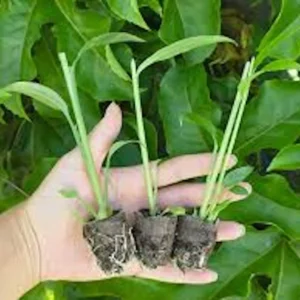
This offering is for one bay leaf tree live plant, which arrives as a rooted cutting in a shipping container with soil. The plant is in its seedling growth stage, typically measuring around 6 inches in height and 3 inches in width. It features vibrant green, evergreen foliage, ready to establish itself in its new home. The plant is generally shipped as a plant plug or seedling, ensuring a healthy start. The approximate weight of the plant with its container is 6 ounces. With a medium growth rate, your Laurus nobilis sweet bay laurel will gradually mature, providing you with fresh leaves and a beautiful ornamental presence. It is recommended for outdoor growth, especially on patios, but can also thrive indoors with sufficient sunlight. Expect it to grow into a robust tree over time, offering continuous harvests of its aromatic leaves.
Frequently Asked Questions
-
Q: How big does this bay leaf tree live plant get? A: A: This plant is a seedling, typically around 6 inches tall and 3 inches wide upon arrival. With proper care, a mature Bay Leaf Tree can grow quite large, reaching up to 10-20 feet in height if planted in the ground, but it can be kept smaller and bushier through regular pruning in containers.
-
Q: Is this an indoor or outdoor plant? A: The Laurus nobilis sweet bay laurel can be grown both indoors and outdoors. It thrives outdoors in USDA Hardiness Zones 7 and up. In colder climates, it’s best grown in a container and brought indoors during winter.
-
Q: How much sunlight does the edible bay laurel need? A: This plant prefers full sun to partial sun. Aim for at least 6 hours of direct sunlight daily for optimal growth and flavor development of the leaves. If growing indoors, place it near a bright, sunny window.
-
Q: Is this plant easy to care for? A: Yes, the Bay Leaf Tree is considered relatively easy to care for once established. It requires consistent watering, well-draining soil, and protection from severe cold. It’s a great choice for beginners looking to grow a sweet bay herb plant.
-
Q: What condition will the bay leaf tree live plant arrive in? A: It will arrive as a healthy, rooted cutting in a shipping container with soil, ready for planting. We ensure careful packaging to protect the plant during transit.
-
Q: Can I use the leaves from this plant for cooking? A: Absolutely! This is an edible bay laurel (Laurus nobilis), and its leaves are prized for their culinary use. You can harvest the fresh leaves to flavor a wide range of dishes.
-
Q: Is the Bay Leaf Tree pet-safe? A: Yes, the Bay Leaf Tree is listed as safe for both pets and children, making it a worry-free addition to your home or garden.
-
Q: What is the best time to plant a growing bay leaf tree? A: The best time to plant outdoors is in spring or early summer after the last frost. If growing in a container, it can be potted any time of year and moved outdoors when temperatures are appropriate.
-
Q: What kind of soil is best for a Bay Leaf Tree? A: A well-draining soil mix is crucial. The plant thrives in peat, loam, or clay-based soils that don’t retain too much moisture. A neutral soil pH is ideal for healthy growth.
-
Q: Will this Laurus nobilis sweet bay laurel survive winter in my zone? A: If you are in USDA Hardiness Zone 7 or warmer, the Bay Leaf Tree can typically survive winters outdoors. In zones colder than 7, it’s recommended to grow it in a pot and bring it indoors before the first frost.
Related products
-30%
Original price was: $59.98.$41.98Current price is: $41.98.
-50%
Original price was: $79.96.$39.98Current price is: $39.98.
-30%
Original price was: $59.98.$41.98Current price is: $41.98.
-67%
Original price was: $39.72.$13.24Current price is: $13.24.
-30%
Original price was: $59.98.$41.98Current price is: $41.98.
-10%
Original price was: $23.99.$21.59Current price is: $21.59.
-67%
From Original price was: $35.22.$11.74Current price is: $11.74.
-48%
Original price was: $39.99.$20.99Current price is: $20.99.
PLANTING & CARE

The Comprehensive Guide to Growing Bay Leaf Plants for a Flavorful Garden
Imagine stepping into your garden, greeted by the earthy aroma of fresh bay leaves, their
09
Feb
Feb

How to Make Comfrey Tea: The Ultimate Organic Plant Food
Growing an organic garden can be surprisingly expensive, especially when most store-bought fertilizers come in
02
Feb
Feb

True Comfrey: 7 Essential Tips Before You Plant This Herb
A staple in permaculture practices across the US, True Comfrey easily earns its reputation as
27
Jan
Jan

7 Heart-Shaped Plants for a Lasting Valentine’s Gift
If you’ve ever bought a bouquet of roses for Valentine’s Day, you know they are
26
Jan
Jan

Best Types of Ivy Plant for Houses: How to Choose the Perfect Ones for Your Home
Are you a garden lover looking to introduce some greenery into your home? Maybe you’ve
14
Nov
Nov

When to Harvest Garlic (Especially Fall-Planted Garlic)
TIMING IS EVERYTHING, they say – and for garlic, that truth hits with surprising accuracy.
13
Nov
Nov

11 of the Best Sweet Potato Varieties to Grow for Your Garden
If you’ve ever tried growing sweet potatoes, you know that picking the right variety can
12
Nov
Nov
Pruning Bougainvillea for Winter
Bougainvillea vines are known for their dazzling display of magenta, orange, and fuchsia bracts that
05
Nov
Nov