Dwarf Cavendish Banana Tree Live Plant – Musa – 2 Ft Tall – 1 Gallon Pot – Outdoor
-50%
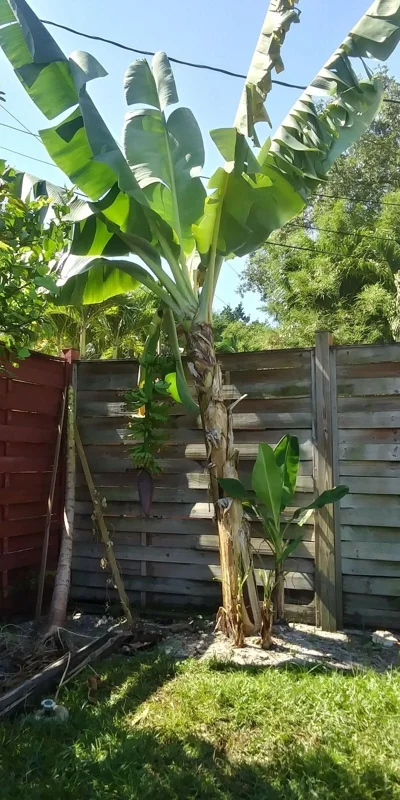
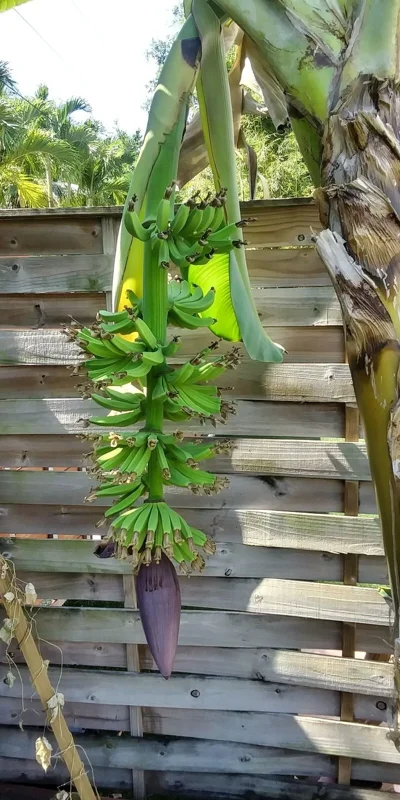
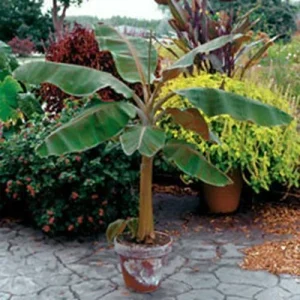
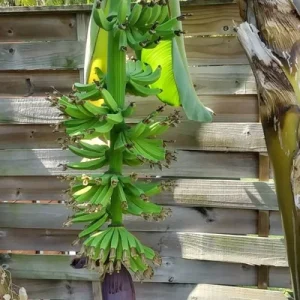
Dwarf Cavendish Banana Tree Live Plant – Musa – 2 Ft Tall – 1 Gallon Pot – Outdoor
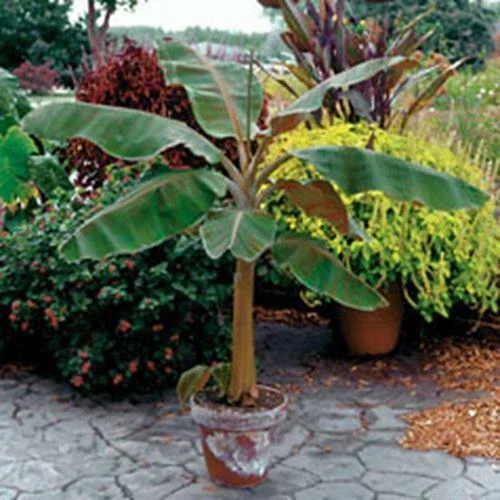
Cultivate your own tropical oasis with this dwarf cavendish banana tree live plant. Standing at 2 feet tall and rooted in a 1-gallon container, this musa banana plant is ideal for growing sweet, edible bananas outdoors or in large pots. Enjoy fresh fruit and a lush, exotic look in your garden.
Original price was: $139.96.$69.98Current price is: $69.98.

With our Alive & Thrive Guarantee, we’ve got your back for the first 30 days! If you have any concerns about your plants, just reach out to us. Our team is here to help answer your questions and guide you in selecting the best plants for your garden, climate, and unique preferences. We're excited to help you create the garden of your dreams!
Estimated arrival
Mar 23
Mar 28 - Mar 30
Apr 02 - Apr 06
Product Details
-
USDA Hardiness Zone
USDA Zones 9-11 (or indoors) -
Soil type
Rich, well-draining loamy soil -
Sunlight Exposure
Full sun to partial shade -
Expected Planting Period
Spring to early summer (year-round indoors)
Overview
Bring the tropics to your backyard with the remarkable dwarf cavendish banana tree. This particular offering is a robust 2-foot tall live plant, ready to thrive in your garden or a spacious container. The Dwarf Cavendish, scientifically known as Musa acuminata ‘Dwarf Cavendish’, is one of the most popular and widely cultivated banana varieties globally, cherished for its sweet, creamy fruit and manageable size. Despite its ‘dwarf’ name, this musa banana plant can still reach heights of 6-10 feet, making it a substantial and rewarding addition for those interested in growing banana trees. It’s an excellent choice for both experienced gardeners and enthusiastic beginners looking to cultivate their own delicious, edible banana plant at home.
Originating from Southeast Asia, banana plants have become a staple in tropical and subtropical climates worldwide. The Dwarf Cavendish is especially favored for its adaptability and prolific fruiting. This outdoor banana plant boasts large, lush green foliage, providing a vibrant, exotic backdrop to any landscape. Beyond its ornamental appeal, the primary draw is the opportunity to harvest your own homegrown bananas, offering a taste experience far superior to store-bought varieties. Prepare for a rewarding journey as you nurture this beautiful and productive fruit tree.
Key Benefits
The dwarf cavendish banana tree offers a multitude of benefits for the home gardener, transforming your space into a productive and visually appealing haven. Its compact nature makes it versatile, while its fruit production provides a truly unique experience.
- Homegrown Delicacy: Enjoy the unparalleled taste of fresh, sweet, and creamy bananas right from your own garden. An edible banana plant provides a continuous supply of healthy fruit, perfect for snacks, smoothies, and desserts.
- Exotic Landscape Accent: With its large, vibrant green leaves and tropical appearance, the musa banana plant serves as a stunning focal point, adding a touch of the exotic to patios, decks, or garden beds.
- Adaptable Growth: While often grown as an outdoor banana plant in warm climates, it can also be successfully cultivated in large containers, allowing it to be moved indoors during colder months, making growing banana trees accessible to many.
- Relatively Fast Growing: Banana plants are known for their rapid growth rate under optimal conditions, meaning you won’t have to wait years to see significant development and potential fruiting.
- Air Purification: Like many large-leaved plants, the extensive foliage of the banana tree can contribute to improving air quality around your home.
- Sense of Achievement: There’s immense satisfaction in harvesting your own fruit, and this dwarf cavendish banana tree provides a tangible reward for your gardening efforts.
Plant Care & Growing Tips
Caring for your dwarf cavendish banana tree requires attention to several key factors to ensure healthy growth and abundant fruit. This musa banana plant thrives in warm, humid conditions, mimicking its natural tropical habitat. For optimal development, provide at least 6-8 hours of direct sunlight daily. In extremely hot climates, some afternoon shade can prevent leaf scorch. If you’re growing banana trees in a container, rotate it periodically to ensure even sun exposure. Ensure protection from strong winds, which can easily shred their large leaves.
Watering is crucial for an edible banana plant. Keep the soil consistently moist, but never waterlogged. During warm, active growing seasons, this may mean daily watering. Reduce watering frequency in cooler months or when the plant is dormant. Good drainage is paramount; use a well-draining potting mix for container plants and ensure garden soil is not heavy clay. A rich, loamy soil with a slightly acidic to neutral pH (6.0-7.0) is ideal. Fertilize regularly during the growing season (spring through fall) with a balanced, slow-release fertilizer or a liquid feed high in potassium to encourage fruit development. Reduce or stop fertilizing in winter.
The Dwarf Cavendish can be grown as an outdoor banana plant in USDA Zones 9-11. In colder regions, it can be grown in containers and brought indoors when temperatures drop below 50°F (10°C). When indoors, provide bright light and maintain humidity. Watch out for common pests like spider mites and aphids, especially indoors. Treat with insecticidal soap if necessary. Pruning generally involves removing dead or damaged leaves and ‘suckers’ (new shoots) to direct energy to the main plant and fruit production. Leave one or two strong suckers to replace the main stem after it fruits.
Size & Details
This offering is for one dwarf cavendish banana tree live plant, approximately 2 feet (24 inches) tall from the base of the plant to the top of its foliage, and comes rooted in a 1-gallon nursery pot. While called ‘dwarf’, this variety is highly productive and can reach a mature height of 6 to 10 feet when planted in the ground, making it a substantial edible banana plant. When grown in a container, its size can be somewhat managed by the pot size and pruning. The plant features broad, evergreen foliage, providing continuous visual interest. It is shipped as a rooted plant, ready for immediate planting or transplanting into a larger pot upon arrival. With proper care, you can expect this musa banana plant to begin bearing fruit within 1-2 years under ideal conditions, promising delicious harvests for years to come.
Frequently Asked Questions
- Q: How big does this Dwarf Cavendish banana tree get? A: While this dwarf cavendish banana tree is currently 2 feet tall, it can grow to a mature height of 6 to 10 feet when planted in the ground in suitable climates. Its size can be somewhat contained when grown in a large container.
- Q: Is this an indoor or outdoor banana plant? A: This musa banana plant is primarily an outdoor plant suitable for USDA Zones 9-11. In colder regions (below Zone 9), it can be grown in large containers and moved indoors during the winter months to protect it from frost.
- Q: How much sunlight does a dwarf cavendish banana tree need? A: For optimal growth and fruit production, your edible banana plant requires at least 6-8 hours of direct sunlight per day. In very hot climates, some afternoon shade can be beneficial to prevent leaf burn.
- Q: Is this plant easy to care for? A: Growing banana trees like the Dwarf Cavendish is moderately easy. They require consistent watering, rich soil, plenty of sunlight, and regular fertilization during the growing season. Protecting them from cold and strong winds is also important.
- Q: What condition will the plant arrive in? A: The plant will arrive as a live, rooted specimen, typically shipped bare root or in its nursery pot, carefully packaged to ensure its health and integrity during transit. We recommend planting it or potting it up as soon as it arrives.
- Q: How long until this banana plant produces fruit? A: With proper care and ideal growing conditions, a dwarf cavendish banana tree can begin to produce fruit within 1 to 2 years after planting. Fruit production is a rewarding aspect of cultivating this plant.
- Q: What type of soil is best for growing banana trees? A: Banana plants prefer rich, well-draining soil with a slightly acidic to neutral pH. A good quality potting mix amended with compost or organic matter works well for container planting, ensuring good drainage to prevent root rot.
- Q: Is this banana plant pet-safe? A: The Dwarf Cavendish banana plant (Musa acuminata) is generally considered non-toxic to pets, including cats and dogs, making it a safe choice for homes with animals.
- Q: Can I grow the outdoor banana plant in a small space? A: While it is a ‘dwarf’ variety, it still requires significant space. If growing in a container, choose the largest pot possible (e.g., 15-25 gallons) to accommodate its extensive root system and allow for healthy growth and fruit development.
- Q: What is the best season to plant this banana tree? A: The best time to plant your dwarf cavendish banana tree is in the spring or early summer, after all danger of frost has passed, allowing it ample time to establish itself before cooler weather sets in.
Related products
-20%
Original price was: $60.00.$48.00Current price is: $48.00.


-20%
Original price was: $80.00.$64.00Current price is: $64.00.
-10%
Original price was: $158.00.$142.20Current price is: $142.20.
-50%
Original price was: $71.00.$35.50Current price is: $35.50.
PLANTING & CARE

The Comprehensive Guide to Growing Bay Leaf Plants for a Flavorful Garden
Imagine stepping into your garden, greeted by the earthy aroma of fresh bay leaves, their
09
Feb
Feb

How to Make Comfrey Tea: The Ultimate Organic Plant Food
Growing an organic garden can be surprisingly expensive, especially when most store-bought fertilizers come in
02
Feb
Feb

True Comfrey: 7 Essential Tips Before You Plant This Herb
A staple in permaculture practices across the US, True Comfrey easily earns its reputation as
27
Jan
Jan

7 Heart-Shaped Plants for a Lasting Valentine’s Gift
If you’ve ever bought a bouquet of roses for Valentine’s Day, you know they are
26
Jan
Jan

Best Types of Ivy Plant for Houses: How to Choose the Perfect Ones for Your Home
Are you a garden lover looking to introduce some greenery into your home? Maybe you’ve
14
Nov
Nov

When to Harvest Garlic (Especially Fall-Planted Garlic)
TIMING IS EVERYTHING, they say – and for garlic, that truth hits with surprising accuracy.
13
Nov
Nov

11 of the Best Sweet Potato Varieties to Grow for Your Garden
If you’ve ever tried growing sweet potatoes, you know that picking the right variety can
12
Nov
Nov
Pruning Bougainvillea for Winter
Bougainvillea vines are known for their dazzling display of magenta, orange, and fuchsia bracts that
05
Nov
Nov