Culantro Live Herb Plant, 5 Inch Tall in 4 Inch Pot, Long-Leaf Culinary Herb for Indoor & Outdoor
-50%
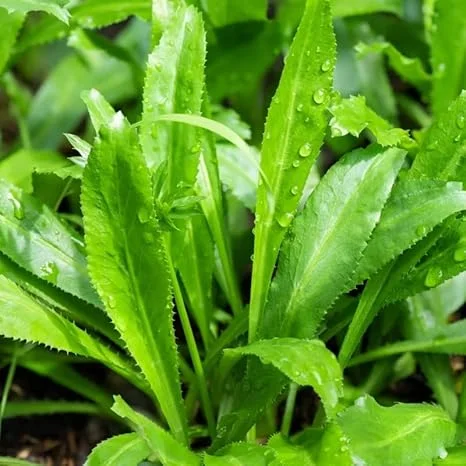
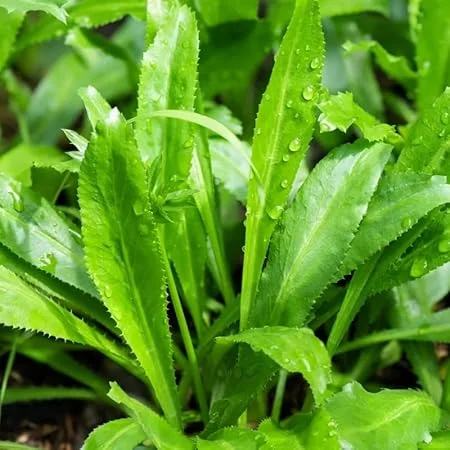
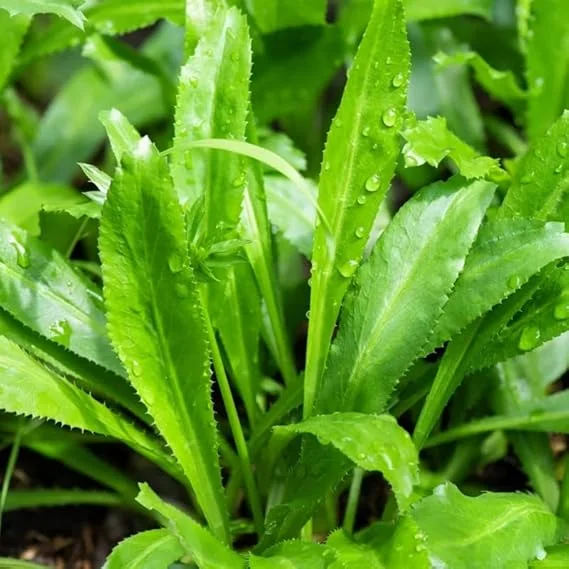
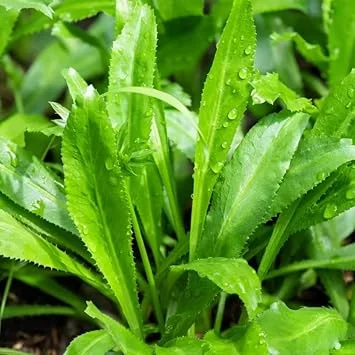
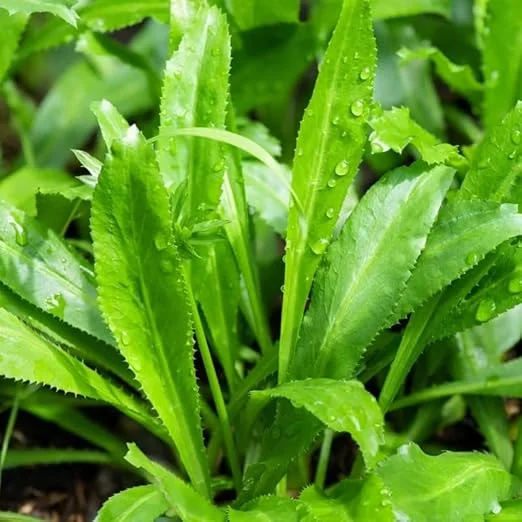
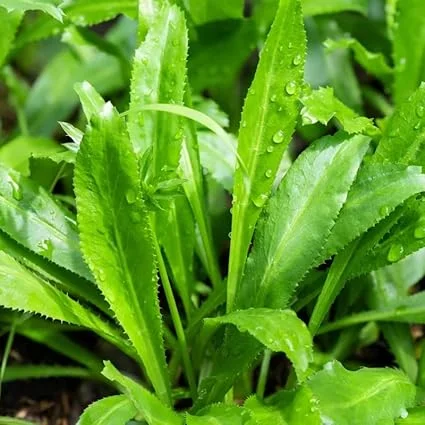
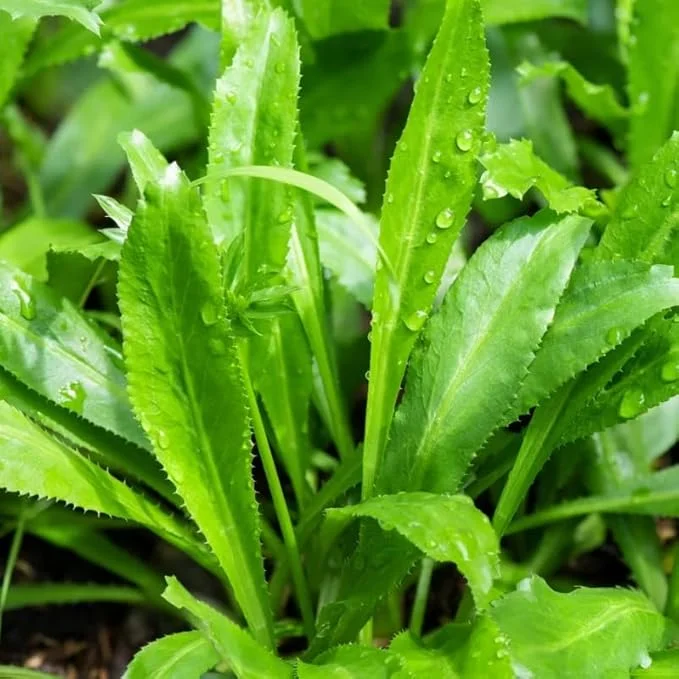
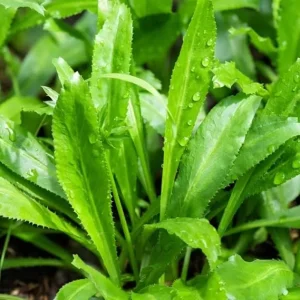
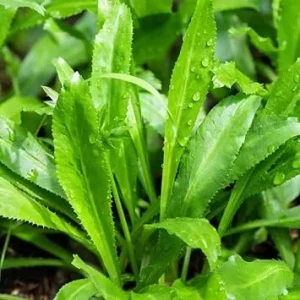
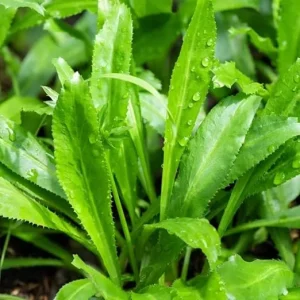
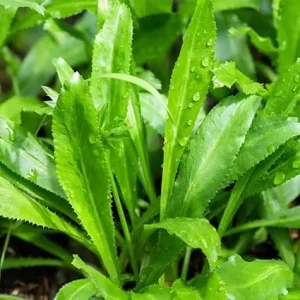
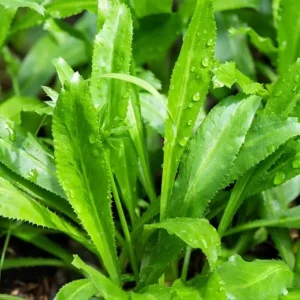
Culantro Live Herb Plant, 5 Inch Tall in 4 Inch Pot, Long-Leaf Culinary Herb for Indoor & Outdoor
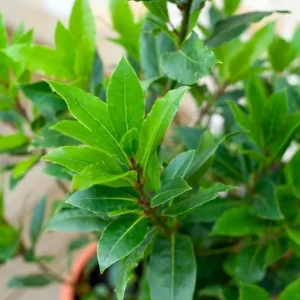
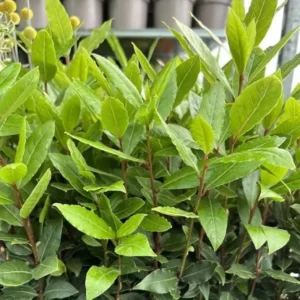
Cultivate your own fresh supply of culantro live plant, a vibrant culinary herb known for its strong, aromatic flavor. This healthy 5-inch tall plant comes pre-potted in a 4-inch container, ready for easy transplanting into your garden, patio, or kitchen windowsill. Enjoy abundant harvests of its distinctive long leaves for all your cooking needs.
Original price was: $39.98.$19.99Current price is: $19.99.

With our Alive & Thrive Guarantee, we’ve got your back for the first 30 days! If you have any concerns about your plants, just reach out to us. Our team is here to help answer your questions and guide you in selecting the best plants for your garden, climate, and unique preferences. We're excited to help you create the garden of your dreams!
Estimated arrival
Mar 28
Apr 02 - Apr 04
Apr 07 - Apr 11
Product Details
-
USDA Hardiness Zone
USDA Zones 9–11 (or year-round indoors) -
Soil type
Well-draining, rich potting mix -
Sunlight Exposure
Partial shade / Bright indirect light -
Expected Planting Period
Year-round indoors or spring to early summer outdoors
Overview
Introduce a staple of Caribbean, Latin American, and Asian cuisine to your home with this robust culantro live plant. Known botanically as Eryngium foetidum, culantro, also often referred to as ‘long-leaf coriander’ or ‘recao,’ offers a more pungent and intense flavor profile than traditional cilantro, making it a favorite for slow-cooked dishes where its flavor holds up beautifully. This well-rooted herb plant stands approximately 5 inches tall and comes nestled in a 4-inch pot, ensuring it arrives healthy and ready for immediate planting. Whether you’re a seasoned gardener or a culinary enthusiast looking to expand your herb collection, growing culantro live plant provides a continuous supply of fresh, aromatic leaves right at your fingertips. It’s an excellent choice for both experienced and novice gardeners.
Key Benefits
Growing your own culantro offers numerous advantages, from enhancing your culinary creations to providing a fresh, green accent to your living space. This herb is not only delicious but also relatively easy to care for, making it a rewarding addition to any home.
- Authentic Flavor Enhancement: The primary benefit of growing culantro live plant is the access to its unique, potent flavor. It’s indispensable for traditional dishes like sofrito, pho, and curries, providing an authentic taste that dried herbs simply cannot replicate.
- Continuous Harvest: With proper care, culantro plants can be harvested frequently, providing a steady supply of fresh leaves for your kitchen. Its long leaves regenerate, allowing for sustained use throughout the growing season.
- Versatile Growing Options: This herb thrives beautifully in various settings. You can easily grow culantro indoors on a windowsill, in outdoor herb gardens, or in containers on patios, offering flexibility regardless of your living situation.
- Compact & Productive: Despite its robust flavor, the plant maintains a manageable size, typically reaching 12–18 inches tall. This compact growth habit makes it ideal for smaller spaces while still yielding an abundance of flavorful leaves.
- Health & Wellness: Culantro is rich in vitamins and minerals, and its fresh leaves contribute to a healthy diet. Incorporating fresh herbs like culantro for cooking can boost the nutritional value and flavor of your meals.
- Aesthetic Appeal: Beyond its culinary uses, the vibrant green, long leaves of the culantro plant add a touch of natural beauty to any indoor or outdoor space.
Plant Care & Growing Tips
Culantro is a relatively low-maintenance herb, but understanding its specific needs will ensure a thriving and productive plant. It prefers warm conditions and consistent moisture to produce its flavorful leaves. When you grow culantro indoors, ensure it receives adequate light and humidity.
Sunlight Requirements: Culantro prefers partial shade, especially in hotter climates. While it can tolerate some morning sun, protect it from intense afternoon sun, which can scorch its leaves. If growing indoors, place it near a window that receives bright, indirect light, or use a grow light to supplement. Around 4-6 hours of indirect light per day is ideal.
Watering Schedule & Soil Moisture: This herb loves consistent moisture. Keep the soil evenly moist but never waterlogged. Water thoroughly when the top inch of soil feels dry to the touch. During hot weather, you may need to water daily. Ensure good drainage to prevent root rot. For optimal growth, avoid letting the soil dry out completely between waterings.
Soil Type & Drainage: A well-draining, rich potting mix is crucial for a healthy culantro herb plant. Amend garden soil with compost or organic matter to improve fertility and drainage. For potted plants, use a high-quality all-purpose potting mix. The pH preference is slightly acidic to neutral, typically between 6.0 and 7.0.
Temperature Range & USDA Hardiness Zone: Culantro thrives in warm temperatures, ideally between 70°F and 85°F (21°C – 29°C). It is sensitive to frost and cold temperatures. In the US, it is perennial in USDA Zones 9–11. In cooler zones, it can be grown as an annual or brought indoors during winter to continue to grow culantro indoors year-round.
Fertilization: Culantro is not a heavy feeder. A balanced liquid fertilizer diluted to half strength can be applied every 4-6 weeks during the active growing season (spring and summer). Avoid over-fertilizing, as this can encourage leafy growth at the expense of flavor. Organic compost tea can also provide gentle nourishment.
Size & Details
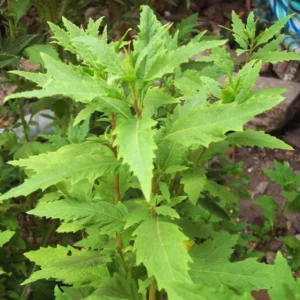
This culantro live plant is delivered as a healthy, well-established specimen, approximately 5 inches tall from the base of the plant to the tip of its leaves. It comes pre-potted in a standard 4-inch nursery pot, providing ample space for its initial growth and root development. Upon maturity, the plant typically reaches a height of 12 to 18 inches, with a spread of about 6 to 12 inches, making it a compact yet productive addition to your herb collection. The long, serrated leaves are ready for frequent harvesting once the plant establishes itself in its new environment. It is shipped as a live, rooted plant, ensuring a strong start for your gardening endeavors.
Frequently Asked Questions
- Q: How big does this culantro plant get? A: This culantro live plant arrives approximately 5 inches tall. At maturity, it typically reaches a height of 12 to 18 inches with a spread of 6 to 12 inches, making it a compact and manageable herb.
- Q: What size pot does it come in? A: The culantro plant is shipped in a 4-inch nursery pot, providing a good foundation for its initial growth. You can transplant it to a larger pot (6-8 inches) or directly into your garden.
- Q: Is this an indoor or outdoor plant? A: Culantro can be grown both indoors and outdoors. It thrives outdoors in warm climates (USDA Zones 9-11) or can be grown as an annual elsewhere. Indoors, it makes an excellent kitchen herb when given adequate light.
- Q: How much sunlight does it need? A: This culantro herb plant prefers partial shade, especially protection from intense afternoon sun. If growing indoors, place it near a bright window with indirect light, or supplement with a grow light.
- Q: Is this plant easy to care for? A: Yes, culantro is relatively easy to care for. Its main requirements are consistent moisture, warm temperatures, and protection from direct, harsh sunlight. It’s a great choice for beginners looking to grow culantro indoors or outdoors.
- Q: What condition will it arrive in? A: Your culantro plant will arrive as a healthy, well-rooted live plant, carefully packaged to ensure its safe journey. It will be ready for immediate planting in its new home.
- Q: Can I use culantro in cooking? A: Absolutely! Culantro for cooking is its primary purpose. Its strong, distinctive flavor is essential for many Caribbean, Latin American, and Asian dishes, including sofrito, stews, and soups.
- Q: When is the best time to plant? A: If planting outdoors, the best time is after the last frost in spring. For indoor growing, you can plant it year-round.
- Q: Will it survive winter in my zone? A: Culantro is perennial in USDA Zones 9–11. In colder zones, it will need to be brought indoors or treated as an annual, as it is not frost-tolerant.
- Q: Is it good for beginners? A: Yes, the long-leaf culantro is quite forgiving and suitable for beginner gardeners, provided its basic needs for warmth, moisture, and indirect light are met.
Related products
-20%
From Original price was: $22.00.$17.60Current price is: $17.60.
-20%
Original price was: $35.00.$28.00Current price is: $28.00.
-10%
Original price was: $65.00.$58.50Current price is: $58.50.
-67%
From Original price was: $35.22.$11.74Current price is: $11.74.
-10%
Original price was: $75.00.$67.50Current price is: $67.50.
-50%
Original price was: $53.98.$26.99Current price is: $26.99.
-67%
Original price was: $39.72.$13.24Current price is: $13.24.
-30%
Original price was: $57.98.$40.58Current price is: $40.58.
PLANTING & CARE

The Comprehensive Guide to Growing Bay Leaf Plants for a Flavorful Garden
Imagine stepping into your garden, greeted by the earthy aroma of fresh bay leaves, their
09
Feb
Feb

How to Make Comfrey Tea: The Ultimate Organic Plant Food
Growing an organic garden can be surprisingly expensive, especially when most store-bought fertilizers come in
02
Feb
Feb

True Comfrey: 7 Essential Tips Before You Plant This Herb
A staple in permaculture practices across the US, True Comfrey easily earns its reputation as
27
Jan
Jan

7 Heart-Shaped Plants for a Lasting Valentine’s Gift
If you’ve ever bought a bouquet of roses for Valentine’s Day, you know they are
26
Jan
Jan

Best Types of Ivy Plant for Houses: How to Choose the Perfect Ones for Your Home
Are you a garden lover looking to introduce some greenery into your home? Maybe you’ve
14
Nov
Nov

When to Harvest Garlic (Especially Fall-Planted Garlic)
TIMING IS EVERYTHING, they say – and for garlic, that truth hits with surprising accuracy.
13
Nov
Nov

11 of the Best Sweet Potato Varieties to Grow for Your Garden
If you’ve ever tried growing sweet potatoes, you know that picking the right variety can
12
Nov
Nov
Pruning Bougainvillea for Winter
Bougainvillea vines are known for their dazzling display of magenta, orange, and fuchsia bracts that
05
Nov
Nov