-
×
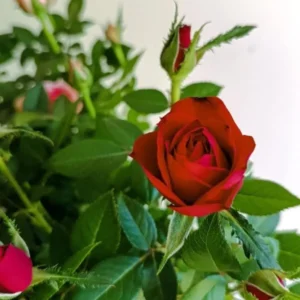 Mini Rose Red Live Plant – 6-inch Height – 3-inch Pot – Indoor/Outdoor
2 × $44.78
Mini Rose Red Live Plant – 6-inch Height – 3-inch Pot – Indoor/Outdoor
2 × $44.78 -
×
 Baptisia 'Solar Flare' False Indigo Live Plant – Perennial – 3-4 ft Tall – Zone 4-9
2 × $30.00
Baptisia 'Solar Flare' False Indigo Live Plant – Perennial – 3-4 ft Tall – Zone 4-9
2 × $30.00 -
×
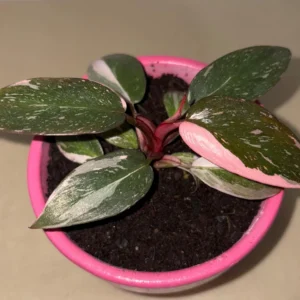
Philodendron Pink Princess Live Plant – Tropical Indoor Starter Plant
2 × $16.30
-
×
3 Lobelia speciosa Starship Rose Perennial Plants - Attracts Pollinators
1 × $15.00
-
×
Philodendron Pink Princess Live Plant - Black Cherry Variegation, Starter
2 × $15.68
-
×
Thanksgiving Cactus Live Plant – Red Flowering Houseplant – 4 inch Pot
1 × $49.98
-
×
Honey Crisp Apple Tree – Live plant – 3 ft tall – Outdoor
1 × $70.00
-
×
Arabian Jasmine Live Plant - Grand Duke - 8" Tall in 3.5" Pot - Fragrant Indoor/Outdoor
1 × $55.98
-
×
Red Mini Rose Live Plant – 6-inch Height – 3-inch Pot – Indoor/Outdoor Perennial
1 × $44.78
-
×
Set of 2 Meyer Lemon Trees Live Plants, 2-4 Inch Tall, 4" Pot, Indoor/Outdoor Citrus
1 × $36.99
-
×
Fuchsia Gartenmeister Live Plant - 2-4" Starter - Coral-Orange Flowers
1 × $9.04
-
×
Jewel Orchid Sea Turtle Live Plant - 2 inch Pot - Indoor Houseplant
1 × $24.20
-
×
Mini Rose Red Live Plant – 6" Height – 3" Pot – Indoor & Outdoor Flowering Perennial
1 × $44.78
-
×
Philodendron Micans Live Plant - 4 inch Potted Houseplant - Velvet Trailing Foliage
1 × $50.00
-
×
5 Dunstan American Chestnut Tree Seeds - Blight Resistant Hybrid
1 × $15.98
-
×
Hosta Starter Plant - Live Green Hosta up to 5 inches in 4 inch Pot - Well Rooted
1 × $11.99
-
×
Drosera burmannii Humpty Doo Seeds - Tropical Sundew Carnivorous Plant - 30+ Seeds
1 × $24.00
-
×
Crassula 'Sunrise' Variegated Succulent Live Plant - Pink & Yellow Trailing Houseplant
1 × $9.92
-
×
Pansy Viola Atlas Black Live Plant Plug – Fragrant Pollinator Flower
1 × $10.79
-
×
White Azalea Live Plant - Formosa Shrub, 6-8 Inch Tall, 3 Inch Pot, Outdoor
1 × $21.59
-
×
 20 Dunstan American Chestnut Tree Seeds - Blight Resistant for Planting
1 × $35.20
20 Dunstan American Chestnut Tree Seeds - Blight Resistant for Planting
1 × $35.20 -
×
Macodes Petola Jewel Orchid Starter Plant - Live Houseplant for Indoor Display
2 × $19.36
-
×
Natchez Crape Myrtle Live Plant – 1 Gallon Pot – White Flowers – Outdoor Shrub/Tree
1 × $77.90
-
×
2 Salvia 'Ballerina Pink' Live Perennial Plants - Full Sun, Pink Flowers
1 × $15.00
-
×
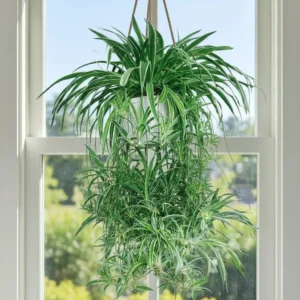
3 Live Spider Plant Rooted Cuttings – Indoor Houseplant, Easy Care
2 × $25.42
-
×
Swamp Rose Mallow – Live plant – Flowering shrub – Indoor/Outdoor
2 × $31.50
-
×
Abutilon Chinese Lantern Live Starter Plant - Flowering Maple - 3.25in Pot
1 × $15.29
-
×
Rakkyo Allium chinense Bulbs – 48 Roots – Edible Herbal Plant
1 × $89.80
-
×
Dragonfruit Plant Live - Vietnamese White Variety - 2 Rooted Stems - Easy Beginner
1 × $24.00
-
×
Vinca Sunsplash Orchid Flower Seeds - 500 Count - Purple Annual Outdoor
1 × $11.98
-
×
Red Mandevilla Live Plant Starter Set - 2 Vines, 4-6" Tall - Tropical Garden
1 × $9.49
-
×
Sage Seeds (Salvia) - Aromatic Herb Garden Seeds - 20 Count Packet
2 × $16.00
-
×
Evolvulus Blue Daze Live Plant – 2 Starter Plants – 3-6" Tall – Drought-Tolerant Groundcover
1 × $12.49
-
×
Yellow Milkweed Live Starter Plants - Set of 2, 4-8" Tall - Asclepias Syriaca Perennial Flower for Butterflies
1 × $22.24
-
×
Giant Gladiator Allium Bulbs - Allium Giganteum Purple - 3 Bulbs
1 × $31.98
-
×
Metrosideros excelsa Variegata Live Plant - New Zealand Christmas Tree - 1 Gallon Pot
1 × $90.00
-
×
Thai Lemon Tree Live Plant with Fruits, Dwarf Grafted, 1-3 Ft, 3 Gallon Pot
1 × $72.89
-
×
Philodendron Brasil Vining Live Plant - Indoor Houseplant Starter
1 × $22.50
-
×
Tulip Tree – Liriodendron tulipifera – Live Plant – 2 Ft Tall – Outdoor
1 × $29.50
-
×
Orange Milkweed Live Starter Plant (2-Pack) - 4-8" Tall - Attracts Monarch Butterflies
1 × $19.99
-
×
Sugar Apple Live Plant - Annona Squamosa Tropical Fruit Tree - 4-6 Inch Tall, 3 Inch Pot
1 × $26.09
-
×
15 Christmas Ferns Bare Root Plants - Polystichum Acrostichoides Native Perennial Evergreen
1 × $30.38
-
×
Vigoro Replacement Liners – Garden Accessory – 2 Pack – Indoor/Outdoor
1 × $31.50
-
×
Mini Rose Live Plant - Red Pink Bi-Color Flower, 6" Tall, 3" Pot, Indoor/Outdoor
1 × $44.78
-
×
Red & White Crinum Lily Flower Bulbs - 1 Count - Up to 2 ft Tall - Indoor/Outdoor
1 × $60.99
-
×
Russet Potato Seeds - 70 True Heirloom Seeds, Outdoor Planting
1 × $14.99
-
×
Yellow Christmas Cactus Live Plant – Zygocactus – 4 inch Pot – Indoor Houseplant
1 × $87.38
-
×
Live Sage Herb Plant - 8-inch Height - 4.5-inch Pot - Indoor/Outdoor Culinary Herb
2 × $47.58
-
×
Snow Chaser Blueberry Live Plant - Southern Highbush - Early Ripening - Low Chill
1 × $28.80
-
×
Pink Thanksgiving Cactus Live Plant – Zygocactus – 4 inch Pot – Indoor Succulent
1 × $55.98
-
×
Dogwood Tree – Live Plant – 2 Ft Tall – Outdoor – White Flowers
2 × $40.00
-
×
Evolvulus Blue Daze Live Plant – 2 Starter Plants – 3-6" Tall – Drought-Tolerant Groundcover
1 × $12.99
-
×
Strawberry Mint Live Plant - 6-inch Height, 4.5-inch Pot, Culinary Herb
1 × $69.98
-
×
Swamp Rose Mallow Live Plant - Hardy Hibiscus, Pink Flowers, Outdoor
1 × $31.50
-
×
100 Organic Wild Ramps Bulbs - Allium Tricoccum Bare Root Wildflower
1 × $139.20
-
×
5 Ostrich Fern Bare Root Plants - Matteuccia Struthiopteris Fiddlehead Perennial
1 × $30.38
-
×
Rare Yellow Banana Plant Live for Planting - Cold Hardy Musa, 4-7" Tall
1 × $23.99
-
×
Brandywine Pink Heirloom Tomato Seeds - 25 Organic Seeds for Large Tomatoes
1 × $7.98
-
×
4 Live Creeping Phlox Red Wings Perennials - Attracts Butterflies & Hummingbirds, Full Sun
1 × $18.50
-
×
Short Needle Pine – Live Plant – 10 Inches Tall – Outdoor
1 × $9.00
-
×
Rainbow Cactus Live Plant – 5 inch Tall – Bare Root Succulent – Indoor/Outdoor
1 × $68.00
-
×
Creeping Phlox Cherry Live Plant Plug - 3-6" Tall Pink Flower Perennial Groundcover
1 × $7.74
-
×
Fishbone Cactus Live Plant – 6-inch Height – 2-inch Pot – Indoor Houseplant
1 × $34.98
-
×
Organic True Potato Seeds - 50 Count Purple, Red, Yellow Color Mix - Vegetable Seeds
1 × $19.98
-
×
Philodendron Silver Sword Live Plant - Starter Size Houseplant
1 × $17.24
-
×
Heirloom Rhubarb Seeds - 25 Organic Perennial Vegetable Garden Seeds
1 × $5.50
-
×
Mixed Apple Trees – Live plant – 2.5 ft tall – Outdoor
2 × $524.00
-
×
Bay Leaf Tree Live Plant - Laurus Nobilis Sweet Bay, 7-10 Inches Tall in 4 Inch Pot for Indoor/Outdoor
1 × $26.99
-
×
Laeliocattleya Rojo Orchid Live Plant - Red Flower Houseplant, Blooming Size, 4 inch Pot
1 × $88.00
-
×
Philodendron White Princess Live Plant - Variegated Houseplant Starter
1 × $12.60
-
×
Thanksgiving Cactus Live Plant – Zygocactus – 4" Pot – Indoor
1 × $55.98
-
×
Lemongrass Seeds - 300+ Fresh Non-GMO Lemon Grass Seeds for Indoor & Outdoor Garden
1 × $7.38
-
×
Pink Mini Rose Live Plant – 6-inch Height – 3-inch Pot – Indoor/Outdoor
1 × $44.78
-
×
6 Asiatic Lily Flower Bulbs Mix - Perennial Butterfly Garden Plants
1 × $39.98
-
×
Vietnamese Fig Tree Live Plant – Fruit Bearing – 1-2 ft Tall – Gallon Pot – Outdoor
1 × $44.09
-
×
Red Milkweed Live Starter Plants - Set of 2, 4-8" Tall, Perennial, Attracts Monarch Butterflies
1 × $19.99
-
×
Winsap Apple Tree – Live plant – 2.5 ft tall – Outdoor
1 × $70.00
-
×
Lemongrass Seeds - 1000+ Fresh Non-GMO Herb Seeds - Indoor & Outdoor
1 × $21.38
-
×
Live Sambac Jasmine Plant – 10-inch Tall, 3-inch Pot – Fragrant Flowering Shrub
1 × $51.78
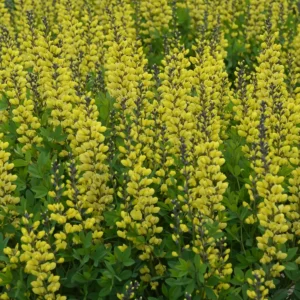 Baptisia 'Solar Flare' False Indigo Live Plant – Perennial – 3-4 ft Tall – Zone 4-9
 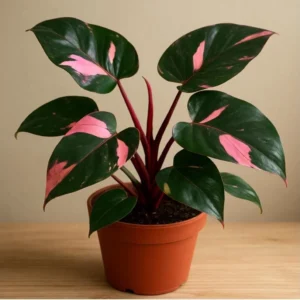 Philodendron Pink Princess Live Plant – Tropical Indoor Starter Plant
 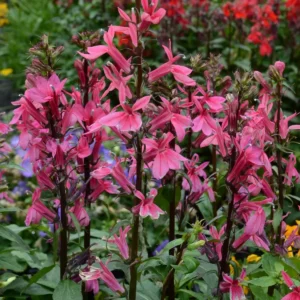 3 Lobelia speciosa Starship Rose Perennial Plants - Attracts Pollinators
 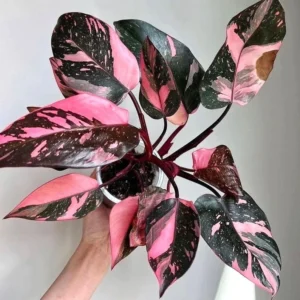 Philodendron Pink Princess Live Plant - Black Cherry Variegation, Starter
 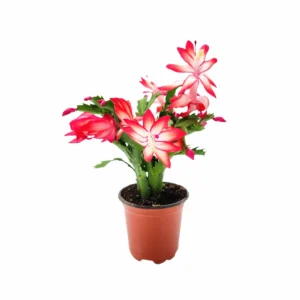 Thanksgiving Cactus Live Plant – Red Flowering Houseplant – 4 inch Pot
 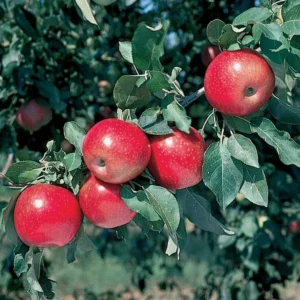 Honey Crisp Apple Tree – Live plant – 3 ft tall – Outdoor
 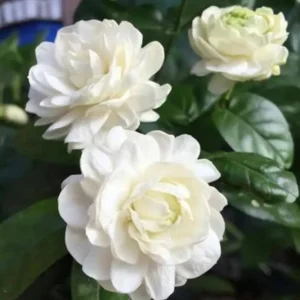 Arabian Jasmine Live Plant - Grand Duke - 8" Tall in 3.5" Pot - Fragrant Indoor/Outdoor
 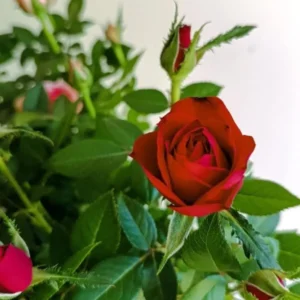 Red Mini Rose Live Plant – 6-inch Height – 3-inch Pot – Indoor/Outdoor Perennial
 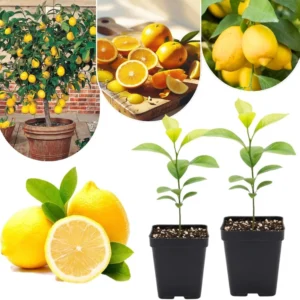 Set of 2 Meyer Lemon Trees Live Plants, 2-4 Inch Tall, 4" Pot, Indoor/Outdoor Citrus
 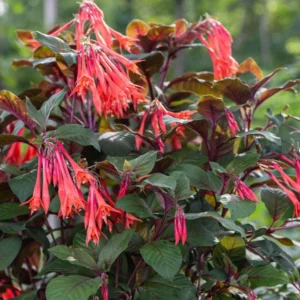 Fuchsia Gartenmeister Live Plant - 2-4" Starter - Coral-Orange Flowers
 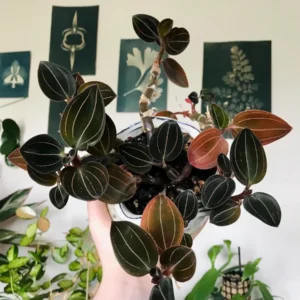 Jewel Orchid Sea Turtle Live Plant - 2 inch Pot - Indoor Houseplant
 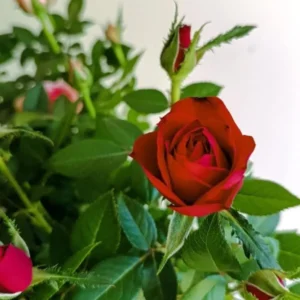 Mini Rose Red Live Plant – 6" Height – 3" Pot – Indoor & Outdoor Flowering Perennial
 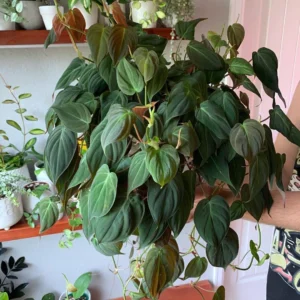 Philodendron Micans Live Plant - 4 inch Potted Houseplant - Velvet Trailing Foliage
 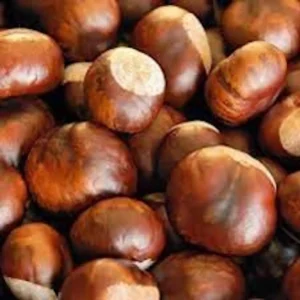 5 Dunstan American Chestnut Tree Seeds - Blight Resistant Hybrid
 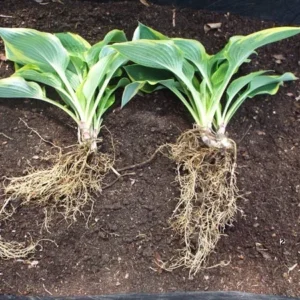 Hosta Starter Plant - Live Green Hosta up to 5 inches in 4 inch Pot - Well Rooted
 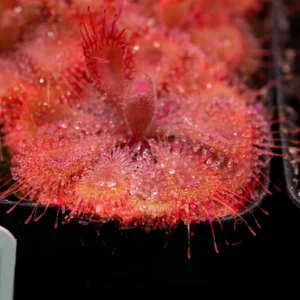 Drosera burmannii Humpty Doo Seeds - Tropical Sundew Carnivorous Plant - 30+ Seeds
 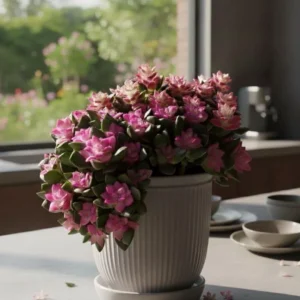 Crassula 'Sunrise' Variegated Succulent Live Plant - Pink & Yellow Trailing Houseplant
 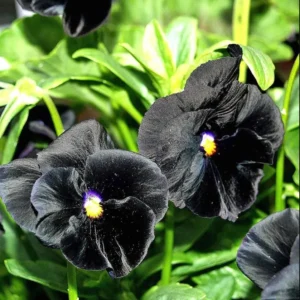 Pansy Viola Atlas Black Live Plant Plug – Fragrant Pollinator Flower
 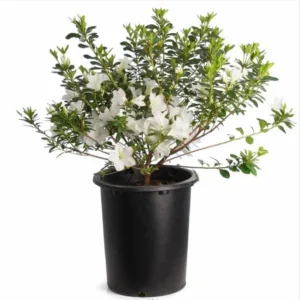 White Azalea Live Plant - Formosa Shrub, 6-8 Inch Tall, 3 Inch Pot, Outdoor
 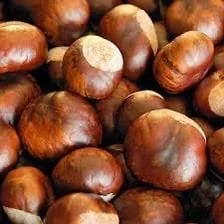 20 Dunstan American Chestnut Tree Seeds - Blight Resistant for Planting
 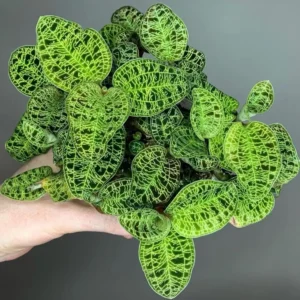 Macodes Petola Jewel Orchid Starter Plant - Live Houseplant for Indoor Display
 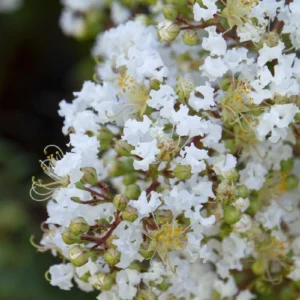 Natchez Crape Myrtle Live Plant – 1 Gallon Pot – White Flowers – Outdoor Shrub/Tree
 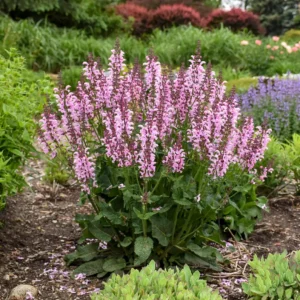 2 Salvia 'Ballerina Pink' Live Perennial Plants - Full Sun, Pink Flowers
  Swamp Rose Mallow – Live plant – Flowering shrub – Indoor/Outdoor
 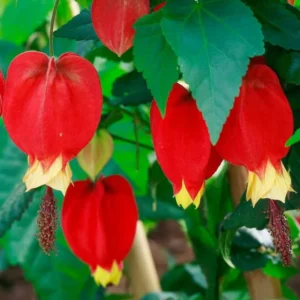 Abutilon Chinese Lantern Live Starter Plant - Flowering Maple - 3.25in Pot
 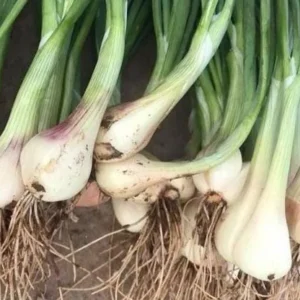 Rakkyo Allium chinense Bulbs – 48 Roots – Edible Herbal Plant
 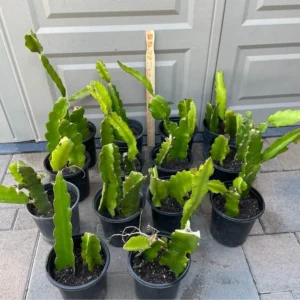 Dragonfruit Plant Live - Vietnamese White Variety - 2 Rooted Stems - Easy Beginner
 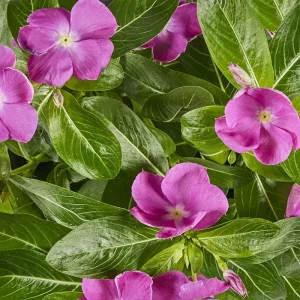 Vinca Sunsplash Orchid Flower Seeds - 500 Count - Purple Annual Outdoor
 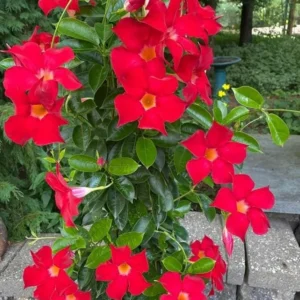 Red Mandevilla Live Plant Starter Set - 2 Vines, 4-6" Tall - Tropical Garden
 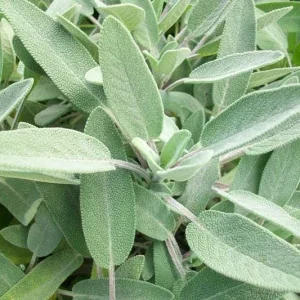 Sage Seeds (Salvia) - Aromatic Herb Garden Seeds - 20 Count Packet
 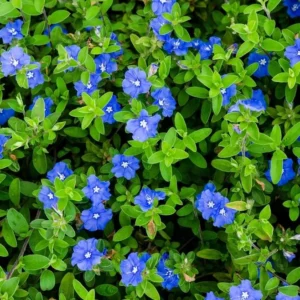 Evolvulus Blue Daze Live Plant – 2 Starter Plants – 3-6" Tall – Drought-Tolerant Groundcover
 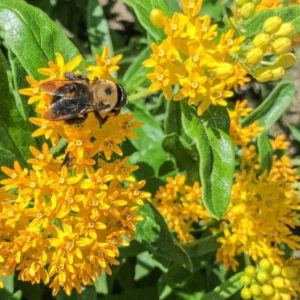 Yellow Milkweed Live Starter Plants - Set of 2, 4-8" Tall - Asclepias Syriaca Perennial Flower for Butterflies
 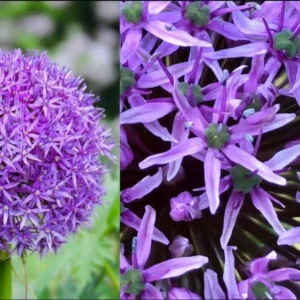 Giant Gladiator Allium Bulbs - Allium Giganteum Purple - 3 Bulbs
 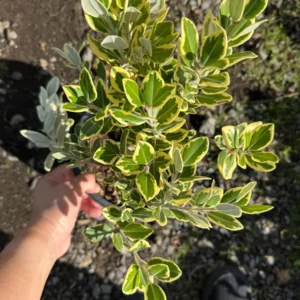 Metrosideros excelsa Variegata Live Plant - New Zealand Christmas Tree - 1 Gallon Pot
 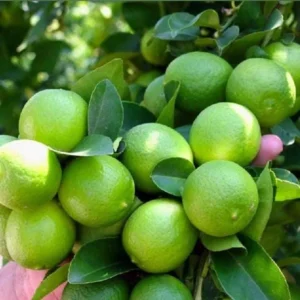 Thai Lemon Tree Live Plant with Fruits, Dwarf Grafted, 1-3 Ft, 3 Gallon Pot
 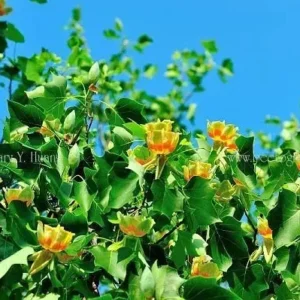 Tulip Tree – Liriodendron tulipifera – Live Plant – 2 Ft Tall – Outdoor
 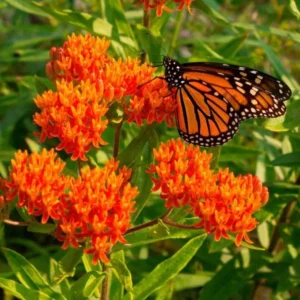 Orange Milkweed Live Starter Plant (2-Pack) - 4-8" Tall - Attracts Monarch Butterflies
 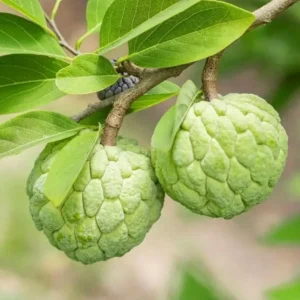 Sugar Apple Live Plant - Annona Squamosa Tropical Fruit Tree - 4-6 Inch Tall, 3 Inch Pot
 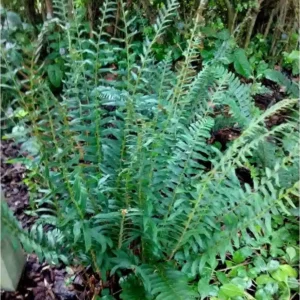 15 Christmas Ferns Bare Root Plants - Polystichum Acrostichoides Native Perennial Evergreen
 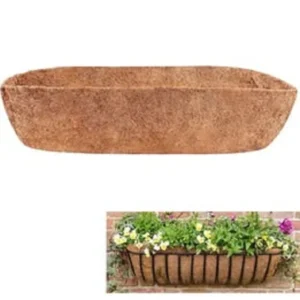 Vigoro Replacement Liners – Garden Accessory – 2 Pack – Indoor/Outdoor
 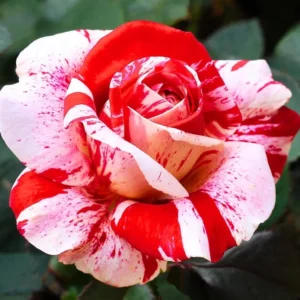 Mini Rose Live Plant - Red Pink Bi-Color Flower, 6" Tall, 3" Pot, Indoor/Outdoor
 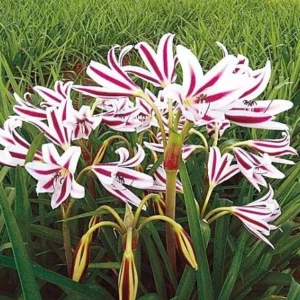 Red & White Crinum Lily Flower Bulbs - 1 Count - Up to 2 ft Tall - Indoor/Outdoor
 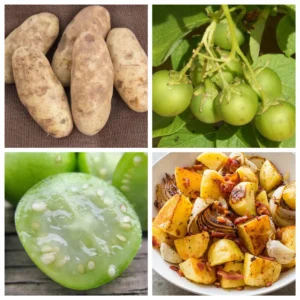 Russet Potato Seeds - 70 True Heirloom Seeds, Outdoor Planting
 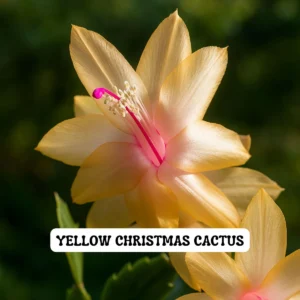 Yellow Christmas Cactus Live Plant – Zygocactus – 4 inch Pot – Indoor Houseplant
 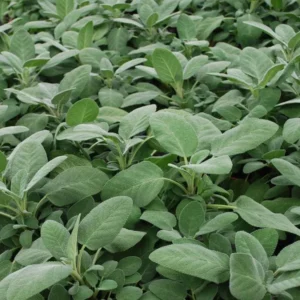 Live Sage Herb Plant - 8-inch Height - 4.5-inch Pot - Indoor/Outdoor Culinary Herb
 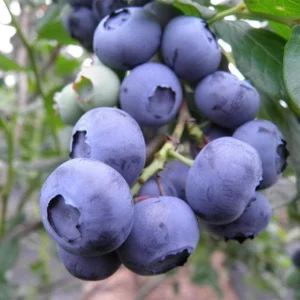 Snow Chaser Blueberry Live Plant - Southern Highbush - Early Ripening - Low Chill
 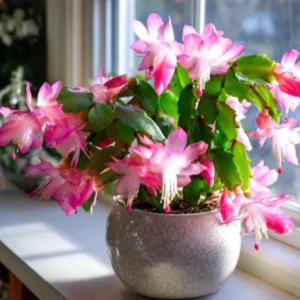 Pink Thanksgiving Cactus Live Plant – Zygocactus – 4 inch Pot – Indoor Succulent
 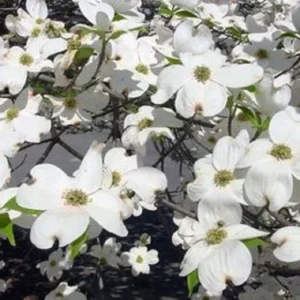 Dogwood Tree – Live Plant – 2 Ft Tall – Outdoor – White Flowers
 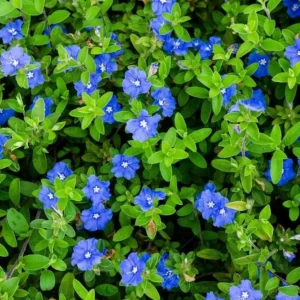 Evolvulus Blue Daze Live Plant – 2 Starter Plants – 3-6" Tall – Drought-Tolerant Groundcover
 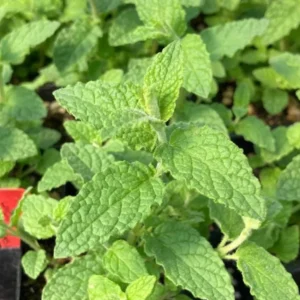 Strawberry Mint Live Plant - 6-inch Height, 4.5-inch Pot, Culinary Herb
 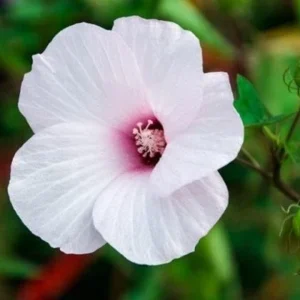 Swamp Rose Mallow Live Plant - Hardy Hibiscus, Pink Flowers, Outdoor
 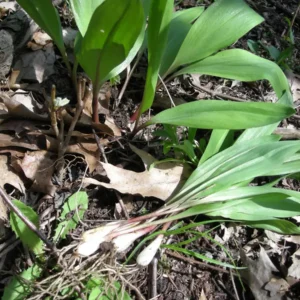 100 Organic Wild Ramps Bulbs - Allium Tricoccum Bare Root Wildflower
 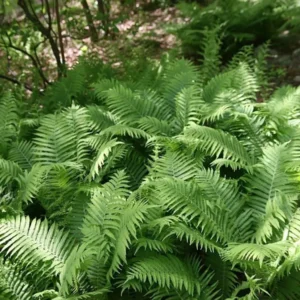 5 Ostrich Fern Bare Root Plants - Matteuccia Struthiopteris Fiddlehead Perennial
 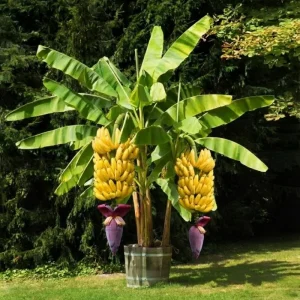 Rare Yellow Banana Plant Live for Planting - Cold Hardy Musa, 4-7" Tall
 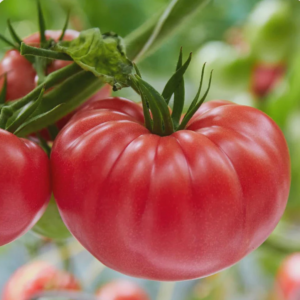 Brandywine Pink Heirloom Tomato Seeds - 25 Organic Seeds for Large Tomatoes
 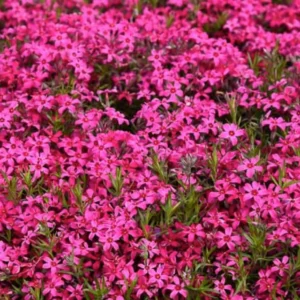 4 Live Creeping Phlox Red Wings Perennials - Attracts Butterflies & Hummingbirds, Full Sun
 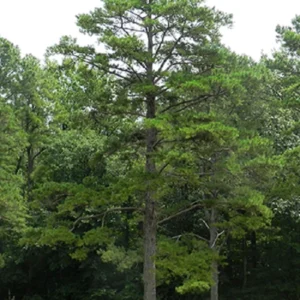 Short Needle Pine – Live Plant – 10 Inches Tall – Outdoor
 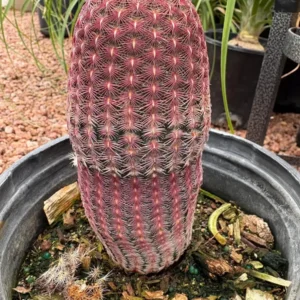 Rainbow Cactus Live Plant – 5 inch Tall – Bare Root Succulent – Indoor/Outdoor
 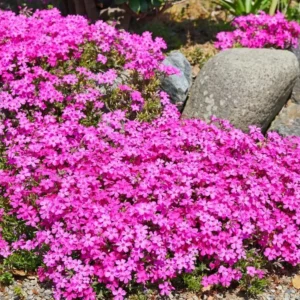 Creeping Phlox Cherry Live Plant Plug - 3-6" Tall Pink Flower Perennial Groundcover
 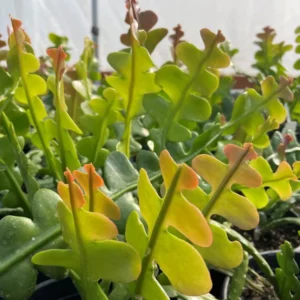 Fishbone Cactus Live Plant – 6-inch Height – 2-inch Pot – Indoor Houseplant
 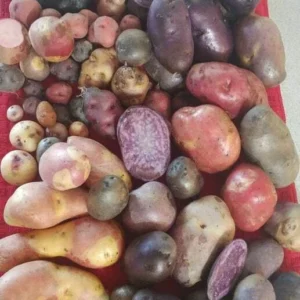 Organic True Potato Seeds - 50 Count Purple, Red, Yellow Color Mix - Vegetable Seeds
 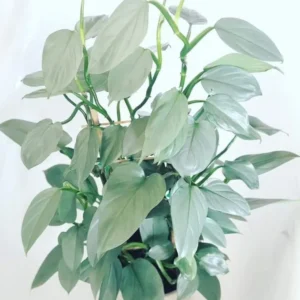 Philodendron Silver Sword Live Plant - Starter Size Houseplant
 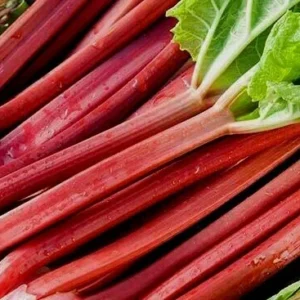 Heirloom Rhubarb Seeds - 25 Organic Perennial Vegetable Garden Seeds
 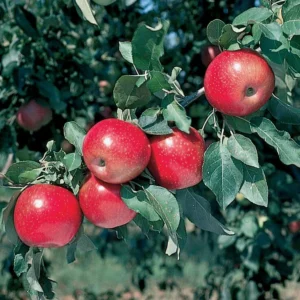 Mixed Apple Trees – Live plant – 2.5 ft tall – Outdoor
 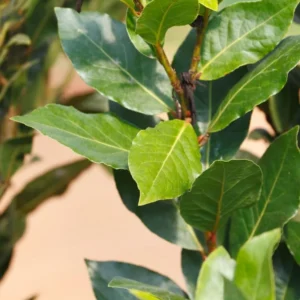 Bay Leaf Tree Live Plant - Laurus Nobilis Sweet Bay, 7-10 Inches Tall in 4 Inch Pot for Indoor/Outdoor
 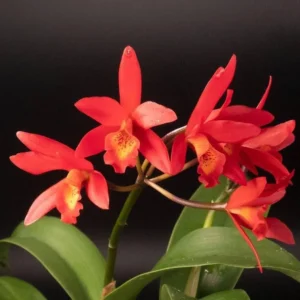 Laeliocattleya Rojo Orchid Live Plant - Red Flower Houseplant, Blooming Size, 4 inch Pot
 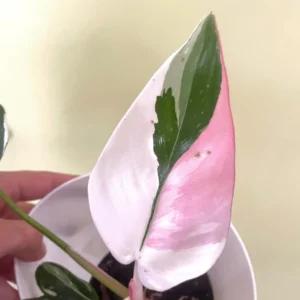 Philodendron White Princess Live Plant - Variegated Houseplant Starter
 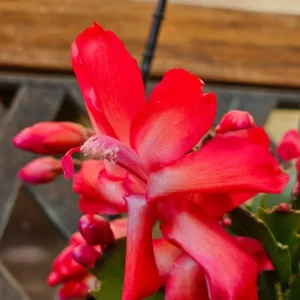 Thanksgiving Cactus Live Plant – Zygocactus – 4" Pot – Indoor
 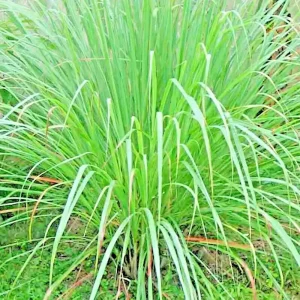 Lemongrass Seeds - 300+ Fresh Non-GMO Lemon Grass Seeds for Indoor & Outdoor Garden
 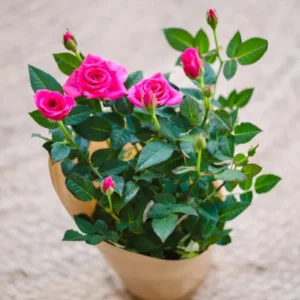 Pink Mini Rose Live Plant – 6-inch Height – 3-inch Pot – Indoor/Outdoor
 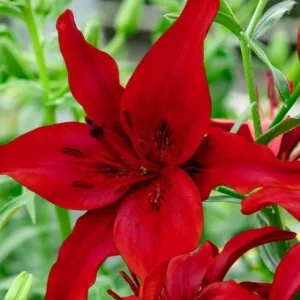 6 Asiatic Lily Flower Bulbs Mix - Perennial Butterfly Garden Plants
 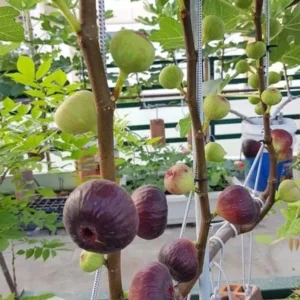 Vietnamese Fig Tree Live Plant – Fruit Bearing – 1-2 ft Tall – Gallon Pot – Outdoor
 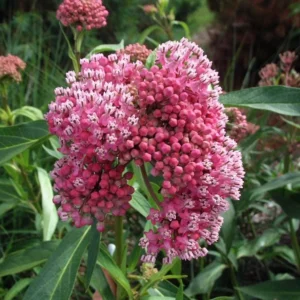 Red Milkweed Live Starter Plants - Set of 2, 4-8" Tall, Perennial, Attracts Monarch Butterflies
 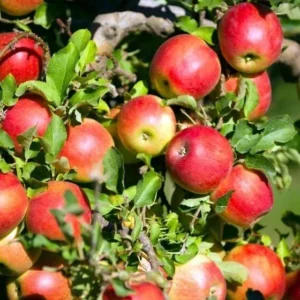 Winsap Apple Tree – Live plant – 2.5 ft tall – Outdoor
 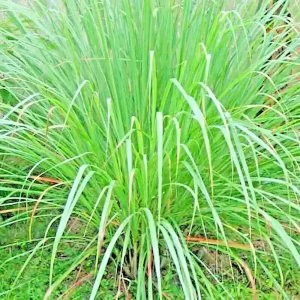 Lemongrass Seeds - 1000+ Fresh Non-GMO Herb Seeds - Indoor & Outdoor
 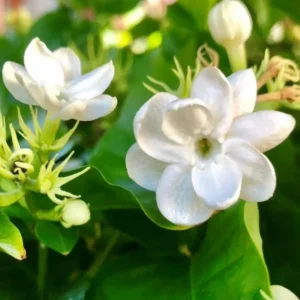 Live Sambac Jasmine Plant – 10-inch Tall, 3-inch Pot – Fragrant Flowering Shrub
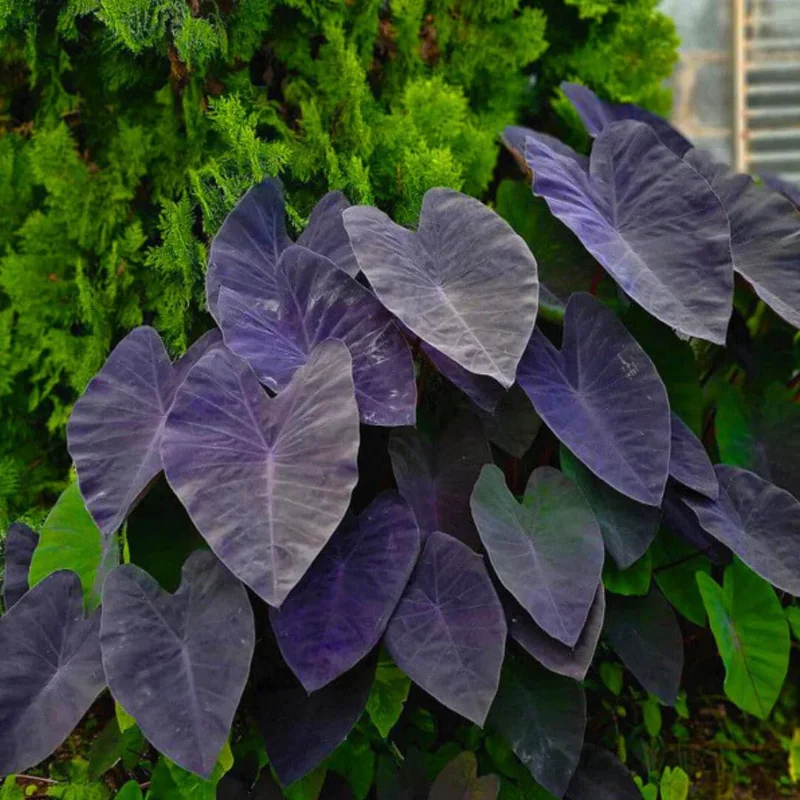
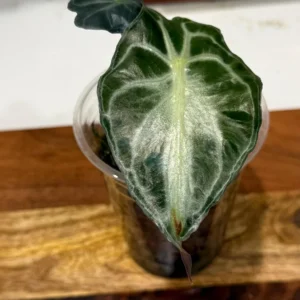
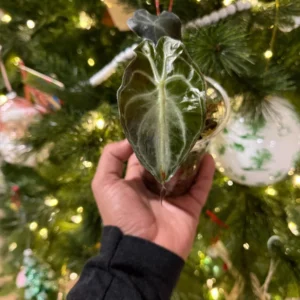
 Black Elephant Ear Live Plant – Colocasia Esculenta Taro – Indoor/Outdoor
-50%
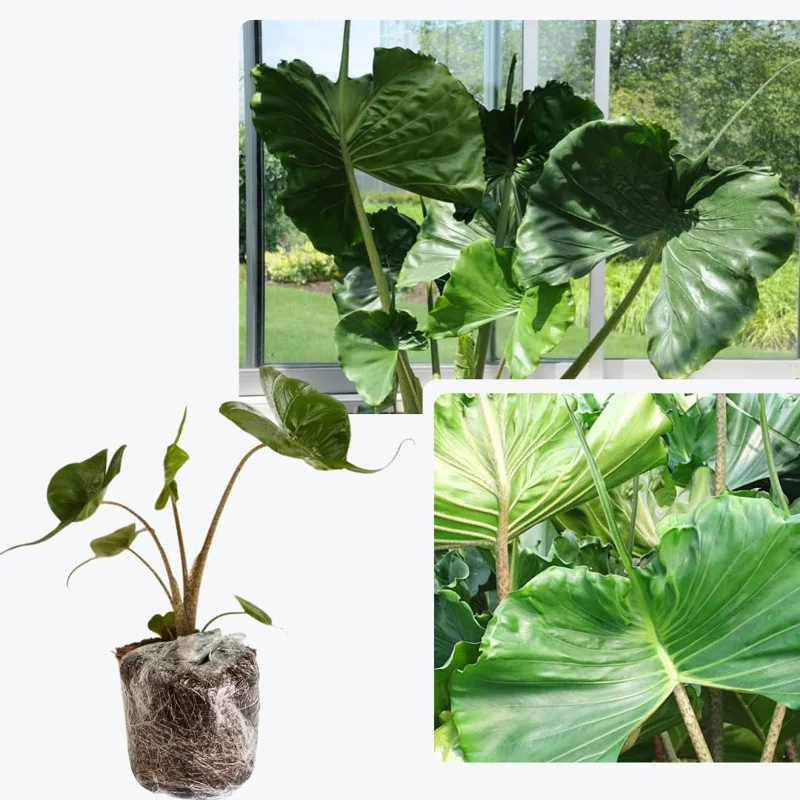
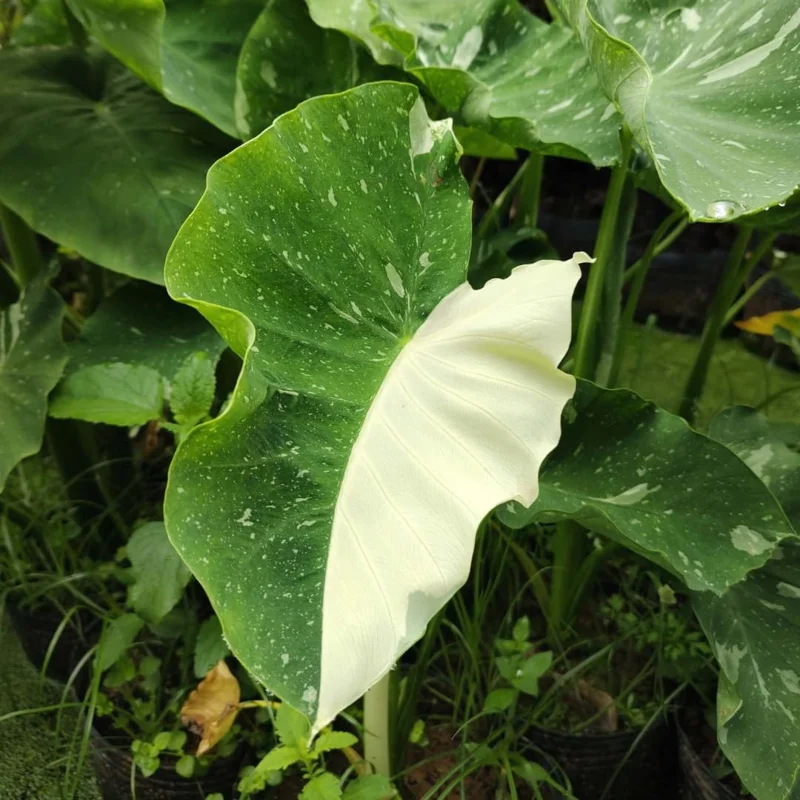
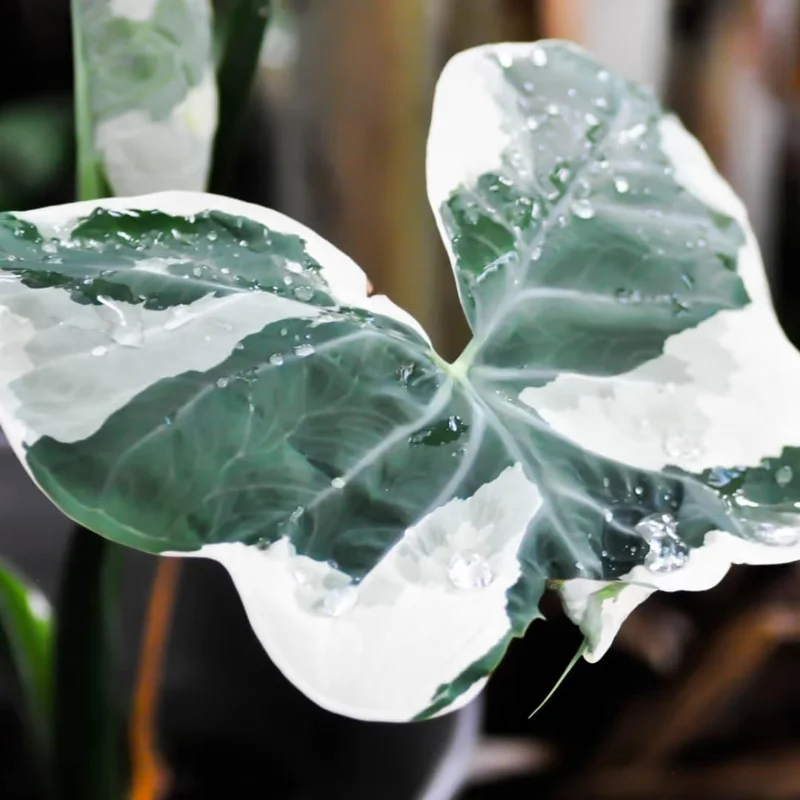
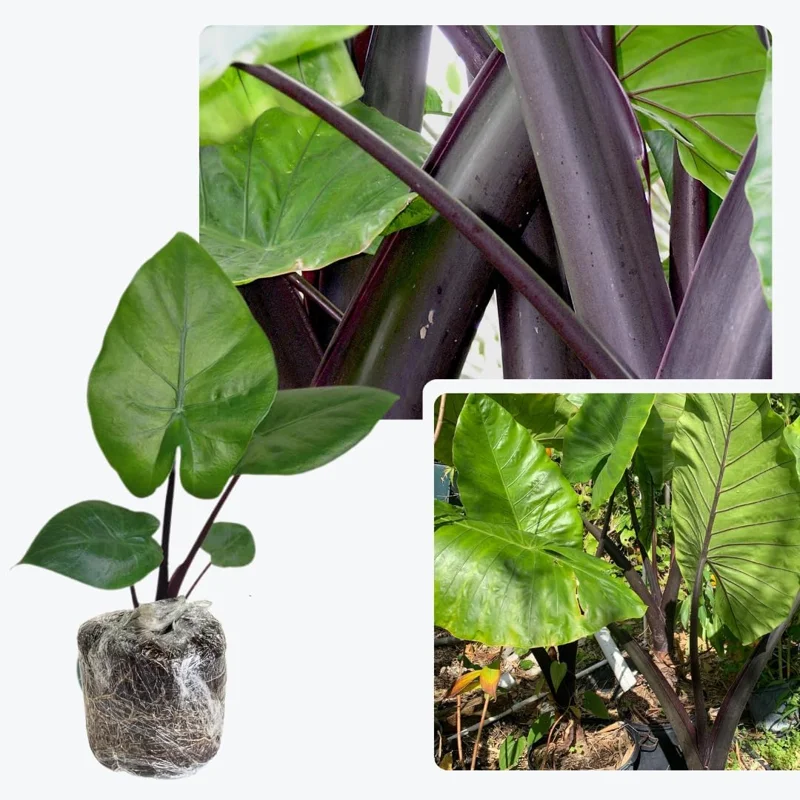
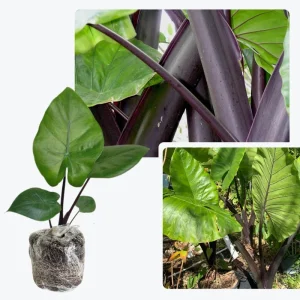
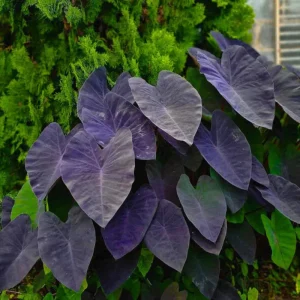
Black Elephant Ear Live Plant – Colocasia Esculenta Taro – Indoor/Outdoor
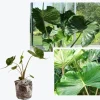
Add a touch of tropical drama with this beautiful black elephant ear live plant. Perfect for both indoor and outdoor settings, its striking dark foliage creates a bold statement. Enjoy its unique beauty with minimal effort.
From Original price was: $35.98.$17.99Current price is: $17.99.

With our Alive & Thrive Guarantee, we’ve got your back for the first 30 days! If you have any concerns about your plants, just reach out to us. Our team is here to help answer your questions and guide you in selecting the best plants for your garden, climate, and unique preferences. We're excited to help you create the garden of your dreams!
Estimated arrival
Apr 03
Apr 08 - Apr 10
Apr 13 - Apr 17
Product Details
-
USDA Hardiness Zone
USDA Zones 8-11 (outdoors with winter protection in zone 8) -
Soil type
Rich, consistently moist, well-draining soil -
Sunlight Exposure
Partial Shade -
Expected Planting Period
Spring to early summer
Overview
Introduce an exotic flair to your home or garden with the magnificent black elephant ear live plant, scientifically known as Colocasia Esculenta ‘Black Magic’ or simply Colocasia Esculenta Taro. This stunning live plant is renowned for its large, heart-shaped leaves that emerge in shades of deep purple to almost black, creating a truly dramatic visual impact. Originating from tropical and subtropical regions, the colocasia esculenta plant is a versatile specimen, thriving in various environments from boggy garden areas to decorative indoor pots. Its unique color and impressive size make it a focal point in any landscape design or interior decor. Whether you’re aiming for a lush, tropical jungle aesthetic or a bold, modern statement, this plant delivers unparalleled beauty. The leaves can grow quite large, providing excellent texture and contrast against lighter green plants.
This particular variety of Colocasia esculenta is also known as the taro plant care, a term often used for its edible corms in many cultures. However, this ornamental variety is primarily grown for its breathtaking foliage. It’s an excellent choice for gardeners looking to add a touch of the extraordinary to their plant collection. The rich, dark hues of the leaves absorb sunlight, making them appear even deeper in color under bright conditions. As a cold hardy elephant ear, it offers more resilience than some other tropical varieties, making it suitable for a wider range of climates when properly cared for.
Key Benefits
The black elephant ear live plant offers numerous benefits, making it a highly desirable addition to any plant enthusiast’s collection. Its striking appearance and relative ease of care contribute to its popularity:
- Dramatic Aesthetic Appeal: The large, dark, heart-shaped leaves provide a bold and exotic focal point, instantly elevating the visual interest of any space, whether indoors or outdoors.
- Versatile Placement: This plant thrives in a variety of settings, making it suitable for container gardening on patios, as a striking specimen in garden beds, or as an impressive houseplant.
- Air Purification: Like many large-leaved plants, the colocasia esculenta plant helps to improve indoor air quality by absorbing common household toxins and releasing fresh oxygen.
- Fast Growing: Under optimal conditions, these plants can grow quite quickly, providing substantial foliage in a relatively short period, giving an immediate impact to your landscape.
- Relatively Low Maintenance: Once established, these plants are not overly demanding, requiring consistent watering and occasional feeding to maintain their vibrant health.
- Unique Coloration: The deep purplish-black foliage is uncommon among garden plants, offering a fantastic contrast to green plants and colorful flowers, making it a true showstopper.
- Hardiness: As a cold hardy elephant ear, it demonstrates a good level of resilience to cooler temperatures compared to other tropical plants, especially when mulched adequately in winter.
Plant Care & Growing Tips
Proper care is essential for your black elephant ear live plant to thrive and showcase its stunning foliage. These plants generally prefer warm, humid conditions, mimicking their native tropical environment. For sunlight exposure, they do best in partial shade, especially in hotter climates where direct afternoon sun can scorch their leaves. If grown indoors, a spot with bright, indirect light near a window is ideal. Outdoors, choose a location that receives morning sun and afternoon shade. Too much shade might reduce the intensity of their dark coloration, while too much direct sun can cause leaf burn.
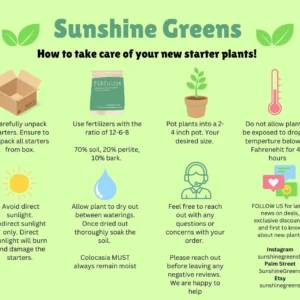
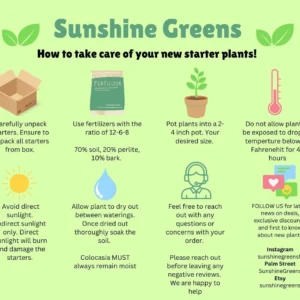
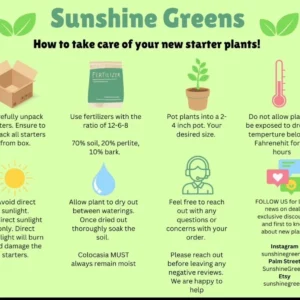
When it comes to watering, Colocasia esculenta loves moisture. The soil should be consistently moist but not waterlogged. Water thoroughly when the top inch of soil feels dry to the touch. During hot summer months, you may need to water daily, especially if planted in containers. Good drainage is crucial to prevent root rot, even though they enjoy moisture. A rich, well-draining potting mix is recommended for container plants. For garden beds, amend heavy clay soils with compost to improve drainage and fertility. The ideal temperature range for this colocasia esculenta plant is between 65-85°F (18-29°C). While it is a cold hardy elephant ear, it will go dormant or die back in freezing temperatures. In USDA zones below 8, tubers should be dug up and stored indoors over winter or treated as annuals.
Fertilize your taro plant care regularly during the growing season (spring and summer) with a balanced liquid fertilizer every 2-4 weeks. Reduce fertilization in fall and winter when growth slows. Common problems include spider mites and aphids, which can be managed with insecticidal soap. Yellowing leaves can indicate overwatering or nutrient deficiency, while browning leaf edges often point to underwatering or low humidity. Ensuring consistent moisture and proper feeding will keep your plant healthy and vibrant, contributing to its dramatic foliage plants appearance.
Size & Details
This black elephant ear live plant is typically shipped as a well-rooted plant in a nursery pot, ready for transplanting into your garden or a larger decorative container. The size of the plant at arrival will vary, but it will be established and healthy, ready to grow. Mature plants can reach impressive dimensions, with leaves often growing 1-3 feet long and wide, and the plant itself can reach a height of 3-6 feet or more, creating a substantial presence. Its spread can also be significant, so allow ample space for its growth. The growth rate is relatively fast under optimal conditions, allowing you to enjoy its full splendor quickly. This plant is known for its ability to form large clumps over time, making it an excellent choice for mass planting or as a bold specimen.
The dark coloration of the leaves becomes more pronounced with good light and nutrient availability. While it can be grown as an outdoor plant in warmer climates, it also makes a stunning houseplant, especially in areas with high ceilings or open spaces where its large leaves can be appreciated. The plant’s unique ‘black’ style adds a sophisticated touch, distinguishing it from common green varieties. Although referred to as cold hardy elephant ear, it’s essential to protect it from harsh freezes to ensure its longevity. Expect this plant to go dormant in winter, with foliage dying back, and new growth emerging in spring.
Frequently Asked Questions
- Q: How big does this black elephant ear live plant get? A: This plant can grow quite large, typically reaching heights of 3-6 feet with a similar spread. Its individual leaves can measure 1-3 feet long, creating a very dramatic and tropical look in your garden or home.
- Q: Is this an indoor or outdoor plant? A: The colocasia esculenta plant is versatile and can be grown both indoors and outdoors. It thrives outdoors in warm, humid climates and can be a stunning houseplant in cooler regions, provided it receives adequate light and humidity.
- Q: How much sunlight does it need? A: This plant prefers partial shade, especially in hot climates where direct afternoon sun can scorch its leaves. If growing indoors, place it in a spot with bright, indirect light. Too much shade might diminish the intensity of its dark foliage.
- Q: Is this plant easy to care for? A: Yes, the taro plant care is considered relatively easy. It primarily needs consistent moisture, rich soil, and protection from direct, harsh sunlight. With proper care, it will flourish and provide stunning foliage.
- Q: What condition will the plant arrive in? A: Your plant will arrive as a healthy, well-rooted specimen in a nursery pot, carefully packaged to ensure its safe journey. It will be ready for you to transplant into its new home.
- Q: When is the best time to plant? A: The best time to plant your black elephant ear live plant is in spring or early summer, after all danger of frost has passed and soil temperatures have warmed. This gives the plant ample time to establish before cooler weather.
- Q: Will it survive winter in my zone? A: This is a cold hardy elephant ear compared to some varieties, but it is still a tropical plant. In USDA zones 8 and higher, it can often overwinter outdoors with a thick layer of mulch. In colder zones, the tubers should be dug up and stored indoors or treated as an annual.
- Q: What type of soil is best for this plant? A: It prefers rich, consistently moist, well-draining soil. Amending garden soil with compost will help. For container planting, use a high-quality potting mix that retains moisture but drains well to prevent root rot.
- Q: How often should I fertilize these dramatic foliage plants? A: During the active growing season (spring and summer), fertilize every 2-4 weeks with a balanced liquid fertilizer. Reduce or stop fertilizing in the fall and winter when the plant’s growth naturally slows down.
- Q: Is this plant suitable for beginners? A: Absolutely! Its relatively straightforward care requirements make it an excellent choice for both experienced gardeners and beginners looking to add a striking, tropical element to their plant collection.
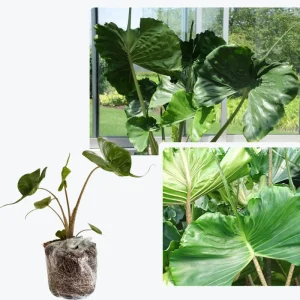
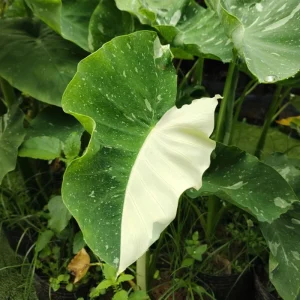
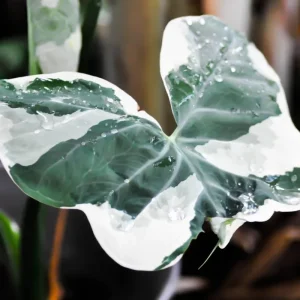
| Style | Black, Black Stems, Green Stems, Green White, Variegated |
|---|
Related products
-25%
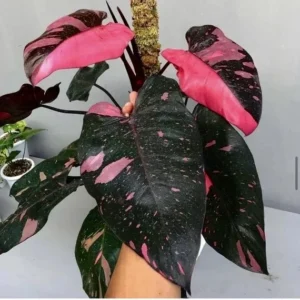
Original price was: $20.90.$15.68Current price is: $15.68.
-25%
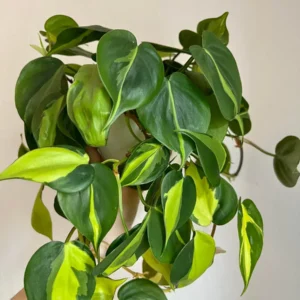
Original price was: $30.00.$22.50Current price is: $22.50.
-25%
Original price was: $33.90.$25.42Current price is: $25.42.
PLANTING & CARE

Growing Glencoe Raspberry: A Complete Guide for Gardeners
If you’re looking to add something unique to your garden, look no further than the
31
Mar
Mar

The Comprehensive Guide to Growing Bay Leaf Plants for a Flavorful Garden
Imagine stepping into your garden, greeted by the earthy aroma of fresh bay leaves, their
09
Feb
Feb

How to Make Comfrey Tea: The Ultimate Organic Plant Food
Growing an organic garden can be surprisingly expensive, especially when most store-bought fertilizers come in
02
Feb
Feb

True Comfrey: 7 Essential Tips Before You Plant This Herb
A staple in permaculture practices across the US, True Comfrey easily earns its reputation as
27
Jan
Jan

7 Heart-Shaped Plants for a Lasting Valentine’s Gift
If you’ve ever bought a bouquet of roses for Valentine’s Day, you know they are
26
Jan
Jan

Best Types of Ivy Plant for Houses: How to Choose the Perfect Ones for Your Home
Are you a garden lover looking to introduce some greenery into your home? Maybe you’ve
14
Nov
Nov

When to Harvest Garlic (Especially Fall-Planted Garlic)
TIMING IS EVERYTHING, they say – and for garlic, that truth hits with surprising accuracy.
13
Nov
Nov

11 of the Best Sweet Potato Varieties to Grow for Your Garden
If you’ve ever tried growing sweet potatoes, you know that picking the right variety can
12
Nov
Nov