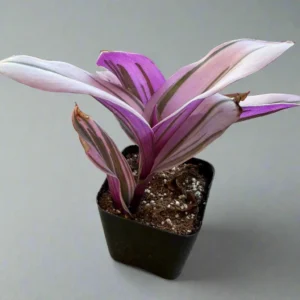
Red Christmas Cactus Live Plant, Holiday Houseplant, 4-inch Pot, 5-7 inches Tall
-50%
Red Christmas Cactus Live Plant, Holiday Houseplant, 4-inch Pot, 5-7 inches Tall
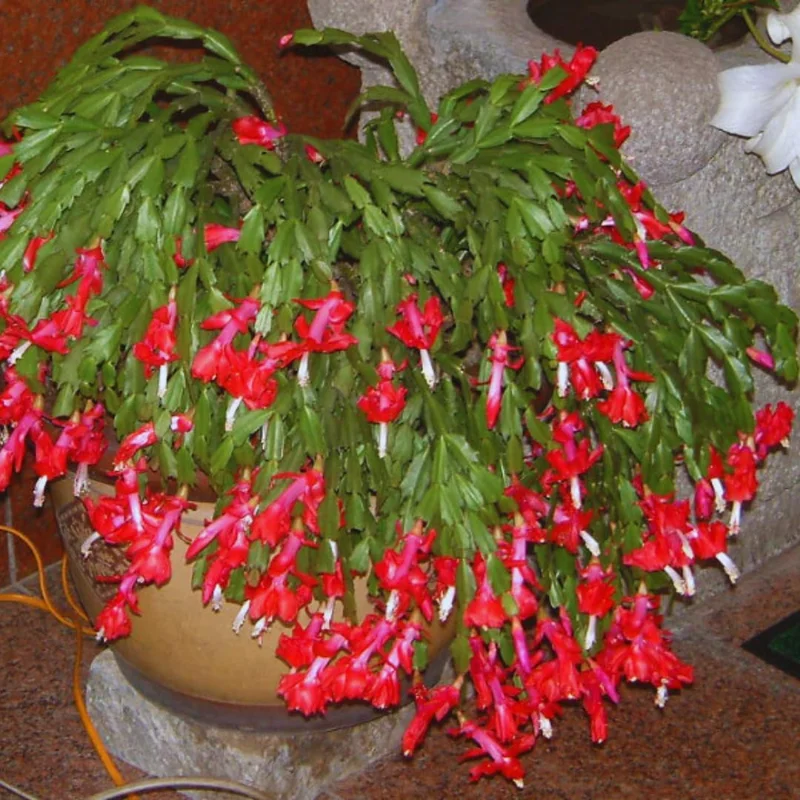
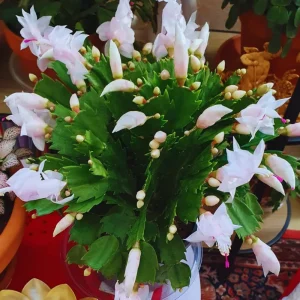
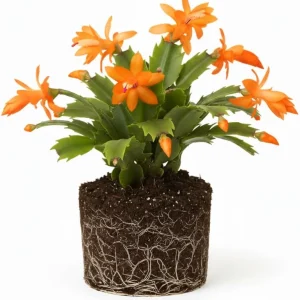
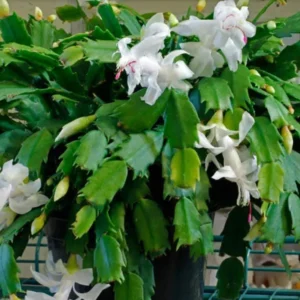
Brighten your home with a beautiful red Christmas cactus live plant. This festive holiday cactus indoor plant arrives in a 4-inch pot, standing 5-7 inches tall, ready to display vibrant blooms.
- Features striking red flowers during the holiday season.
- Low-maintenance and easy to care for, perfect for beginners.
- Adds a touch of natural elegance and color to any indoor space.
From Original price was: $53.98.$26.99Current price is: $26.99.

With our Alive & Thrive Guarantee, we’ve got your back for the first 30 days! If you have any concerns about your plants, just reach out to us. Our team is here to help answer your questions and guide you in selecting the best plants for your garden, climate, and unique preferences. We're excited to help you create the garden of your dreams!
Estimated arrival
Apr 04
Apr 09 - Apr 11
Apr 14 - Apr 18



Product Details
-
USDA Hardiness Zone
USDA zones 9-11 (when grown outdoors, otherwise indoor plant) -
Soil type
Well-draining potting mix, ideally for cacti/succulents -
Sunlight Exposure
Bright, indirect light -
Expected Planting Period
Year-round indoors
Overview
Introduce a splash of vibrant color and festive cheer into your home with our stunning red Christmas cactus live plant. This captivating succulent, scientifically known as Schlumbergera, is a beloved houseplant famous for its dazzling blooms that typically appear during the late fall and winter months, making it a quintessential holiday decoration. Unlike desert cacti, the Christmas cactus indoor variety is an epiphytic plant, meaning it naturally grows on other plants in humid, tropical environments, not in arid deserts. Our live plant arrives healthy and ready to thrive, bringing a touch of natural beauty and elegance to your living space. Its unique segmented stems and brilliant red flowers make it a focal point in any room, perfect for celebrating the festive season or simply enjoying its beauty year-round.
The common name, holiday cactus care, encompasses several related species that bloom around various holidays, with the Christmas cactus being the most popular. This particular offering features rich red blossoms, a classic symbol of holiday warmth and joy. Easy to care for and long-lived, a well-tended Christmas cactus can become a cherished part of your home for many years, delighting you with its annual display of color. It’s an ideal choice for both seasoned plant enthusiasts and those new to gardening, offering significant visual reward for minimal effort.
Key Benefits
Our red Christmas cactus live plant offers numerous benefits, making it an excellent addition to any home. Its unique blooming cycle and relatively easy care requirements contribute to its widespread appeal:
- Stunning Seasonal Blooms: Enjoy a spectacular display of vibrant red flowers during the holiday season, adding festive color and natural beauty to your home when other plants may be dormant.
- Easy to Care For: This holiday cactus care is minimal, making it suitable for beginners and busy individuals. It thrives with basic attention to watering and light.
- Long-Lived Houseplant: With proper care, a Christmas cactus can live for decades, becoming a cherished family heirloom that blooms year after year.
- Versatile Decor Piece: Its cascading growth habit makes it perfect for hanging baskets, shelves, or as a centerpiece, enhancing any interior decor.
- Air Purifying Qualities: Like many houseplants, the Christmas cactus contributes to a healthier indoor environment by helping to filter airborne toxins.
- Pet-Friendly: Generally considered non-toxic to cats and dogs, offering peace of mind for pet owners compared to some other houseplants.
- Unique Growth Habit: The distinctive segmented stems and graceful arching form provide visual interest even when the plant is not in bloom, adding texture to your plant collection.
Plant Care & Growing Tips
Caring for your red Christmas cactus live plant is straightforward, especially if you understand its tropical rainforest origins. Unlike desert cacti, it prefers more humidity and less intense sunlight. Place your Christmas cactus indoor in a location that receives bright, indirect light. An east-facing window is often ideal, providing gentle morning sun without the harshness of direct afternoon rays, which can scorch its delicate leaves. Avoid placing it near drafts from open windows or heating vents, as sudden temperature fluctuations can stress the plant and cause bud drop. Maintaining a consistent environment is key to successful holiday cactus care.
Watering is crucial for a thriving Christmas cactus. Allow the top inch or two of the soil to dry out between waterings. When you do water, do so thoroughly until water drains from the bottom of the pot. Never let the plant sit in standing water, as this can lead to root rot. Good drainage is essential, so ensure your pot has drainage holes. During its active growing and blooming periods (spring through winter), water more frequently. Reduce watering slightly during its dormant period (late winter to early spring). The ideal temperature range for this plant is between 65-75°F (18-24°C) during the day and slightly cooler at night, around 55-65°F (13-18°C), which helps promote blooming. High humidity is also beneficial; consider misting the plant regularly or placing it on a pebble tray filled with water.
For optimal growth and abundant blooms, fertilize your Christmas cactus every 2-4 weeks during its growing season (spring and summer) with a balanced liquid fertilizer diluted to half strength. Refrain from fertilizing once buds begin to form. The plant thrives in a well-draining potting mix, ideally one formulated for cacti and succulents, or a general potting mix amended with perlite or orchid bark for improved aeration. Repotting is generally needed every 2-3 years, or when the plant becomes root-bound. To encourage more branching and blooms, you can lightly prune your Schlumbergera plant after it has finished flowering by pinching off a few stem segments. This also helps maintain a compact shape.
Size & Details
This offering includes one healthy red Christmas cactus live plant, carefully grown to ensure robust development. The plant typically arrives in a 4-inch nursery pot, providing a stable environment for its initial growth. At the time of shipment, the plant stands approximately 5 to 7 inches tall from the base of the pot, making it a perfect compact size for tabletops, desks, or windowsills. When mature, with proper care, this festive houseplants variety can reach a size of 12 to 18 inches in height and width, developing a beautiful cascading habit that makes it ideal for hanging baskets or elevated displays. It is shipped as a potted plant, ensuring minimal stress during transit and allowing for easy placement upon arrival. The plant is ready to be enjoyed immediately and will continue to grow and flourish in its new home, providing seasonal beauty for years to come.
Frequently Asked Questions
- Q: How big will this Christmas cactus get? A: Your red Christmas cactus live plant will arrive approximately 5 to 7 inches tall in a 4-inch pot. With proper care, it can mature to a size of 12 to 18 inches in height and width, developing a lovely cascading form.
- Q: Is this an indoor or outdoor plant? A: The Christmas cactus is primarily an indoor houseplant in most climates. It can be moved outdoors to a shaded area during warm summer months, but it must be brought back inside before temperatures drop below 50°F (10°C).
- Q: How much sunlight does a Christmas cactus need? A: A Christmas cactus indoor plant thrives in bright, indirect light. Avoid direct, intense sunlight, especially during the afternoon, as it can scorch the leaves. An east-facing window is often ideal.
- Q: Is this plant easy to care for? A: Yes, the Christmas cactus is considered a low-maintenance plant, making its holiday cactus care relatively easy for both beginners and experienced plant enthusiasts. Consistent watering and appropriate light are key.
- Q: What condition will my plant arrive in? A: Your Schlumbergera plant will arrive as a healthy, live potted plant in a 4-inch nursery pot, carefully packaged to minimize stress during shipping. It will be ready to display upon arrival.
- Q: When does the Christmas cactus typically bloom? A: As its name suggests, the Christmas cactus typically blooms during the late fall and winter months, usually from November through January, providing vibrant color during the holiday season.
- Q: Is the Christmas cactus pet-safe? A: Yes, the Christmas cactus is generally considered non-toxic to pets, including cats and dogs, making it a safer choice for homes with furry friends than some other festive houseplants.
- Q: What kind of soil is best for a Christmas cactus? A: A well-draining potting mix is essential. A mix formulated for cacti and succulents, or a regular potting mix amended with perlite or orchid bark, works well to prevent root rot.
- Q: How often should I water my Christmas cactus? A: Water thoroughly when the top 1-2 inches of soil feel dry to the touch. Reduce watering after it finishes blooming and during its dormant period. Ensure good drainage to prevent waterlogging.
- Q: Can I get my Christmas cactus to rebloom each year? A: Yes, encouraging reblooming involves providing a period of cooler temperatures (around 50-55°F or 10-13°C) and longer nights (12-14 hours of darkness) for 6-8 weeks in the fall before you want it to bloom.
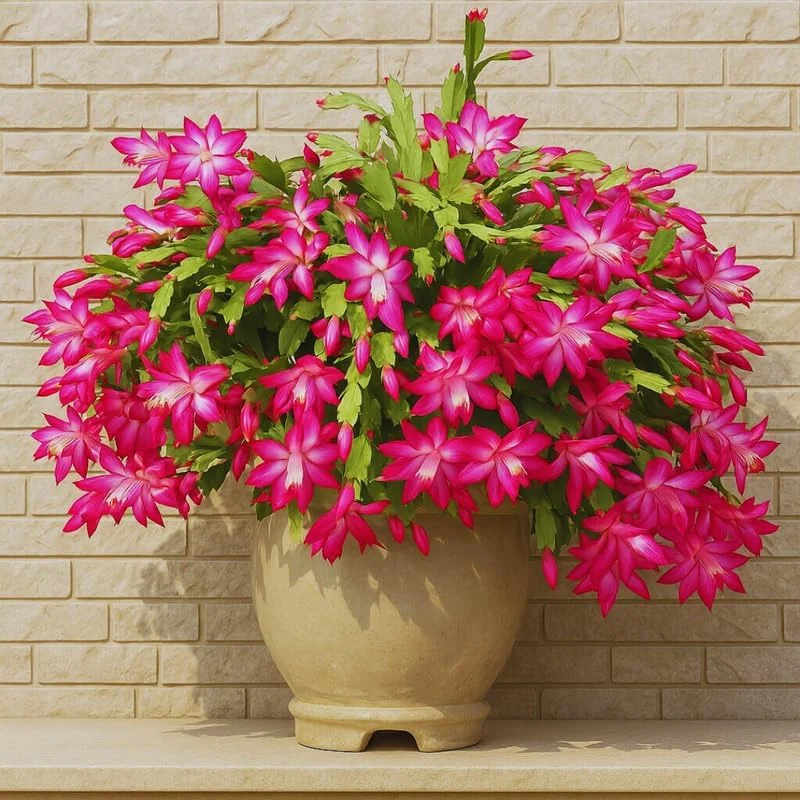
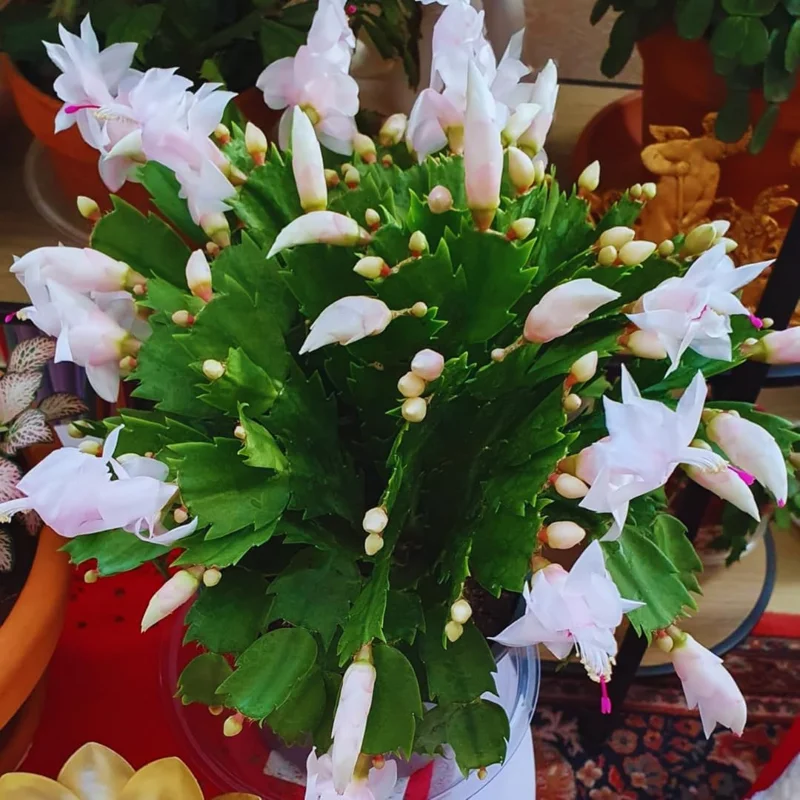
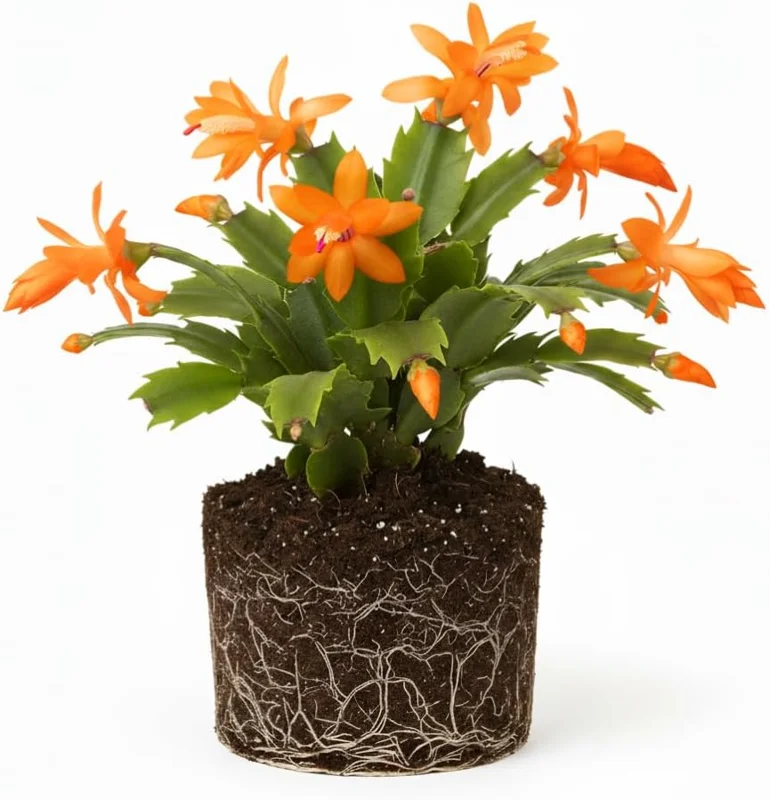
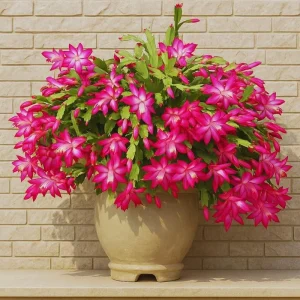
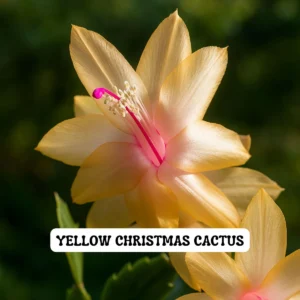
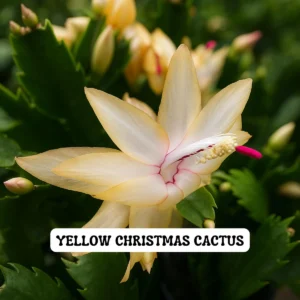
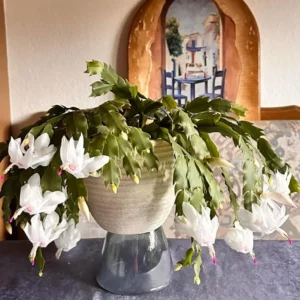
| Color | Orange, Pink, Red, White |
|---|
Related products
-30%
Original price was: $129.98.$90.98Current price is: $90.98.
-25%
Original price was: $23.80.$17.84Current price is: $17.84.
-30%
Original price was: $25.98.$18.18Current price is: $18.18.
-30%
Original price was: $13.98.$9.78Current price is: $9.78.
PLANTING & CARE

Growing Glencoe Raspberry: A Complete Guide for Gardeners
If you’re looking to add something unique to your garden, look no further than the
31
Mar
Mar

The Comprehensive Guide to Growing Bay Leaf Plants for a Flavorful Garden
Imagine stepping into your garden, greeted by the earthy aroma of fresh bay leaves, their
09
Feb
Feb

How to Make Comfrey Tea: The Ultimate Organic Plant Food
Growing an organic garden can be surprisingly expensive, especially when most store-bought fertilizers come in
02
Feb
Feb

True Comfrey: 7 Essential Tips Before You Plant This Herb
A staple in permaculture practices across the US, True Comfrey easily earns its reputation as
27
Jan
Jan

7 Heart-Shaped Plants for a Lasting Valentine’s Gift
If you’ve ever bought a bouquet of roses for Valentine’s Day, you know they are
26
Jan
Jan

Best Types of Ivy Plant for Houses: How to Choose the Perfect Ones for Your Home
Are you a garden lover looking to introduce some greenery into your home? Maybe you’ve
14
Nov
Nov

When to Harvest Garlic (Especially Fall-Planted Garlic)
TIMING IS EVERYTHING, they say – and for garlic, that truth hits with surprising accuracy.
13
Nov
Nov

11 of the Best Sweet Potato Varieties to Grow for Your Garden
If you’ve ever tried growing sweet potatoes, you know that picking the right variety can
12
Nov
Nov