Huckleberry Plant Live 4” Pot – Sweet Black Bush 4-7 Inches Tall Outdoor
-50%
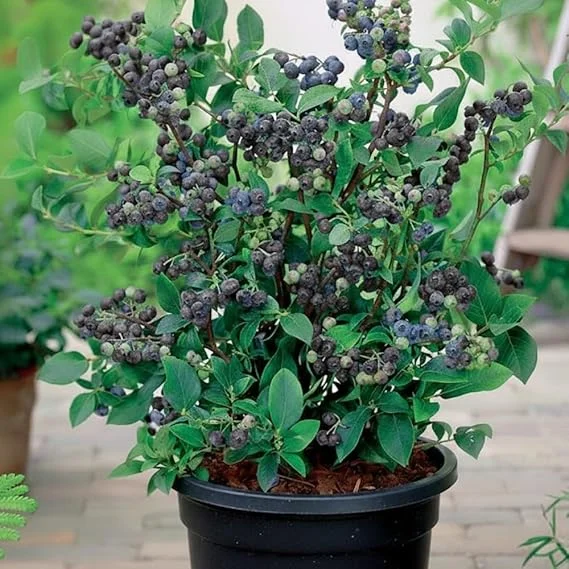
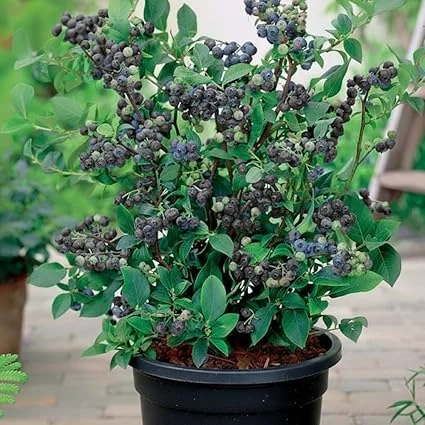
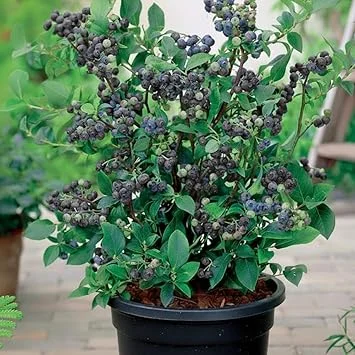
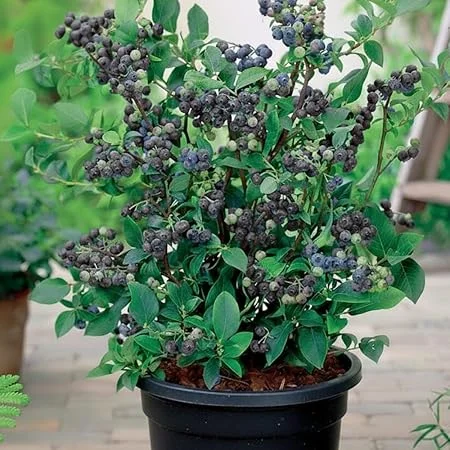
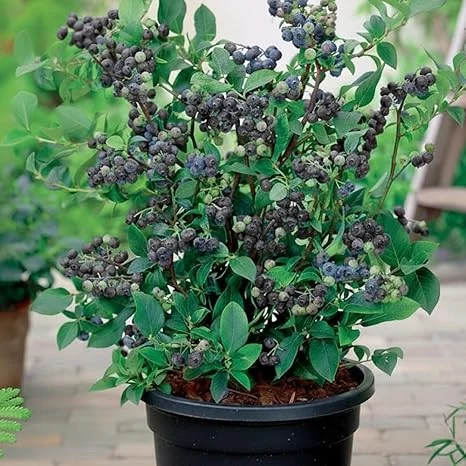
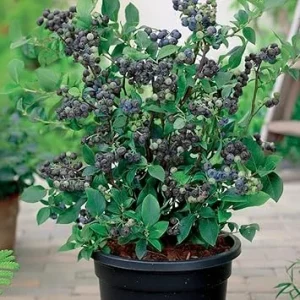
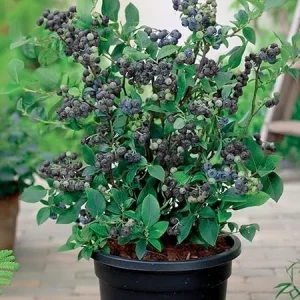
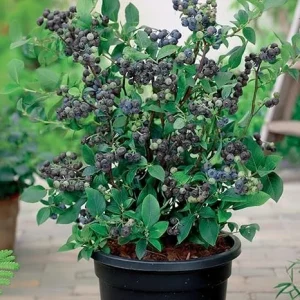
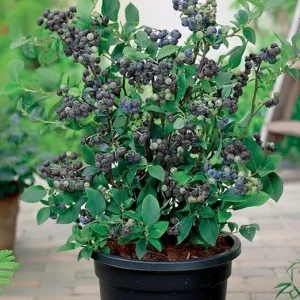
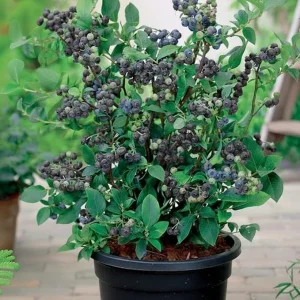
Huckleberry Plant Live 4” Pot – Sweet Black Bush 4-7 Inches Tall Outdoor
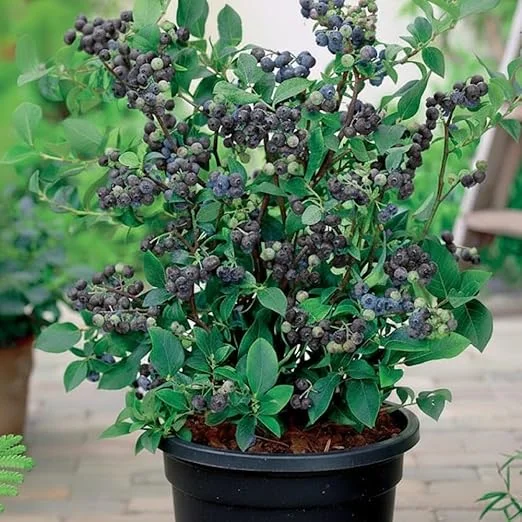
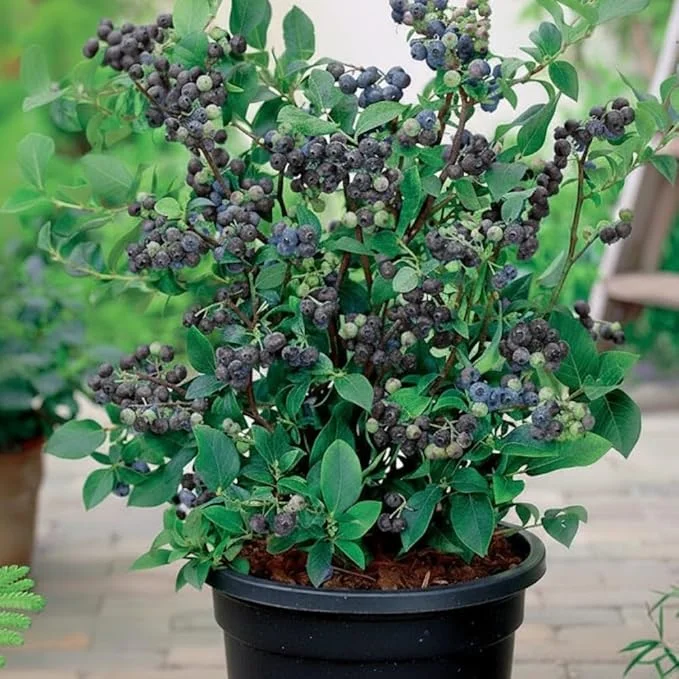
Bring the joy of homegrown berries to your garden with this huckleberry live plant. This 4-inch potted specimen arrives 4-7 inches tall, ready for outdoor planting. Enjoy delicious sweet black huckleberry fruits with minimal effort.
Original price was: $43.98.$21.99Current price is: $21.99.

With our Alive & Thrive Guarantee, we’ve got your back for the first 30 days! If you have any concerns about your plants, just reach out to us. Our team is here to help answer your questions and guide you in selecting the best plants for your garden, climate, and unique preferences. We're excited to help you create the garden of your dreams!
Estimated arrival
Mar 22
Mar 27 - Mar 29
Apr 01 - Apr 05
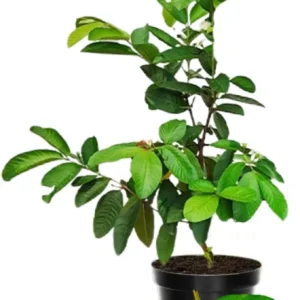
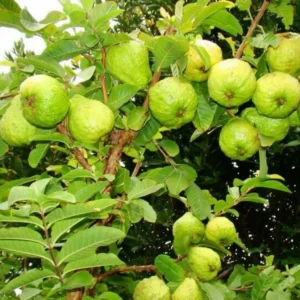
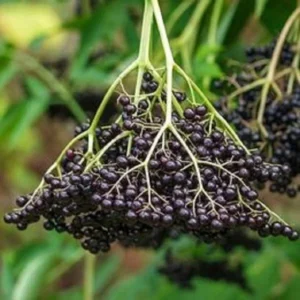
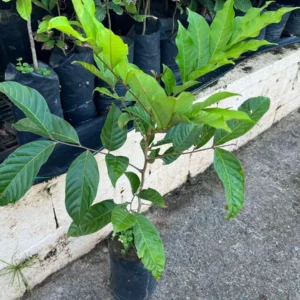
Product Details
-
USDA Hardiness Zone
3-7 -
Soil type
Well-draining, slightly acidic soil -
Sunlight Exposure
Full Sun -
Expected Planting Period
Spring to early summer
Overview
Cultivate your own delicious fruit with a vibrant huckleberry live plant. This young huckleberry bush, known for its sweet, dark berries, is an excellent addition to any outdoor garden, patio, or even larger indoor spaces with adequate lighting. Arriving in a 4-inch pot and standing 4-7 inches tall, this plant is ready to be transplanted and begin its journey to maturity. Huckleberries, often confused with blueberries, offer a distinctively rich, tangy-sweet flavor that is highly prized for fresh eating, jams, pies, and sauces. As a resilient and relatively low-maintenance plant, it’s suitable for both novice and experienced gardeners looking to add a productive and ornamental element to their landscape. Get ready to enjoy a bountiful harvest of these delightful berries right from your own backyard.
Key Benefits
Adding a huckleberry plant to your garden offers numerous advantages, from delicious fruit to its aesthetic appeal and ease of care. Discover why this particular huckleberry live plant is a fantastic choice for your home.
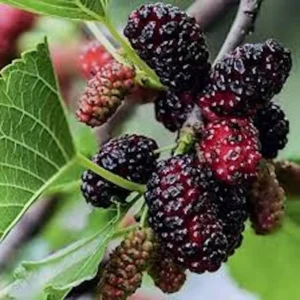
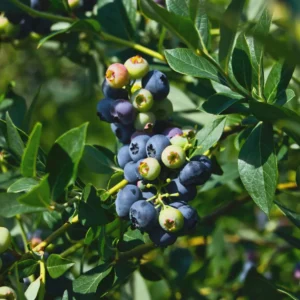
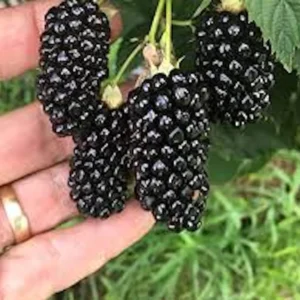
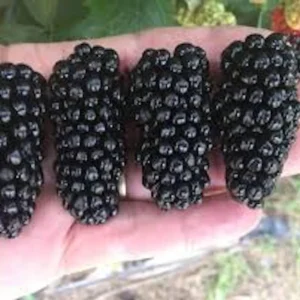
- Delicious Fruit Production: Our huckleberry plants produce small, dark purple to black berries with a wonderfully sweet and tangy flavor. These berries are perfect for fresh consumption, baking, or making preserves. Enjoy the satisfaction of harvesting your own fruit.
- Adaptable & Resilient: This huckleberry bush outdoor plant is hardy and can thrive in USDA Zones 3-7, making it suitable for a wide range of climates. It’s designed for outdoor use but can also be grown in containers on patios or even indoors with proper lighting conditions.
- Low Maintenance & Easy Care: Known for being easy to plant and requiring minimal ongoing care, this huckleberry plant is an ideal choice for busy gardeners. Once established, it primarily needs moderate watering and full sun exposure to flourish.
- Attractive Garden Addition: Beyond its fruit-bearing capabilities, the huckleberry bush provides attractive foliage and can reach a mature height of 2-3 feet, making it a lovely ornamental shrub in your landscape design.
- Winter Dormancy: The plant enters a dormant state in winter, which is a natural and healthy part of its life cycle, preparing it for vigorous growth and fruit production in the warmer months.
- Versatile Planting Options: Whether you prefer to plant it directly in your garden bed, integrate it into your patio container collection, or even attempt to grow huckleberry plant indoors, its compact size and adaptability make it a versatile choice.
- Health Benefits: Huckleberries are packed with antioxidants and vitamins, offering a healthy and delicious addition to your diet straight from your garden.
Plant Care & Growing Tips
Ensuring the health and productivity of your huckleberry live plant requires understanding its specific care needs. With proper attention to sunlight, water, and soil, your huckleberry bush will thrive and provide a plentiful harvest. Huckleberry plants generally prefer a slightly acidic soil, similar to blueberries, though they are often more tolerant of varying conditions. Providing the right environment will help you successfully grow huckleberry plant year after year.
For optimal growth and fruit production, your huckleberry plant requires full sun exposure, meaning at least 6-8 hours of direct sunlight per day. If planting in a container, choose a spot on your patio or in your garden that receives ample sun. When grown indoors, ensure it receives bright, direct light, possibly supplemented with grow lights. The plant is hardy in USDA Zones 3-7, indicating its resilience to cold temperatures. It prefers moderate watering; the soil should be kept consistently moist but not waterlogged. Good drainage is crucial to prevent root rot. You can test the soil moisture by sticking your finger about an inch deep – if it feels dry, it’s time to water. During dormant periods in winter, watering can be reduced.
Regarding soil, a well-draining, slightly acidic soil mix is ideal. Amending your garden soil with organic matter like peat moss or compost can improve its structure and acidity. Fertilize in early spring with a balanced, slow-release fertilizer formulated for acid-loving plants. Avoid over-fertilizing, as this can harm the plant. Pests and diseases are generally not a major issue for huckleberries, but keep an eye out for common garden pests and address them with organic pest control methods if necessary. Pruning is typically minimal, focusing on removing any dead or diseased branches to maintain plant health and shape. This careful attention will help your sweet black huckleberry bush flourish.
Size & Details
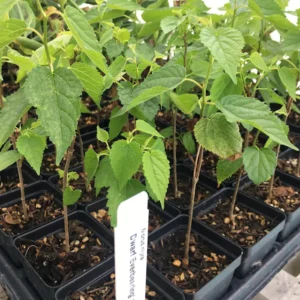
This offering is for one huckleberry live plant, delivered in a 4-inch nursery pot. Upon arrival, the plant will stand approximately 4-7 inches tall, a perfect size for transplanting into its permanent outdoor location or a larger container. These bushes typically grow to a mature height of 2–3 feet tall, forming a compact and productive shrub. The growth rate is moderate, and with proper care, you can expect fruit production within a couple of seasons after planting. The plant is shipped dormant in winter, which is a natural state for healthy deciduous plants, ensuring it establishes well in its new home. Expect it to break dormancy and begin leafing out as temperatures warm in spring. Its compact size makes it suitable for various garden sizes, from small urban plots to larger rural landscapes, or even as a decorative and productive patio plant.
Frequently Asked Questions
- Q: How big does this huckleberry plant get? A: This huckleberry live plant is typically 4-7 inches tall when shipped in a 4-inch pot. At maturity, it generally reaches a height of 2-3 feet tall, forming a compact bush.
- Q: What size pot does it come in? A: The huckleberry plant is shipped in a 4-inch nursery pot, ready for you to transplant into a larger container or directly into your garden.
- Q: Is this an indoor or outdoor plant? A: This huckleberry plant is primarily intended for outdoor use, thriving in full sun. However, it can be grown in containers on a patio or even indoors if provided with sufficient light, such as from a grow light.
- Q: How much sunlight does it need? A: The huckleberry bush outdoor variety requires full sun exposure, meaning at least 6-8 hours of direct sunlight daily for optimal growth and fruit production.
- Q: Is this plant easy to care for? A: Yes, huckleberry plants are generally considered low maintenance and easy to care for, making them a good choice for gardeners of all experience levels. They require moderate watering and full sun.
- Q: What condition will it arrive in? A: Your huckleberry live plant will arrive in a 4-inch pot, healthy and securely packaged. During winter months, it will be dormant, which is normal and indicates a healthy plant preparing for spring growth.
- Q: Can I use the sweet black huckleberry in cooking? A: Absolutely! The sweet black huckleberry fruits are delicious for fresh eating, baking, making jams, pies, and other culinary delights.
- Q: When is the best time to plant? A: The best time to plant this huckleberry bush is typically in spring or early fall, allowing it time to establish roots before extreme weather.
- Q: Will it survive winter in my zone? A: This huckleberry plant is hardy in USDA Zones 3-7, meaning it is well-suited to survive winters in these regions. It will enter dormancy during the colder months.
- Q: What are the moisture needs for this plant? A: Huckleberries require moderate watering. Keep the soil consistently moist but ensure it is well-draining to prevent waterlogging.
Related products
-20%
Original price was: $34.00.$27.20Current price is: $27.20.
-20%
Original price was: $34.00.$27.20Current price is: $27.20.
-20%
Original price was: $60.00.$48.00Current price is: $48.00.
-20%
Original price was: $66.00.$52.80Current price is: $52.80.
-10%
Original price was: $48.99.$44.09Current price is: $44.09.
-20%
Original price was: $80.00.$64.00Current price is: $64.00.
-10%
Original price was: $158.00.$142.20Current price is: $142.20.
PLANTING & CARE

The Comprehensive Guide to Growing Bay Leaf Plants for a Flavorful Garden
Imagine stepping into your garden, greeted by the earthy aroma of fresh bay leaves, their
09
Feb
Feb

How to Make Comfrey Tea: The Ultimate Organic Plant Food
Growing an organic garden can be surprisingly expensive, especially when most store-bought fertilizers come in
02
Feb
Feb

True Comfrey: 7 Essential Tips Before You Plant This Herb
A staple in permaculture practices across the US, True Comfrey easily earns its reputation as
27
Jan
Jan

7 Heart-Shaped Plants for a Lasting Valentine’s Gift
If you’ve ever bought a bouquet of roses for Valentine’s Day, you know they are
26
Jan
Jan

Best Types of Ivy Plant for Houses: How to Choose the Perfect Ones for Your Home
Are you a garden lover looking to introduce some greenery into your home? Maybe you’ve
14
Nov
Nov

When to Harvest Garlic (Especially Fall-Planted Garlic)
TIMING IS EVERYTHING, they say – and for garlic, that truth hits with surprising accuracy.
13
Nov
Nov

11 of the Best Sweet Potato Varieties to Grow for Your Garden
If you’ve ever tried growing sweet potatoes, you know that picking the right variety can
12
Nov
Nov
Pruning Bougainvillea for Winter
Bougainvillea vines are known for their dazzling display of magenta, orange, and fuchsia bracts that
05
Nov
Nov