Tea Plant Camellia Sinensis Live Plants – Set of 2, Well-Rooted, Full Sun
-50%
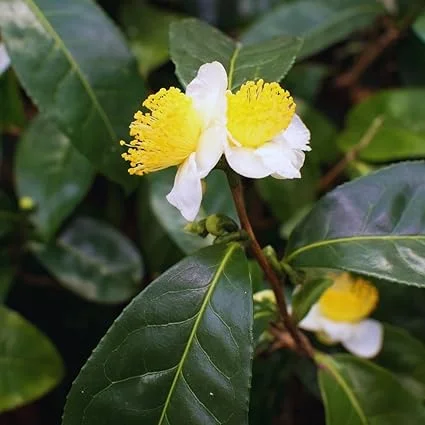
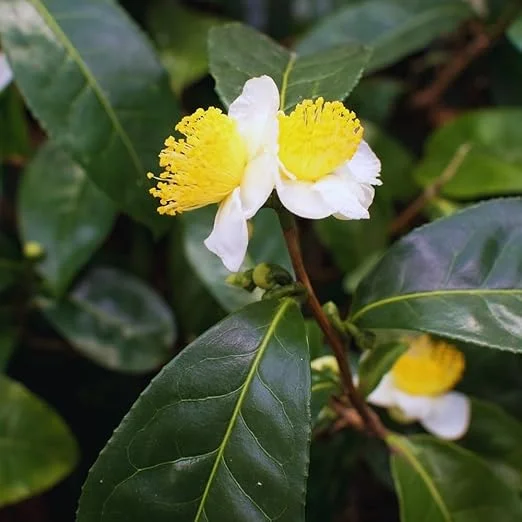
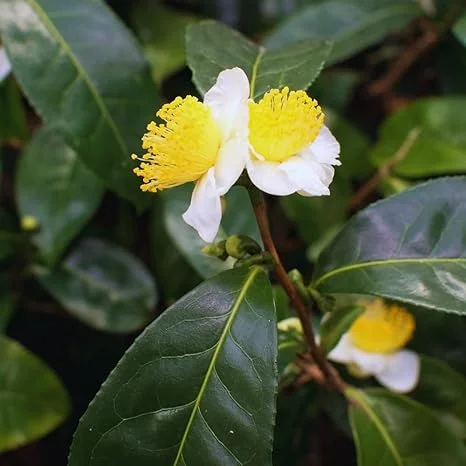
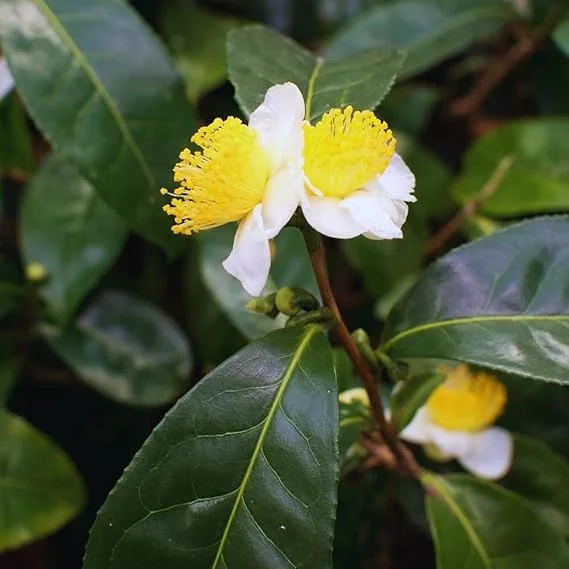
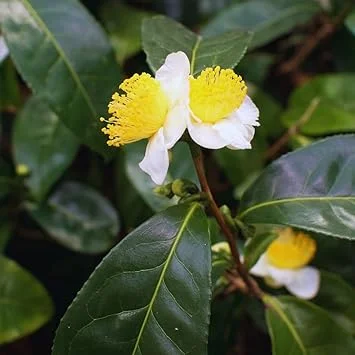
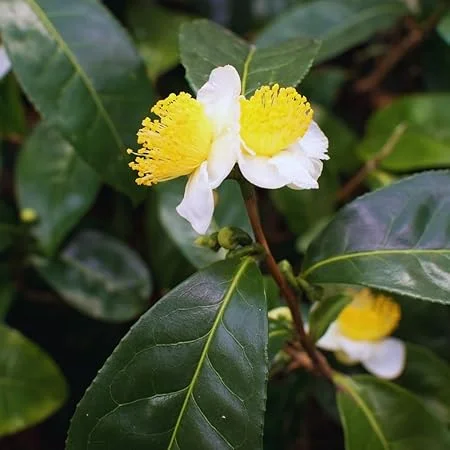
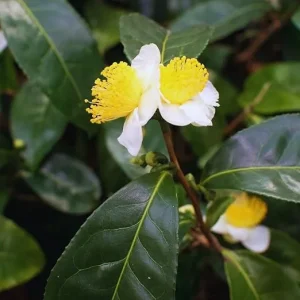
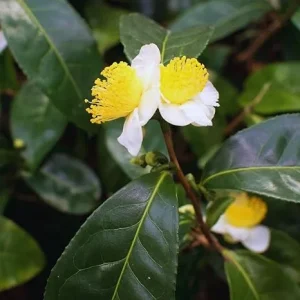
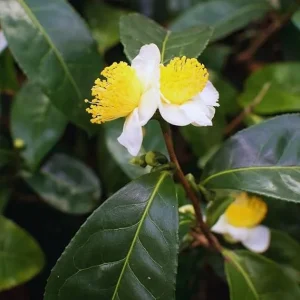
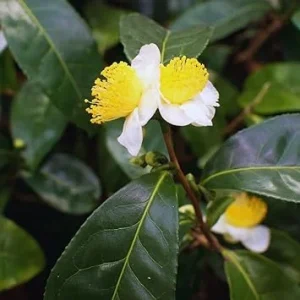
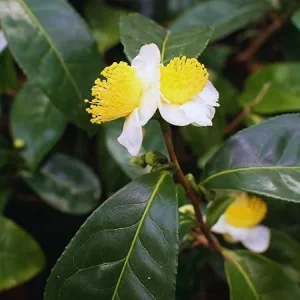
Tea Plant Camellia Sinensis Live Plants – Set of 2, Well-Rooted, Full Sun
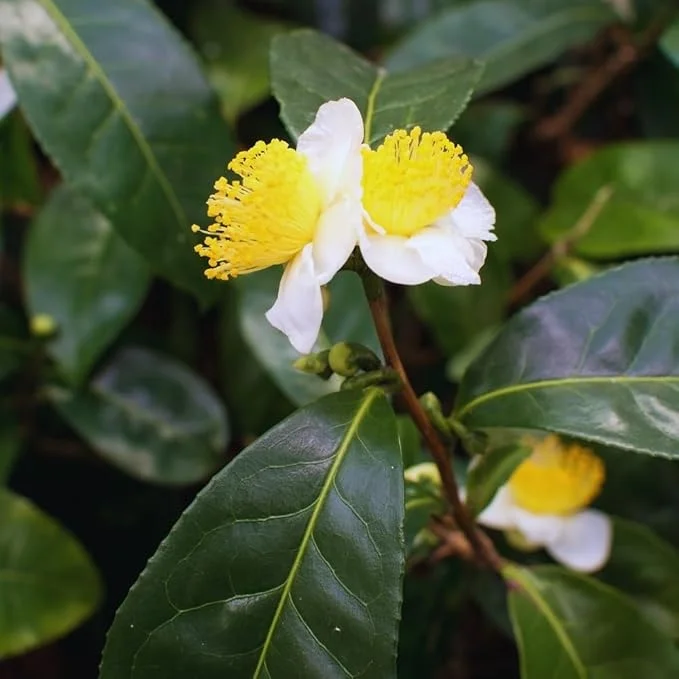
Cultivate your own delicious beverages with this set of two tea plant live (Camellia Sinensis plant) specimens. These well-rooted plants are perfect for garden enthusiasts looking to grow your own tea, thriving in USDA Zones 7 to 9 with full sun exposure.
Original price was: $57.96.$28.98Current price is: $28.98.

With our Alive & Thrive Guarantee, we’ve got your back for the first 30 days! If you have any concerns about your plants, just reach out to us. Our team is here to help answer your questions and guide you in selecting the best plants for your garden, climate, and unique preferences. We're excited to help you create the garden of your dreams!
Estimated arrival
Mar 28
Apr 02 - Apr 04
Apr 07 - Apr 11
Product Details
-
USDA Hardiness Zone
7 to 9 -
Soil type
Acidic, well-draining soil -
Sunlight Exposure
Full sun -
Expected Planting Period
Spring to early summer
Overview
Embark on the rewarding journey of cultivating your own tea with this exceptional set of two tea plant live specimens. Known botanically as Camellia Sinensis plant, these vibrant green-leafed plants are the very source of all true teas, including green, black, white, and oolong varieties. Imagine harvesting fresh leaves from your own garden to brew a comforting cup, packed with natural antioxidants and flavor. These plants are shipped well-rooted, ready to be transplanted into your garden or larger containers, providing a sustainable and enjoyable way to grow your own tea right at home. Whether you’re a seasoned gardener or a curious beginner, these resilient plants offer a unique and engaging horticultural experience.
The Camellia Sinensis plant is not just a source of tea; it also makes an attractive addition to any landscape with its glossy, evergreen foliage. Originating from Southeast Asia, this plant has been cherished for centuries for its leaves, which are processed to create the world’s most popular beverage. Our offering includes two robust, well-rooted plants, ensuring you have a strong start to your tea garden. These plants are carefully selected to provide the best possible growing experience, bringing the ancient art of tea cultivation directly to your doorstep.
Key Benefits
Growing your own tea plant live offers a multitude of benefits, from the joy of self-sufficiency to the health advantages of fresh, homegrown tea. Prepare to enjoy these advantages with your new plants:
- Fresh, Homegrown Tea: Enjoy the unparalleled freshness and flavor of tea brewed from leaves harvested right from your own Camellia Sinensis plant. You’ll have direct control over the quality and processing of your tea.
- Rich in Antioxidants: Homegrown tea leaves are naturally rich in beneficial antioxidants, contributing to a healthy lifestyle. Brewing your own ensures you get the purest form of these compounds.
- Beautiful Evergreen Foliage: Beyond its utility, the Camellia Sinensis plant boasts attractive, glossy green leaves that provide year-round beauty to your garden or patio. It’s a functional and ornamental addition.
- Sustainable Gardening: Cultivating your own tea promotes sustainable practices, reducing your reliance on commercially produced teas and supporting eco-friendly gardening.
- Educational Experience: Learn about the fascinating process of tea production, from leaf to cup, by engaging directly with these plants. It’s an enriching experience for all ages.
- Stress Reduction: The act of gardening and nurturing plants, especially one that yields such a beloved beverage, is known to be a relaxing and meditative activity.
- Unique Gift Idea: A set of two tea plant live plants makes a thoughtful and unique gift for any tea lover, gardener, or health-conscious individual.
Plant Care & Growing Tips
Caring for your Camellia Sinensis plant is a rewarding experience that requires attention to a few key environmental factors. These plants thrive in conditions that mimic their native subtropical and tropical highlands. For optimal growth and a bountiful harvest, understanding their specific needs for sunlight, water, soil, and temperature is crucial. With proper care, your tea plant live will flourish, providing you with fresh leaves for years to come.
Sunlight Requirements
Camellia Sinensis plant prefers full sun exposure to partial shade. In hotter climates, some afternoon shade can protect the leaves from scorching, while in cooler regions, full sun is ideal for robust growth. Aim for at least 6 hours of direct sunlight per day. If growing indoors, place your plants in a south-facing window or under grow lights to ensure they receive adequate light intensity for healthy development.
Watering & Soil Preferences
These plants require consistently moist, but not waterlogged, soil. Water deeply when the top inch of soil feels dry to the touch, ensuring good drainage to prevent root rot. A slightly acidic soil with a pH between 5.5 and 6.5 is ideal. A well-draining, humus-rich soil mix is recommended, possibly amended with peat moss or compost to maintain acidity and improve fertility. Do not allow the soil to dry out completely, especially during warm weather. Good drainage is paramount for the health of your tea plant for sale.
Temperature & Hardiness Zone
The Camellia Sinensis plant is hardy in USDA Zones 7 to 9, meaning it can tolerate winter temperatures down to around 0°F to 10°F (-18°C to -12°C) with some protection. It thrives in temperatures between 65°F and 85°F (18°C to 29°C). In colder zones, these plants can be grown in containers and brought indoors during winter or treated as annuals. Protect young plants from severe frost. The resilience of this plant makes it a popular choice for those wanting to grow your own tea.
Fertilization & Pruning
Feed your tea plant live with a balanced, slow-release fertilizer formulated for acid-loving plants in spring and mid-summer. Alternatively, use organic options like compost tea or fish emulsion. Pruning is essential for shaping the plant, encouraging new growth, and facilitating easier harvesting. Lightly prune in late winter or early spring to maintain a bushy form and encourage a flush of new leaves, which are best for tea production. Regular harvesting of young leaves also acts as a form of pruning, stimulating continuous growth.
Size & Details
This offering includes a set of two live Camellia Sinensis plant specimens, each well-rooted and ready for planting. These young plants typically stand several inches tall upon arrival, with healthy green foliage. The plants are shipped without pots, carefully packaged to ensure their safe journey to your home. With proper care, these plants can grow into substantial shrubs, reaching heights of 6-10 feet in optimal outdoor conditions, though they can be kept smaller through regular pruning and container growing. They are ready to begin their journey in your garden, allowing you to grow your own tea quickly and efficiently. Expect a moderate growth rate, with harvestable leaves typically appearing within the first year or two after planting.
Frequently Asked Questions
- Q: How big does this tea plant live get? A: In ideal outdoor conditions, the Camellia Sinensis plant can grow up to 6-10 feet tall and wide. However, it can be maintained at a smaller, more manageable size through regular pruning, especially when grown in containers.
- Q: Is this an indoor or outdoor plant? A: The Camellia Sinensis plant can be grown both indoors and outdoors. It thrives outdoors in USDA Zones 7-9. In colder climates, it can be grown in pots and moved indoors during winter, or cultivated year-round as an indoor houseplant with sufficient light.
- Q: How much sunlight does the Camellia Sinensis plant need? A: These plants prefer full sun to partial shade. Aim for at least 6 hours of direct sunlight daily for optimal growth and tea production. If growing indoors, a bright, south-facing window is ideal.
- Q: Is this plant easy to care for? A: While specific conditions are required, especially regarding soil pH and moisture, the Camellia Sinensis plant is generally considered moderately easy to care for, making it suitable for gardeners of various experience levels who want to grow your own tea.
- Q: What condition will the plants arrive in? A: You will receive two well-rooted, live tea plant for sale specimens. They are carefully packaged to ensure they arrive healthy and ready for planting. They are shipped without pots.
- Q: When is the best time to plant these tea plant live specimens? A: The best time to plant is in spring or early summer after the last frost, allowing the plants to establish themselves before colder weather. If growing indoors, planting can be done year-round.
- Q: Can I really make tea from these plants? A: Yes! These are genuine Camellia Sinensis plant, the very species used to produce all types of true tea. You can harvest the young leaves and process them to make your own green, black, white, or oolong tea.
- Q: What kind of soil is best for a tea plant care? A: A slightly acidic, well-draining soil mix is best. Amend garden soil with peat moss or compost to achieve a pH between 5.5 and 6.5. Good drainage is crucial to prevent root rot.
- Q: Will my tea plant live survive winter in my zone? A: These plants are hardy in USDA Zones 7-9. If you are in a colder zone, you will need to provide winter protection or grow them in containers that can be moved indoors during the colder months.
- Q: How long until I can harvest leaves from my Camellia Sinensis plant? A: You can typically start harvesting young, tender leaves for tea production within 1-2 years after planting, once the plant has established itself and started producing new flushes of growth.
Related products
-50%
Original price was: $53.98.$26.99Current price is: $26.99.
-30%
Original price was: $57.98.$40.58Current price is: $40.58.
-20%
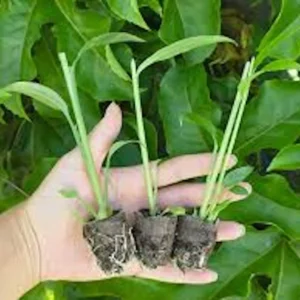
Original price was: $35.00.$28.00Current price is: $28.00.
-10%
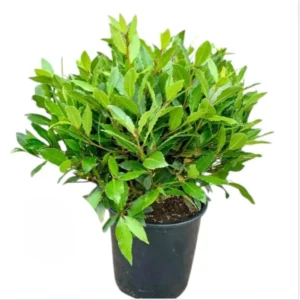
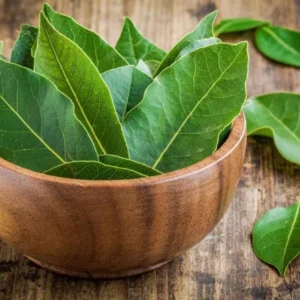
Original price was: $23.99.$21.59Current price is: $21.59.
-48%
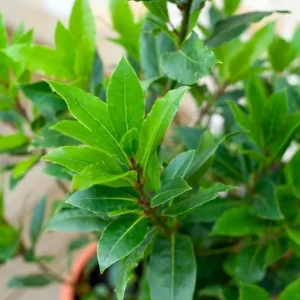
Original price was: $39.99.$20.99Current price is: $20.99.
-50%
Original price was: $59.96.$29.98Current price is: $29.98.
-50%
Original price was: $27.96.$13.98Current price is: $13.98.
-67%
From Original price was: $35.22.$11.74Current price is: $11.74.
PLANTING & CARE

The Comprehensive Guide to Growing Bay Leaf Plants for a Flavorful Garden
Imagine stepping into your garden, greeted by the earthy aroma of fresh bay leaves, their
09
Feb
Feb

How to Make Comfrey Tea: The Ultimate Organic Plant Food
Growing an organic garden can be surprisingly expensive, especially when most store-bought fertilizers come in
02
Feb
Feb

True Comfrey: 7 Essential Tips Before You Plant This Herb
A staple in permaculture practices across the US, True Comfrey easily earns its reputation as
27
Jan
Jan

7 Heart-Shaped Plants for a Lasting Valentine’s Gift
If you’ve ever bought a bouquet of roses for Valentine’s Day, you know they are
26
Jan
Jan

Best Types of Ivy Plant for Houses: How to Choose the Perfect Ones for Your Home
Are you a garden lover looking to introduce some greenery into your home? Maybe you’ve
14
Nov
Nov

When to Harvest Garlic (Especially Fall-Planted Garlic)
TIMING IS EVERYTHING, they say – and for garlic, that truth hits with surprising accuracy.
13
Nov
Nov

11 of the Best Sweet Potato Varieties to Grow for Your Garden
If you’ve ever tried growing sweet potatoes, you know that picking the right variety can
12
Nov
Nov
Pruning Bougainvillea for Winter
Bougainvillea vines are known for their dazzling display of magenta, orange, and fuchsia bracts that
05
Nov
Nov