2 Lavender Live Plants – Fragrant Perennial Herb – 3 Inch Pot – Outdoor
-50%
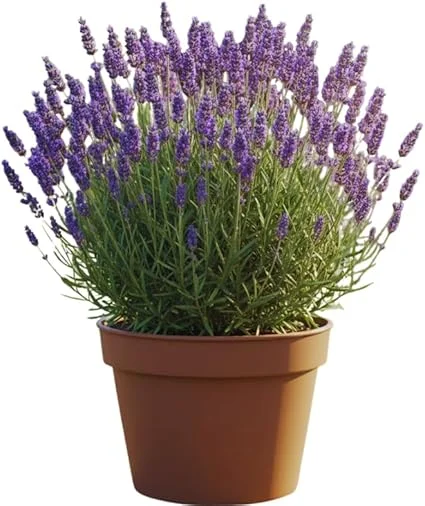
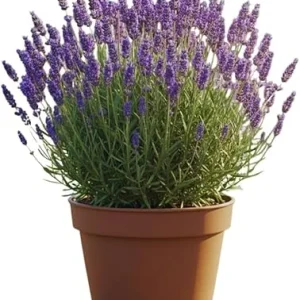
2 Lavender Live Plants – Fragrant Perennial Herb – 3 Inch Pot – Outdoor
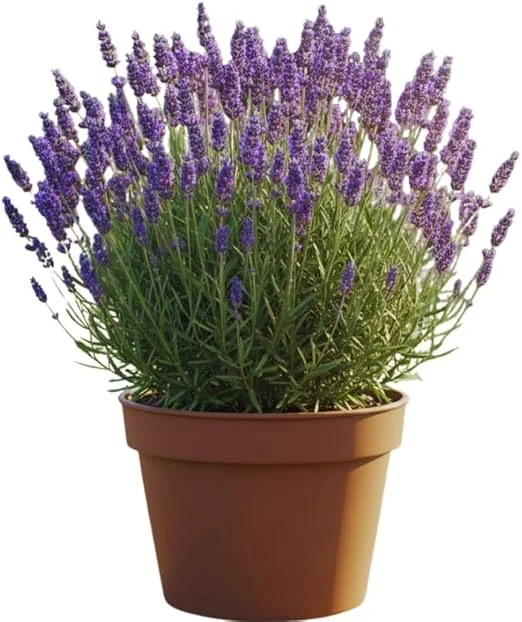
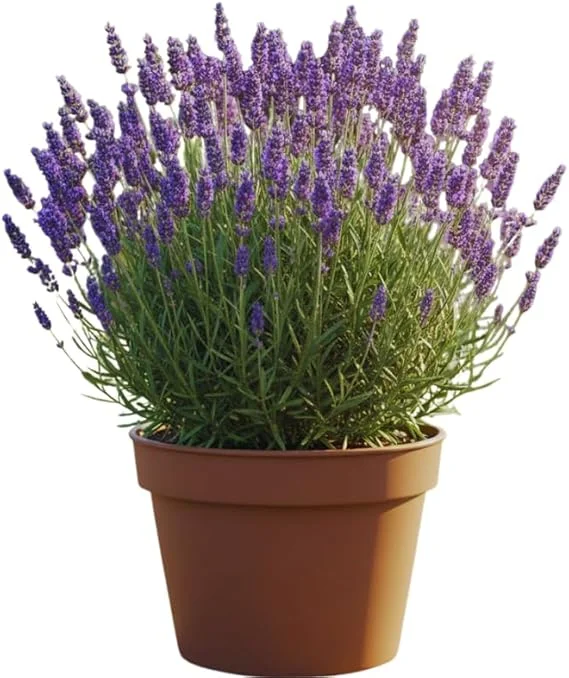
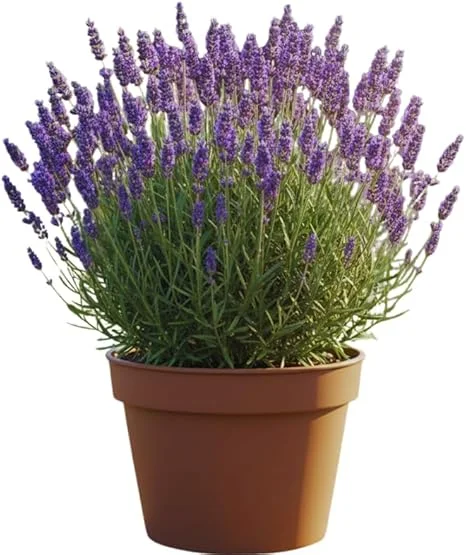
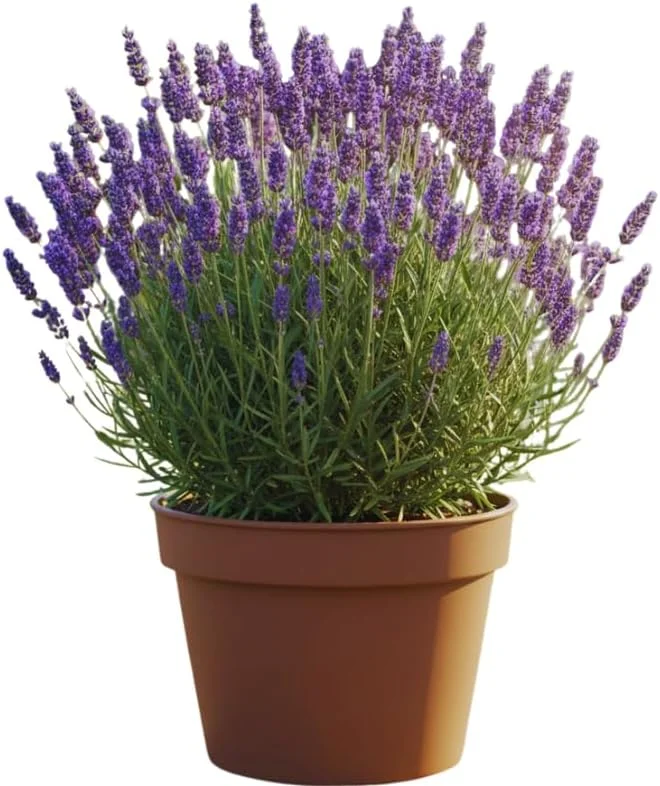
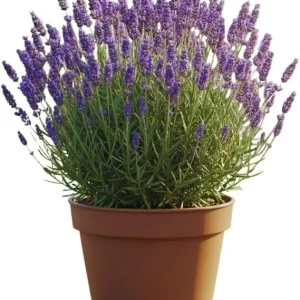
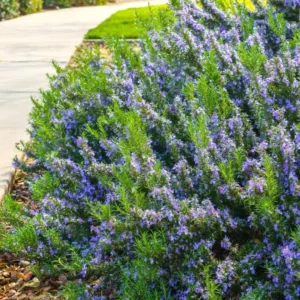
Introduce natural beauty and a calming aroma to your garden with this bundle of lavender live plants. Each order includes two healthy, fragrant perennial herbs in 3-inch pots, ready to thrive outdoors. Known for their beautiful purple blooms and soothing scent, these lavender plant outdoor specimens are perfect for borders, herb gardens, or containers.
Original price was: $65.96.$32.98Current price is: $32.98.

With our Alive & Thrive Guarantee, we’ve got your back for the first 30 days! If you have any concerns about your plants, just reach out to us. Our team is here to help answer your questions and guide you in selecting the best plants for your garden, climate, and unique preferences. We're excited to help you create the garden of your dreams!
Estimated arrival
Mar 28
Apr 02 - Apr 04
Apr 07 - Apr 11
Product Details
-
USDA Hardiness Zone
USDA Zones 5-9 -
Soil type
Well-draining, sandy or gravelly soil -
Sunlight Exposure
Full Sun -
Expected Planting Period
Spring to early summer
Overview
Transform your outdoor space into a fragrant sanctuary with our premium lavender live plants. This offering includes two robust lavender plants, each nestled in a 3-inch pot, ready to be transplanted into your garden or larger containers. Lavender, scientifically known as Lavandula, is a beloved perennial herb celebrated for its stunning purple flowers, intoxicating aroma, and versatile uses. These hardy plants are an excellent choice for gardeners looking to add enduring beauty and a touch of Mediterranean charm to their landscape. Known for their ability to attract pollinators like bees and butterflies, these lavender live plants contribute positively to local ecosystems while providing a serene atmosphere. They are incredibly resilient and, once established, require minimal maintenance, making them ideal for both seasoned gardeners and those new to cultivating herbs. Enjoy the beauty and fragrance year after year with these delightful additions to your outdoor living area.
Key Benefits
Our lavender live plants offer a multitude of advantages, enhancing both the aesthetic and sensory appeal of your garden. From their captivating fragrance to their hardiness, these plants are a fantastic investment for any outdoor space.
- Aromatic Delight: Experience the soothing and refreshing scent of fresh lavender. The fragrant purple blooms are perfect for aromatherapy, sachets, or simply enjoying the natural perfume in your garden. This makes them a wonderful choice for creating a peaceful outdoor retreat.
- Beautiful Purple Blooms: Adorn your garden with vibrant, eye-catching purple flowers that emerge abundantly from summer to fall. These beautiful blossoms add a splash of color and texture to any landscape design, making your lavender plant outdoor display truly stand out.
- Pollinator Magnet: Attract beneficial insects like bees, butterflies, and hummingbirds to your garden, supporting local biodiversity and aiding in the pollination of other plants. These lavender live plants are an eco-friendly choice for any gardener.
- Drought Tolerant & Low Maintenance: Once established, lavender plants are remarkably drought-tolerant and require minimal watering, making them an excellent choice for water-wise gardening. Their hardiness reduces the need for constant attention, allowing you more time to enjoy your garden.
- Versatile Use: Beyond their ornamental value, lavender flowers can be harvested for culinary uses, essential oil extraction, or crafting fragrant potpourri. The versatility of these fragrant lavender herb plants adds practical value to their beauty.
- Hardy Perennial: These plants return year after year, providing continuous beauty and fragrance without the need for annual replanting. This ensures a long-lasting and reliable addition to your perennial garden beds.
- Pest Resistant: Lavender is naturally resistant to many common garden pests, helping to protect surrounding plants without the need for chemical treatments. This natural defense mechanism is a significant benefit for organic gardeners.
Plant Care & Growing Tips
Caring for your lavender live plants is relatively straightforward, especially when planted in the right conditions. These plants thrive with specific attention to sunlight, soil, and watering to ensure abundant blooms and vigorous growth. Lavender is known for its preference for sunny, dry conditions, mimicking its native Mediterranean climate. Understanding these basic needs will ensure your lavender plant outdoor specimens flourish.
For optimal growth, plant your lavender in an area that receives at least 6-8 hours of full sun per day. Adequate sunlight is crucial for promoting dense foliage and prolific flowering. When it comes to watering, lavender prefers dry to moderately dry soil. Water deeply but infrequently, allowing the soil to dry out completely between waterings. Overwatering is a common cause of issues for lavender, leading to root rot. Well-draining soil is paramount; sandy or gravelly soil with a neutral to slightly alkaline pH (6.5-7.5) is ideal. If your soil is heavy clay, amend it with sand or grit to improve drainage. These fragrant lavender herb plants are quite resilient once established, but proper initial care sets them up for long-term success.
Lavender is generally hardy in USDA Zones 5-9, though specific varieties may vary. Protect plants in colder zones with a layer of mulch during winter. Pruning is essential for maintaining plant shape, encouraging new growth, and ensuring bountiful blooms. Prune in early spring, removing about one-third of the plant’s height, and lightly trim after the first flush of flowers to encourage a second bloom. Fertilization is rarely needed; lavender thrives in lean soil. If growth is poor, a light application of a balanced, slow-release granular fertilizer in spring can be beneficial. Watch for signs of fungal diseases, especially in humid conditions, and ensure good air circulation around your growing lavender plants to prevent problems. These simple steps will help you enjoy healthy, aromatic lavender for years.
Size & Details
Each order includes two individual lavender live plants, each cultivated in a 3-inch nursery pot. At the time of shipment, the plants typically measure between 3 to 6 inches in height, providing a robust start for your garden. These plants are designed to be transplanted directly into your garden beds, raised planters, or larger decorative containers, allowing for versatile placement in your outdoor landscape. Lavender is a moderately fast grower, and with proper care, these plants can reach a mature height of 12-24 inches tall and spread similar widths, forming attractive, mounding shrubs. The dense foliage and abundant flower spikes contribute to their striking appearance. Expect these lavender live plants to establish quickly, with their characteristic fragrant purple blooms appearing from late spring through summer, and often extending into early fall depending on your climate and pruning schedule. They are shipped with their root ball intact and moist, ensuring a smooth transition to their new home.
Frequently Asked Questions
- Q: How big do these lavender plants get at maturity? A: With proper care and growing conditions, these lavender live plants typically reach a mature height of 12-24 inches (1-2 feet) and can spread to a similar width, forming a lovely, rounded shrub.
- Q: Is this an indoor or outdoor plant? A: These are primarily lavender plant outdoor specimens. They thrive in full sun and are well-suited for garden beds, borders, or outdoor containers, though they can be overwintered indoors in very cold climates with bright light.
- Q: How much sunlight does it need? A: Lavender requires at least 6-8 hours of direct full sun daily to produce the best blooms and maintain a healthy, compact form. Less sun will result in leggy growth and fewer flowers.
- Q: Is this plant easy to care for? A: Yes, lavender is generally considered a low-maintenance plant once established. It prefers lean soil and infrequent watering, making it an excellent choice for gardeners looking for an easy-care fragrant lavender herb.
- Q: What condition will it arrive in? A: Your lavender live plants will arrive healthy and well-packaged in their 3-inch pots, with the root ball intact and moist, ready for planting. We take great care to ensure they arrive in excellent condition.
- Q: What’s the best time to plant these lavender plants? A: The best time for growing lavender plants is in the spring after the last frost, or in early fall in warmer climates. This allows the plants to establish their root system before extreme weather.
- Q: Will it survive winter in my zone? A: Most common lavender varieties are hardy in USDA Zones 5-9. If you are in a colder zone, consider providing winter protection with mulch or planting in containers that can be moved indoors.
- Q: Can I use the lavender for culinary purposes? A: Yes, many lavender varieties are suitable for culinary use, especially English lavender (Lavandula angustifolia). The flowers can be used in baking, teas, and savory dishes. These fragrant lavender herb plants are often grown for their versatility.
- Q: How often should I water my lavender plant? A: Water deeply when the top 1-2 inches of soil are dry to the touch. Lavender prefers drier conditions, so avoid overwatering to prevent root rot. Established plants are quite drought-tolerant.
- Q: How do I ensure abundant blooms from my lavender? A: Ensure your lavender plant outdoor receives plenty of full sun, has well-draining soil, and is pruned annually in early spring and lightly after the first bloom cycle. These steps are key to encouraging prolific flowering.
Related products
-58%
Original price was: $39.99.$16.99Current price is: $16.99.
-30%
Original price was: $59.98.$41.98Current price is: $41.98.
-67%
Original price was: $75.72.$25.24Current price is: $25.24.
-67%
Original price was: $39.72.$13.24Current price is: $13.24.
-10%
Original price was: $23.99.$21.59Current price is: $21.59.
-10%
Original price was: $65.00.$58.50Current price is: $58.50.
-30%
Original price was: $59.98.$41.98Current price is: $41.98.
-50%
Original price was: $107.96.$53.98Current price is: $53.98.
PLANTING & CARE

The Comprehensive Guide to Growing Bay Leaf Plants for a Flavorful Garden
Imagine stepping into your garden, greeted by the earthy aroma of fresh bay leaves, their
09
Feb
Feb

How to Make Comfrey Tea: The Ultimate Organic Plant Food
Growing an organic garden can be surprisingly expensive, especially when most store-bought fertilizers come in
02
Feb
Feb

True Comfrey: 7 Essential Tips Before You Plant This Herb
A staple in permaculture practices across the US, True Comfrey easily earns its reputation as
27
Jan
Jan

7 Heart-Shaped Plants for a Lasting Valentine’s Gift
If you’ve ever bought a bouquet of roses for Valentine’s Day, you know they are
26
Jan
Jan

Best Types of Ivy Plant for Houses: How to Choose the Perfect Ones for Your Home
Are you a garden lover looking to introduce some greenery into your home? Maybe you’ve
14
Nov
Nov

When to Harvest Garlic (Especially Fall-Planted Garlic)
TIMING IS EVERYTHING, they say – and for garlic, that truth hits with surprising accuracy.
13
Nov
Nov

11 of the Best Sweet Potato Varieties to Grow for Your Garden
If you’ve ever tried growing sweet potatoes, you know that picking the right variety can
12
Nov
Nov
Pruning Bougainvillea for Winter
Bougainvillea vines are known for their dazzling display of magenta, orange, and fuchsia bracts that
05
Nov
Nov