Adirondack Blue Seed Potatoes – Certified Non-GMO Heirloom Tubers 1-10 Lbs
Adirondack Blue Seed Potatoes – Certified Non-GMO Heirloom Tubers 1-10 Lbs
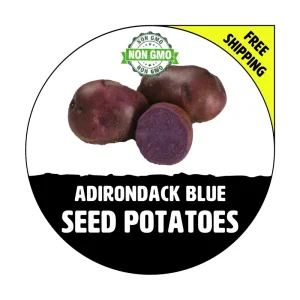
Cultivate striking Adirondack Blue seed potatoes, certified non-GMO heirloom tubers known for their distinctive blue flesh and skin. These disease-checked seed potatoes are ideal for spring and summer planting, producing delicious spuds perfect for a variety of culinary uses.

With our Alive & Thrive Guarantee, we’ve got your back for the first 30 days! If you have any concerns about your plants, just reach out to us. Our team is here to help answer your questions and guide you in selecting the best plants for your garden, climate, and unique preferences. We're excited to help you create the garden of your dreams!
Estimated arrival
Mar 31
Apr 05 - Apr 07
Apr 10 - Apr 14

Product Details
-
USDA Hardiness Zone
unknown -
Soil type
Well-draining, rich in organic matter -
Sunlight Exposure
Full sun -
Expected Planting Period
Spring to Summer
Overview
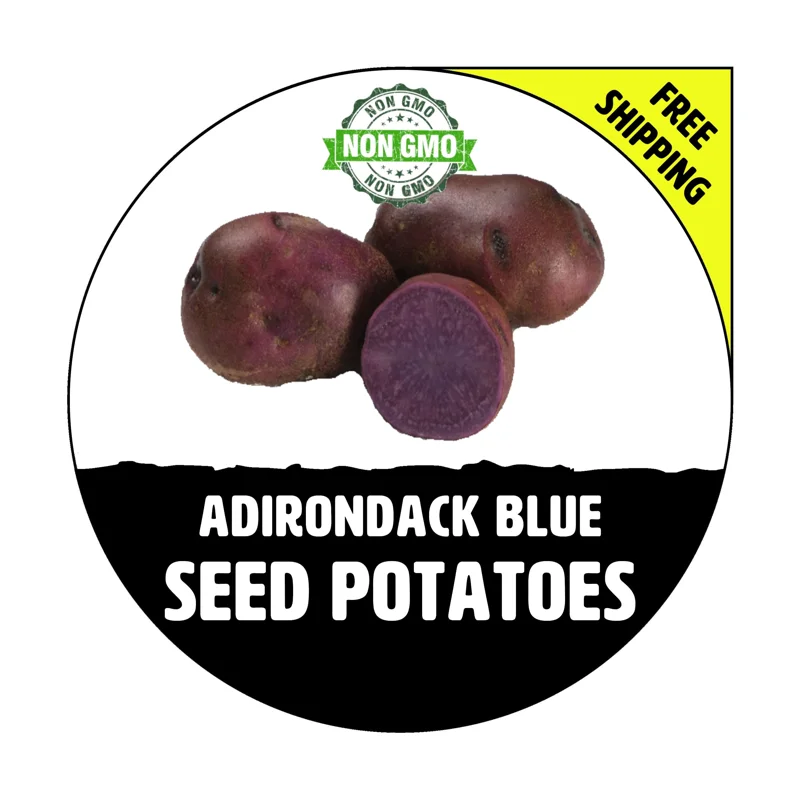
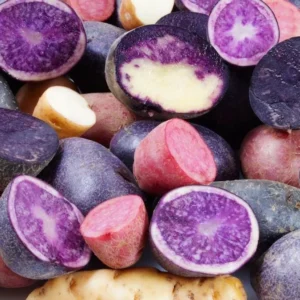
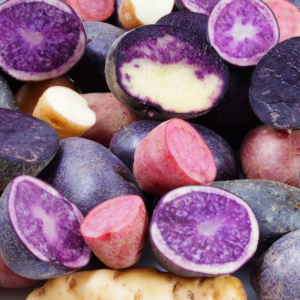
Introduce a splash of vibrant color to your garden and plate with Adirondack Blue seed potatoes. These certified non-GMO heirloom tubers are a gardener’s delight, offering both aesthetic appeal and culinary versatility. The ‘Adirondack Blue’ potato variety, released by Cornell University in 2003, stands out with its unique blue flesh and skin, a trait attributed to high levels of anthocyanins. Unlike many other blue potato varieties, the ‘Adirondack Blue’ maintains its captivating color even after cooking, making it a fantastic choice for brightly colored salads, boiling, baking, and mashing. Each purchase includes carefully selected, disease-checked seed potatoes, ensuring a healthy and productive start to your growing season. Avoid the pitfalls of store-bought potatoes; these specially prepared tubers are designed for optimal growth and yield in your home garden. Whether you’re an experienced grower or new to cultivating vegetables, these certified seed potatoes provide a reliable foundation for a bountiful harvest.
Cultivating your own blue potato tubers from certified stock ensures you’re starting with disease-free material, crucial for a successful crop. These particular tubers are celebrated for their robust growth and striking appearance, transforming ordinary dishes into culinary masterpieces. The vigorous foliage, with its bluish tint, adds an interesting dimension to your garden landscape even before harvest. Discover the joy of growing and harvesting your own uniquely colored potatoes, packed with natural antioxidants and flavor.
Key Benefits
The ‘Adirondack Blue’ potato offers a range of compelling benefits for both the gardener and the home cook, making it an excellent addition to any garden. These advantages extend from ease of cultivation to their exceptional culinary qualities.
- Vibrant Color Retention: Unlike many blue potato varieties, the Adirondack Blue seed potatoes retain their vivid blue/purple flesh and skin color after boiling, baking, or mashing. This makes them perfect for adding visual appeal to salads and other dishes.
- Certified & Disease-Free: Our seed potatoes are certified, meaning they have been specially checked for diseases. This ensures a healthier start for your crop compared to grocery store potatoes, which can harbor pathogens.
- Rich in Anthocyanins: The striking blue coloration is due to high levels of anthocyanins, powerful antioxidants known for their health benefits. Enjoy a nutritious and visually appealing vegetable.
- Culinary Versatility: These blue potato tubers are excellent for a wide range of cooking methods, including boiling, baking, mashing, and even making chips (though not from cold storage). Their firm texture and unique flavor enhance any meal.
- Heirloom Variety: Grow a piece of agricultural history with this heirloom variety. Released by Cornell University, it represents a legacy of quality and distinct characteristics that modern hybrid varieties often lack.
- Ideal for Spring & Summer Planting: These tubers are perfectly suited for planting in spring and summer, providing a flexible planting window for home gardeners across various regions.
- Reliable Growth: Known for its large and spreading foliage and moderate tuber set, the ‘Adirondack Blue’ is a dependable variety that offers a good yield of round to oblong, slightly flattened tubers.
Plant Care & Growing Tips
Successful cultivation of Adirondack Blue seed potatoes begins with proper planting and attentive care throughout their growth cycle. These hardy tubers thrive in well-prepared soil and with adequate sunlight. Begin by selecting a site that receives full sun, ideally 6-8 hours of direct sunlight per day. The soil should be well-draining, loose, and rich in organic matter. A slightly acidic to neutral pH (5.0-7.0) is optimal for potato growth. Before planting, amend heavy clay soils with compost or well-rotted manure to improve drainage and fertility. Prepare trenches about 6-8 inches deep and plant the seed potato pieces, ensuring each piece has at least one or two ‘eyes’, about 12 inches apart. Space rows 2-3 feet apart to allow for proper hilling and air circulation.
Water consistently, especially during flowering and tuber development, to ensure even moisture. Potatoes require about 1-2 inches of water per week, either from rainfall or irrigation. Avoid overwatering, which can lead to rot, but do not let the soil dry out completely. As the plants grow, ‘hill’ the soil around the stems, covering the lower leaves. This process protects the developing tubers from sunlight (which can turn them green and toxic) and encourages more tubers to form. Continue hilling every few weeks until the plants are about a foot tall. Fertilize with a balanced fertilizer or one higher in phosphorus and potassium, according to soil test recommendations. Monitor for common potato pests and diseases; however, starting with certified seed potatoes significantly reduces disease risk. Harvest typically occurs when the foliage begins to yellow and die back, usually 90-120 days after planting. Carefully dig up the tubers, allow them to cure in a cool, dark place for a week or two, then store them in a cool, humid environment for long-term enjoyment. Proper care will yield a fantastic harvest of your unique heirloom seed potatoes.
Size & Details
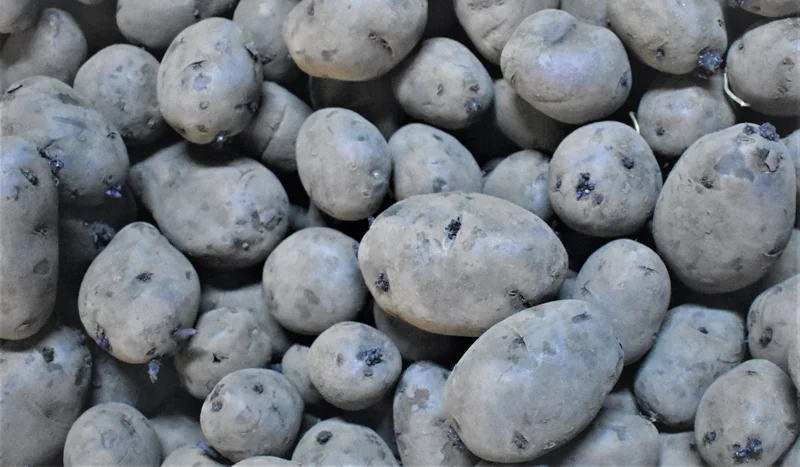
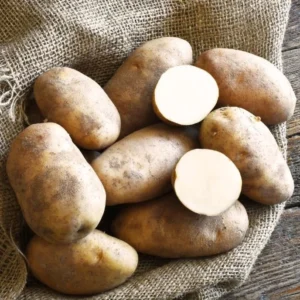
These Adirondack Blue seed potatoes are provided in quantities ranging from 1 to 10 pounds, allowing you to choose the perfect amount for your garden size. Each tuber is carefully selected and certified, ensuring you receive healthy, disease-free planting material. The tubers are typically round to oblong in shape, with slightly flattened sides and intermediate to shallow eyes. The skin and flesh are a striking blue/purple color, and the skin may exhibit a slightly netted texture. The plants themselves produce large and spreading foliage with a distinctive bluish tint on the stems and leaves, complemented by white flowers. Tuber dormancy is relatively short, indicating good readiness for planting and growth.
Expect a moderate tuber set from these plants. The ‘Adirondack Blue’ variety is known for its robust growth, with plants reaching a substantial size, providing ample cover for the developing tubers. While the tubers can be used for making chips, it’s important to note they cannot be chipped directly from cold storage. This particular variety was bred from N40-1 (‘Chieftain’ x ‘Black Russian’) x NY96 and is not under plant variety protection, making it accessible for home gardeners. These growing blue potatoes will mature over a typical potato growing season, generally 90-120 days from planting to harvest, offering a rewarding experience for any gardener.
Frequently Asked Questions
- Q: How big do these Adirondack Blue seed potatoes get? A: The tubers themselves are typically round to oblong and slightly flattened. The plants produce large, spreading foliage that can reach a significant size, providing good cover for the developing potatoes underground.
- Q: Are these certified seed potatoes? A: Yes, these are certified seed potatoes. This means they have been specially checked for diseases, offering a much healthier and more reliable start for your garden compared to grocery store potatoes.
- Q: How much sunlight do these blue potato tubers need? A: For optimal growth and yield, Adirondack Blue potatoes require full sun, meaning at least 6-8 hours of direct sunlight per day.
- Q: When is the best time to plant Adirondack Blue seed potatoes? A: These tubers are ideal for spring and summer planting. The exact timing will depend on your local climate and last frost dates.
- Q: Can I use these for brightly colored salads? A: Absolutely! One of the key benefits of ‘Adirondack Blue’ is its ability to retain its vibrant blue/purple color even after cooking, making it an excellent choice for adding visual appeal to salads and other dishes.
- Q: What kind of soil is best for growing blue potatoes? A: Growing blue potatoes thrives in well-draining, loose soil that is rich in organic matter. A slightly acidic to neutral pH (5.0-7.0) is generally preferred.
- Q: Is this a non-GMO heirloom variety? A: Yes, the ‘Adirondack Blue’ is a non-GMO heirloom variety, developed by Cornell University. It is not under plant variety protection, allowing gardeners to save and replant if desired.
- Q: How do I store harvested Adirondack Blue potatoes? A: After harvesting, allow the tubers to cure in a cool, dark place for about one to two weeks. Then, store them in a cool, humid, and dark environment, such as a root cellar or cool basement, for long-term storage.
| Weight | 1 Lb., 10 Lbs., 2 Lbs., 5 Lbs. |
|---|
Related products
-48%
Original price was: $28.99.$14.99Current price is: $14.99.
-50%

Original price was: $39.96.$19.98Current price is: $19.98.
-48%
Original price was: $28.99.$14.99Current price is: $14.99.
-50%
Original price was: $19.00.$9.50Current price is: $9.50.
-50%
Original price was: $39.96.$19.98Current price is: $19.98.
-50%
Original price was: $15.96.$7.98Current price is: $7.98.
PLANTING & CARE
Growing Glencoe Raspberry: A Complete Guide for Gardeners
If you’re looking to add something unique to your garden, look no further than the
31
Mar
Mar

The Comprehensive Guide to Growing Bay Leaf Plants for a Flavorful Garden
Imagine stepping into your garden, greeted by the earthy aroma of fresh bay leaves, their
09
Feb
Feb

How to Make Comfrey Tea: The Ultimate Organic Plant Food
Growing an organic garden can be surprisingly expensive, especially when most store-bought fertilizers come in
02
Feb
Feb

True Comfrey: 7 Essential Tips Before You Plant This Herb
A staple in permaculture practices across the US, True Comfrey easily earns its reputation as
27
Jan
Jan

7 Heart-Shaped Plants for a Lasting Valentine’s Gift
If you’ve ever bought a bouquet of roses for Valentine’s Day, you know they are
26
Jan
Jan

Best Types of Ivy Plant for Houses: How to Choose the Perfect Ones for Your Home
Are you a garden lover looking to introduce some greenery into your home? Maybe you’ve
14
Nov
Nov

When to Harvest Garlic (Especially Fall-Planted Garlic)
TIMING IS EVERYTHING, they say – and for garlic, that truth hits with surprising accuracy.
13
Nov
Nov

11 of the Best Sweet Potato Varieties to Grow for Your Garden
If you’ve ever tried growing sweet potatoes, you know that picking the right variety can
12
Nov
Nov