Yukon Gold Seed Potatoes – Certified, Non-GMO Heirloom Tuber – 1-10 lbs
Yukon Gold Seed Potatoes – Certified, Non-GMO Heirloom Tuber – 1-10 lbs
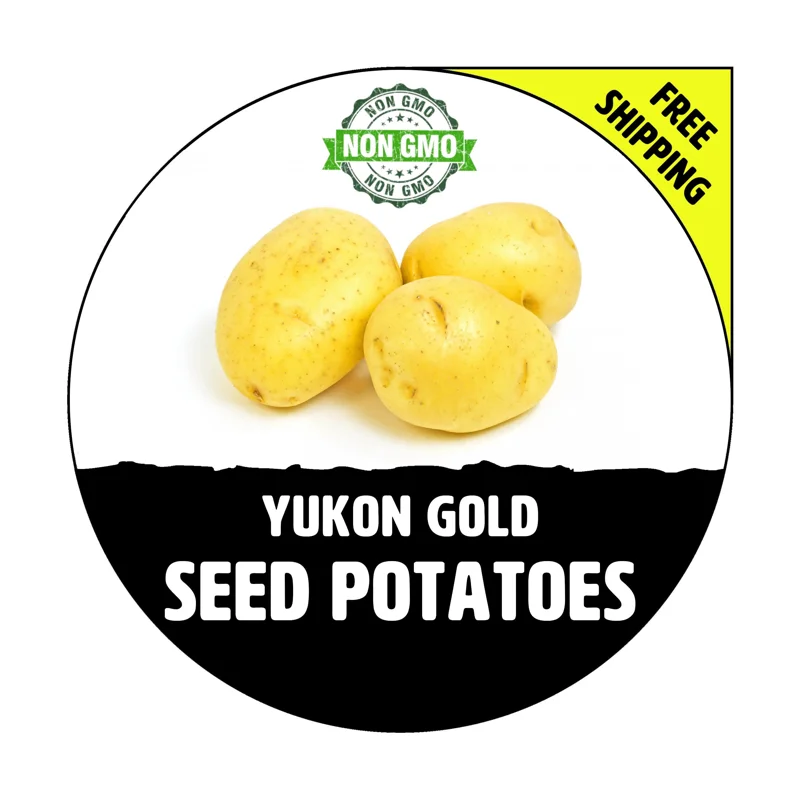
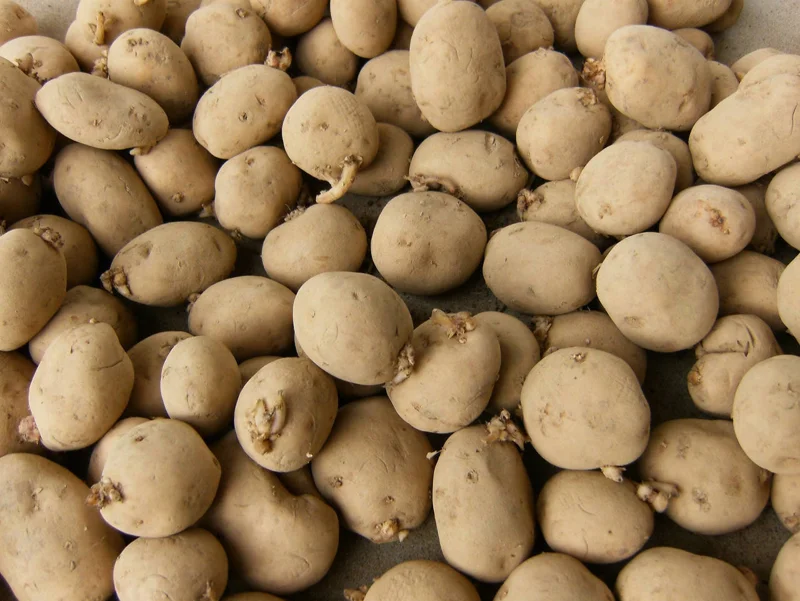
Cultivate your own flavorful harvest with Yukon Gold seed potatoes. These certified, non-GMO heirloom tubers produce yellow-gold skin and flesh, perfect for spring and summer planting. Enjoy disease-free growth and a bountiful yield.

With our Alive & Thrive Guarantee, we’ve got your back for the first 30 days! If you have any concerns about your plants, just reach out to us. Our team is here to help answer your questions and guide you in selecting the best plants for your garden, climate, and unique preferences. We're excited to help you create the garden of your dreams!
Estimated arrival
Mar 31
Apr 05 - Apr 07
Apr 10 - Apr 14

Product Details
-
USDA Hardiness Zone
USDA Zones 3-9 (as annual crop) -
Soil type
Loose, well-draining, slightly acidic to neutral soil (pH 5.0-7.0) -
Sunlight Exposure
Full sun (6-8+ hours daily) -
Expected Planting Period
Spring to early summer
Overview
Embark on a rewarding gardening journey with Yukon Gold seed potatoes, a beloved heirloom variety renowned for its exceptional flavor and versatility. These certified seed potatoes are specifically cultivated for planting, ensuring a healthy start to your potato patch. Unlike grocery store potatoes, which may carry diseases or be treated to inhibit sprouting, our Yukon Gold seed potatoes are rigorously checked for disease, providing you with a superior foundation for a successful harvest. The distinctive yellow to gold skin and rich, buttery yellow flesh make them a favorite among home gardeners and culinary enthusiasts alike. Discover the satisfaction of growing your own nutritious and delicious potatoes right in your backyard.
The history of the ‘Yukon Gold’ potato is as rich as its flavor, having been developed over 30 years by Gary Johnston. This particular variety, first created in 1966, was named for the Yukon River and the gold rush country of Northern Canada, with the ‘Gold’ added to emphasize its beautiful color. When you plant these heirloom potato varieties, you’re not just growing food; you’re cultivating a piece of agricultural history. They are an ideal choice for both novice and experienced gardeners looking for reliable performance and outstanding culinary quality.
Key Benefits
Choosing to plant Yukon Gold seed potatoes offers numerous advantages for your garden and your plate. These tubers are not only a joy to grow but also provide a delicious and healthy food source.
- Superior Flavor and Texture: Enjoy the classic, buttery flavor and creamy texture that makes Yukon Gold seed potatoes perfect for mashing, roasting, frying, or boiling. Their consistent quality elevates any dish.
- Certified Disease-Free: Our certified seed potato stock is specifically grown and inspected to be free from common potato diseases, ensuring a healthy start and a robust harvest for your garden.
- Non-GMO Heirloom Variety: Cultivate a piece of gardening heritage with these traditional non-GMO seed potatoes. You can trust that you are growing a natural, unmodified food source.
- Excellent Yield Potential: These vigorous plants are known for producing a generous harvest of medium to large tubers, providing plenty for your family and perhaps even some to share.
- Versatile Culinary Use: From fluffy mashed potatoes to crispy roasted wedges, the rich, golden flesh holds up well to various cooking methods, making them a staple in any kitchen.
- Easy to Grow: With proper care, growing Yukon Gold potatoes is a straightforward process, making them suitable for gardeners of all experience levels.
- Reliable Spring and Summer Crop: These seed potatoes are perfectly suited for spring and summer planting, allowing you to enjoy fresh, home-grown potatoes during the warmer months.
Plant Care & Growing Tips
Successful growing Yukon Gold potatoes begins with proper planting and attentive care. Choose a site in your garden that receives at least 6-8 hours of direct sunlight per day. Potatoes thrive in loose, well-draining soil with a pH between 5.0 and 7.0. Amend heavy clay soils with compost or peat moss to improve drainage and aeration. Before planting, cut larger seed potatoes into pieces, ensuring each piece has at least one or two ‘eyes’ (sprouts). Allow the cut pieces to cure for a day or two in a warm, humid environment to form a protective layer, which helps prevent rot after planting.
Plant your Yukon Gold seed potatoes about 4-6 inches deep and 12-15 inches apart in rows that are 30-36 inches apart. As the plants grow, ‘hill’ them by mounding soil around the base of the stems, leaving only the top few inches of foliage exposed. This process protects the developing tubers from sunlight (which can turn them green and inedible) and encourages more potatoes to form. Water consistently, especially during flowering and tuber development, aiming for about 1-2 inches of water per week. Avoid overwatering, as this can lead to disease. Fertilize with a balanced fertilizer or one higher in phosphorus and potassium before planting and again when plants are about 6-8 inches tall.
Monitor your plants for common pests like potato beetles and diseases. Good air circulation and proper spacing can help prevent fungal issues. Harvest your certified seed potato crop when the foliage begins to yellow and die back, typically 90-120 days after planting. Carefully dig up the tubers, being gentle to avoid bruising. Allow them to cure in a cool, dark, well-ventilated area for a week or two before storing them in a cool, dark place for long-term enjoyment. Proper curing and storage will significantly extend their shelf life.
Size & Details
Our Yukon Gold seed potatoes are offered in quantities ranging from 1 to 10 lbs, providing flexibility for gardens of all sizes. Each tuber is carefully selected and certified to ensure optimal health and growth. These are not ordinary grocery store potatoes; they are specifically grown for planting, ensuring you start with disease-free material. The skin color of the mature potatoes will be a vibrant yellow to gold, with the flesh displaying a rich golden hue. This reflects the quality and genetic purity of these heirloom potato varieties.
These tubers are ideal for spring and early summer planting, ensuring a harvest before the peak heat of summer or extending into fall, depending on your climate. The plants typically grow to a height of 2-3 feet with a similar spread. Expect a medium growth rate, with tubers maturing in approximately 90-120 days from planting. The size of individual tubers will vary but generally fall into the medium to large category, perfect for a variety of culinary applications. When you choose these non-GMO seed potatoes, you’re investing in a reliable and productive garden staple.
Frequently Asked Questions
- Q: What is the best time to plant Yukon Gold seed potatoes? A: The ideal time to plant Yukon Gold seed potatoes is in early spring, after the last frost, when soil temperatures have warmed sufficiently. They can generally be planted from February through June, depending on your local climate and when the ground is workable.
- Q: How big do Yukon Gold potatoes get? A: Yukon Gold seed potatoes typically produce medium to large-sized tubers, generally ranging from 2 to 4 inches in diameter. The overall plant can grow to be about 2-3 feet tall and wide.
- Q: Is this a certified seed potato? A: Yes, these are certified seed potato tubers. This means they have been inspected and meet strict standards for purity and freedom from disease, offering a much better chance for a healthy and productive crop.
- Q: Can I plant grocery store potatoes instead of seed potatoes? A: It is strongly advised against planting grocery store potatoes. They are often treated with sprout inhibitors and can carry diseases that will negatively impact your garden. Always use certified seed potato stock for best results.
- Q: How much sunlight do Yukon Gold seed potatoes need? A: Yukon Gold seed potatoes thrive in full sun, requiring at least 6-8 hours of direct sunlight per day for optimal growth and tuber development.
- Q: What kind of soil is best for growing Yukon Gold potatoes? A: They prefer loose, well-draining, slightly acidic to neutral soil (pH 5.0-7.0) rich in organic matter. Avoid heavy clay soils without amendment, as they can lead to poor tuber development and disease.
- Q: How often should I water my potato plants? A: Water consistently, especially during dry periods and when the plants are flowering and forming tubers. Aim for about 1-2 inches of water per week, ensuring the soil remains moist but not waterlogged.
- Q: Are these non-GMO seed potatoes? A: Yes, our Yukon Gold seed potatoes are a non-GMO heirloom variety, meaning they have not been genetically modified and represent a traditional potato type.
- Q: How long does it take for Yukon Gold seed potatoes to mature? A: Yukon Gold seed potatoes are a mid-season variety, typically maturing and ready for harvest in about 90 to 120 days after planting.
- Q: How do I store harvested Yukon Gold potatoes? A: After harvesting, cure the potatoes in a cool, dark, well-ventilated area for 1-2 weeks. Then, store them in a cool (40-50°F), dark place with good air circulation, such as a root cellar or unheated basement.
| Weight | 1 Lb., 10 Lbs., 2 Lbs., 5 Lbs. |
|---|
Related products
-20%
Original price was: $36.00.$28.80Current price is: $28.80.
-20%
Original price was: $100.00.$80.00Current price is: $80.00.
-20%
Original price was: $84.00.$67.20Current price is: $67.20.
-20%
Original price was: $48.00.$38.40Current price is: $38.40.
-25%
Original price was: $39.99.$29.90Current price is: $29.90.
-20%
Original price was: $100.00.$80.00Current price is: $80.00.
-50%
Original price was: $59.96.$29.98Current price is: $29.98.
-20%
Original price was: $36.00.$28.80Current price is: $28.80.
PLANTING & CARE

Growing Glencoe Raspberry: A Complete Guide for Gardeners
If you’re looking to add something unique to your garden, look no further than the
31
Mar
Mar

The Comprehensive Guide to Growing Bay Leaf Plants for a Flavorful Garden
Imagine stepping into your garden, greeted by the earthy aroma of fresh bay leaves, their
09
Feb
Feb

How to Make Comfrey Tea: The Ultimate Organic Plant Food
Growing an organic garden can be surprisingly expensive, especially when most store-bought fertilizers come in
02
Feb
Feb

True Comfrey: 7 Essential Tips Before You Plant This Herb
A staple in permaculture practices across the US, True Comfrey easily earns its reputation as
27
Jan
Jan

7 Heart-Shaped Plants for a Lasting Valentine’s Gift
If you’ve ever bought a bouquet of roses for Valentine’s Day, you know they are
26
Jan
Jan

Best Types of Ivy Plant for Houses: How to Choose the Perfect Ones for Your Home
Are you a garden lover looking to introduce some greenery into your home? Maybe you’ve
14
Nov
Nov

When to Harvest Garlic (Especially Fall-Planted Garlic)
TIMING IS EVERYTHING, they say – and for garlic, that truth hits with surprising accuracy.
13
Nov
Nov

11 of the Best Sweet Potato Varieties to Grow for Your Garden
If you’ve ever tried growing sweet potatoes, you know that picking the right variety can
12
Nov
Nov