Dwarf Red Lady Papaya Live Plant – 1 Gallon Pot – Tropical Fruit Tree
-24%
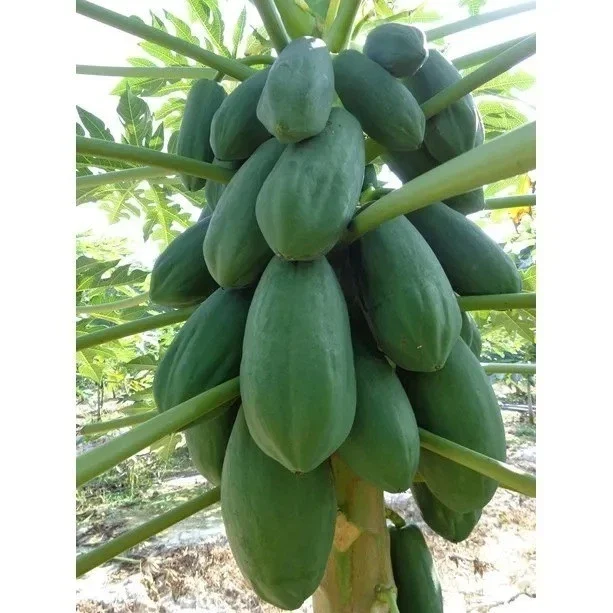
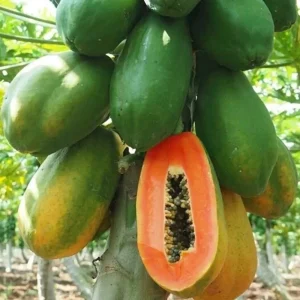
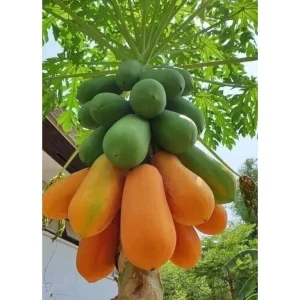
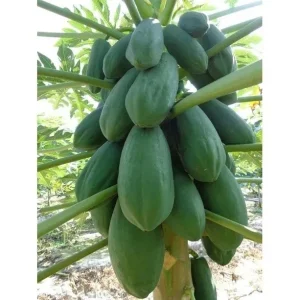
Dwarf Red Lady Papaya Live Plant – 1 Gallon Pot – Tropical Fruit Tree
Cultivate your own tropical harvest with this dwarf red lady papaya live plant in a 1 gallon pot. Ideal for patios or gardens, this compact variety produces sweet, flavorful fruit. Enjoy fresh, homegrown papaya with ease.
Original price was: $86.99.$65.99Current price is: $65.99.

With our Alive & Thrive Guarantee, we’ve got your back for the first 30 days! If you have any concerns about your plants, just reach out to us. Our team is here to help answer your questions and guide you in selecting the best plants for your garden, climate, and unique preferences. We're excited to help you create the garden of your dreams!
Estimated arrival
Apr 14
Apr 19 - Apr 21
Apr 24 - Apr 28
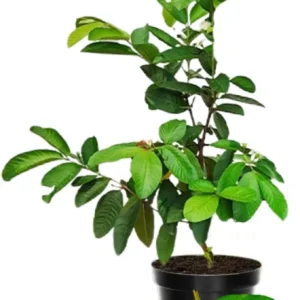
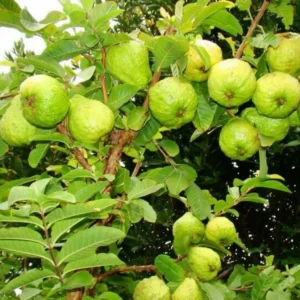
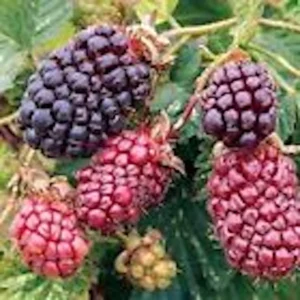
Product Details
-
USDA Hardiness Zone
USDA zones 9-11 -
Soil type
Well-draining, rich potting mix -
Sunlight Exposure
Full sun (6-8+ hours daily) -
Expected Planting Period
Year-round in warm climates, spring to early summer elsewhere
Overview
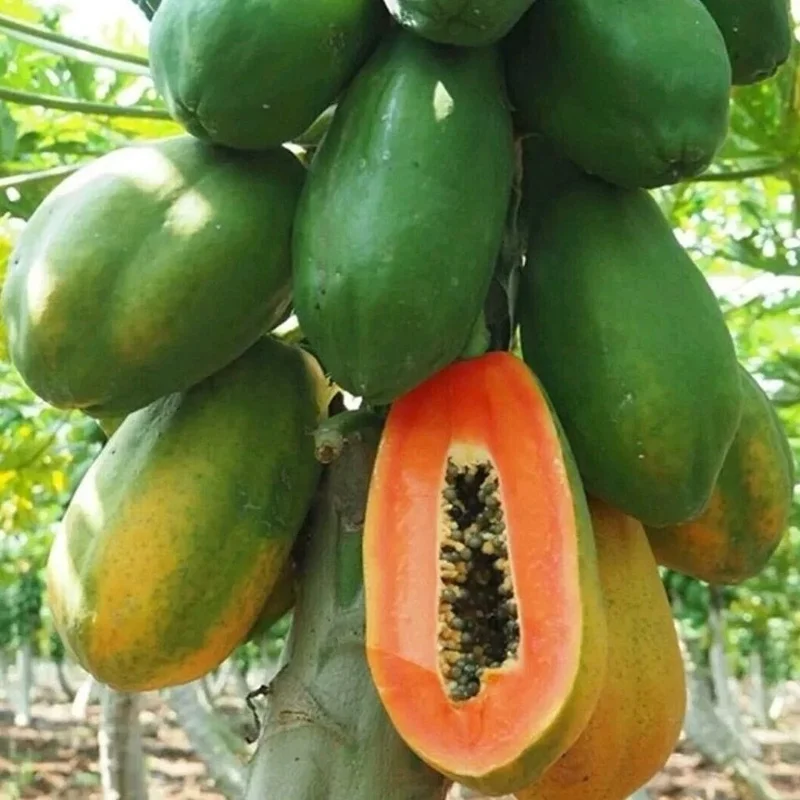
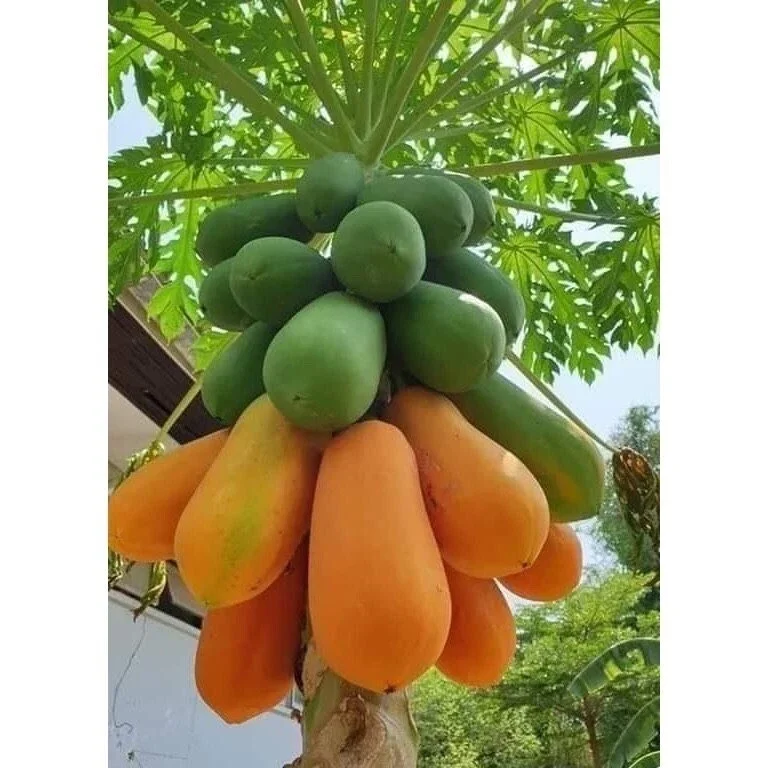
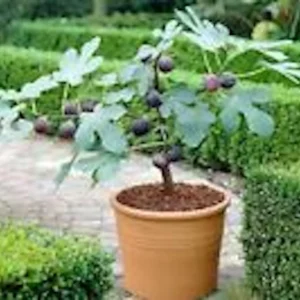
Introduce a taste of the tropics to your garden or patio with the exceptional dwarf red lady papaya live plant. This remarkable variety is celebrated for its compact growth habit, making it an ideal choice for container gardening, even in smaller spaces. Unlike many larger papaya trees, the ‘Red Lady’ matures at a manageable size, yet still yields an abundance of sweet, juicy fruit. Whether you’re an experienced gardener or just starting out, this live plant offers the joy of harvesting your own delicious, vitamin-rich papayas. Known botanically as Carica papaya ‘Red Lady’, this plant is a self-pollinating hermaphrodite, meaning you only need one plant to produce fruit.
Our dwarf red lady papaya live plant arrives ready to thrive, carefully nurtured in a 1 gallon pot. This ensures a strong root system and a healthy start in your home. The ‘Red Lady’ is a popular choice among home growers due to its early fruiting, often producing within a year of planting under optimal conditions. Its vibrant orange-red flesh and sweet flavor make it a delightful addition to breakfasts, smoothies, salads, or enjoyed simply on its own. Experience the satisfaction of growing your own exotic fruit with this easy-to-manage and productive plant.
Key Benefits
Growing a dwarf red lady papaya live plant offers a multitude of advantages, from its aesthetic appeal to its bountiful harvest. This plant is a fantastic addition for anyone looking to bring a touch of the exotic to their environment.
- Compact Growth & Container Friendly: The ‘Red Lady’ variety is specifically bred for its smaller stature, making it perfect for growing in pots on patios, balconies, or in small garden spaces. You don’t need a vast yard to enjoy fresh, homegrown papaya.
- Abundant & Early Fruiting: Despite its dwarf size, this plant is highly productive, yielding numerous sweet, flavorful papayas. It often begins fruiting relatively quickly, sometimes within 9-12 months of planting.
- Sweet & Nutritious Fruit: The papayas produced by this plant are renowned for their delicious, sweet taste and vibrant orange-red flesh. They are packed with vitamins A and C, antioxidants, and digestive enzymes.
- Self-Pollinating Hermaphrodite: You only need a single dwarf red lady papaya live plant to produce fruit, as it contains both male and female reproductive parts. This simplifies the growing process significantly.
- Tropical Aesthetic Appeal: Beyond its fruit, the ‘Red Lady’ papaya plant adds a beautiful, lush, tropical look to any setting with its large, deeply lobed leaves and attractive fruit development.
- Versatile Culinary Use: The ripe fruit can be enjoyed fresh, in smoothies, fruit salads, desserts, or even savory dishes. Unripe green papaya is also used in many Asian cuisines for salads and curries.
- Relatively Low Maintenance: Once established, with proper care, this compact papaya tree is not overly demanding, making it a rewarding plant for gardeners of various skill levels.
Plant Care & Growing Tips
Caring for your dwarf red lady papaya live plant is straightforward, especially when you understand its basic needs. These tropical plants thrive in warm, sunny conditions and require consistent attention to watering and soil quality to produce their best fruit. Proper red lady papaya care ensures a healthy and productive plant.
Sunlight requirements: Papaya plants are sun-lovers and require at least 6-8 hours of direct sunlight per day to flourish and fruit. Choose a location in your garden or patio that receives full sun exposure. If growing indoors or in a greenhouse, ensure it receives ample light or supplement with grow lights. Lack of sufficient sunlight can lead to poor growth and reduced fruit production.
Watering schedule and soil moisture preferences: Consistent moisture is key for papaya plants, but they absolutely hate soggy feet. Water deeply when the top 1-2 inches of soil feel dry to the touch. In hot, dry weather, this might be daily, while in cooler periods, it could be less frequent. Ensure excellent drainage to prevent root rot, which is a common issue for papayas. Reduce watering significantly during cooler months or if the plant shows signs of stress due to overwatering.
Soil type and drainage requirements: Papayas prefer rich, well-draining soil with a slightly acidic to neutral pH (6.0-7.0). A good quality potting mix amended with compost or well-rotted manure works well for container plants. For in-ground planting, ensure the soil is not heavy clay; amend with sand, perlite, or organic matter to improve drainage. Good drainage is paramount for healthy root development.
Temperature range and USDA hardiness zone: As tropical plants, papayas thrive in warm temperatures. They prefer temperatures between 70-90°F (21-32°C). They are not tolerant of frost and will suffer damage or die if exposed to freezing temperatures. The dwarf red lady papaya live plant is typically suitable for USDA Zones 9-11 for outdoor cultivation. In colder zones, it must be grown in containers and brought indoors or protected during winter.
Fertilization schedule and type: Papayas are heavy feeders. Begin fertilizing a month after planting with a balanced, slow-release granular fertilizer or a liquid feed every 2-4 weeks during the growing season (spring through fall). Look for a fertilizer with a slightly higher phosphorus content to encourage fruiting once the plant is established. Always follow fertilizer package instructions and avoid over-fertilizing, which can burn the roots.
Common problems and solutions: Watch out for common pests like spider mites, aphids, and whiteflies. Treat with insecticidal soap or neem oil. Fungal issues like powdery mildew can occur in humid conditions; ensure good air circulation. Root rot is often caused by overwatering or poor drainage. Ensure proper watering practices and well-draining soil to prevent this. This tropical fruit plant is generally robust if its basic needs are met.
Size & Details
Your dwarf red lady papaya live plant arrives in a healthy 1 gallon nursery pot, ensuring its roots are well-established for transplanting. This particular variety is known for its manageable size, typically growing to a height of 6-8 feet in optimal conditions when planted in the ground, or slightly smaller in a container. It has a relatively fast growth rate, and with proper care, you can expect fruit production to begin within 9 to 12 months after planting.
The ‘Red Lady’ papaya is a compact variety, making it an excellent choice for those with limited space or for growing on a patio. The plant will develop a sturdy trunk and a canopy of large, deeply lobed leaves, creating a beautiful tropical accent. It will ship as a live, young plant, carefully packaged to ensure its safe arrival. The mature fruit typically weighs between 3-5 pounds, offering a substantial and delicious harvest from this compact papaya tree.
Frequently Asked Questions
- Q: How big does this plant get? A: The dwarf red lady papaya live plant typically reaches a height of 6-8 feet when mature, though it can be kept smaller in containers. Its compact size makes it ideal for home gardens and patios.
- Q: What size pot does it come in? A: Your dwarf red lady papaya live plant will arrive in a standard 1 gallon nursery pot, providing a strong root system for successful transplanting.
- Q: Is this an indoor or outdoor plant? A: This tropical plant thrives outdoors in USDA Zones 9-11. In colder climates, it can be grown in a container and brought indoors during winter, making it a versatile tropical fruit plant.
- Q: How much sunlight does it need? A: Papaya plants require at least 6-8 hours of direct sunlight daily to produce fruit effectively. Choose the sunniest spot available for your plant.
- Q: Is this plant easy to care for? A: With proper sunlight, consistent watering, and well-draining soil, the ‘Red Lady’ papaya is relatively easy to care for, making it suitable for both beginner and experienced gardeners. Adhering to red lady papaya care guidelines is key.
- Q: What condition will it arrive in? A: Your plant will be carefully packaged and shipped as a healthy, live young plant with an established root system in its 1 gallon pot, ready for planting.
- Q: How long until it blooms and fruits? A: Under ideal growing conditions, the dwarf red lady papaya live plant can begin to flower and produce fruit within 9-12 months of planting.
- Q: Can I grow this papaya variety in a container? A: Yes, this ‘Red Lady’ variety is particularly well-suited for container growing due to its dwarf nature, making it an excellent compact papaya tree option.
- Q: What type of soil is best for growing dwarf papaya? A: Papayas prefer rich, well-draining soil with a slightly acidic to neutral pH. A good quality potting mix with added organic matter works well.
- Q: Will it survive winter in my zone if I live outside zones 9-11? A: If you live outside USDA Zones 9-11, you will need to protect your papaya plant from frost by bringing it indoors or providing significant winter protection.
Related products
-20%
Original price was: $34.00.$27.20Current price is: $27.20.
-10%
Original price was: $89.99.$80.99Current price is: $80.99.
-20%
Original price was: $50.00.$40.00Current price is: $40.00.
-20%
Original price was: $36.00.$28.80Current price is: $28.80.
-20%
Original price was: $34.00.$27.20Current price is: $27.20.
-20%
Original price was: $80.00.$64.00Current price is: $64.00.
PLANTING & CARE

Growing Glencoe Raspberry: A Complete Guide for Gardeners
If you’re looking to add something unique to your garden, look no further than the
31
Mar
Mar

The Comprehensive Guide to Growing Bay Leaf Plants for a Flavorful Garden
Imagine stepping into your garden, greeted by the earthy aroma of fresh bay leaves, their
09
Feb
Feb

How to Make Comfrey Tea: The Ultimate Organic Plant Food
Growing an organic garden can be surprisingly expensive, especially when most store-bought fertilizers come in
02
Feb
Feb

True Comfrey: 7 Essential Tips Before You Plant This Herb
A staple in permaculture practices across the US, True Comfrey easily earns its reputation as
27
Jan
Jan

7 Heart-Shaped Plants for a Lasting Valentine’s Gift
If you’ve ever bought a bouquet of roses for Valentine’s Day, you know they are
26
Jan
Jan

Best Types of Ivy Plant for Houses: How to Choose the Perfect Ones for Your Home
Are you a garden lover looking to introduce some greenery into your home? Maybe you’ve
14
Nov
Nov

When to Harvest Garlic (Especially Fall-Planted Garlic)
TIMING IS EVERYTHING, they say – and for garlic, that truth hits with surprising accuracy.
13
Nov
Nov

11 of the Best Sweet Potato Varieties to Grow for Your Garden
If you’ve ever tried growing sweet potatoes, you know that picking the right variety can
12
Nov
Nov