Variegated Cassava Live Plant – Ornamental Manihot esculenta ‘Variegata’ – 4 inch Pot
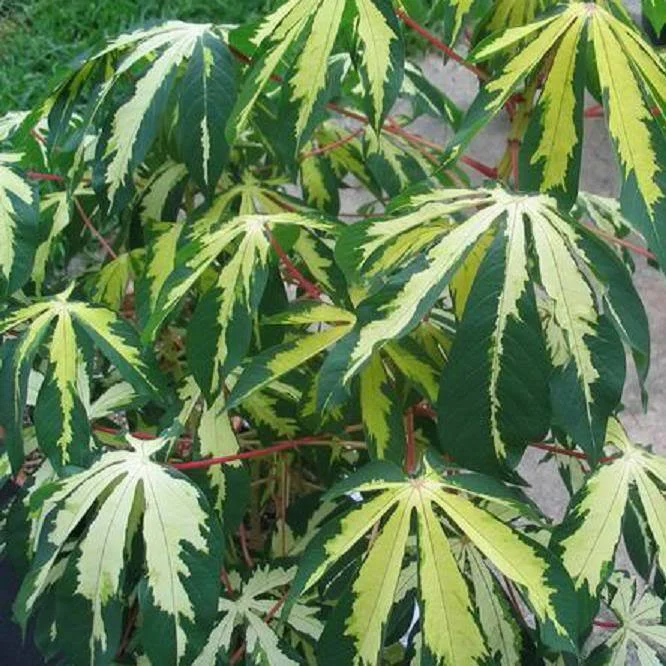
Variegated Cassava Live Plant – Ornamental Manihot esculenta ‘Variegata’ – 4 inch Pot
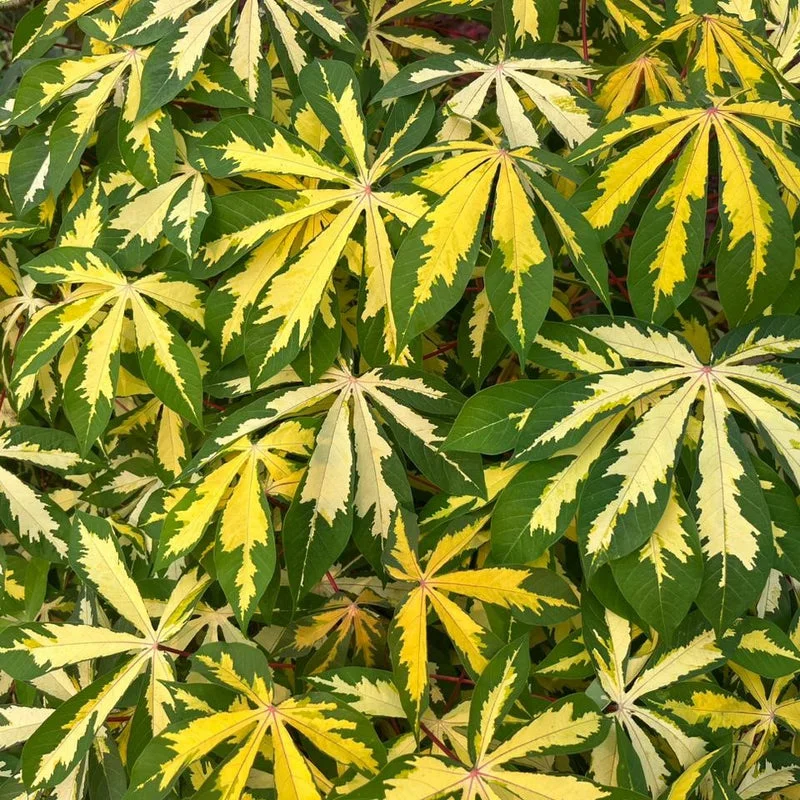
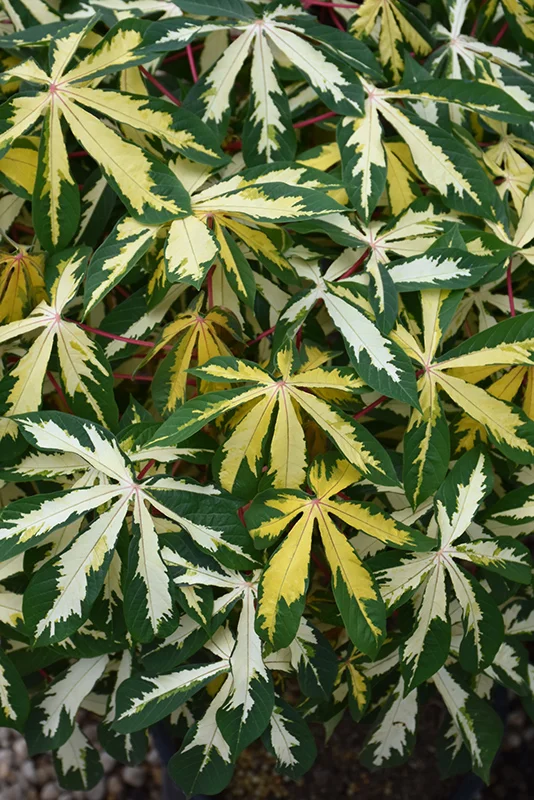
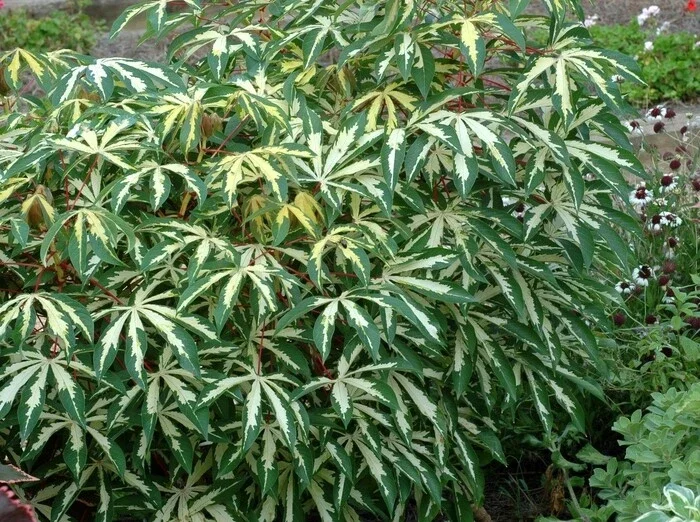
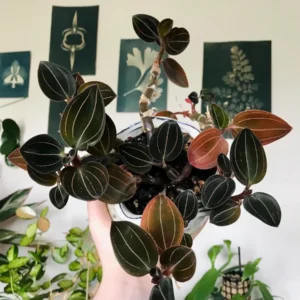
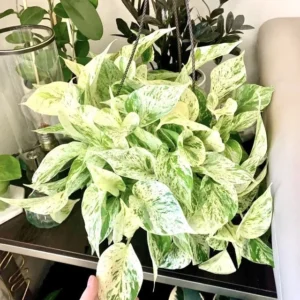
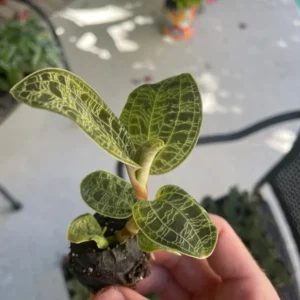
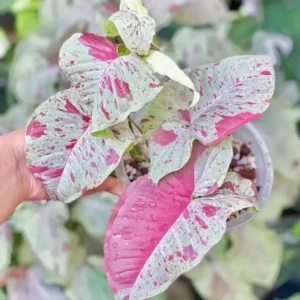
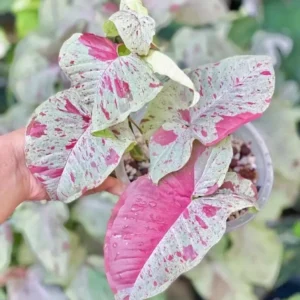
Add a touch of tropical elegance to your space with this beautiful variegated cassava live plant. Perfect for indoor display or as a vibrant outdoor accent, this 4-inch potted plant features striking, colorful foliage. Its unique patterns make it a focal point in any plant collection.
$55.99
Out of stock

With our Alive & Thrive Guarantee, we’ve got your back for the first 30 days! If you have any concerns about your plants, just reach out to us. Our team is here to help answer your questions and guide you in selecting the best plants for your garden, climate, and unique preferences. We're excited to help you create the garden of your dreams!
Estimated arrival
Apr 13
Apr 18 - Apr 20
Apr 23 - Apr 27
Product Details
-
USDA Hardiness Zone
USDA zones 9–11 (outdoors) or indoors year-round -
Soil type
Well-draining potting mix -
Sunlight Exposure
Bright indirect light -
Expected Planting Period
Year-round indoors, spring to early summer outdoors (in suitable zones)
Overview
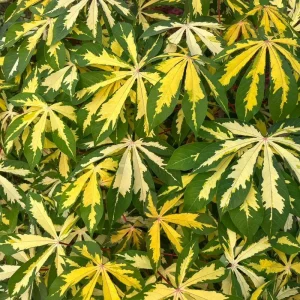
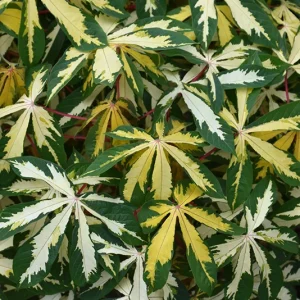
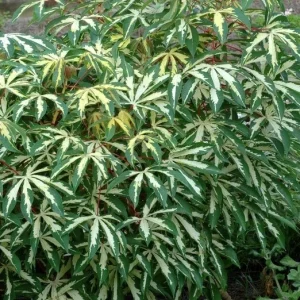
Introduce a splash of vibrant color and unique texture to your home or garden with the variegated cassava live plant. Known botanically as Manihot esculenta ‘Variegata’, this stunning ornamental plant is cherished for its eye-catching foliage, which boasts intricate patterns of green, cream, and sometimes pink hues. Unlike its common relative grown for its edible tubers, this specific cultivar is primarily cultivated for its aesthetic appeal, making it a fantastic decorative addition. Originating from tropical regions, the ornamental cassava plant thrives in warm, humid environments and can be a captivating indoor houseplant or an exotic outdoor annual in cooler climates. Its distinctive leaves provide a dramatic visual interest that can elevate any plant collection, offering a continuous display of natural artistry.
The beauty of the variegated cassava live plant lies in its dynamic foliage. Each leaf is a masterpiece, providing a lively contrast to more uniformly green plants. It’s a fantastic choice for plant enthusiasts looking for something beyond the ordinary, offering both an engaging appearance and a relatively straightforward care routine for those familiar with tropical plants. Whether placed on a patio, as part of a mixed container arrangement, or as a standalone statement piece indoors, this plant is sure to draw admiration and spark conversation with its unusual and attractive presence.
Key Benefits
The variegated cassava live plant offers numerous benefits, making it an excellent choice for both novice and experienced gardeners seeking to enhance their living spaces with unique greenery. Its striking appearance is just the beginning of what this tropical gem can bring:
- Stunning Visual Appeal: The most prominent benefit is the plant’s incredible foliage. Its leaves display a beautiful variegation of green, cream, and yellow, often with hints of pink, creating a dynamic and artistic display that instantly brightens any room or garden spot. This makes the variegated cassava live plant a natural focal point.
- Tropical Ambiance: This plant effortlessly brings a tropical feel to any environment. Its large, palmate leaves evoke images of lush, exotic landscapes, transforming ordinary spaces into vibrant, vacation-like retreats.
- Unique Texture: Beyond color, the distinct shape and texture of the cassava leaves add another layer of interest. The deeply lobed leaves provide a unique structural element, enhancing the overall botanical diversity of your collection.
- Versatile Placement: While often grown indoors as a houseplant, it can also thrive outdoors in warmer climates or as an annual in cooler regions. It’s excellent for patios, balconies, or mixed container gardens, offering flexibility in its use.
- Relatively Low Maintenance: Once established, the Manihot esculenta ‘Variegata’ is not overly demanding. It appreciates consistent moisture and warmth but is generally forgiving, making it suitable for those who desire stunning plants without constant fuss.
- Air Purification: Like many plants, the variegated cassava contributes to cleaner air by absorbing common indoor pollutants, improving the overall quality of your home environment.
- Conversation Starter: Its unusual and beautiful appearance makes it a fantastic conversation piece. Guests will undoubtedly inquire about this intriguing plant, allowing you to share your passion for unique botanical specimens.
Plant Care & Growing Tips
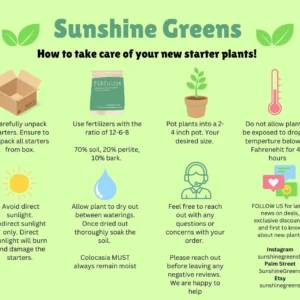
Caring for your variegated cassava live plant is a rewarding experience, as its vibrant foliage will flourish with the right conditions. This tropical beauty thrives on consistent warmth and humidity, making it an excellent candidate for indoor growing in most regions, or as an outdoor annual in zones below USDA 9. Understanding its specific needs will ensure your ornamental cassava plant remains healthy and spectacular.
Sunlight Requirements: The variegated cassava prefers bright, indirect light. Indoors, place it near a south or west-facing window where it receives ample light but is shielded from direct, harsh afternoon sun, which can scorch its delicate variegated leaves. Outdoors, choose a location with morning sun and afternoon shade. Aim for at least 4-6 hours of bright light daily for optimal color development in the foliage. Insufficient light can lead to less vibrant variegation and leggy growth.
Watering Schedule and Soil Moisture: This plant appreciates consistently moist, but not waterlogged, soil. Water thoroughly when the top inch of soil feels dry to the touch. During warmer months or when actively growing, this might mean watering several times a week. Reduce watering frequency in cooler months. Ensure excellent drainage to prevent root rot, which is a common issue for many tropical plants. A good rule of thumb is to allow any excess water to drain completely from the pot’s bottom. For those interested in growing variegated cassava, maintaining proper soil moisture is key.
Soil Type and Drainage: A well-draining, rich potting mix is ideal. A blend formulated for tropical plants or a general-purpose potting mix amended with perlite or coarse sand for improved drainage works well. The soil should be slightly acidic to neutral (pH 6.0-7.0). Good drainage is paramount to prevent waterlogging and ensure healthy root development. Repotting may be necessary every 1-2 years to refresh the soil and accommodate growth.
Temperature Range and USDA Hardiness Zone: Being a tropical plant, the variegated cassava thrives in warm temperatures, ideally between 65-85°F (18-29°C). It is not frost-tolerant and will suffer damage or die if exposed to temperatures below 50°F (10°C). If growing outdoors in a region with cold winters, treat it as an annual or bring it indoors before the first frost. Its typical outdoor hardiness is USDA zones 9-11. Humidity is also important; consider misting regularly or placing the plant near a humidifier, especially indoors.
Fertilization Schedule and Type: Feed your Manihot esculenta ‘Variegata’ every 2-4 weeks during its active growing season (spring and summer) with a balanced liquid fertilizer diluted to half strength. Reduce or stop fertilization during fall and winter when growth naturally slows down. Over-fertilization can lead to nutrient burn, so always follow product instructions carefully.
Common Problems and Solutions: Watch out for common pests like spider mites, mealybugs, and whiteflies, especially in dry indoor environments. Inspect your plant regularly and treat any infestations promptly with insecticidal soap or neem oil. Yellowing leaves can indicate overwatering or nutrient deficiency, while browning leaf edges may suggest low humidity or underwatering. Adjust your care routine as needed to address these issues and keep your variegated cassava live plant thriving.
Size & Details
This offering is for one vibrant variegated cassava live plant, supplied in a convenient 4-inch nursery pot. At this size, the plant is well-rooted and ready to be acclimated to its new home, whether indoors or outdoors. While specific heights vary based on individual growth, you can expect the plant to arrive with healthy foliage, typically standing between 6 to 10 inches tall from the base of the pot. The 4-inch pot size makes it an ideal starter plant, perfect for placement on a desk, shelf, or as part of a larger plant arrangement.
The ornamental cassava plant is known for its moderate to fast growth rate under optimal conditions. When mature, it can reach heights of 3-6 feet outdoors in tropical climates, or maintain a more compact size of 2-4 feet when grown in containers indoors. Its distinctive palmate leaves can grow quite large, contributing to its dramatic presence. This plant ships as a fully rooted specimen, ensuring a smoother transition and providing you with an instant touch of tropical beauty. Expect to see continuous new growth and enhanced variegation as the plant establishes and matures with proper care.
Frequently Asked Questions
- Q: How big does this variegated cassava plant get? A: When grown indoors in a pot, the variegated cassava live plant typically reaches 2-4 feet tall, though it can grow larger if given ample space and ideal conditions. Outdoors in tropical climates, it can become a substantial shrub reaching 3-6 feet.
- Q: What size pot does it come in? A: This plant is shipped in a 4 inch pot, which is a perfect size for transplanting into a decorative container or for immediate display.
- Q: Is this an indoor or outdoor plant? A: The ornamental cassava plant can be grown indoors as a houseplant or outdoors in USDA zones 9-11. In cooler climates, it’s best treated as an annual or brought indoors during winter.
- Q: How much sunlight does it need? A: It thrives in bright, indirect light. Avoid harsh, direct afternoon sun, which can scorch its leaves. Indoors, a bright window with filtered light is ideal.
- Q: Is this plant easy to care for? A: While tropical, Manihot esculenta ‘Variegata’ is relatively easy to care for once its basic needs for warmth, humidity, and consistent moisture are met. It’s a great choice for those with some plant experience.
- Q: What condition will it arrive in? A: Your plant will arrive healthy and well-packaged, carefully protected during transit. We take utmost care to ensure it reaches you in excellent condition, ready to thrive.
- Q: Is it shipped in soil? A: Yes, the variegated cassava live plant is shipped actively growing in its 4-inch nursery pot with soil, ensuring minimal stress during transit and an easy transition to your home.
- Q: How long until it shows new growth? A: With proper care and favorable conditions, you should observe new growth and further development of its beautiful variegation within a few weeks of receiving your plant.
- Q: What’s the minimum temperature this plant can tolerate? A: This tropical plant is sensitive to cold. It should not be exposed to temperatures below 50°F (10°C) as it is not frost-tolerant.
- Q: Can I use the tubers of this ornamental cassava for food? A: While the species Manihot esculenta is known for edible tubers, this specific ‘Variegata’ cultivar is grown for its ornamental foliage and is not typically cultivated for consumption. It’s best enjoyed for its visual beauty.
Related products
-25%
Original price was: $20.90.$15.68Current price is: $15.68.
-25%
Original price was: $33.90.$25.42Current price is: $25.42.
PLANTING & CARE

Growing Glencoe Raspberry: A Complete Guide for Gardeners
If you’re looking to add something unique to your garden, look no further than the
31
Mar
Mar

The Comprehensive Guide to Growing Bay Leaf Plants for a Flavorful Garden
Imagine stepping into your garden, greeted by the earthy aroma of fresh bay leaves, their
09
Feb
Feb

How to Make Comfrey Tea: The Ultimate Organic Plant Food
Growing an organic garden can be surprisingly expensive, especially when most store-bought fertilizers come in
02
Feb
Feb

True Comfrey: 7 Essential Tips Before You Plant This Herb
A staple in permaculture practices across the US, True Comfrey easily earns its reputation as
27
Jan
Jan

7 Heart-Shaped Plants for a Lasting Valentine’s Gift
If you’ve ever bought a bouquet of roses for Valentine’s Day, you know they are
26
Jan
Jan

Best Types of Ivy Plant for Houses: How to Choose the Perfect Ones for Your Home
Are you a garden lover looking to introduce some greenery into your home? Maybe you’ve
14
Nov
Nov

When to Harvest Garlic (Especially Fall-Planted Garlic)
TIMING IS EVERYTHING, they say – and for garlic, that truth hits with surprising accuracy.
13
Nov
Nov

11 of the Best Sweet Potato Varieties to Grow for Your Garden
If you’ve ever tried growing sweet potatoes, you know that picking the right variety can
12
Nov
Nov