Asparagus Fern Live Plant – Delicate Indoor Foliage in 4 inch Pot
-27%
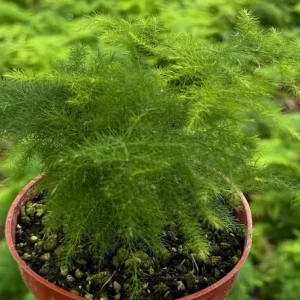
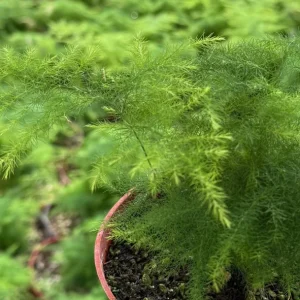
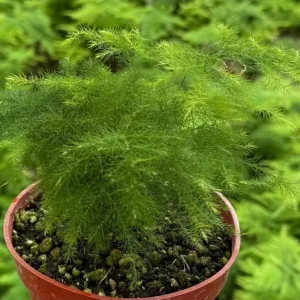
Asparagus Fern Live Plant – Delicate Indoor Foliage in 4 inch Pot
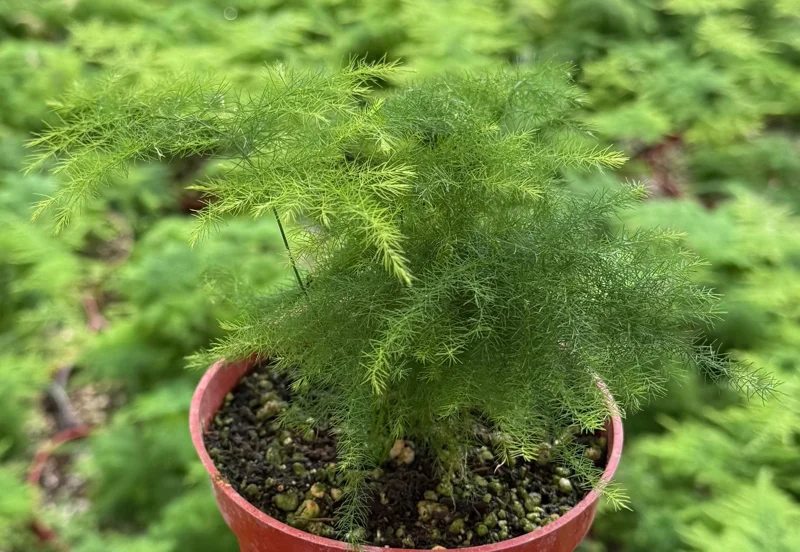
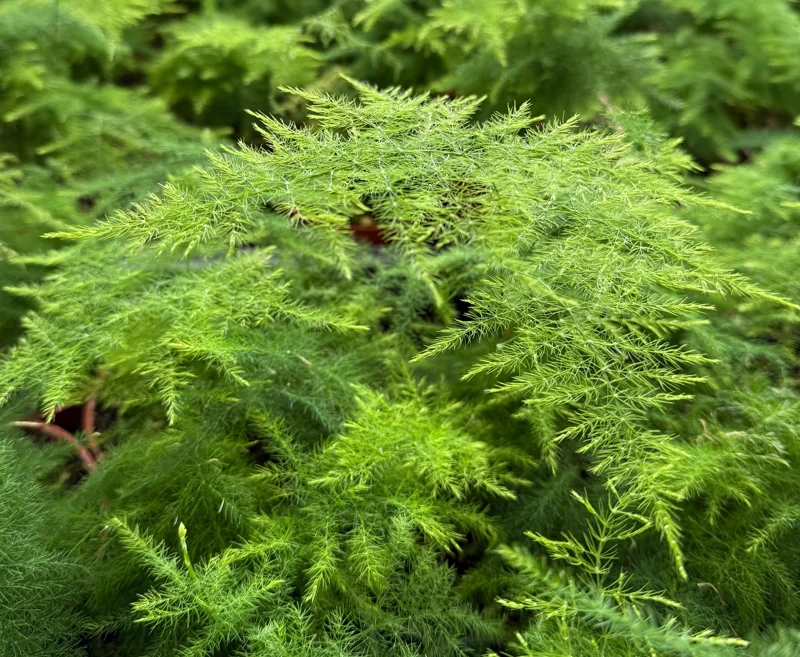
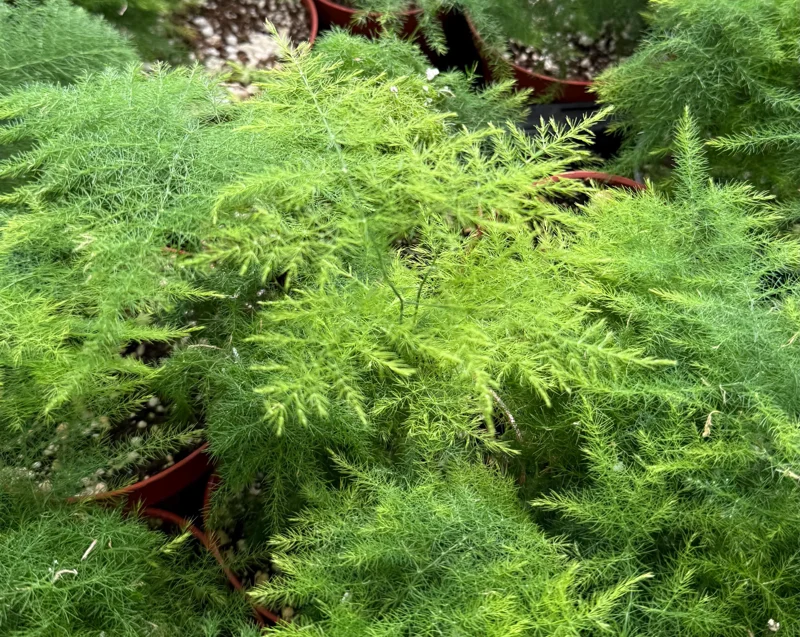
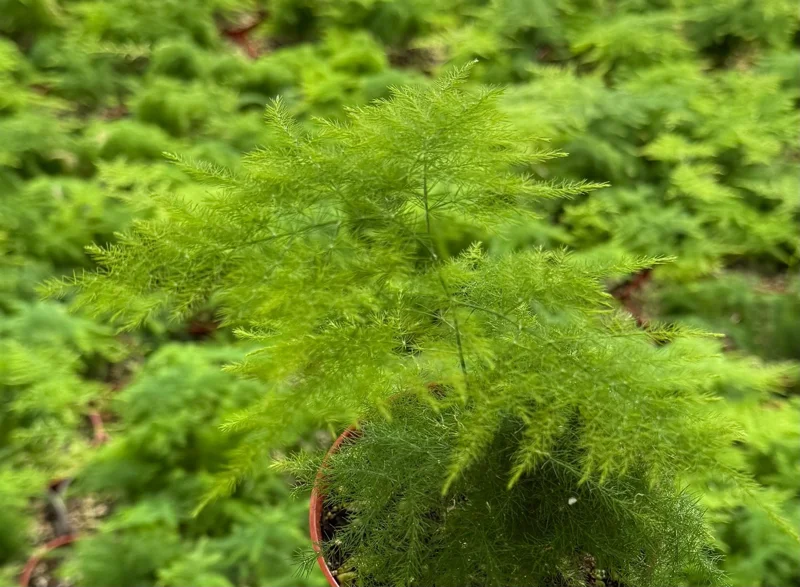
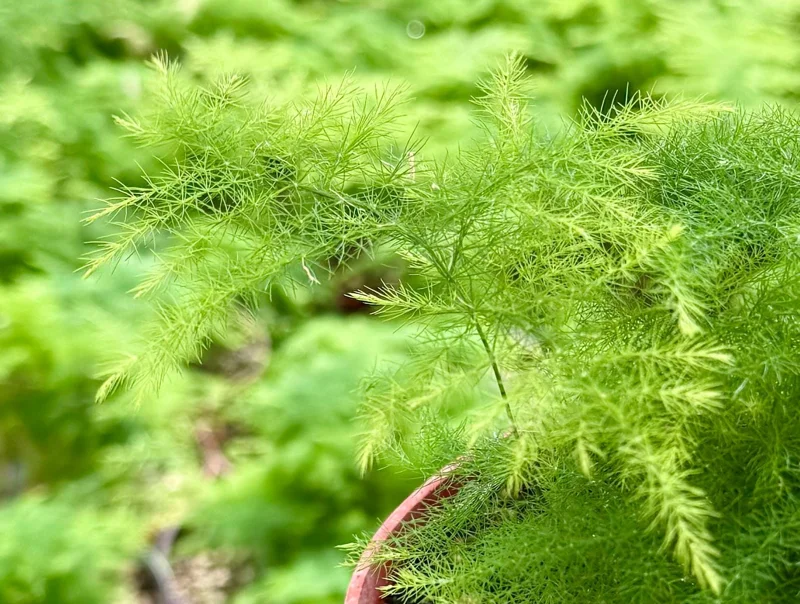
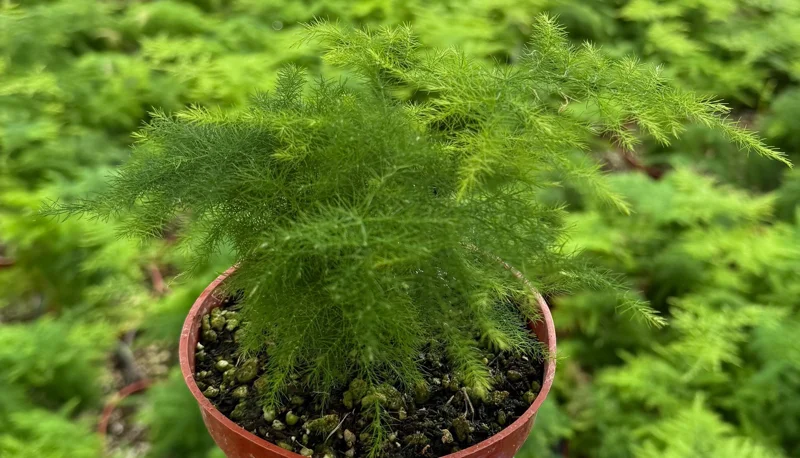
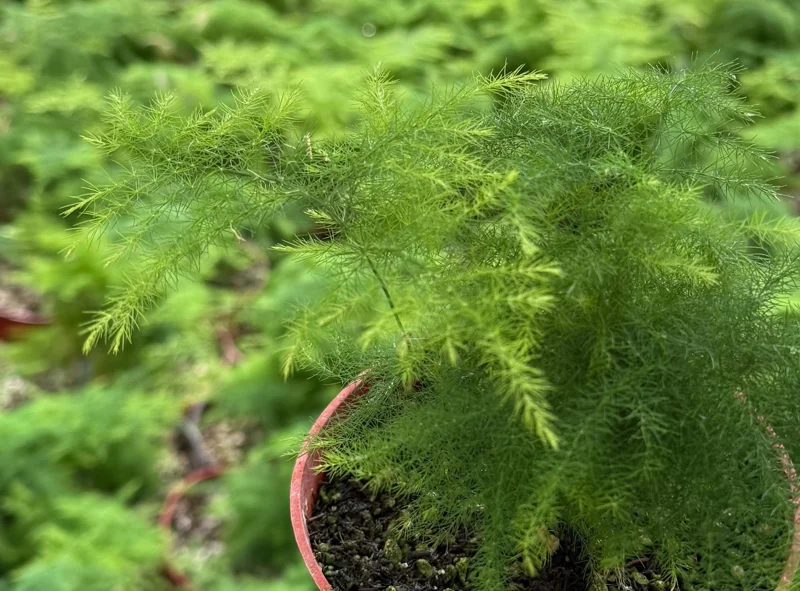
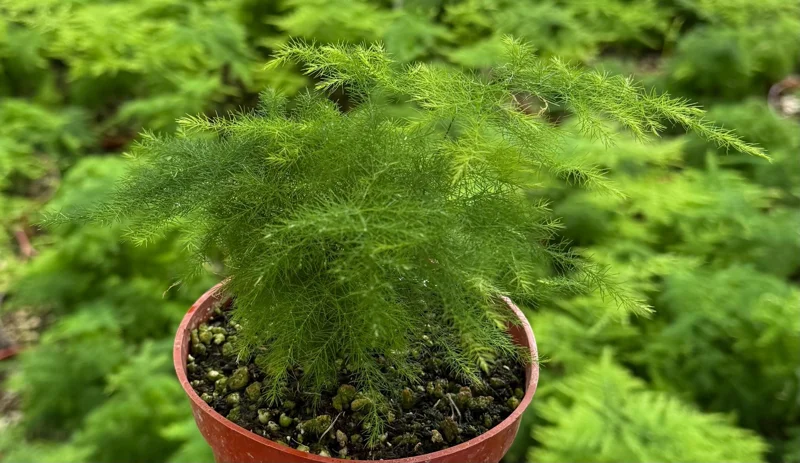
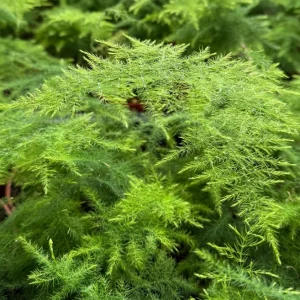
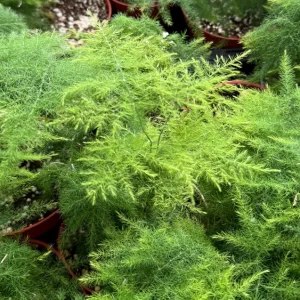
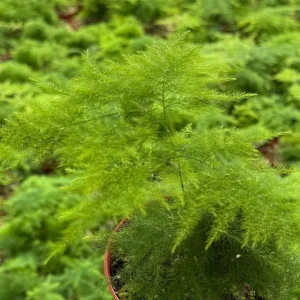
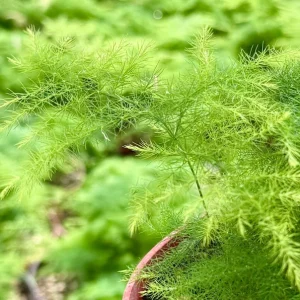
Bring delicate beauty to your home with this asparagus fern live plant in a 4-inch pot. Not a true fern, this elegant houseplant features airy, feathery foliage that cascades beautifully, making it ideal for hanging baskets or bright indoor spaces. Easy to care for and a fast grower, it adds a touch of natural grace.
Original price was: $25.98.$18.99Current price is: $18.99.

With our Alive & Thrive Guarantee, we’ve got your back for the first 30 days! If you have any concerns about your plants, just reach out to us. Our team is here to help answer your questions and guide you in selecting the best plants for your garden, climate, and unique preferences. We're excited to help you create the garden of your dreams!
Estimated arrival
Apr 12
Apr 17 - Apr 19
Apr 22 - Apr 26
Product Details
-
USDA Hardiness Zone
USDA zones 9 to 11 (outdoors), typically grown indoors -
Soil type
Well-draining potting mix -
Sunlight Exposure
Bright indirect light -
Expected Planting Period
Year-round indoors
Overview
Introduce a touch of whimsical greenery into your living space with the exquisite asparagus fern live plant. Despite its common name, this charming botanical beauty is not a true fern but rather a member of the Asparagaceae family, closely related to the edible garden asparagus. Known for its delicate, airy foliage that mimics soft fern fronds, the asparagus fern is a popular choice for indoor gardeners seeking an elegant and relatively low-maintenance plant. Varieties like Asparagus setaceus (lace fern) and Asparagus densiflorus (including foxtail and sprenger’s asparagus fern) are commonly cultivated, each offering unique growth habits. This versatile plant can trail gracefully from hanging baskets, climb with support, or form upright, bushy clumps, depending on the specific variety and growing conditions. Its fine, needle-like leaves, which are actually modified stems called cladodes, create a lush and vibrant display, perfect for enhancing any room.
The asparagus fern live plant is celebrated for its rapid growth and adaptability, making it a rewarding addition to both novice and experienced plant collections. While primarily grown for its ornamental foliage, small white flowers may occasionally appear, sometimes followed by attractive red berries, adding another layer of interest. This plant thrives in conditions that mimic its natural subtropical origins, preferring bright, indirect light and consistently moist, well-draining soil. Its ability to flourish indoors makes it a fantastic choice for those looking to add natural beauty to their home environment year-round, especially in cooler climates where it cannot be grown outdoors.
Key Benefits
The asparagus fern live plant offers numerous advantages that make it a cherished addition to any home or garden. Its unique aesthetic and relatively straightforward care requirements contribute to its widespread appeal, providing both visual delight and a sense of natural tranquility.
- Elegant Aesthetic Appeal: The delicate, feathery foliage of the asparagus fern houseplant creates a soft, airy texture that enhances any interior decor. Its cascading growth habit makes it particularly stunning in hanging baskets or on elevated shelves, adding a touch of natural sophistication. The vibrant green color provides a refreshing contrast in any room.
- Adaptable Growth Habits: Depending on the variety, this plant can be grown to trail, climb, or form a bushy upright specimen. This versatility allows it to fit various design preferences and spaces, from filling out a corner to creating a focal point.
- Relatively Easy Care: While it appreciates consistent moisture and humidity, the asparagus fern live plant is not overly demanding. With proper light and watering, it can thrive, making it suitable for those who desire beautiful plants without extensive maintenance.
- Fast Growing: Enjoy quick results as this plant is known for its rapid growth rate. You’ll soon see a lush, full plant developing, providing immediate gratification and a dynamic element to your plant collection.
- Adds Humidity to Indoor Environments: Like many houseplants, the asparagus fern contributes to increasing indoor humidity levels, which can be beneficial for both other plants and human comfort, especially in dry climates or during winter months.
- Air Purification Qualities: While not as prominent as some other plants, the asparagus fern can help filter indoor air, contributing to a healthier living environment by absorbing certain airborne toxins and releasing oxygen.
- Long-Lived Houseplant: With appropriate care, an indoor asparagus fern can be a long-term companion, gracing your home with its beauty for many years. Its resilience ensures it remains a vibrant part of your indoor garden.
Plant Care & Growing Tips
Caring for your asparagus fern live plant involves understanding its preferences for light, water, and humidity to ensure it thrives. This plant enjoys bright, indirect light. Place it near a window where it can receive ample light but is shielded from direct, harsh sunlight, which can scorch its delicate foliage. An east-facing window is often ideal, or a few feet away from a south or west-facing window. If the plant doesn’t get enough light, its growth may become leggy, and the foliage can turn yellow. Conversely, too much direct sun can cause browning.
Watering is crucial for the asparagus fern houseplant. It prefers consistently moist, but not waterlogged, soil. Allow the top inch of soil to dry out slightly between waterings, then water thoroughly until water drains from the bottom of the pot. Avoid letting the plant sit in standing water, as this can lead to root rot. High humidity levels are also beneficial for this plant. You can increase humidity by misting the foliage regularly, placing the pot on a pebble tray filled with water, or using a humidifier nearby. During the growing season (spring and summer), feed your asparagus fern with a balanced liquid fertilizer diluted to half strength every 2-4 weeks. Reduce fertilization during the fall and winter months when growth naturally slows.
For soil, a well-draining potting mix is essential. A mix designed for houseplants, often containing peat moss, perlite, and vermiculite, works well. Repot your asparagus fern every 1-2 years or when it becomes root-bound, typically in spring. Common problems include yellowing leaves due to under-watering or low humidity, and browning tips from dry air or too much sun. Pests like spider mites can sometimes be an issue; regularly inspect your plant and treat with insecticidal soap if necessary. The foxtail asparagus fern and other varieties are hardy in USDA zones 9 to 11 when grown outdoors, but they are most commonly enjoyed as indoor plants in temperate climates, where they can be protected from cold temperatures.
Size & Details
This offering is for one asparagus fern live plant provided in a 4-inch nursery pot, ready to be placed in your preferred decorative container or hanging basket. The plant’s mature size can vary significantly based on the variety and growing conditions, but typically, it can reach lengths of 2-3 feet when trailing or heights of 1-2 feet when grown upright. Its width can spread similarly, creating a lush, full appearance. The growth rate is considered fast, so you can expect to see significant development in a relatively short period with proper care. This plant ships as a young, actively growing specimen, ensuring it arrives healthy and ready to flourish in its new home. Though small white flowers and red berries may appear, the primary ornamental value comes from its vibrant, feathery foliage.
Frequently Asked Questions
- Q: How big does this plant get? A: Your asparagus fern live plant, starting in a 4-inch pot, can grow quite large. Depending on the variety and growing conditions, it can trail up to 2-3 feet or form upright clumps 1-2 feet tall and wide, making it a substantial houseplant over time.
- Q: Is this an indoor or outdoor plant? A: While hardy outdoors in USDA zones 9 to 11, the asparagus fern houseplant is most commonly grown as an indoor plant in the US, particularly in colder climates. It thrives indoors with bright, indirect light and consistent humidity.
- Q: How much sunlight does it need? A: The asparagus fern prefers bright, indirect light. Avoid direct sunlight, which can scorch its delicate foliage. An east-facing window or a spot a few feet away from a south or west-facing window is usually ideal.
- Q: Is this plant easy to care for? A: Yes, the asparagus fern live plant is considered relatively easy to care for. It primarily requires consistent watering, high humidity, and bright, indirect light. It’s a great choice for beginners looking for a rewarding houseplant.
- Q: What condition will it arrive in? A: Your asparagus fern will arrive as a healthy, actively growing plant in its 4-inch nursery pot. We take great care in packaging to ensure it reaches you in excellent condition, ready for its new home.
- Q: Is it shipped in soil? A: Yes, the asparagus fern live plant is shipped securely in its 4-inch nursery pot with its established soil, ensuring minimal shock during transit and an easy transition to your home.
- Q: Is the asparagus fern pet-safe? A: Asparagus ferns are generally considered mildly toxic if ingested by pets, potentially causing gastrointestinal upset. It’s best to keep the plant out of reach of curious pets.
- Q: How often should I water my asparagus fern? A: Water your indoor asparagus fern when the top inch of soil feels dry to the touch. It prefers consistently moist, but not soggy, soil. Ensure good drainage to prevent root rot.
- Q: Does the asparagus fern produce flowers or berries? A: Yes, the asparagus fern can produce small, inconspicuous white flowers, which may sometimes be followed by small red berries. However, it is primarily grown for its attractive foliage.
- Q: How do I provide enough humidity for my asparagus fern? A: To increase humidity for your asparagus fern care, you can mist the foliage regularly, place the pot on a pebble tray filled with water (ensuring the pot doesn’t sit in the water), or use a room humidifier.
Related products
-25%
Original price was: $23.80.$17.84Current price is: $17.84.
-25%
Original price was: $20.90.$15.68Current price is: $15.68.
-30%
Original price was: $13.98.$9.78Current price is: $9.78.
-25%
Original price was: $30.00.$22.50Current price is: $22.50.
PLANTING & CARE

Growing Glencoe Raspberry: A Complete Guide for Gardeners
If you’re looking to add something unique to your garden, look no further than the
31
Mar
Mar

The Comprehensive Guide to Growing Bay Leaf Plants for a Flavorful Garden
Imagine stepping into your garden, greeted by the earthy aroma of fresh bay leaves, their
09
Feb
Feb

How to Make Comfrey Tea: The Ultimate Organic Plant Food
Growing an organic garden can be surprisingly expensive, especially when most store-bought fertilizers come in
02
Feb
Feb

True Comfrey: 7 Essential Tips Before You Plant This Herb
A staple in permaculture practices across the US, True Comfrey easily earns its reputation as
27
Jan
Jan

7 Heart-Shaped Plants for a Lasting Valentine’s Gift
If you’ve ever bought a bouquet of roses for Valentine’s Day, you know they are
26
Jan
Jan

Best Types of Ivy Plant for Houses: How to Choose the Perfect Ones for Your Home
Are you a garden lover looking to introduce some greenery into your home? Maybe you’ve
14
Nov
Nov

When to Harvest Garlic (Especially Fall-Planted Garlic)
TIMING IS EVERYTHING, they say – and for garlic, that truth hits with surprising accuracy.
13
Nov
Nov

11 of the Best Sweet Potato Varieties to Grow for Your Garden
If you’ve ever tried growing sweet potatoes, you know that picking the right variety can
12
Nov
Nov