Bonsai Spurflower Plectranthus Ernstii Live Plant – Rare Succulent in 4″ Pot
-28%
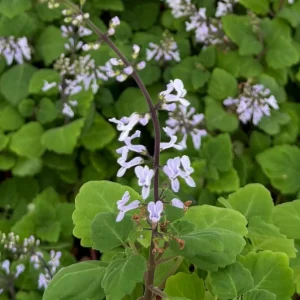
Bonsai Spurflower Plectranthus Ernstii Live Plant – Rare Succulent in 4″ Pot
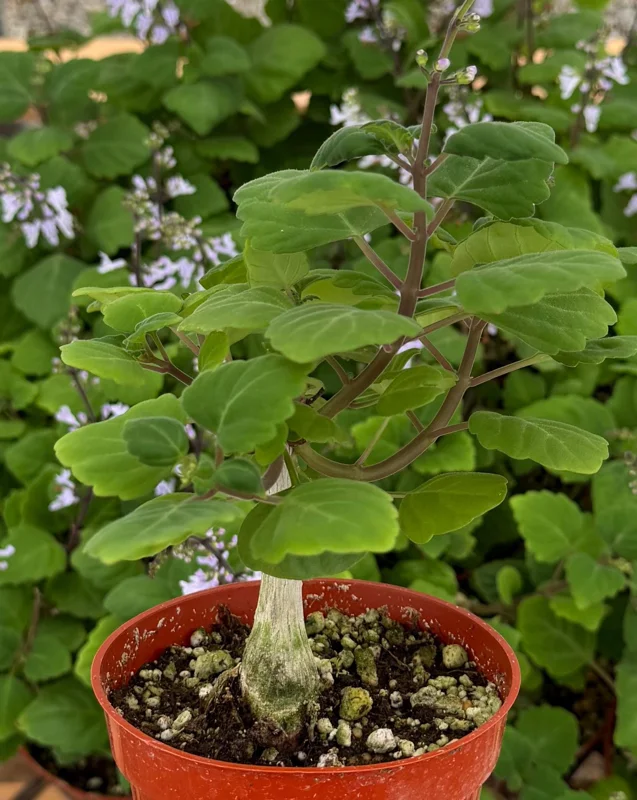
Bring home a unique Bonsai Spurflower live plant (Plectranthus ernstii). This captivating rare succulent plant features a distinctive woody caudex, perfect for collectors and enthusiasts. Shipped in a 4-inch pot, it’s ready to thrive indoors or in warm outdoor climates.
Original price was: $35.98.$25.99Current price is: $25.99.

With our Alive & Thrive Guarantee, we’ve got your back for the first 30 days! If you have any concerns about your plants, just reach out to us. Our team is here to help answer your questions and guide you in selecting the best plants for your garden, climate, and unique preferences. We're excited to help you create the garden of your dreams!
Estimated arrival
Apr 13
Apr 18 - Apr 20
Apr 23 - Apr 27
Product Details
-
USDA Hardiness Zone
USDA zones 10-11 (outdoors) or indoor cultivation -
Soil type
Well-draining succulent or cactus mix -
Sunlight Exposure
Bright light or partial sun -
Expected Planting Period
Year-round indoors
Overview
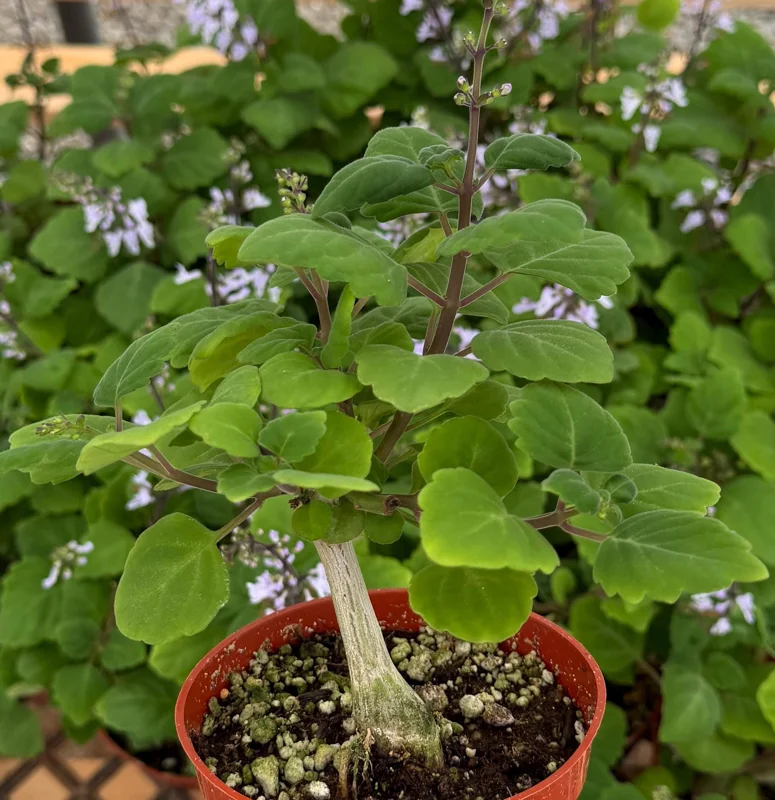
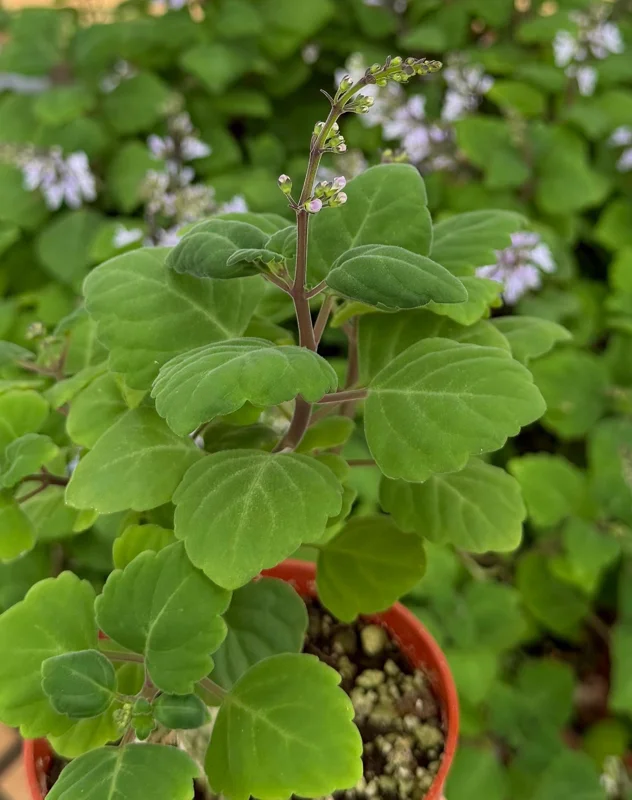
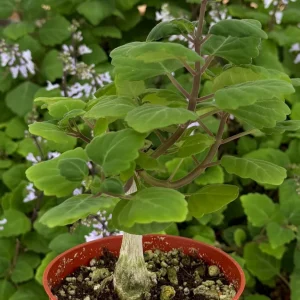
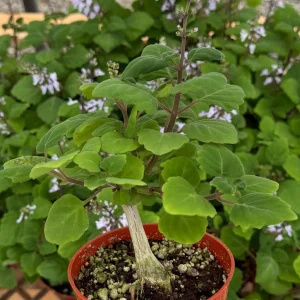
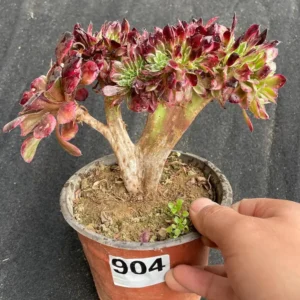
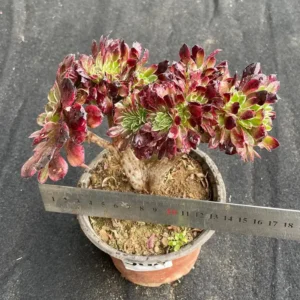
Introduce a touch of sculptural beauty to your plant collection with the Bonsai Spurflower live plant, also known by its botanical name, Plectranthus ernstii. This fascinating semi-succulent species is native to the Eastern Cape of South Africa and is highly prized for its unique aesthetic. What truly sets the Bonsai Spurflower live plant apart is its thick, woody caudex, which naturally develops a bonsai-like appearance, making it a living work of art. The stems are fleshy and angular, covered with fine hairs, while the soft, aromatic leaves feature scalloped edges that release a pleasant scent when touched. Often referred to as Crested Spurflower, this plant is a must-have for any enthusiast looking for a distinctive and rewarding growing experience. Its compact growth habit and unusual form make it an excellent choice for miniature bonsai or as a collectible caudiciform specimen.
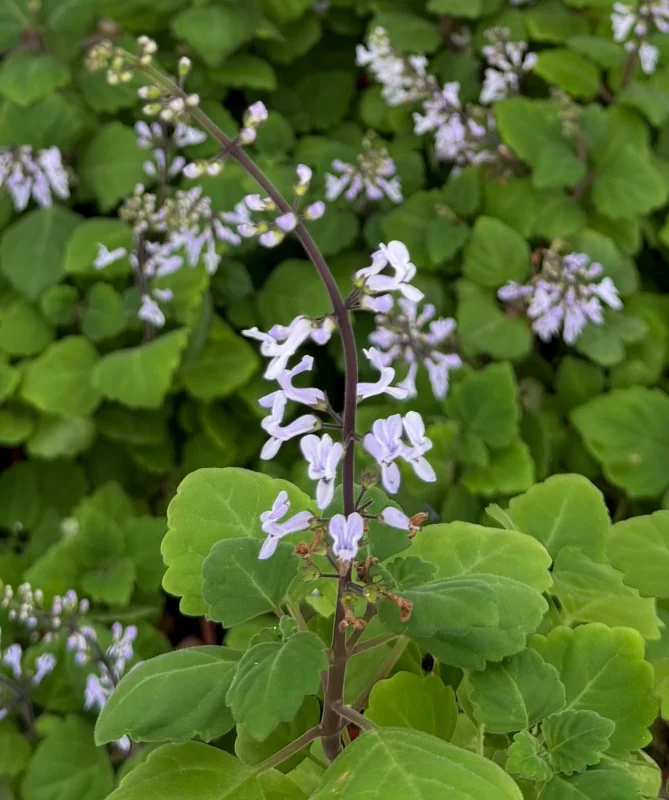
Cultivating this rare succulent plant offers a unique opportunity to observe its growth and development. It’s a captivating addition to any indoor garden or a protected outdoor space in suitable climates. Its resilience and striking form ensure it remains a focal point wherever it’s placed. Experience the joy of nurturing this exotic species and enjoy its delicate lavender to bluish-purple tubular flowers that emerge in late summer to early autumn, providing a charming contrast to its robust structure.
Key Benefits
The Bonsai Spurflower live plant offers numerous benefits, from its unique aesthetic appeal to its relatively easy care, making it a rewarding choice for various plant lovers:
- Unique Aesthetic: The most striking feature is its naturally forming, thick, woody caudex, giving it an instant bonsai-like appearance without extensive training. This makes it a visually appealing centerpiece or accent plant.
- Collectible Rarity: As a rare succulent plant, Plectranthus ernstii is highly sought after by collectors and enthusiasts looking for unusual and distinctive species to add to their botanical displays.
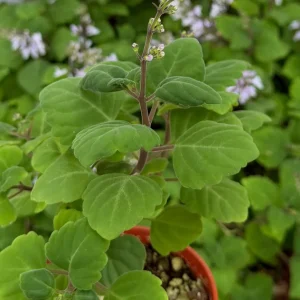
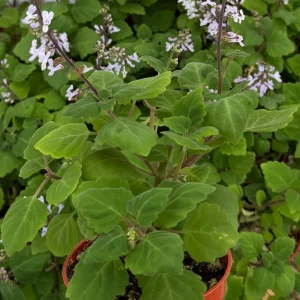
- Aromatic Foliage: The soft, fuzzy leaves have scalloped edges and release a pleasant, mild scent when touched, adding a sensory dimension to its appeal.
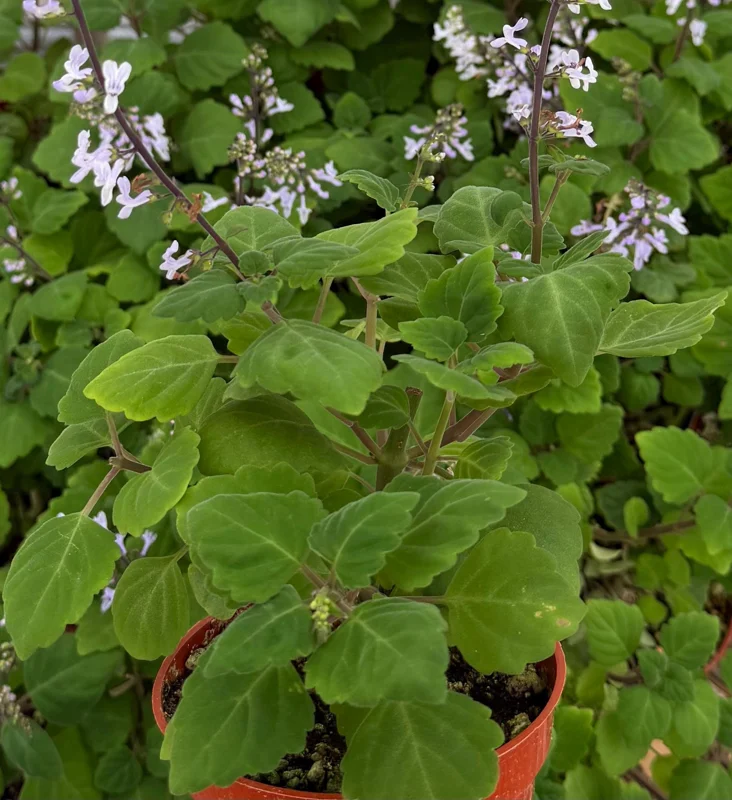
- Charming Blooms: In late summer to early autumn, it produces delicate lavender to bluish-purple tubular flowers that rise above the foliage, adding a splash of color and elegance.
- Low Maintenance: This semi-succulent is relatively easy to care for, preferring well-draining soil and moderate watering, making it suitable for both experienced and novice gardeners.
- Versatile Display: Its compact growth habit and unique form make it ideal for growing as a miniature bonsai, a caudiciform display, or simply as an intriguing potted plant on a windowsill or desk.
- Drought Tolerance: Like many succulents, it tolerates periods of dryness, reducing the frequency of watering and making it a resilient choice.
Plant Care & Growing Tips
Caring for your Bonsai Spurflower live plant is straightforward, provided you understand its basic needs. This plant thrives in conditions that mimic its native South African habitat. For optimal growth, provide bright light or partial sun. Indoors, a south-facing window with some protection from intense afternoon sun, or a spot with ample ambient light, is ideal. If grown outdoors, ensure it receives morning sun and afternoon shade, especially in hotter climates. Adequate light is crucial for the development of its distinctive caudex and vibrant foliage.
When it comes to watering, the Plectranthus ernstii care routine should prioritize allowing the soil to dry out significantly between waterings. Overwatering is the most common cause of issues for succulents. Stick your finger about an inch or two into the soil; if it feels dry, it’s time to water thoroughly until water drains from the bottom of the pot. Reduce watering frequency during cooler, darker months. This plant requires well-draining soil to prevent root rot. A sandy or gritty succulent-specific potting mix is highly recommended. Ensure your pot has drainage holes.
The Bonsai Spurflower live plant enjoys warm conditions and is not tolerant of frost. If you live in a region with cold winters, it’s best to grow it in a container that can be moved indoors when temperatures drop below 50°F (10°C). During the growing season (spring and summer), you can fertilize lightly with a balanced liquid fertilizer diluted to half strength, once every 4-6 weeks. Repotting is generally not needed frequently, as it prefers to be slightly root-bound. When repotting, choose a pot only slightly larger than the current one to encourage caudex development. Keep an eye out for common succulent pests like mealybugs, and address them promptly with appropriate organic solutions.
Size & Details
Each Bonsai Spurflower live plant (Plectranthus ernstii) is carefully cultivated and shipped in a 4-inch nursery pot, providing a healthy root system ready for its new home. At the time of shipping, plants typically range from 3 to 6 inches in height, depending on growth and natural variation. The characteristic woody caudex will be developing, offering a glimpse into its future bonsai-like form. This plant is known for its compact growth habit, generally reaching a mature height of 6 to 12 inches and a similar spread, making it an excellent choice for windowsills, desks, or terrariums. The growth rate is moderate, allowing enthusiasts to observe its development over time. Expect the plant to establish itself quickly and begin to show more pronounced caudex development within the first year with proper care. It is shipped as a live, rooted plant, ensuring a strong start for your new caudex plant for sale.
Frequently Asked Questions
- Q: How big does this plant get? A: The Bonsai Spurflower live plant typically reaches a mature height of 6 to 12 inches and a similar spread. Its compact size makes it ideal for indoor growing or small spaces, showcasing its unique caudex.
- Q: Is this an indoor or outdoor plant? A: While it enjoys warm outdoor conditions in USDA zones 10-11, it is generally grown as an indoor plant in most climates due to its frost sensitivity. It thrives in bright indoor light.
- Q: How much sunlight does it need? A: This plant prefers bright light or partial sun. Indoors, aim for a location with several hours of bright, indirect light daily. Outdoors, morning sun with afternoon shade is ideal to prevent scorching.
- Q: Is this plant easy to care for? A: Yes, the Bonsai Spurflower live plant is considered relatively easy to care for, especially for those familiar with succulents. Its main requirements are bright light, well-draining soil, and moderate watering. Proper Plectranthus ernstii care is key.
- Q: What condition will it arrive in? A: Your rare succulent plant will arrive as a healthy, live specimen, carefully packaged in its 4-inch nursery pot, ready to be placed in its new environment. We take great care to ensure safe transit.
- Q: How often should I water my Bonsai Spurflower? A: Water moderately, allowing the soil to dry out completely between waterings. This usually means once every 1-2 weeks during the growing season and less frequently in winter.
- Q: What kind of soil is best for this plant? A: A well-draining succulent or cactus potting mix is highly recommended. This prevents waterlogging and promotes healthy root development for your crested spurflower.
- Q: Does it produce flowers? A: Yes, in late summer to early autumn, the Bonsai Spurflower live plant produces delicate lavender to bluish-purple tubular flowers, adding an extra layer of charm to its appearance.
- Q: Is this a true bonsai? A: While it is not a traditional bonsai that requires extensive training, its naturally thick, woody caudex gives it a striking bonsai-like appearance, hence the common name. It’s a wonderful caudex plant for sale.
- Q: What is a caudex plant? A: A caudex plant, like the Bonsai Spurflower live plant, is a plant that develops a swollen stem base or rootstock used to store water, giving it a distinctive, often sculptural, appearance.
Related products
-30%
Original price was: $79.98.$55.98Current price is: $55.98.
-39%
Original price was: $39.98.$24.50Current price is: $24.50.
-30%
Original price was: $47.98.$33.58Current price is: $33.58.
-30%
Original price was: $79.98.$55.98Current price is: $55.98.
-30%
Original price was: $85.98.$60.18Current price is: $60.18.
PLANTING & CARE
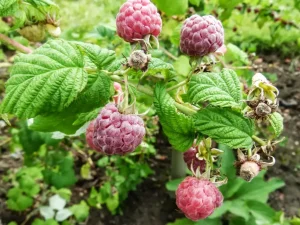
Growing Glencoe Raspberry: A Complete Guide for Gardeners
If you’re looking to add something unique to your garden, look no further than the
31
Mar
Mar

The Comprehensive Guide to Growing Bay Leaf Plants for a Flavorful Garden
Imagine stepping into your garden, greeted by the earthy aroma of fresh bay leaves, their
09
Feb
Feb

How to Make Comfrey Tea: The Ultimate Organic Plant Food
Growing an organic garden can be surprisingly expensive, especially when most store-bought fertilizers come in
02
Feb
Feb

True Comfrey: 7 Essential Tips Before You Plant This Herb
A staple in permaculture practices across the US, True Comfrey easily earns its reputation as
27
Jan
Jan

7 Heart-Shaped Plants for a Lasting Valentine’s Gift
If you’ve ever bought a bouquet of roses for Valentine’s Day, you know they are
26
Jan
Jan

Best Types of Ivy Plant for Houses: How to Choose the Perfect Ones for Your Home
Are you a garden lover looking to introduce some greenery into your home? Maybe you’ve
14
Nov
Nov

When to Harvest Garlic (Especially Fall-Planted Garlic)
TIMING IS EVERYTHING, they say – and for garlic, that truth hits with surprising accuracy.
13
Nov
Nov

11 of the Best Sweet Potato Varieties to Grow for Your Garden
If you’ve ever tried growing sweet potatoes, you know that picking the right variety can
12
Nov
Nov